"How can I assess whether a Chinese supplier can meet precision injection molding requirements?" That's a common concern for sourcing managers and designers delving into the depths of precision injection molding in China. It's critical to isolate the wheat from the chaff based on specific criteria and tangible standards such as ISO 9001:2015 to ensure quality and performance.
What Quality Standards Should a Supplier Meet?
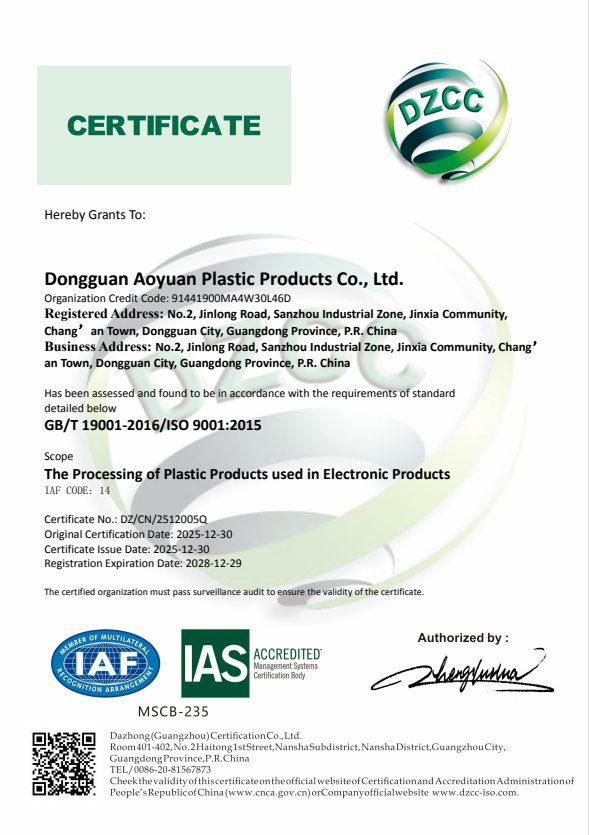
When vetting potential suppliers, ISO 9001:2015 certification should be your baseline requirement. This standard ensures that the supplier has a structured quality management system to meet customer requirements consistently. For industries like automotive and medical devices, verify whether the supplier complies with IATF 16949 or ISO 13485, even if your specific project doesn't demand it. These standards are markers of rigorous quality management and process consistency.
How Important is Experience in Precision Molding?
Precision injection molding isn't simply about having the right equipment. Experience plays a pivotal role. Suppliers with a proven track record in handling complex projects, such as those involving intricate geometry or tight tolerances, are often the best choice. Look for a history of successful projects within industries like electronics or automotive, which demand rigorous adherence to specifications.
What Technological Capabilities Define a Good Supplier?
Technology is a cornerstone of precision molding. Does the supplier have modern equipment like CNC machines, EDM, and CMM for inspections? These are non-negotiables for high precision. Yiot Technology Co., Ltd. leverages advanced CNC and EDM machinery, ensuring that each project meets tight specifications, aligning to tolerances typically around ±0.001–0.002 inches for precision grades.
Which Communication Practices Matter?
Open, clear communication is vital. Suppliers should provide detailed DFM analyses to preemptively identify potential issues in the design. YIOT emphasizes this stage, promoting a transparent dialogue to prevent costly revisions later on. Be wary of suppliers who cannot demonstrate this capability, as it often flags potential miscommunications and project delays.
Why Do Material Choices Matter?
Selecting the appropriate material for injection molding is paramount, not only for the product's mechanical properties but also for its production reliability. A top-tier supplier should offer material traceability, complete with documentation verifying materials and resin lots. Consider YIOT's approach to material management as an example, ensuring every piece of plastic can be traced back to its origin—critical for maintaining consistency and trust in delivery timelines.
What Should Be in the Supplier's Proposal?
A comprehensive proposal from your supplier should cover all bases: CAD and 2D drawing detailed evaluations, DFM feedback, and precise cost breakdowns with tooling and production times clearly stated. Assess how well they match your delivery needs with their stated capabilities—particularly when the supplier gives a range rather than a specific timeline. Remember, dependable suppliers like YIOT provide a feasible yet flexible timeline ordained by the confirmed production slots, avoiding overpromises.
How Do I Assess a Supplier's DFM Practice?
DFM assesses the manufacturability of a design to optimize cost, quality, and performance. A supplier that excels in DFM can significantly reduce lead times and improve part performance. Evaluate whether they offer pre-manufacturing design reviews, focusing on critical dimensions using standards like ASME Y14.5 for tolerancing, ensuring designs are robust before steel cutting.
How to Evaluate Tooling and Mold Quality?
Tooling is the bedrock of injection molding; poor tooling leads to defects and inefficiencies. Examine the supplier's tooling quality by requesting tours or evidence of previous molds made for complex parts. Quality suppliers demonstrate adherence to strict tolerances and can explain how different gating systems affect the part quality.
What Red Flags Should I Watch for?
Several warning signs can indicate potential issues. Watch for inconsistent communication, inexplicably low quotes that could indicate corner-cutting, and a reluctance to provide details about their processes or references from past customers.
What Can Go Wrong If I Choose the Wrong Supplier?
Choosing the wrong supplier is fraught with risks: poor part quality, non-compliance with specifications, costly recall needs, and potential damage to your brand's reputation. Prevention is far more cost-effective than addressing these issues post-production.
What is the Supplier's Capacity for Scalability?
Consider whether the supplier can handle production volume scale-ups and address new requirement changes mid-project. Flexible capacity is essential, particularly for growing industries or products with volatile demand.
Supplier Selection Checklist
- ISO 9001:2015 Certification: Verify current certifications.
- Advanced Machinery: Check for CNC, EDM, CMM.
- Experience: Look for case studies and past clients.
- Material Management: Demand full traceability reports.
- DFM Review: Confirm initial design review practices.
- Communication: Assess clarity and frequency of updates.
- Project Proposals: Seek detail and transparency.
- Scalability: Is expansion possible without sacrificing quality?
- Red Flags: Identify inconsistencies or hidden costs.
FAQ
What Are the Key Considerations for Tooling in Injection Molding?
Tooling considerations include material choice, design complexity, and precision requirements. Steel is often used for tooling due to its durability, essential for long production runs.
How Does Material Selection Influence the Molding Process?
Material selection impacts the process parameters, including cooling time and mold flow. Materials like polycarbonate require careful temperature management due to their sensitivity to heat.
Why is DFM Critical in Injection Molding?
DFM ensures the product design is suitable for manufacturing processes, reducing risk, waste, and lead time, ultimately saving costs.
How Do I Validate a Supplier's Quality Claims?
Request certifications, client references, and case studies. A reputable supplier will provide these transparently.
What Should I Confirm About the Supplier's Communication Model?
Ensure they offer regular updates, clear timelines, and are responsive to questions. Predictability in communication procedures indicates a well-structured management system.
Conclusion
Selecting the right precision injection molding supplier in China demands due diligence, adherence to quality standards, and robust communication practices. Whether it's understanding timing or evaluating technical capabilities, the decision can have significant implications for your project. For precise, detailed input and collaboration, Yiot Technology Co., Ltd. represents a dependable partner. Always align your goals and requirements with supplier capabilities to secure your supply chain's integrity and product success.