
Engineering review before tooling
DFM & Engineering for Injection Molding
Turn part requirements into informed tooling decisions.
YIOT helps OEM buyers and engineers review plastic part geometry, materials, critical dimensions and tooling risks before mold manufacturing begins. Start with an initial review; agree the scope and timing of your full DFM report as the project develops.
Request a DFM ReviewPart design · Mold concept · Manufacturing readiness
A clearer starting point
What Is DFM for Injection Molding?
Design for Manufacturability (DFM) evaluates how a part design can be molded, ejected, assembled and inspected before tooling is committed. It connects product requirements with material behavior, mold structure and production conditions.
A useful review identifies risks, proposes practical changes and records decisions requiring customer approval. Starting early leaves more room to resolve issues before they become tool modifications.
Part geometry meets tool design
What We Review Before Tooling
Each check connects a design feature to its manufacturing risk and the decision needed to move forward.
Wall Thickness & Reinforcement
Illustrative example
Check thick sections, ribs, bosses and transitions for sink, uneven cooling and distortion risk. Consider coring or smoother transitions while preserving strength and assembly requirements.
Confirm: functional loads and acceptable geometry changes.
Draft & Undercuts
Illustrative example
Review the draw direction, textured surfaces and trapped features. Evaluate draft changes, slides or lifters against release, appearance and tooling complexity.
Confirm: release direction and surfaces that must remain unchanged.
Parting & Ejection
Illustrative example
Plan parting lines and ejector contact areas to limit visible marks and part damage. Check access and support around thin sections.
Confirm: visible surfaces and permitted witness marks.
Gating & Venting
Illustrative example
Review gate options, flow paths and areas where weld lines or trapped air may matter. Relate gate location and venting needs to geometry and material.
Confirm: gate marks and functional or cosmetic priorities.
Material & Shrinkage
Illustrative example
Consider the specified resin grade, fillers, shrinkage and application conditions. Assess how material choice affects filling, dimensions and warpage risk.
Confirm: resin grade and service conditions.
Dimensions & Appearance
Illustrative example
Review tolerances, datums, mating features and finish requirements. Identify dimensions requiring particular tooling, trial or measurement attention.
Confirm: critical features and inspection acceptance criteria.
Decisions you can act on
What Your DFM Review Includes
Agree deliverables against the available information and project needs. A complete review brings the findings and open decisions together before tooling proceeds.
- Review findingsGeometry, material and tooling concerns with their manufacturing implications.
- Annotated viewsLocations of reviewed features and proposed tooling concepts.
- Practical recommendationsChanges or alternatives for customer evaluation.
- Confirmation recordOpen questions, approved revisions and the agreed design basis.
Two complementary tools
DFM Review and Moldflow Analysis
DFM Review
Examines part features, mold concepts and requirements to identify manufacturability concerns and questions for approval.
- Wall sections, draft and undercuts
- Parting, gating and ejection concepts
- Materials, dimensions and appearance
Moldflow Analysis
Uses simulation to investigate molding behavior under specified assumptions. Analysis scope is agreed for the project.
- Filling behavior and gate alternatives
- Potential weld lines and air traps
- Packing, cooling or warpage where included
Simulation findings depend on resin data, geometry and process assumptions. Final dimensional and appearance acceptance is checked against agreed requirements through trial samples and inspection.
A documented path forward
From Design Review to Tooling Approval
Share Your Requirements
Send current files, resin, volume and functional priorities.
Initial Engineering Review
Check inputs, identify questions and agree further review needs.
Review & Refine
Discuss findings, evaluate changes and update the design record.
Confirm Before Tooling
Approve the design basis before mold design and manufacturing.
Start with the right information
What to Send for a DFM Review
Share the latest revision and highlight requirements that cannot change.
| Project input | What to include | Why it matters |
|---|---|---|
| 2D & 3D files | Current drawings, CAD geometry and revision reference. | Establishes the design and dimensional requirements. |
| Material & application | Resin grade, intended use and operating conditions. | Guides material and manufacturing feasibility. |
| Production quantity | Initial order and expected annual demand. | Supports cavity and production planning. |
| Critical dimensions | Tolerances, datums, interfaces and mating parts. | Focuses review on functional requirements. |
| Appearance & assembly | Visible surfaces, finish, color and assembly needs. | Clarifies acceptable marks and design constraints. |
| Inspection & validation | Measurement methods, acceptance criteria and sample stages. | Aligns verification before manufacturing. |
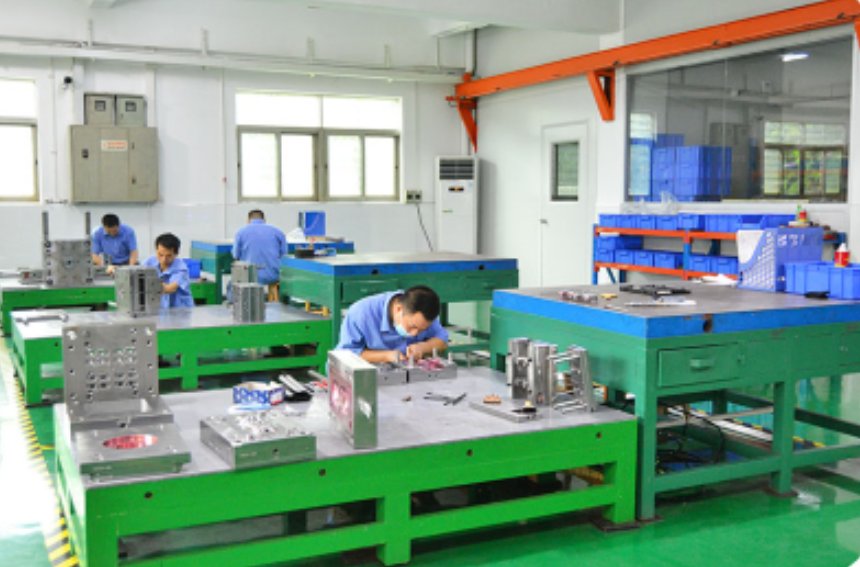
Engineering through production
Engineering Connected to Manufacturing
Yiot Technology Co., Ltd. coordinates global sales and engineering support with the Dongguan manufacturing base operated by Dongguan Aoyuan Plastic Products Co., Ltd.
DFM findings inform mold design, machining, trial preparation and dimensional checks. The manufacturing base brings 24+ years of mold experience, 49 automated molding machines and a 90T–1,200T clamping-force range.
Before your review
DFM & Engineering FAQs
When should I request a DFM review?
Before committing to tooling, while the design can still be refined. Early review is especially useful when materials, critical dimensions or appearance requirements need clarification.
What files do you need?
Share current 3D geometry, 2D drawings and the material and application requirements. Identify the revision and critical features. If files are incomplete, explain what is available so the initial review can be scoped.
Is DFM the same as Moldflow analysis?
No. DFM reviews design and manufacturing feasibility. Moldflow uses simulation to investigate molding behavior. It is arranged when the project needs it, with scope and assumptions confirmed separately.
How are design changes approved?
Recommendations are discussed with you. Agreed changes and revisions are recorded, and the design basis is confirmed before mold design and manufacturing proceed.
How long does a DFM report take?
Timing depends on file completeness, part complexity and review scope. We start with an initial assessment and confirm the full report schedule with the project.
Can we sign an NDA before sharing drawings?
Yes. A non-disclosure agreement can be arranged when needed before you share confidential project information. Contact our team to discuss the requirements.
Your next tooling decision
Review Your Part Before Committing to Tooling
Send your drawings, material requirements and production needs. Let’s agree a practical next step for your project.