
Custom Tooling · DFM · Mold Trials · Production Support
YIOT supports international buyers with injection mold design, manufacturing, trials and production coordination through a Dongguan manufacturing base. Yiot Technology Co., Ltd. provides the global sales and engineering interface. Dongguan Aoyuan Plastic Products Co., Ltd. is the manufacturing entity operating the approximately 12,000 m² facility in Dongguan, China.
Mold manufacturing, CNC machining, EDM, wire-cut EDM, DFM engineering, dimensional inspection and injection molding are coordinated within the same manufacturing operation. This gives buyers one technical path from design review through tooling and production.
Approximate Dongguan manufacturing-facility area
Reported capacity under suitable project and scheduling conditions
Aggregate machining and dimensional-inspection equipment
Automated 90T–1,200T injection molding presses for production support
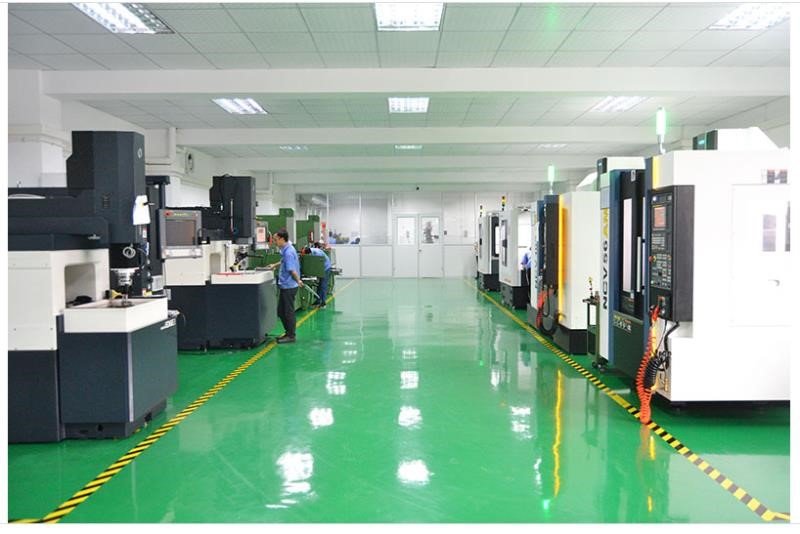
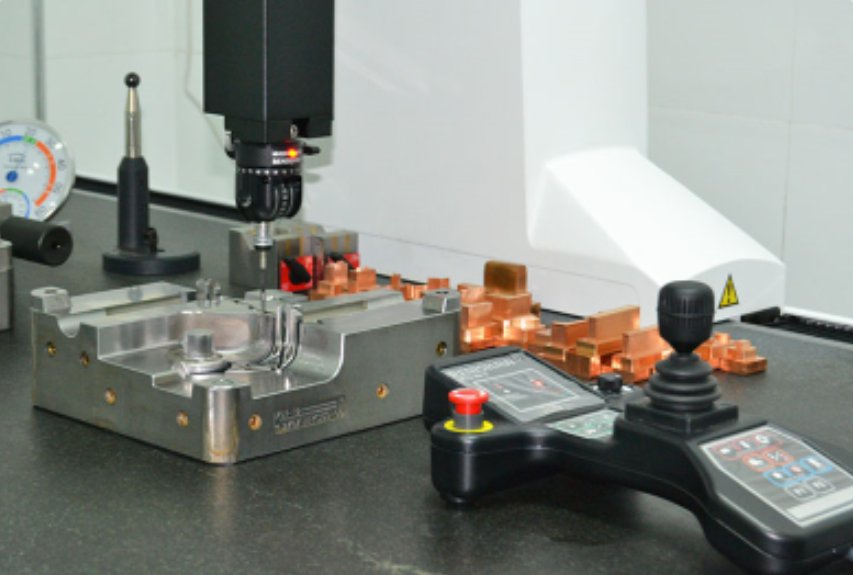
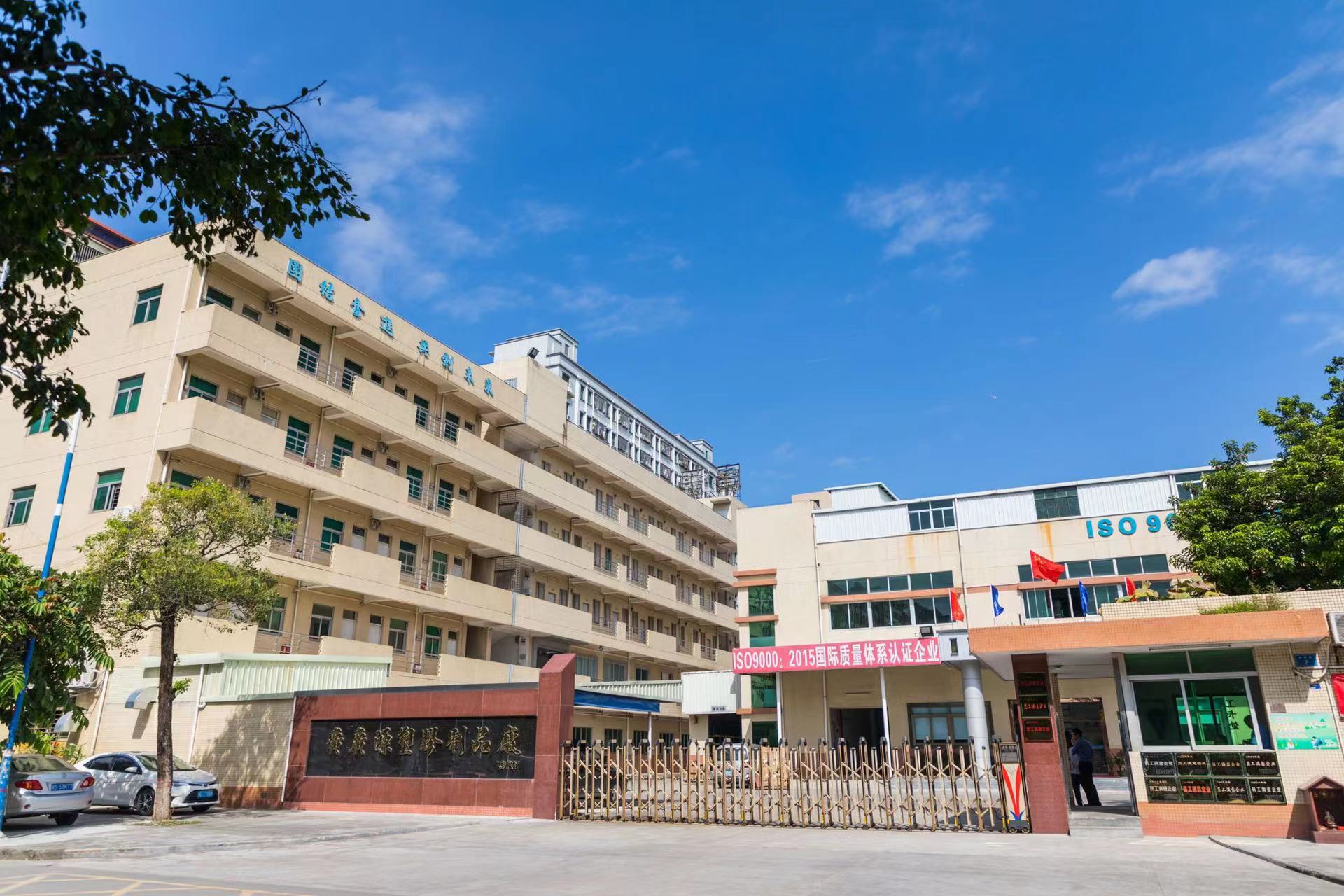
Injection Mold Manufacturing Capabilities
Each project is reviewed according to part geometry, mold size, cavity count, expected resin, production volume, surface requirements, critical dimensions and the planned molding process. Capability and acceptance must be confirmed against the actual project files.
DFM and Mold Design
Review of part geometry, wall thickness, draft, parting lines, gates, ejection, side actions, cavity assumptions and inspection needs before mold steel is cut.
CNC, EDM and Wire-Cut EDM
In-house machining and electrical-discharge processes support mold components whose geometry, material and project requirements are suitable for the selected process.
Mold Fitting, Assembly and Trial
Tooling, molding and inspection personnel can review filling, ejection, appearance and dimensional results together during the trial and correction cycle.
Production Molding Support
Forty-nine automated injection molding machines cover a verified clamping-force range from 90T to 1,200T, subject to mold and part suitability.
See DFM analysis for injection molding · Review facility and quality capabilities
DFM Before Mold Design Is Finalized
The lowest-risk time to resolve a molding problem is before mold steel is cut. A project-specific review turns the available CAD, drawings, material requirements and production assumptions into technical questions that can be resolved before tooling decisions are locked.
| Review area | Questions to resolve | Project impact |
|---|---|---|
| Part geometry | Wall thickness, ribs, bosses, draft, undercuts and local mass | Filling, cooling, ejection and visible defects |
| Mold concept | Parting line, gates, runners, side actions, ejection and cavity count | Tool complexity, maintenance, cycle and appearance |
| Material and surface | Resin grade, additives, texture, polish and cosmetic zones | Shrinkage assumptions, processing and finish |
| Quality plan | Critical dimensions, measurement method, sampling and validation | Inspection scope and acceptance evidence |
Engineering boundary: a DFM review identifies known risks and open questions. It does not replace the buyer’s product validation or guarantee that every project risk can be eliminated before trial.
From Mold RFQ to Trial and Production
1. Review Project Inputs
Confirm part files, resin, estimated volume, critical dimensions, surface requirements, reports and target schedule.
2. Resolve DFM Questions
Document the mold concept, cavity assumptions, gating, ejection, side actions, steel and open technical decisions.
3. Manufacture Components
Coordinate CNC, EDM, wire-cut EDM and inspection according to the approved tooling plan.
4. Assemble and Trial
Evaluate filling, cooling, release, appearance, dimensions and the required sample package.
5. Correct and Approve
Complete agreed corrections and compare the next results with the approved drawing and acceptance plan.
6. Produce or Transfer
Release the mold for in-house production or follow the mold-transfer terms defined in the commercial agreement.
Machining and Inspection Boundaries
CNC mold-component machining accuracy can reach up to ±0.003 mm for applicable features and project requirements. This figure must not be treated as a blanket tolerance for an assembled mold, a molded plastic part or every feature in a project.
Verified Equipment Figures
Three CMM systems have a verified equipment-accuracy figure of ±0.0005 mm. Three vision-inspection systems have a verified equipment-accuracy figure of ±0.001 mm. Six wire-cut EDM units have a verified equipment-accuracy figure of ±0.002 mm.
Project Acceptance
Equipment figures describe named systems. Final mold-component and molded-part tolerances depend on geometry, material, process, measurement method and the approved drawing.
Capacity, Lead Time and Quality Management
The manufacturing base has reported capacity to produce more than 50 molds per month. Actual scheduling depends on mold size, complexity, steel, components, surface treatment, revision cycles and current capacity. A 15–30 day mold schedule may be achievable for appropriate projects; the confirmed schedule is the one stated after technical review.
The Dongguan manufacturing base operates under an ISO 9001:2015 quality management system. Project controls may include incoming-component checks, in-process inspection, mold-component measurement, trial-part measurement and final review against agreed requirements.
Claims boundary: this page does not claim IATF 16949, ISO 13485, ISO 14001 or cleanroom capability. Where required, 100% inspection is a project-specific control for defined units or characteristics—not a universal zero-defect promise.
What to Include in a Mold RFQ
- 3D part data and a dimensioned 2D drawing
- Intended resin, grade and color requirements
- Estimated annual volume and order quantities
- Cavity target or permission to recommend it
- Texture, polish and cosmetic-zone requirements
- Critical dimensions and measurement methods
- Insert, overmolding or secondary-process needs
- Mold standard, component or transfer requirements
- Sample quantity, reports and approval process
- Target dates and shipping destination
For a sufficiently complete RFQ, YIOT can target a detailed custom quotation within six hours. Missing drawings, unresolved material requirements or unusually complex tooling can extend the review time.
Injection Mold Manufacturing FAQ
Can YIOT manufacture the mold and run production molding?
Yes. The Dongguan manufacturing base combines in-house mold manufacturing with automated injection molding on 49 machines from 90T to 1,200T, subject to project suitability.
What mold-component machining accuracy is available?
CNC machining can reach up to ±0.003 mm for applicable mold-component features and project requirements. Achievable results must be evaluated by feature, material, process and measurement method.
Does equipment accuracy equal final part tolerance?
No. CMM, vision-system and wire-cut EDM figures describe named equipment. Final mold-component and molded-part tolerances depend on the complete manufacturing process and the approved drawing.
How long does an injection mold take to build?
Suitable projects may fall within a 15–30 day range, but the confirmed schedule depends on mold complexity, steel, components, surface requirements and revision cycles.
Can YIOT provide a quotation within six hours?
YIOT can target a detailed custom quotation within six hours when the RFQ contains sufficient files, material, volume and project requirements. Incomplete or complex requests may need clarification first.
Request a Custom Mold Review
Send the part files, expected resin, annual volume, surface requirements, critical dimensions and target schedule for a tooling-scope and quotation review.
Submit Project Information