Packing and shipping custom injection molds for plastic parts demands careful planning and precise specifications to ensure the molds reach their destination intact and ready for production. At Yiot Technology Co., Ltd., we emphasize the importance of detailed planning in every step of the packing and shipping process.
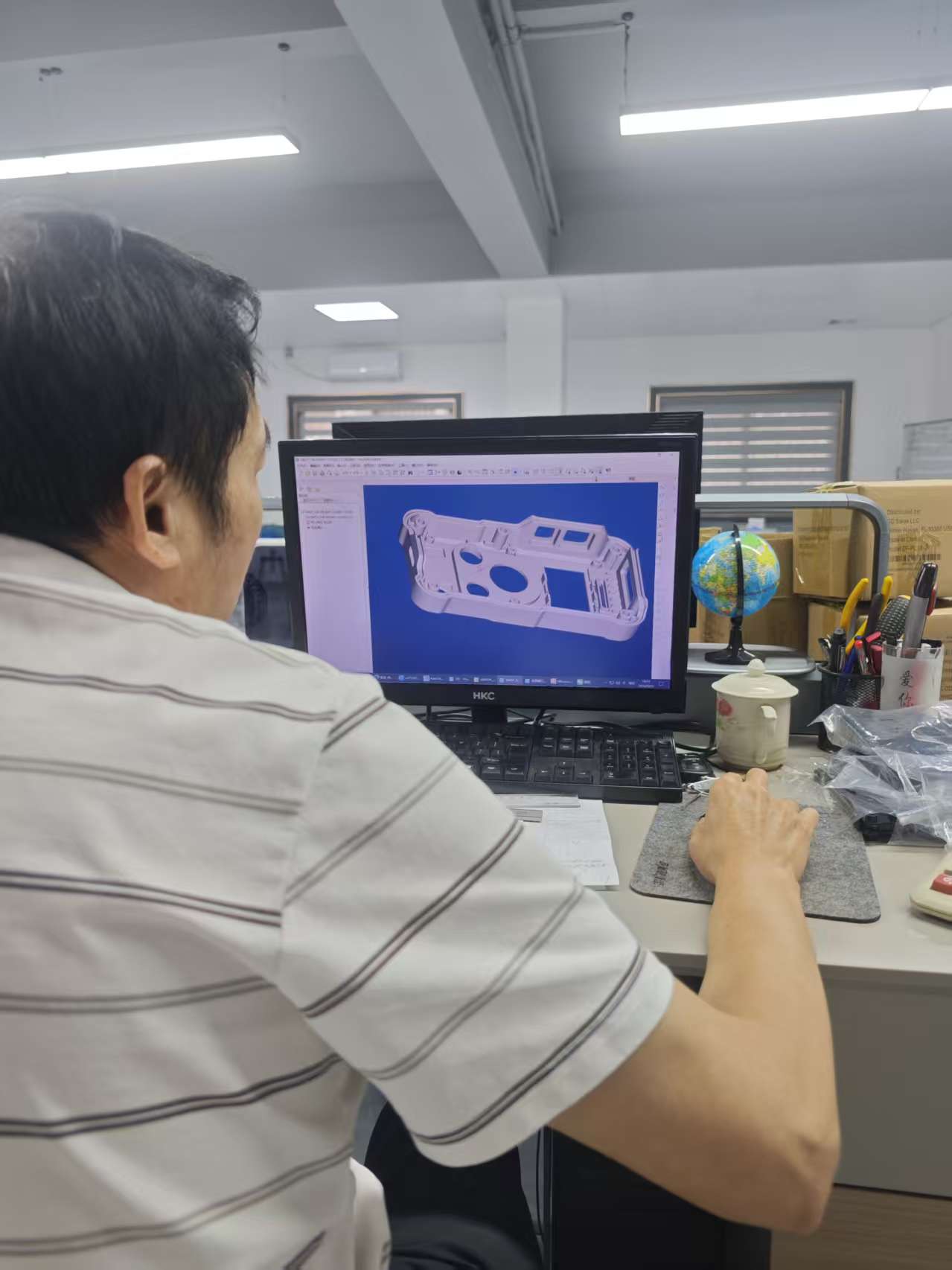
1. Understand the Mold Specifications
Understanding the mold specifications thoroughly lays the foundation for all subsequent steps in the packaging and shipping process. Each mold is crafted based on specific dimensions and materials that influence how it should be handled. Key details such as material and complexity significantly impact the choice of packaging.
Material Details:
- Type: The types most commonly used are steel and aluminum, each serving a distinct purpose. Steel molds are typically more robust and provide better resistance to deformation during transit, thereby reducing the risk of damage. Aluminum molds, though lighter, demand a more cautious approach due to their susceptibility to scratches and dents. It's vital to consider the potential for surface oxidation in aluminum, which might require additional protective coatings or packaging.
- Size and Weight: Both dimensions and mass are pivotal; larger and heavier molds necessitate custom packaging solutions such as reinforced wooden crates or metal skids. Understanding these dynamics ensures that the mold is supported and cushioned adequately, minimizing the risk of in-transit damage. Additionally, knowing the precise weight and size assists in planning logistics such as freight class and cost.
- Complexity: Molds displaying intricate designs often require additional cushioning elements like customized foam inserts, which contour precisely to protect delicate features of the mold from impacts and abrasions during shipment. Such features may also require specific handling instructions to avoid any missteps during loading and unloading.
Maintaining an accurate understanding of these specifications allows distributors to select the appropriate packaging materials and methods, tailored to each mold's unique requirements. Distributors should always keep a file containing all necessary specifications to share with transport and logistics partners as needed.
2. Select Appropriate Packaging Materials
After comprehending the specific requirements of the mold, the next step involves choosing the right packaging materials that ensure the integrity of the mold during the journey.
- Foam Inserts: These are crucial for providing customized cushioning, particularly for sections of the mold that incorporate fine details or are prone to physical stress. Foam density varies depending on the weight and resilience of the mold material; hence, selecting the correct type of foam is essential. Additionally, anti-static foam might be recommended for electronic part molds to prevent static-induced damage.
- Wooden Crates: Frequently used due to their sturdiness and ability to absorb shock, these crates should be constructed based on the mold's weight and fragility. Standard crate designs often incorporate internal braces and cushioning to immobilize the mold during transit. Treatment of the wood for pests and compliance with ISPM 15 marking is necessary for international shipments.
- Pallets and Securing Straps: Pallets provide a base that ensures stability, preventing the mold from shifting. An appropriately sized pallet combined with industrial-grade straps not only facilitates safer handling and stacking but also prevents movement by securing the mold tightly on its base. Such precautions help in maintaining structural integrity throughout the journey.
The objective is to create a tailored packaging solution that prevents mechanical damage while in transit. Understanding and specifying the right packaging materials is crucial; doing so reduces risk and ensures the mold's arrival in pristine condition.
3. Ensure Secure Transport
The packing material chosen is only as effective as the transport solution utilized. Proper transport arrangements are the backbone of a successful shipping operation.
- Route Planning: Effective route planning minimizes the exposure to handling transfers and environmental conditions that could compromise the mold. Identifying and mitigating risks associated with transportation, such as rough roads or harsh weather conditions, is an integral part of a robust logistics strategy. Additionally, considering transportation infrastructure en route can inform decisions regarding transit times and potential hazards.
- Transportation Modes: Selecting the correct mode of transport is critical. Air freight, though more expensive, may be suitable for time-sensitive deliveries, while ocean freight offers cost savings but requires extensive protective measures against moisture and salt conditions. Road and rail offer middle-ground solutions but necessitate shock-absorptive measures. Each choice needs balance against factors like distance, cost, and time sensitivity.
- Tilt and Shock Monitors: Installing tilt and shock monitors provides real-time data on the orientation and condition of the package. These devices are pivotal in detecting handling errors or vibrations that could lead to damage, thus offering an added level of protection through careful monitoring. Reading these monitors' data can offer insights into the handling processes, informing future improvements in transport strategies.
When these elements are efficiently managed, they effectively complement the packing material choices and help mitigate the risks inherent in shipping, leading to a reduction in potential losses and ensuring delivery success.
4. Verify Documentation and Compliance
Precise documentation and compliance verification are non-negotiable elements in international shipping, directly influencing both efficiency and legality.
- Shipping Documentation: This includes manifests, packing lists, and labels. Ensuring all customs documentation accurately reflects the shipment details ensures a smoother passage through checkpoints, reducing delays. Accurate labeling with Change Control Procedures (CCP) aids traceability along the shipping route, essential for identifying all stakeholders involved.
- Regulatory Compliance: Understanding and adhering to regulations such as International Maritime Dangerous Goods (IMDG) code requirements or air transport norms is vital. In some cases, special documentation is required for molds containing specific materials or those bound for particular destinations. Distributed ledger technologies like blockchain are increasingly used to authenticate these processes, providing a secure document trail.
- Insurance Documents: Securing a suitable insurance policy that covers possible transit risks, including loss and damage, is a prudent step when shipping high-value items like molds. Verified compliance not only streamlines customs processes but also provides peace of mind by reducing the likelihood of unexpected disruptions.
These checks ensure that the shipment adheres to all necessary legal requirements, preventing any legal entanglements or financial penalties.
5. Inspection Before Dispatch
Before any mold leaves for its destination, rigorous inspection ensures that all packing guidelines have been meticulously followed.
- Final Review: This step involves a detailed review of both the mold and its packaging to confirm alignment with specified guidelines. Assessors should verify the structural integrity of crate attachments and cushioning before dispatch. Documenting observations through photographic evidence can be instrumental in maintaining quality assurance.
- Defect Identification: Visual inspections check for signs of wear or damage that might have occurred during packing. Additionally, inspectors should confirm that all labeling is correct and properly affixed. The inspector should carry out a checklist-based verification to ensure all parameters meet the outlined specifications.
- Compliance Check: Verify that all necessary documentation is complete and attached, and that the mold complies with the specified shipment regulations. Cross-referencing these with international shipping norms can prevent penalties in case of inspections.
Such comprehensive reviews are pivotal in safeguarding against unexpected errors or damages prior to shipment, ensuring the shipment's prepared condition aligns with all planned specifications.
6. Regular Communication with Logistics Partners
Maintaining open lines of communication with logistics partners is crucial to seamlessly coordinate mold shipments.
- System Updates: Utilizing advanced tracking systems that provide real-time updates allows for precise monitoring of the mold's location, facilitating immediate responses to any unforeseen issues during transit. Furthermore, GPS-enabled tracking improves accuracy in real-time monitoring from departure to destination.
- Handling Instructions: Clear and detailed instructions conveyed to logistics partners at every stage of the process reduce handling errors. This includes specifications on loading, unloading, and potential adjustments based on transit feedback. Using digital platforms for these communications can lead to more efficient execution of tasks and faster resolution of issues.
- Feedback Loops: Establishing feedback mechanisms with logistics partners ensures ongoing process improvements and reality checks on logistics procedures. This continuous dialogue aids in refining shipping practices to achieve higher accuracy and efficiency. Feedback should be structured to focus on various aspects of shipping, encouraging a proactive culture among logistics partners.
Such communication frameworks are indispensable in pre-emptively addressing problems that may arise during transit, ensuring smoother operations and improved delivery timelines.
Spec Table for Mold Packing
| Property | Typical Value | Why It Matters |
|---|---|---|
| Material | Steel, Aluminum | Dictates resistance to transit stress |
| Cushioning | Foam Inserts | Prevents damage from shocks |
| Crate Type | Wooden | Provides structural support |
| Palletization | Required | Stabilizes molds during transport |
| Documentation | Complete Set | Ensures compliance and smooth transit |
| Labeling | Clearly Marked | Assists in identification and tracking |
FAQ
Q1: What materials should the packaging include?
Foam inserts and wooden crates are integral to secure customized cushioning in shipping, minimizing risks of damage. These materials provide protection against impact and vibration during transport, ensuring that molds arrive in pristine condition. Furthermore, for electronic components, anti-static features might be required to prevent static damage.
Q2: How can transportation damage be prevented?
To prevent transportation damage, use heavy-duty securing straps and tilt monitors to maintain alignment and stability during transit. Monitoring equipment ensures the molds remain in their intended positions, safeguarding against misalignment and potential structural compromise. Incorporating shock absorbers and handling guidelines can further reduce risk.
Q3: What documentation is required for international shipments?
International shipments require precise shipping labels, invoices, insurance documentation, and regulatory compliance certificates. Accurate documentation is pivotal for customs clearance and avoids legal issues or delays, ensuring that shipments proceed smoothly across borders. Utilizing digital document management systems can enhance the efficiency of these processes.
Closing
Each step in the packing and shipping process carries its unique set of specifications. For distributors, ensuring these are meticulously met can mean the difference between a successful shipment and costly damages. Considering these aspects, have you evaluated where your current process might still have gaps? Identifying these areas is crucial for proactive improvements. Think about whether your data tracking accurately aligns with your inventory system or if additional integration could enhance your logistics strategy. Such evaluations could provide significant long-term benefits by further streamlining your operations and potentially reducing costs.