When a U.S.-based automotive company approached us, Yiot Technology Co., Ltd., they were struggling with inconsistency in the dimensions of their injection-molded components. Their previous supplier had failed to keep tight tolerances, leading to parts that either did not fit properly or caused assembly issues. In such scenarios, choosing a reliable precision injection molding supplier becomes crucial.
Identifying the Initial Problem
The automotive company was facing significant losses due to parts with dimensions outside specified tolerances. These components were designed for safety-critical applications, where even slight deviations could lead to product recalls. Companies often design parts with tight tolerances to ensure compatibility across all components. This means that if one part doesn't fit as intended, the entire assembly process can be disrupted.
One root cause of the issue was attributed to the previous supplier's lack of a robust quality management system. Without an ISO 9001:2015 certification, the former supplier could not guarantee consistent quality over large production runs, thereby affecting the parts' fit and function. Moreover, the absence of routine dimensional inspections meant that deviations went unnoticed until the parts reached assembly. This oversight resulted in costly rework and delays. In the competitive automotive industry, such oversights can quickly lead to loss of customer trust and diminished market share.
Notable Specifications for Quality Control
| Specification Aspect | Description |
|---|---|
| Material Verification | Regular audits |
| Inspection Technique | CMM utilized |
| Certification | ISO 9001:2015 |
Identifying and addressing these problems early on is essential, especially in industries like automotive, where safety and reliability are paramount. By proactively managing quality assurance processes, manufacturers can safeguard against potential production disruptions far ahead of time.
Assessing What Was at Stake
For the automotive company, the stakes were high. Consequences included delayed product launches and potential loss of customer trust. Such delays can ripple through the supply chain, affecting retailer schedules and ultimately customer satisfaction. Additionally, the costs involved were not limited to just the defective parts. Reworking components and handling returns require resources, both financial and human, which can otherwise be allocated more efficiently.
Furthermore, the failing parts posed a risk to safety. Safety-critical components require an even higher degree of precision. These parts, when deficient, could lead to catastrophic failures. In fields like automotive manufacturing, a recall can have profound financial and reputational consequences. Therefore, the need to remedy the situation was not just an operational necessity but a strategic imperative.
Strategic Risk Management Considerations
Another aspect was the potential for increased liability. Should any of these parts fail in service, the company might be exposed to legal actions, impacting insurance premiums and increasing compliance costs. By addressing these issues promptly, the company aimed to mitigate legal and financial pitfalls. The pressure to adhere to stringent automotive industry standards is ever-present, where a single part's failure could lead to severe repercussions throughout the supply chain.
Implementing Effective Solutions
To address these challenges, we conducted a thorough analysis of their mold design and material specifications. We began with a Design for Manufacturability (DFM) assessment, identifying potential trouble spots and redesigning aspects of the mold that could lead to shrinkage and warpage issues.
Our team utilized CNC machining for precise milling of mold components, ensuring tight tolerances. With CNC technology, we can maintain exact specifications throughout repeated runs, preventing variances from affecting the end product. The integration of advanced software with CNC machinery allows for enhanced control and precision, limiting the margin of error to a minimum.
To further ensure precision, we also used advanced EDM (Electrical Discharge Machining) techniques. This method allowed us to carve very intricate patterns into the mold’s surface without compromising accuracy. EDM is particularly well-suited for handling challenging geometries and materials that might be problematic for conventional milling machines. This versatility is crucial when dealing with complex part designs that demand high precision and consistency.
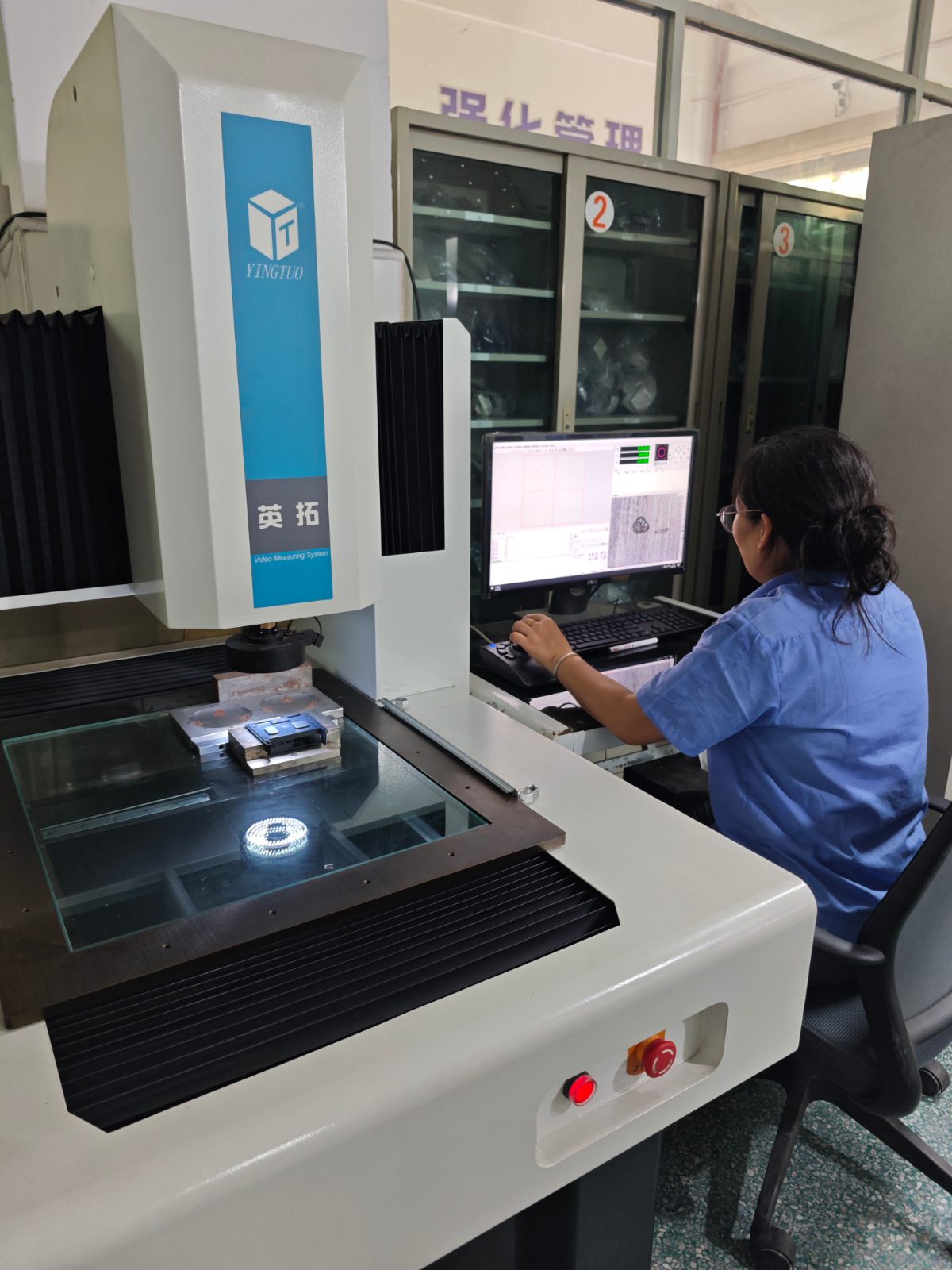
Finally, we implemented a comprehensive dimensional inspection process for each batch using high-resolution coordinate measuring machines (CMM) to verify that the parts met the required specifications. Regular CMM inspections are paramount as they capture and document each part's conformance to design standards. The importance of CMMs in maintaining precision, especially in high-stakes industries, cannot be understated. Ensuring every part meets stringent criteria before proceeding to full production is a critical step in maintaining high-quality standards.
Achieving Measurable Success
Additionally, our precise mold production processes enhanced the aesthetic quality of the parts. Improved surface finishes now meet demanding automotive standards, eliminating blemishes that would detract from the component’s final appearance. This also leads to increased customer satisfaction, as the end products not only function well but present visually without flaws. The aesthetic appeal of high-quality parts serves as both a functional and marketing advantage in the competitive automotive sector, where customer perception can significantly influence brand reputation and future sales.
Lessons for Selecting the Right Supplier
If you're in a similar position, evaluating potential suppliers against a few critical benchmarks can prevent costly issues. Firstly, verify their adherence to quality certifications such as ISO 9001:2015. Genuine commitment to quality becomes evident in their willingness to adhere to internationally recognized standards. Next, assess their technological capabilities — do they leverage CNC and EDM machining, and offer DFM services? Suppliers with such capabilities are often more adaptive to complex designs and can troubleshoot potential issues at the outset.
Lastly, ensure their quality assurance processes include dimensional inspections with reliable CMM technology. As many in the molding sector recognize, consistent accuracy in dimensions builds a reputation for excellence that goes beyond just meeting a technical requirement. It affects overall business resilience and customer satisfaction.
Enhancing Supplier Selection Strategies
Besides technical capabilities, it's valuable to evaluate the supplier's communication efficiency. Open communication channels allow for rapid information sharing, which can expedite decision-making and refine problem-solving methodologies. Establishing rapport with your supplier enables you to align seamlessly on business goals and expectations. Additionally, investigating a supplier’s past performance through case studies or client testimonials can provide insight into their reliability and expertise in handling similar projects.
Evaluation Procedure: Precision Molding Supplier Checklist
- Verify Certification: Ensure your supplier holds an ISO 9001:2015 certification for quality management.
- Assess Technological Capabilities: Check if they utilize CNC and EDM machining for precision.
- Request DFM Analysis: Confirm that they provide Design for Manufacturability assessments to preemptively identify potential issues.
- Inspect QA Process: Ensure their Quality Assurance includes rigorous dimensional checks with CMM.
- Review Supplier Communication: Assess their responsiveness and clarity of communication.
- Analyze Past Projects: Request case studies or references to understand their experience with similar projects.
- Inspect Sample Components: Obtain and evaluate sample components to inspect for quality and adherence to specified tolerances.
Following this checklist enables you to make a well-informed decision, minimizing the risk of production issues. It’s also wise to conduct periodic assessments of suppliers to ensure sustained compliance and reliability.
Frequently Asked Questions
What factors should I consider when selecting a precision injection molding supplier?
When selecting a supplier, consider their technological capabilities, quality certifications, and the comprehensiveness of their quality assurance processes. Additionally, ensure they have a proven track record in handling projects similar to yours. Ask for case studies or references to gauge their experience and reliability in dealing with complex or innovative designs.
How can CNC and EDM machining improve precision in injection molding?
CNC and EDM machining allow the manufacture of complex molds with high accuracy, ensuring tighter tolerances and better part consistency. These methods are adept at crafting intricate details and maintaining precision across batch production, reducing error rates significantly. They provide the precision and flexibility needed to handle intricate and demanding designs typical in high-stakes industries.
Why is Dimensional Inspection important in injection molding?
Dimensional inspection ensures each part produced meets the required specifications, critical for maintaining quality in applications where precision is crucial. Consistent inspections prevent deviations that may lead to component failure, especially in tight tolerance applications. This proactive approach helps in identifying discrepancies early to avoid larger scale production issues and recalls.
Minimize your production risks by sending us your project specifications or samples. Our team at Yiot Technology Co., Ltd. can provide you with a detailed analysis, pinpointing what solutions will ensure your components are molded to perfection.