Many believe that using custom molds for automotive parts is a guaranteed way to cut production costs. In reality, the picture is more nuanced. While custom molds provide precise fits and reduce waste, they involve significant upfront investments in design and tooling. Companies like Yiot Technology Co., Ltd. specialize in designing efficient molds that align with specific production goals, yet the true cost savings can depend on factors like production volume and material choice. It’s crucial to balance initial costs against potential savings to make informed decisions on mold investments.
Key takeaways
- The belief that custom molds for automotive parts inherently reduce production costs stems from the traditional application of economies of scale.
- The initial design and tooling setup for custom molds in the automotive sector undeniably involve substantial expenses.
- Not every custom mold is a perfect fit for the intended production line.
- Economies of scale are pivotal when assessing the financial impact of custom molds for automotive parts.
- The assumption that reducing costs in custom molds for automotive parts inherently leads to compromised quality is a misconception.
The Roots of the Cost-Saving Belief
The belief that custom molds for automotive parts inherently reduce production costs stems from the traditional application of economies of scale.
Historically, manufacturers have seen lower costs per unit when scaling up production, as the initial investment in tooling gets amortized across a large volume of parts. This principle has been widely accepted in the manufacturing sector, leading to a general perception that custom molds automatically deliver savings over time.
However, a key misunderstanding often arises between initial costs and long-term savings. The upfront expense of designing and producing a custom mold can be substantial, often involving sophisticated CNC machining or EDM processes. These initial costs can eclipse short-term budgets, but the promise of long-term savings through efficient high-volume production continues to fuel the myth.
Historical success stories also play a role in fortifying these beliefs. In previous decades, numerous companies have achieved significant cost reductions by implementing custom molds tailored to their production lines. Such success stories, heavily circulated within the industry, have led to a somewhat idealized view of custom molds as a turnkey solution for reducing costs universally.
Furthermore, industry trends and practices have set expectations. There is often an assumption that because custom molds have driven down costs in specific instances, this outcome is the norm for all applications. This perspective overlooks the variability in cost dynamics due to factors like part complexity and material selection, which can significantly influence the viability and cost-effectiveness of custom molds for automotive parts. Understanding these nuances is critical for businesses to make informed decisions about their production investments.”
Fact: Design and Tooling Costs Are Significant
The initial design and tooling setup for custom molds in the automotive sector undeniably involve substantial expenses.
Designing custom molds requires comprehensive consideration of both the component design and the production requirements. The process begins with meticulous planning, which is essential to avoid costly alterations later in the production cycle.
Tool making for custom molds incorporates advanced CNC machining and Electrical Discharge Machining (EDM) processes, both of which are critical for achieving the precise tolerances and complex geometries demanded by automotive components. CNC machining allows for the detailed shaping of the mold, offering high accuracy and a fine finish, while EDM excels in crafting intricate features and cavities. Consequently, these precision-focused processes contribute significantly to initial costs.
Additionally, high precision and custom features, such as undercuts or complex cooling systems, invariably drive up these costs further. The complexity of the part being molded plays a major role; intricate designs increase the necessary sophistication of the mold, thereby increasing manufacturing expenses. Furthermore, considerations such as draft angles, parting lines, and gating must be optimized to prevent defects, adding another layer of complexity.
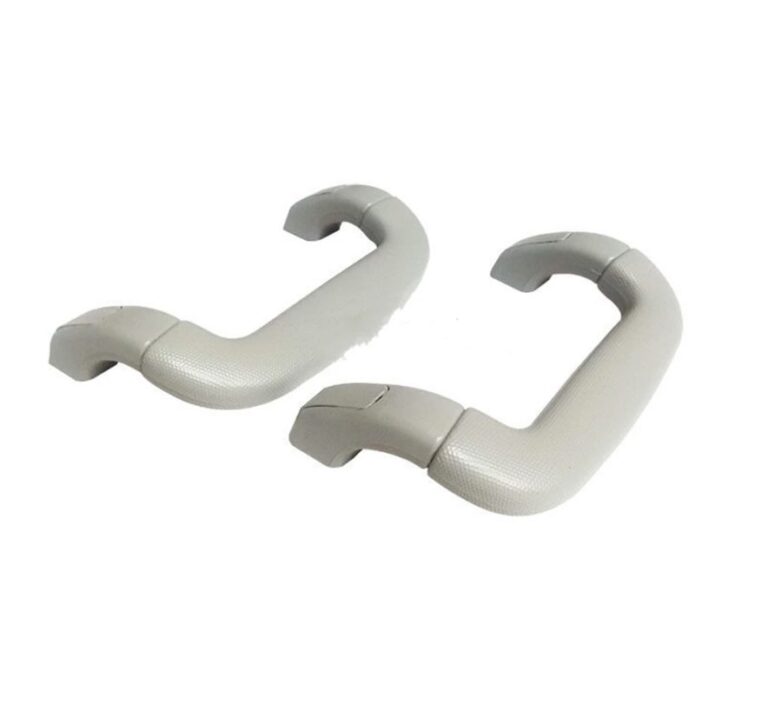
The choice of resin type can also notably influence the overall expense of mold production. Engineering plastics, for their specific properties, often require precision molds that can withstand high temperatures, thus escalating the cost. Similarly, the mold’s cavity surface must often be finished to a specific grade depending on the resin’s characteristics, demanding additional time and expense.
As these factors underscore, the upfront costs of custom injection molds for automotive components are substantial but necessary for ensuring durability and performance. Understanding the interplay of these factors with design intent is crucial for efficient resource allocation. For more details on our capabilities, see our Custom Injection Molds for Plastic Automotive Components.
Myth: All Custom Molds Guarantee Efficiency
Not every custom mold is a perfect fit for the intended production line.
When molds are incompatible, they may cause inefficiencies by disrupting workflow or leading to increased waste through improper part formation. Customization must be focused on aligning with specific production requirements rather than general preferences.
For optimal results, it’s crucial to ensure that the mold design considers key production variables such as injection pressure and cycle time. Oversights in these areas may result in defects or stalled production, negating perceived efficiency gains. Recognizing that each production line has unique demands is critical — from the plastic material used to the intricacies of part geometry, the mold design must be tailor-fit to these nuances.
Conducting a detailed Design for Manufacturability (DFM) analysis upfront is an effective strategy to highlight potential mismatches before the mold’s production. This analysis should involve testing different mold configurations against the intended production setup to anticipate challenges. Such diligence can prevent costly setbacks and optimize the entire manufacturing process.
Optimizing Custom Mold Use
| Production Line Compatibility | Expected Efficiency Gains | Potential Issues | Verification Methods |
|---|---|---|---|
| High | 15-30% | Misaligned tolerances | DFM analysis and cycle testing |
| Medium | 5-10% | Timing inconsistencies | Simulation of injection cycles |
| Low | Negligible | Part ejection failure | Real-time production monitoring |
| High | 20% | Surface defects | Inspection of first-run samples |
| Medium-High | 10-20% | Material shrinkage | Cross-checking material specs |
The tables can often assist in understanding the implications of a custom mold choice. By cross-referencing production compatibility and potential efficiency gains with possible issues and verification methods, buyers can make informed decisions tailored to their specific production line’s needs.
Fact: Volume Determines Cost Benefits
Economies of scale are pivotal when assessing the financial impact of custom molds for automotive parts.
In high-volume production, the per-unit cost significantly decreases, thereby making the investment in custom molds financially worthwhile. When a large number of parts are produced, the initial investment in tooling and design gets amortized over thousands or even millions of units, which drastically reduces the individual cost per item. This is where custom molds shine for manufacturers.
Conversely, for low-volume productions, the economics shift unfavorably. The upfront cost of creating a custom mold is considerable, often involving precise CNC machining and extensive testing. When these expenses are divided across a limited production run, costs per unit can become prohibitively high, potentially negating any cost benefits. Thus, for projects with limited quantities, alternatives like multi-cavity molds might be more cost-effective.
Understanding production volumes is crucial for any comprehensive cost analysis. Decision-makers need to evaluate whether their production scale justifies the initial outlay for custom molds. At Yiot Technology Co., Ltd. — capable of creating custom injection molds for various automotive applications — the expertise lies in assessing these factors to help clients make informed decisions. Recognizing the volume of production orders and how they translate into tooling costs can help businesses leverage economies of scale effectively and make smart investments in custom tooling.
Ultimately, understanding the relationship between production volume and cost distribution is key to optimizing resource allocation and achieving desired financial outcomes in automotive part fabrication.
Myth: Lower Costs Mean Lower Quality
The assumption that reducing costs in custom molds for automotive parts inherently leads to compromised quality is a misconception.
Relying solely on price as an indicator of quality overlooks several critical factors, such as ISO 9001:2015 certification. This certification ensures that a company, like Yiot Technology Co., Ltd., adheres to stringent quality management systems, maintaining consistent quality irrespective of cost considerations.
In addition to quality management systems, material selection plays a pivotal role in balancing cost and quality. The choice of materials, such as polycarbonate or nylon, directly affects the functionality and durability of the molded parts. Selecting the optimal material for a specific automotive application—taking into account wear resistance, thermal stability, and load bearing—ensures that quality is upheld while managing costs efficiently.
Furthermore, effective cost reduction strategies are not merely about cutting expenses; they involve smart choices that maintain part functionality. For instance, optimizing the design to reduce material waste and using advanced CNC machining or EDM techniques can keep production costs in check without sacrificing quality. These approaches highlight the importance of precision in custom injection molds, similar to those used in Precision in Custom Injection Molds for Plastic Air Purifier Parts.
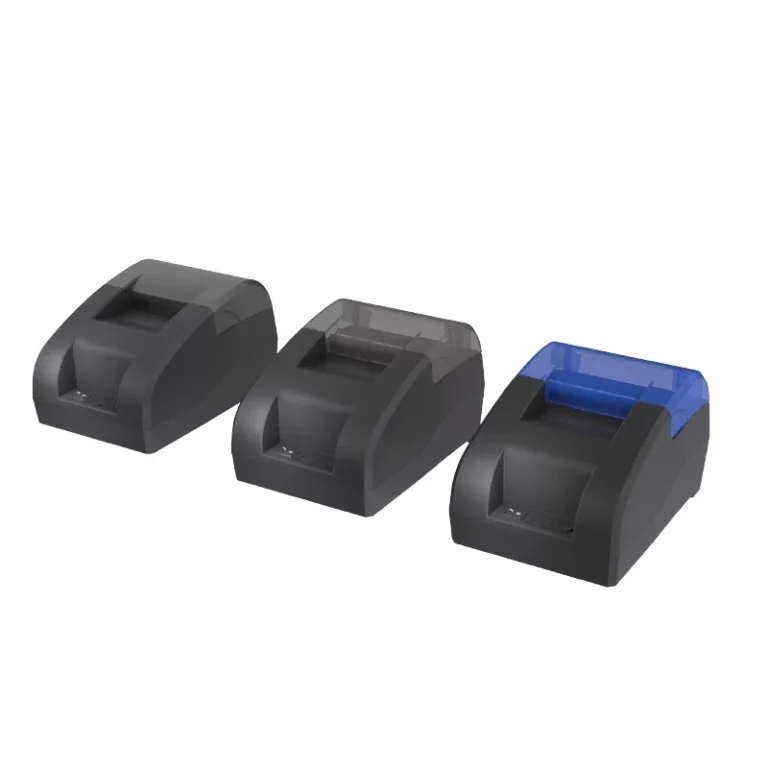
Ultimately, achieving cost efficiency without compromising quality requires a strategic approach that considers every facet, from material selection to precision tooling. By leveraging established quality management practices and focusing on the right materials and processes, manufacturers can deliver high-quality parts while controlling costs effectively.
What to Verify Instead of Assuming
When evaluating options for custom molds tailored for automotive components, it’s essential to thoroughly analyze the distinctive attributes of potential suppliers instead of making generic assumptions.
Begin by examining the supplier’s proficiency and history in design work. Notably, scrutinize their ability to handle intricate molds similar to those required for complex geometries in automotive parts. This examination can reveal the provider’s skill in crafting precisely customized molds that adhere to specific industry standards.
Pay attention to the molding materials and technological tools employed in the manufacturing process. The selection of materials, such as hardened steel or aluminum, plays a vital role in determining the mold’s robustness and the operational lifespan of production runs. It is equally important to assess whether the supplier uses cutting-edge technologies like CNC machining or electrical discharge machining (EDM) to enhance accuracy and optimize the cost-efficiency of the mold creation process.
Another critical factor involves the verification of certifications and adherence to quality benchmarks. Confirm that the supplier holds an ISO 9001:2015 certification, indicating their commitment to maintaining stringent quality management protocols — a cornerstone for achieving high manufacturing standards. While specific industry accreditations such as IATF 16949 may be pertinent for automotive endeavors, it’s advisable to verify any additional standards directly with the supplier.
Ultimately, crafting a comprehensive Request for Quotation (RFQ) is crucial to eliminate assumptions and establish clear communication. This document should articulate specific design criteria, material specifications, and quality standards in detail. By stipulating factors such as precise tolerances, surface finish requirements, and functional characteristics within the RFQ, clients can mitigate the risk of misunderstandings and align the supplier’s capabilities with their project objectives. A well-structured RFQ not only clarifies expectations but also streamlines the quotation process, facilitating more precise and reliable cost projections.
Determining Cost Efficiency for Your Project
Understanding the cost efficiency of using custom molds for automotive parts requires a careful, tailored analysis.
Focus on long-term gains, being cautious not to get swayed by lower initial costs alone. It’s crucial to evaluate potential suppliers on their capacity to achieve your production targets while considering the full scope of your project’s objectives. Consider consulting with suppliers to evaluate your specific needs and project requirements meticulously.
Frequently asked questions
How important is production volume in custom mold cost savings?
Production volume is crucial for justifying the cost of custom molds. High volumes can help spread the initial investment over more units, lowering the cost per part. For low-volume productions, custom mold costs may not be as easily justified.
What factors influence the initial cost of custom molds?
Several factors impact initial costs, including design complexity, tooling materials, and precision requirements. Material choice and production scale also play significant roles in the overall cost. Understanding these elements helps in making informed decisions.
How can I verify a supplier’s mold quality?
To verify mold quality, review the supplier’s past projects, ensure they have robust quality management systems, and request detailed design proposals. A comprehensive design-for-manufacturing (DFM) analysis can identify potential quality issues early on.
Request a project review
Send the 3D model, 2D drawing, material requirements, annual volume and critical dimensions. The team will identify open technical questions before tooling is quoted.