The day started with a lineup of finished air purifier enclosures on our workbench. Each part had undergone rigorous inspection, reflecting our focus on precision in mold-making — a principle that underpins Yiot Technology Co., Ltd.’s success in crafting custom injection molds for plastic air purifier parts. Notably, this week we dissected the minute differences in wall thickness across a batch, which varied by just 0.2 mm from one part to another. Precision in these molds isn’t merely about fitting parts together; it’s about achieving durability and performance in real-world applications. Consistency here guarantees that every component meets the stringent requirements of today’s air purification systems, ensuring that every filter or enclosure can withstand the operational demands placed upon them. This meticulous approach anchors our reputation for delivering molds that perform under pressure without compromising on quality or efficiency.
Key takeaways
- This week at Yiot Technology Co., Ltd., our team carried out a focused examination of mold components used for plastic air purifier parts.
- In injection molding, wall thickness is key to the structural integrity of plastic air purifier parts.
- Enhanced tool path strategy plays a critical role in precision during the CNC machining of injection mold components.
- In the design and manufacturing of custom injection molds for plastic air purifier parts, we often face decisions about what to change and what to retain in the mold design.
- Precision in mold manufacturing is a linchpin for the quality of the final product.
What we inspected this week

This week at Yiot Technology Co., Ltd., our team carried out a focused examination of mold components used for plastic air purifier parts.
The inspection, aimed at ensuring the highest precision, zeroed in on the consistency of the wall thickness of these complex molds — a discrepancy of up to 0.2 mm was detected. Wall thickness variation like this can significantly impact the overall quality and performance of the molded parts, affecting everything from structural integrity to cooling rates post-injection.
CNC Machining. We employed precision CNC machining as a critical technique in creating these molds. This technology allows us to maintain tight tolerances while machining complex geometries, ensuring all aspects of the parts meet the necessary specifications. The CNC process is particularly adept at managing variations in mold components, reducing the risk of mismatch between the designed and actual dimensions.
Thermal Cycling and Dimensional Accuracy. We executed key tests, including thermal cycling and dimensional accuracy checks, to evaluate the performance and reliability of the molds under various conditions. Thermal cycling tests ensure that molds can withstand repeated temperature fluctuations, which are common during the mold’s operational lifecycle, without suffering warping or stress failures. Additionally, dimensional accuracy tests are conducted to confirm that each feature of the mold aligns with design blueprints.
Surface Finish. Observations also highlighted variances in surface finish, which are critical in achieving not only aesthetic appeal but also functional correctness of the air purifier parts. A smooth surface finish is essential to prevent airflow disruption and ensure optimal performance of the air purifiers. Attention to surface detail during CNC machining contributes to achieving the desired finish, minimizing post-molding surface treatments that could otherwise increase costs.
Overall, our inspection shed light on areas needing attention and affirmed the efficacy of our existing processes in others. The insights gathered reinforce the importance of regular inspection and adjustment to maintain high standards in mold making.
The pivotal detail: wall thickness
In injection molding, wall thickness is key to the structural integrity of plastic air purifier parts.
Variations in wall thickness as minor as 0.2 mm can lead to significant discrepancies in strength and durability. These variations are typically detected here at Yiot Technology Co., Ltd., using advanced inspection equipment calibrated to detect micrometer-level deviations, ensuring uniformity in each batch produced.
The role of CAD in fine-tuning wall thickness cannot be overstated. With CAD software, our engineers input precise thickness targets and simulate stress distributions to identify potential weak points. This software is integral to making minute adjustments pre-production, which helps in predicting cooling rates and potential warping.
Maintaining uniform wall thickness is paramount in injection molding for several reasons. It ensures balanced cooling rates, minimizing differential shrinkage and preventing warping or internal stresses. Each millimeter of thickness directly influences cooling time, which we monitor closely within manufacturing to maintain cycle times without compromising part quality.
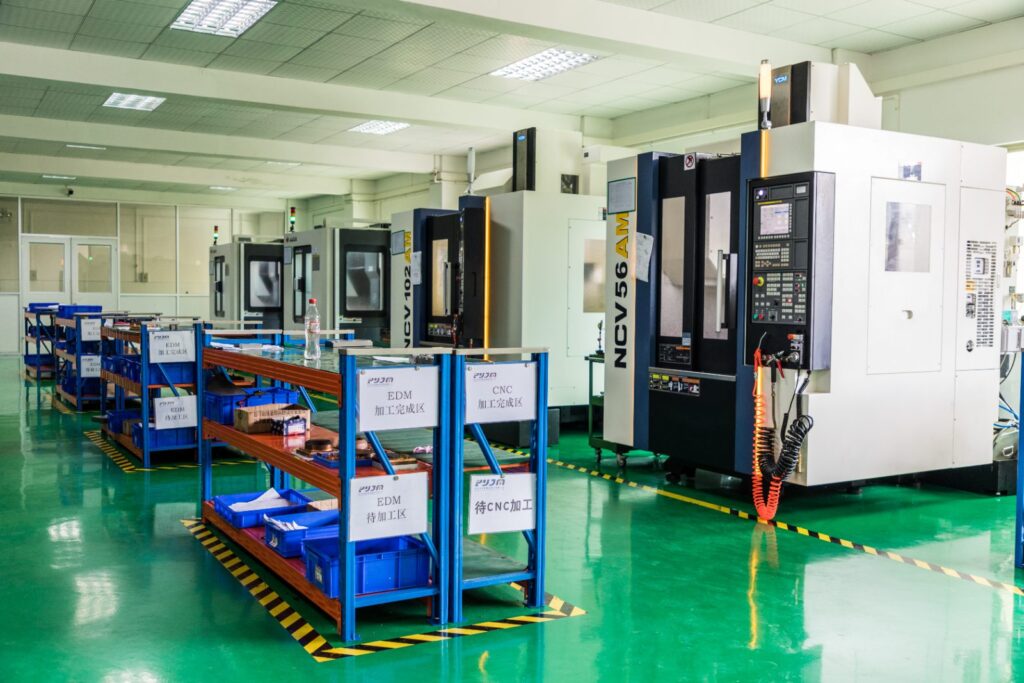
Wall Thickness Impact
| Wall Thickness (mm) | Cooling Time (s) | Structural Integrity | Manufacturing Challenges | Solution Strategies |
|---|---|---|---|---|
| 1.0 | 12 | Low | Risk of warp | Proactive mold design changes |
| 1.5 | 15 | Medium | Balanced cooling needed | Uniform wall maintenance |
| 2.0 | 18 | High | Inconsistent flow possible | Precise temperature control |
| 2.5 | 22 | High | Shrinkage management | Incremental design improvements |
| 3.0 | 30 | Very High | Risk of sink marks | Optimize gate location and size |
The cooling rate correlation to wall thickness is a crucial consideration for ensuring consistent product quality. The greater the thickness, the longer the cooling time required, which directly affects production efficiency. By maintaining a stable temperature and controlling flow within the mold, we reduce the risk of defects such as sink marks or warping, which can compromise the part’s functionality.
Strategies for consistency in wall thickness involve using advanced tool paths during CNC machining and incorporating real-time thermal sensors to adjust the molding parameters dynamically. Such measures ensure that any deviation from the target thickness is corrected swiftly, maintaining the high standards of precision required for air purifier parts.
Changes implemented for better precision
Enhanced tool path strategy plays a critical role in precision during the CNC machining of injection mold components.
By optimizing the tool path to follow the most efficient cutting trajectories, it reduces unnecessary tool movements that can introduce errors. This involves sophisticated CAD/CAM software to simulate and select paths that minimize tool wear and maintain consistent dimensional accuracy. Not only does this approach improve the surface finish, but it also ensures tighter tolerances that are crucial for air purifier parts.
In-process inspection has been integrated to catch deviations early. By employing advanced in-situ sensors, we can detect errors before they escalate. This involves using laser scanning and contact probing methods within the CNC machine, allowing for real-time measurement of the part being machined. Any deviation from the specified dimensions is promptly identified, preventing accumulation of errors that could lead to part rejection.
Real-time adjustments with sensors make this process dynamic and responsive. Equipped with advanced sensors, the system can make micro-adjustments before each machining step, ensuring the tool path remains accurate. These sensors provide continuous feedback on parameters like temperature and vibration, which are critical for maintaining precision in mold manufacturing. This proactive approach greatly reduces the risk of producing non-conformances, thus maintaining high standards in mold fabrication.
Incorporating a feedback loop from quality control ensures that insights gained during the quality assessment are rapidly integrated back into the machining process. We utilize data from our quality control inspections to adjust CNC programs and enhance tool path strategies further. The presence of an effective feedback loop helps in identifying and addressing recurring issues promptly, thus sustaining precision over a long production run.
Updated protocols for mold maintenance play an essential role. Regular maintenance is scheduled based on usage data and performance metrics gathered from the sensor readings. These updated protocols include thorough inspections of critical components such as cooling channels and ejector systems, ensuring they operate within their desired specifications. Ongoing mold maintenance ensures sustained precision, maximizes tool life, and supports consistent product quality.
By implementing these strategies, we continuously enhance the precision of our molds, crucial for applications requiring exact specifications like air purifier components. Interested in these strategies for home appliance parts? Learn more with our Custom Injection Molds for Plastic Home Appliance Parts. These advancements bolster the quality and performance of our molds, ensuring they meet the meticulous demands of today’s manufacturing landscape.
Deliberate decisions: keeping certain elements unchanged
In the design and manufacturing of custom injection molds for plastic air purifier parts, we often face decisions about what to change and what to retain in the mold design.
Certain elements, when left unchanged, can significantly impact consistency, performance, and manufacturing efficiency.
Rationale for Material Stability. Our choice to maintain specific materials within the mold, such as using a fixed-grade tool steel, hinges on factors like reliability and cost management. While newer materials often promise lightweight properties or enhanced strength, the proven durability and predictability of traditional materials can’t be overlooked. This decision minimizes unexpected issues like rapid wearing or thermal expansion discrepancies that can arise from untested materials.
Reliable Geometric Features. Key geometric features, such as ribs and gussets, are often preserved across mold designs. They offer stability and ensure structural integrity under thermal cycling. Although redesigning these features might provide opportunities for innovation, their consistent application means less risk of defects and a shorter validation phase during production.
Trust in Proven Cooling Channels. The layout of cooling channels is another element that remains unchanged for some designs. The decision to maintain a well-established cooling configuration is driven by a deep understanding of cycle time efficiency and heat dissipation rates. Although there could be merits in exploring alternative designs, the potential risk of uneven cooling and associated warpage isn’t advisable given existing successful outcomes.
Innovation Versus Consistency. Balancing innovation with proven reliability means sometimes opting for established methods. In one notable instance, retaining a traditional ejector pin setup effectively reduced potential sticking issues without compromising cycle efficiency. This consistency presents manufacturers with a reliable benchmark for performance, longevity, and quality.
Case Study: Consistent Insert Molding Results. One specific case involved a mold design for an intricate filter housing component. By sticking with our original insert molding process, the resulting parts consistently met stringent filter alignment and flow rate requirements, proving that certain unchanged elements truly provide tangible benefits.
Elements Retained and Reasons
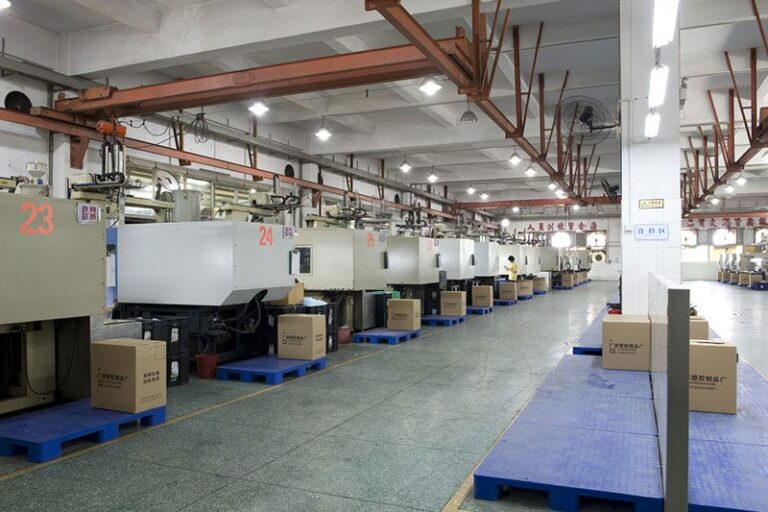
| Element | Reason for Retention | Potential Trade-offs | Associated Cost | Performance Benefits |
|---|---|---|---|---|
| Tool Steel Material | Proven durability, cost efficiency | Limited innovation | Lower per unit | Longevity, predictability |
| Cooling Channel Design | Known efficiency, consistent cycle times | Possible improved cooling | Maintained | Consistent heat dissipation |
| Geometric Ribs | Structural integrity, stability during cycles | Design constraints | Initial mold cost | Reduced defect rates |
| Ejector Pin Setup | Reduced sticking, faultless ejection | Increased complexity | Setup cost | Reliable operation, fewer stoppages |
| Insert Molding Process | Consistent filter alignment | Restricted design flexibility | Lower iterative costs | Precise component alignment |
By deliberately maintaining these elements, we uphold a level of product consistency and reliability that supports efficient manufacturing while balancing cost and innovation.
Buyer insights from our experience
Precision in mold manufacturing is a linchpin for the quality of the final product.
In air purifiers, where efficiency relies heavily on the seamless fit and function of part assemblies, even a minor variation in mold precision can cascade into significant performance issues. A difference of just 0.1 mm could lead to air leaks, noise, or reduced effectiveness in filtering pollutants.
Mold precision. It’s crucial for buyers to ask about tolerance levels and how the supplier ensures consistency across multiple production runs. Precision levels typically fall within the range of ±0.05 mm for critical components in air purifiers, but always verify these figures directly with potential suppliers. Discrepancies not only affect product quality but can lead to costly recalls and modifications if the issue widens during full-scale production.
Cost implications. Precision impacts not only the quality but also the cost and timeline of mold development. Higher precision tooling may initially seem more expensive, but it reduces waste and rework, ultimately lowering total project costs. Understanding how a supplier’s precision capabilities can shave days off the development cycle is key — efficiency in these stages often translates into competitive market advantages.
Supplier transparency. Ask suppliers specific questions about their precision capabilities: What equipment do they use? How do they validate precision during production? A supplier like YIOT, with notable transparency in its communications, can provide clear answers. They could explain, for instance, how they integrate CNC machining tools to achieve intricate mold details, which assures buyers of consistent production quality.
Partnering with YIOT. Engaging with YIOT ensures a commitment to precision from the outset. With extensive CNC capabilities, YIOT can maintain rigorous standards that align with ISO 9001:2015, ensuring each mold meets stringent quality benchmarks. This control system over the production process exemplifies their ability to consistently deliver precise Custom Injection Molds for Plastic Air Purifier Parts.
In summary, understanding precision, its costs, and the transparency of your supplier’s processes significantly influences your project’s outcome. Partnering with a transparent and precise supplier like YIOT can lead to enhanced product performance and reliability in the field.
Key metrics in achieving precision
In the domain of custom injection molds for plastic air purifier components, precision is non-negotiable.
Achieving this level of precision relies on a plethora of stringent quality checks and meticulous adherence to standards. Central to these are standard measurement processes, and the use of precision measurement tools.
Wall thickness. A pivotal check involves ensuring consistent wall thickness within a tolerance range as narrow as ±0.1 mm in critical areas. This requires specialized tools like calipers and Coordinate Measuring Machines (CMMs) to achieve the desired precision. Maintaining precise wall thickness aids in consistent dimensional stability and improves part performance.
ISO 9001:2015 guidance. The inclusion of ISO 9001:2015 guidelines within quality management underscores the systematic approach to quality. These guidelines ensure each metric is actionable and aligns with global standards, fostering an environment of continuous improvement and accountability in manufacturing processes.
Precision measurement tools. Essential tools such as laser scanners and CMMs offer heightened accuracy in on-floor verifications and are indispensable for affirming dimensions. Employing these tools helps in maintaining compliance with design specifications and identifies deviations early in the process, minimizing costly reworks.
Understanding tolerances. Tolerance is a crucial concept in mold design. For instance, controlling cumulative tolerances across multiple part features can prevent misalignments. Typically, YIOT adheres to industry-standard practices, ensuring comprehensive precision throughout manufacturing.
Documentation importance. Documenting precision practices is crucial for maintaining legacy molds and facilitating seamless interactions between engineering teams. Comprehensive records establish repeatability and transparency, which are essential for process optimization and future audits.
Precision Metrics Overview
| Metric | Description | Measurement Tool | Standard Involved | Practical Application |
|---|---|---|---|---|
| Wall Thickness | Consistency in part thickness | Calipers, CMM | NA | Ensures structural integrity |
| Cumulative Tolerance | Total tolerance across features | Micrometers, CMM | ISO 1101 | Prevents misalignments in assembly |
| Dimensional Accuracy | Cross-verification of part dimensions | Laser Scanner, CMM | ISO 14253-1 | Critical for part fitment |
| Surface Finish | Smoothness of part surface | Profilometer | ISO 4287 | Affects aesthetic and functional properties |
| Material Shrinkage Rate | Differential shrinkage control | Shrinkage Gauge | ASTM D955 | Key for retaining part dimensions post-cooling |
In every step, these metrics enable us to uphold high standards of precision in our custom molds for plastic air purifier components, ensuring the final products not only meet but exceed client expectations.
Your checklist for deciding on a mold supplier
Precision capabilities. Before engaging with any mold supplier, ensure they can demonstrate the precision required for your specific needs. Start by asking about the machinery they use—do they utilize high-end CNC machinery for their mold production? Confirm if they implement in-process inspection systems to actively detect and correct deviations during production. Additionally, understanding their protocol for handling thermal cycling and dimensional accuracy can give insights into their capability to maintain precision across different production scales.
Past project successes. Evaluate the supplier’s portfolio of completed projects. References from past successful engagements not only demonstrate their experience but also provide a benchmark for their ability to handle complex designs. Request case studies or detailed examples that highlight their achievements in maintaining tight tolerances, especially for parts that demand high precision. This history can be a strong indicator of the supplier’s consistency in delivering quality and precision.
Cost and quality balance. Understanding where you stand financially compared to the precision you require is crucial. Ask the supplier to break down the cost relative to tooling quality — often, there’s a direct correlation. Evaluate if their price point is justified by their claimed precision capabilities. It’s worth questioning how they balance cost efficiency with quality without cutting corners that could jeopardize the integrity of your parts.
Consistent communication. A reliable supplier maintains open lines of communication throughout the project. Confirm the steps they take to ensure this consistency. Do they have a dedicated project manager or singular point of contact for you? Frequent updates and prompt responses can prevent small issues from escalating into major problems. Ignoring this can lead to misalignments, especially in understanding precision requirements.
Risks of ignoring precision. Overlooking precision in the supplier selection process can lead to catastrophic outcomes. Inconsistent molds can result in parts with poor dimensional accuracy, leading to compromised product integrity and increased rejection rates. This not only affects production costs but also damages trust and long-term supplier relationships. Ensuring precision from the start acts as a safety net, safeguarding both the functional and aesthetic quality of your plastic components.
These focused assessment points should guide your decision-making, ensuring that your chosen supplier is not only technically capable but also committed to maintaining the precision your project demands.
What this means for your project
When assessing precision for your next project, consider whether the precision of your molds aligns with your exacting specifications.
This directly influences your product’s longevity and performance. Investigate whether your current designs hold up against integrity standards and think about future-proofing by choosing molds that deliver consistent quality. Consider the lifespan and reliability of your components carefully—precision today translates into a resilient, dependable product tomorrow.
Frequently asked questions
How does wall thickness affect the durability of air purifier parts?
Wall thickness directly impacts a part’s structural integrity. Variations can lead to stress concentrations, increasing the risk of failure under load. Consistent wall thickness ensures balanced stress distribution, enhancing the durability of air purifier components.
What should I consider when selecting a mold supplier for precision work?
Look for suppliers with a proven record of manufacturing precision molds, adherence to quality standards like ISO 9001:2015, and the ability to meet your specific tolerance requirements. Supplier transparency about their precision processes and past project successes is also crucial.
How does consistent mold precision affect production timelines?
Consistent mold precision reduces the number of defects and reworks needed, thereby speeding up the production timeline. It ensures that parts fit together as intended, minimizing delays in assembly and increasing overall efficiency.
Request a project review
Send the 3D model, 2D drawing, material requirements, annual volume and critical dimensions. The team will identify open technical questions before tooling is quoted.