Choosing custom plastic injection molds for electronics OEMs in China offers unmatched benefits like cost efficiency, design flexibility, and exceptional precision. With China’s capabilities in tool fabrication and mass production, electronics manufacturers can achieve tolerances as tight as ±0.05 mm, essential for components requiring high precision. Moreover, China provides a competitive cost advantage due to lower labor costs without compromising on quality, thanks to advanced technology and experienced craftsmanship. Companies like Yiot Technology Co., Ltd. embody this advantage, combining ISO 9001:2015 certified processes with custom solutions tailored to specific electronic component needs. This makes China a top choice for OEMs seeking reliable, precise, and economical custom mold solutions.
Key takeaways
- Customization in manufacturing is no longer just a luxury—it’s essential for electronics OEMs setting out to develop precise components for their devices.
- In the competitive world of electronics manufacturing, precision is paramount.
- Lower labor costs in China play a crucial role in providing competitive pricing for custom plastic injection molds for electronics OEMs.
- Balancing speed and quality in custom plastic injection mold production is critical to competitiveness, especially in the fast-paced electronics OEM market.
- When it comes to manufacturing custom plastic injection molds for electronic OEMs, Chinese manufacturers provide a compelling mix of cost efficiency and precision.
The Advantage of Customization in China
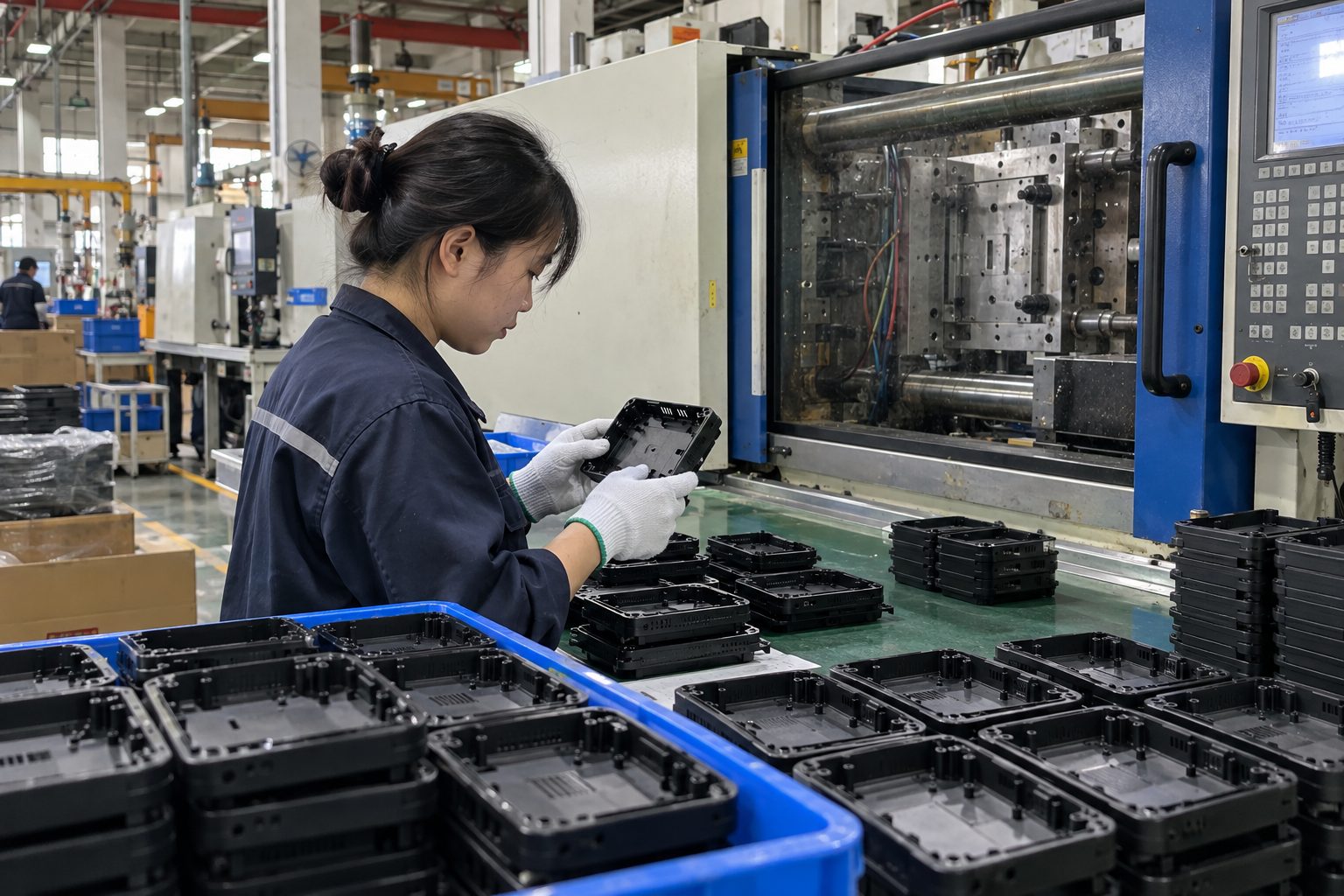
Customization in manufacturing is no longer just a luxury—it’s essential for electronics OEMs setting out to develop precise components for their devices.
Chinese manufacturers, with their wide-ranging capabilities, offer exceptional flexibility in design modifications, making them a preferred choice. This adaptability means that designs can evolve during the tooling and production process, reflecting any necessary changes without significant delays.
Yiot Technology Co., Ltd. leverages Design for Manufacturability (DFM) analysis to its full potential. DFM enables YIOT to optimize designs specifically for production efficiency and quality outcomes. This proactive analysis checks for potential issues before they arise in the production phase, ensuring that parts are molded correctly the first time. The foresight provided by DFM means fewer costly post-production alterations and a smoother transition from prototype to mass production.
Furthermore, customization reduces material waste, a critical aspect of cost management in manufacturing. By tailoring molds to the specific requirements of each electronic component—considering both structural integrity and functionality—Chinese manufacturers like Yiot Technology Co., Ltd. can minimize excess material usage. This approach not only lowers costs but is also environmentally responsible, reducing a company’s ecological footprint.
A collaborative design process with Chinese manufacturers also supports efficient communication channels, allowing OEMs to input design adjustments seamlessly. For electronics, where the minutest of design variations can impact functionality, such collaboration is invaluable. Yiot Technology Co., Ltd., in particular, stands out by consistently providing custom injection molds tailored to precise requirements, underpinning the technical prowess that the electronics industry demands.
Customization Benefits
| Feature | Benefit | Example | Trade-off | Supplier Question |
|---|---|---|---|---|
| Flexible Design Mods. | Adaptability | Changes in electronic circuit dimensions | Possible lead time increase | How quickly can design changes be integrated? |
| DFM Analysis | Reduced Errors | First-pass success on complex components | Requires time for initial setup | What DFM approaches do you use? |
| Material Waste Reduction | Cost Savings | Efficient use of plastics for housings | May limit material choice | How is waste monitored and managed? |
| Collaborative Design | Enhanced Results | Iteration on PCB layout fitting | Potential communication delays | What is the standard procedure for design feedback? |
The process of customization, especially with the aid of sophisticated tools such as DFM analysis, exemplifies how Chinese suppliers like YIOT have positioned themselves to meet the dynamic demands of the electronics market. Through close collaboration and technology-backed processes, they ensure that each injection mold aligns perfectly with the OEM’s vision, meeting both performance and cost objectives.
For more detailed guidance on how custom injection molds can enhance your electronics projects, explore our Custom Injection molds for plastic housings and enclosures for electronics.
Precision That Meets Electronic Standards
In the competitive world of electronics manufacturing, precision is paramount.
Chinese manufacturers have honed their skills to deliver incredibly tight tolerances, often as precise as ±0.05 mm. This level of precision is essential, particularly for small, detailed components found in electronic devices. The demands of producing intricate circuit housings and miniature connectors mean there’s no room for error.
ISO 20457 lays out the recommended tolerances for plastic injection molding, but simply knowing the standard exists isn’t enough. Buyers must verify compliance directly with their suppliers. It is crucial to meet these stringent standards, especially when dealing with high-value electronic assemblies where deviations, even minimal, can lead to functional failures or assembly issues.
Given the large number of manufacturers in China, each with varying degrees of capability, the role of precision cannot be overstated. Ensuring that every batch of components consistently meets precision targets requires robust process controls and a dedication to quality.
Yiot Technology Co., Ltd. exemplifies this precision-driven approach. Through refined manufacturing processes and exacting inspection methods, YIOT ensures that each part adheres to the design specifications exactly. This involves leveraging advanced CNC machining and EDM techniques to produce molds that capture every detail of the customer’s design. These molds form the cornerstone of ensuring final product accuracy.
Monitoring and maintaining such precision is not a one-time event. YIOT employs dimensional inspections on each batch, enabling them to catch discrepancies early and avert costly reworks or scrapped parts. This attention to detail and commitment to precise manufacturing underpins their ability to meet or exceed the requirements for electronic standards.
Precision also transcends beyond dimensional accuracy; it ensures that interchangeable parts operate seamlessly within electronic devices. This level of consistency is what makes Chinese-manufactured molds a preferred choice for OEMs worldwide, eager to combine cost efficiency with unmatched precision.
By maintaining these high standards of precision, electronics manufacturers can confidently turn to Chinese mold makers like Yiot Technology Co., Ltd., knowing that their components will perform reliably time and time again.
Economical Manufacturing Costs
Lower labor costs in China play a crucial role in providing competitive pricing for custom plastic injection molds for electronics OEMs.
Labor expenses, significantly lower compared to Western countries, allow Chinese suppliers like Yiot Technology Co., Ltd. to offer attractive pricing without sacrificing quality. This is especially important for electronics manufacturers looking to maintain cost efficiency across large production runs.
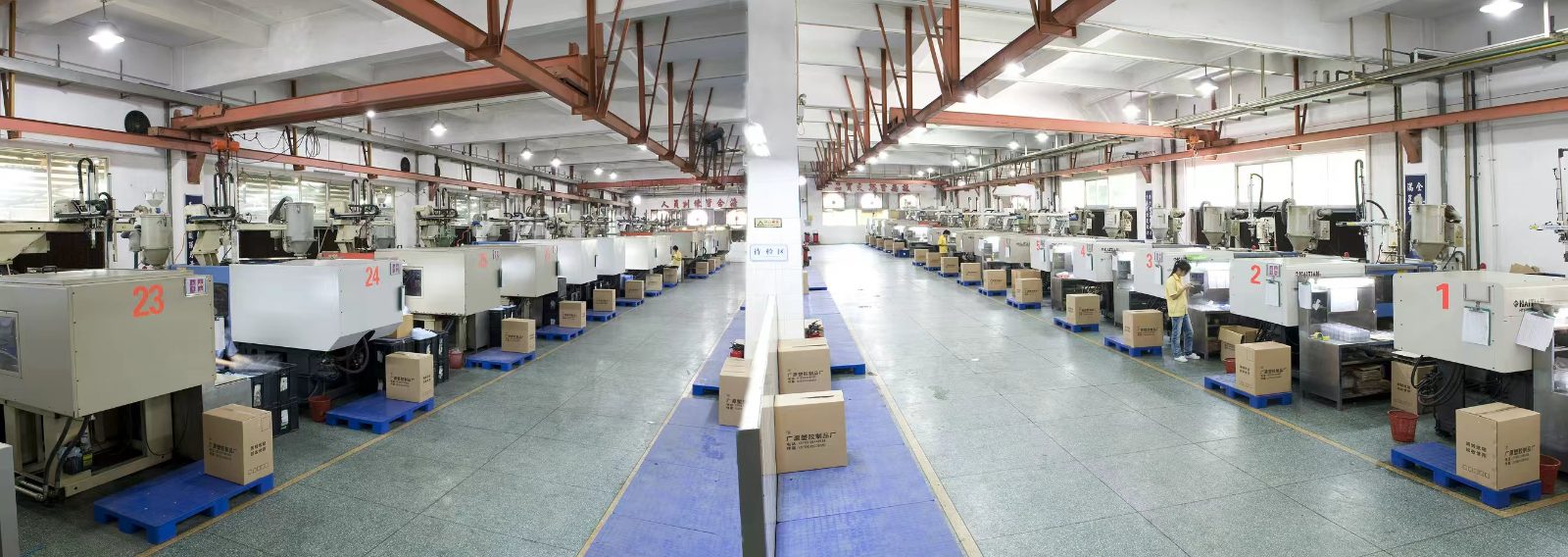
Moreover, Chinese manufacturers possess mass production capabilities that lead to economies of scale, further driving down costs per unit. Large-scale production not only optimizes resource utilization but also spreads fixed costs over more units, reducing the per-unit cost of molds. This scalability ensures that OEMs can meet high-volume orders with reasonable pricing.
While these cost efficiencies are significant, it is pertinent to ensure that quality is not compromised. Advanced technology and stringent quality control measures, like the ISO 9001:2015 certified quality management systems employed by Yiot Technology Co., Ltd., guarantee that despite lower costs, the excellence of electronic components remains intact. Utilizing CNC machining and EDM methods, suppliers efficiently produce high-precision molds, meeting the detailed needs of electronic applications.
However, buyers should consider the potential impact of import duties and taxes in the overall cost equation. Although the production cost in China can be low, the import tariffs and duties in the destination country could affect the total landed cost. It is essential for procurement managers to factor these into their purchasing decisions to ensure accurate cost projections.
Cost Breakdown
| Cost Factor | China Advantage | Challenge | Mitigation | Supplier Inquiry |
|---|---|---|---|---|
| Labor Costs | Lower compared to Western countries | Wage inflation over time | Long-term contracts | “Are labor cost savings sustainable?” |
| Production Scale | Economies of scale through mass production | Oversupply risk during demand fluctuations | Demand forecasting | “How do you manage demand swings?” |
| Technology Investment | High technology adoption maintains quality at low cost | Continuous investment required | Long-term strategic partnerships | “How do you keep technology updated?” |
| Import Duties | Low product cost can offset high shipping/import duties | Fluctuating global tariffs | Tariff analysis and strategic ports | “What are the specific import duties?” |
Through strategic inquiry and partnership, buyers can capitalize on China’s cost advantages while ensuring they align with quality expectations and logistical realities. Careful consideration of these factors can lead to optimal economic outcomes for OEMs seeking custom plastic injection molds in the electronics sector.
Balancing Speed and Quality
Balancing speed and quality in custom plastic injection mold production is critical to competitiveness, especially in the fast-paced electronics OEM market.
Rapid production cycles are achievable thanks to China’s advanced manufacturing technologies and streamlined processes that industries have honed over decades. By leveraging sophisticated equipment such as high-speed CNC machines and modern EDM systems, Chinese manufacturers can significantly reduce cycle times without compromising on detail or precision.
The implementation of ISO 9001:2015 certified quality management systems across facilities, like those utilized by Yiot Technology Co., Ltd., provides a robust framework ensuring consistent quality control at every manufacturing stage. This certification standard mandates regular audits and process optimizations, which directly contribute to maintaining high-quality outcomes. Such a system enables manufacturers to uphold stringent quality benchmarks while navigating the demands of fast production speeds.
Given that lead times in custom plastic injection molding vary with the order size and complexity, flexible scheduling capabilities become a valuable asset. Manufacturers in China often offer adaptable scheduling to accommodate diverse project scales — from small batches to large-scale runs—allowing OEMs to manage their production calendar effectively. Rather than guaranteeing set production timelines across the board, suppliers coordinate schedules based on the exact order specifications, thus providing a more tailored service.
The art of balancing these factors—speed, flexibility, and unwavering quality—is fundamental to sustaining a competitive edge. Rapid production alone cannot fulfill OEM requirements if the resultant parts do not adhere to specified tolerances and quality standards. It is through strategic alignment of advanced processes and robust quality systems that manufacturers can deliver components that meet exacting OEM standards quickly.
Overall, successful management of speed and quality is not merely about having the capability to produce quickly but having the meticulous oversight to ensure each component emerges from the line meeting rigorous specifications. This capability is crucial for OEMs in the electronics industry, where time-to-market and product integrity are paramount.
Comparing Chinese and Other Global Manufacturers
When it comes to manufacturing custom plastic injection molds for electronic OEMs, Chinese manufacturers provide a compelling mix of cost efficiency and precision.
Their production capabilities allow for reduced per-unit costs, partly due to lower labor costs and extensive manufacturing infrastructure. This equation often results in prices for custom injection molds that can be more competitive than those found in the US or Europe, where labor costs are significantly higher. Additionally, Chinese factories have honed their efficiencies through high-volume production which can further decrease costs.
Transitioning to precision, Chinese manufacturers are now frequently matching or even surpassing technological standards set by Western manufacturers. China’s advancements in precision engineering mean they can achieve tight tolerances required for intricate electronic components. Whereas US and European manufacturers have traditionally been associated with higher precision and technological prowess, many Chinese manufacturers have caught up by investing in state-of-the-art equipment and adopting international standards like ISO 9001:2015.
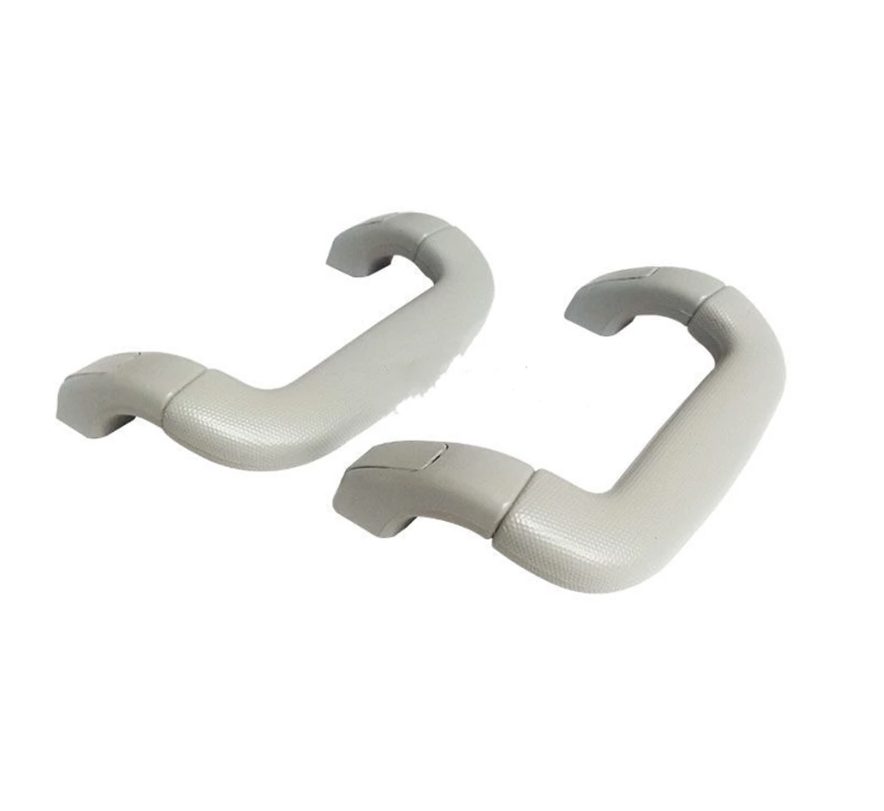
A notable factor helping Chinese manufacturers stand out is their ability to handle rapid prototyping and full-scale production runs with impressive speed. Although American and European manufacturers are frequently bound to longer lead times due to higher operational costs and bureaucratic frameworks, Chinese producers can streamline their processes. Consequently, these efficiencies enable them to deliver completed molds faster in many scenarios, offering an additional advantage for OEMs battling tight production deadlines.
However, there are challenges associated with choosing Chinese manufacturers, particularly in terms of communication. Language barriers and time zone differences can complicate detailed technical exchanges. Therefore, it is essential for OEMs to establish effective communication strategies. Additionally, while cost savings are evident, they must be balanced against these potential obstacles to ensure that delivery timelines and specifications are clearly understood by both parties.
For electronics OEMs evaluating options, these very dynamics play a central role. Opting for a Chinese manufacturer can indeed lead to significant cost reductions without compromising on the molding precision required for high-functioning electronic devices. OEMs should thoroughly assess their supplier’s technology capabilities and previous project successes. Further details on the specialist services offered in this domain may be found on Custom Injection Molds for Plastic Consumer Electronics Enclosures, evidencing Yiot Technology Co., Ltd.’s capabilities in producing meticulously crafted, high-quality molds.
Choosing China: When It’s the Right Fit
For large-scale production runs, China’s cost advantages are hard to beat.
Economical labor costs combined with extensive production capabilities enable OEMs to produce high volumes at competitive prices. For electronics manufacturers, especially those dealing in intricate designs or operating under tight timelines, this value proposition is especially appealing. China’s ability to scale produces a perfect synergy for electronics OEMs aiming to meet rising global demands efficiently.
Flexible Design and Iteration Needs
OEMs that thrive on flexibility and continuous improvement will find China’s manufacturing landscape particularly accommodating. The iterative design process is critical for electronics OEMs where innovations are frequent, and product lifecycles are relatively short. Chinese suppliers, such as Yiot Technology Co., Ltd., offer adaptable production systems that cater to evolving designs. This flexibility supports rapid prototyping and quick modifications, enhancing agility in responding to market trends.
Language and Cultural Considerations
It’s essential to strategize communication effectively when working with Chinese manufacturers. Language and cultural differences can create barriers if not managed well. Employing bilingual staff or consultants familiar with both cultures can help bridge gaps. Establishing clear objectives and utilizing digital platforms for seamless communication ensures smoother interactions. Indeed, many Chinese manufacturers are accustomed to international clients and have systems in place to facilitate clear and effective communication, but proactive planning remains vital.
Ideal for Intricate and Complex Designs
China’s manufacturing prowess extends to producing intricate and highly detailed components, which are indispensable in electronics production. Manufacturers in China leverage advanced machinery and technology capable of handling the precision required for electronic components. From multi-cavity molds to precision injection processes, these capabilities ensure that even the most complex designs can be realized accurately and efficiently.
Suitability Checklist
| Criteria | Ideal Situation | Caution | Example | Supplier Tip |
|---|---|---|---|---|
| Scale of Production | Large volume runs for cost efficiency | Small batches may not see equivalent savings | Consumer electronics components | Focus on large orders for best cost per unit |
| Design Flexibility | Iterative design and frequent updates | Rigid designs can restrict future flexibility | Rapid prototyping for new models | Collaborate early to allow design input and feedback |
| Communication | Established channels and specialists in place | Cultural miscommunications can occur | Bilingual staff or intermediaries | Use bilingual project managers or consultants |
| Complexity in Product Design | High precision for intricate designs | Overcomplexity can increase lead times | Custom electronic housing molds | Clearly define specifications and tolerances with the supplier |
Selecting local partners in China involves striking a balance between cost efficiency and communication effectiveness. When executed well, this partnership can yield significant competitive advantages for electronics OEMs aiming to capitalize on China’s manufacturing strengths.
Common Mistakes in Selecting Mold Suppliers
Selecting a mold supplier for electronics OEMs comes with its set of challenges.
One of the most common pitfalls is not verifying the supplier’s ISO 9001:2015 certification. This oversight can have lasting effects on the quality of the final product. ISO 9001:2015 certification ensures that a supplier maintains a robust quality management system, which underpins consistent product quality and conformity to client specifications. Without this certification, the likelihood of inconsistent results or batch-to-batch variability increases, which becomes especially problematic in the precise world of electronic components.
Additionally, making decisions based solely on price can lead to significant drawbacks in the form of compromised quality and delayed delivery times. While cost is a crucial factor, it should not overshadow other essential aspects like quality assurance, technological capability, and post-delivery support. Choosing the cheapest option often results in cutting corners that might not be evident immediately but can surface in the form of defects or failures, leading to costly reworks and repairs down the line.
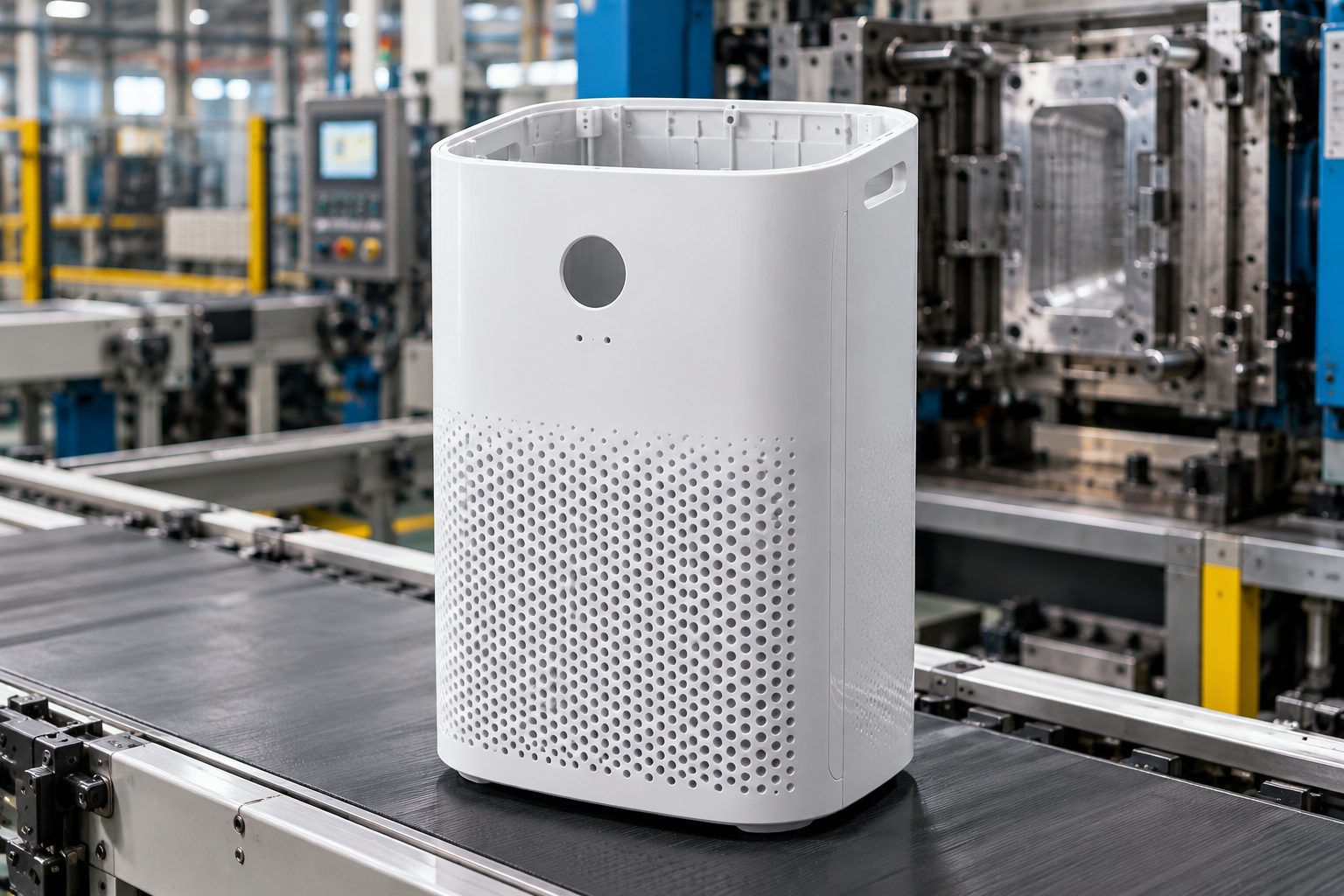
Another frequent mistake OEMs make is failing to specify their tolerance needs adequately. Precision is non-negotiable in electronics manufacturing, given the intricacies of components and assemblies. Tolerance mismatches between the supplier’s capabilities and the customer’s requirements usually end in rework or product failure. It’s vital to clearly communicate and confirm the required tolerances from the onset to avoid these costly and time-consuming issues. This is especially true given that a delay in addressing tolerance issues can cascade into production delays and exceed projected timelines.
Furthermore, overlooking the logistical complexities involved in sourcing custom molds from China can lead to unforeseen expenses and operational hiccups. Logistics encompass not only transportation and delivery but also customs clearance, potential tariffs, and local regulations—all of which can inflate costs if not meticulously planned and coordinated. Being proactive in planning logistics ensures a smoother supply chain and helps manage costs effectively.
Lastly, the choice of supplier should be driven by a comprehensive understanding of their end-to-end capabilities. Vet suppliers thoroughly before committing, considering their track record, area of specialization, and client feedback as quality assurance metrics.
These common mistakes highlight the importance of a well-rounded evaluation when selecting a mold supplier, ensuring that cost, quality, and logistical efficiency are balanced to meet the demands of electronics OEMs.
Why Custom Molds in China Remain a Top Choice
Custom plastic injection molds in China continue to be a preferred option for electronics OEMs due to their unbeatable combination of affordability and precision.
Yiot Technology Co., Ltd. exemplifies how Chinese firms provide tailored solutions for complex electronic component designs, ensuring each mold meets specific requirements. The integration of advanced technology and deep cultural understanding allows for effective partnerships that enhance efficiency and collaboration. As China consistently evolves its technological capabilities, the offerings for electronic component manufacturing continue to improve, maintaining its position as a leader in the field.
Frequently asked questions
How does customization in China benefit electronics OEMs?
Customization in China allows electronics OEMs to design molds that fit precise specifications, reduce material waste, and enhance production efficiency. This leads to tailored solutions that perfectly match the OEM’s functional requirements and design aesthetics.
What are typical tolerances for electronic component molds?
Typical tolerances for electronic component molds, especially in China, can be as tight as ±0.05 mm. Such precision is critical in ensuring the functionality and fit of parts within electronic devices, meeting industry standards and customer specifications.
Request a project review
Send the 3D model, 2D drawing, material requirements, annual volume and critical dimensions. The team will identify open technical questions before tooling is quoted.