In manufacturing, mismatched mold designs can lead to substantial defects in air purifier parts. These inconsistencies may compromise the effectiveness of products, leading to costly production delays. Ensuring precision in mold design is crucial to address these issues beforehand; it promotes uniformity and reliability in each component produced. In a world where consumer demand only sharpens, learning from real-world mishaps about planning precision into injection molds can directly impact the efficiency and quality of production tooling and the products they serve.
Key takeaways
- A client recently approached Yiot Technology Co., Ltd. with a significant issue in their injection molding process for plastic air purifier parts.
- In the fast-paced world of precision manufacturing, the stakes for plastic air purifier parts can be substantial.
- Conducting a Design for Manufacturability (DFM) analysis was our first step, ensuring that the part design was fully compatible with mold manufacturing requirements.
- Achieving a precision level with custom injection molds for plastic air purifier parts is essential, and the results from the revised approach were nothing short of transformative.
- For future success in custom injection molding for plastic air purifier parts, certain elements are non-negotiable.
Buyer Arrives with Inconsistent Mold Dimensions
A client recently approached Yiot Technology Co., Ltd. with a significant issue in their injection molding process for plastic air purifier parts.
The molds they received resulted in parts with dimensions that varied significantly from the specified design. Such dimensional inconsistencies can lead to severe issues in final part assembly and function, risking entire production batches being rejected due to failure to meet specification.
Upon a detailed inspection of the molds, discrepancies were found that traced back to a lack of precise planning during the initial stages of mold design. The root cause was identified as mismatches between the mold’s design and the part’s specified tolerances. These critical variances in dimensions often occur when there is insufficient collaboration between the part designer and the mold maker during the early phases. Failure to align on tolerance limits and critical dimensions can lead to costly and time-consuming errors.
Such inconsistencies not only jeopardized the product’s integrity but also posed a risk of non-compliance with industry standards, which could potentially result in customer dissatisfaction and financial loss. The cost implications of this issue extended beyond just the rejection of parts. Additional expenses were likely incurred from the extra labor required to modify existing molds, alongside the delays this created in the production schedule.
Moreover, the situation highlighted essential gaps in the inspection and planning processes. Regular dimensional inspections could have caught these discrepancies early, allowing for adjustments before moving into full-scale production. Without these checks, the inconsistencies went unnoticed until the parts were already manufactured, underscoring the high stakes involved when precision planning is neglected.
Consequently, this experience stands as a crucial learning point for companies in the injection molding industry, emphasizing the need for rigorous upfront planning and alignment on design specifications to ensure successful mold production.
This case underscores the fundamental importance of establishing detailed design criteria and conducting thorough inspections. Avoiding such pitfalls requires close collaboration between design engineers and manufacturers, ensuring that every dimensional specification aligns with manufacturing capabilities and quality expectations.
Understanding the Stakes: What Was at Risk
In the fast-paced world of precision manufacturing, the stakes for plastic air purifier parts can be substantial.
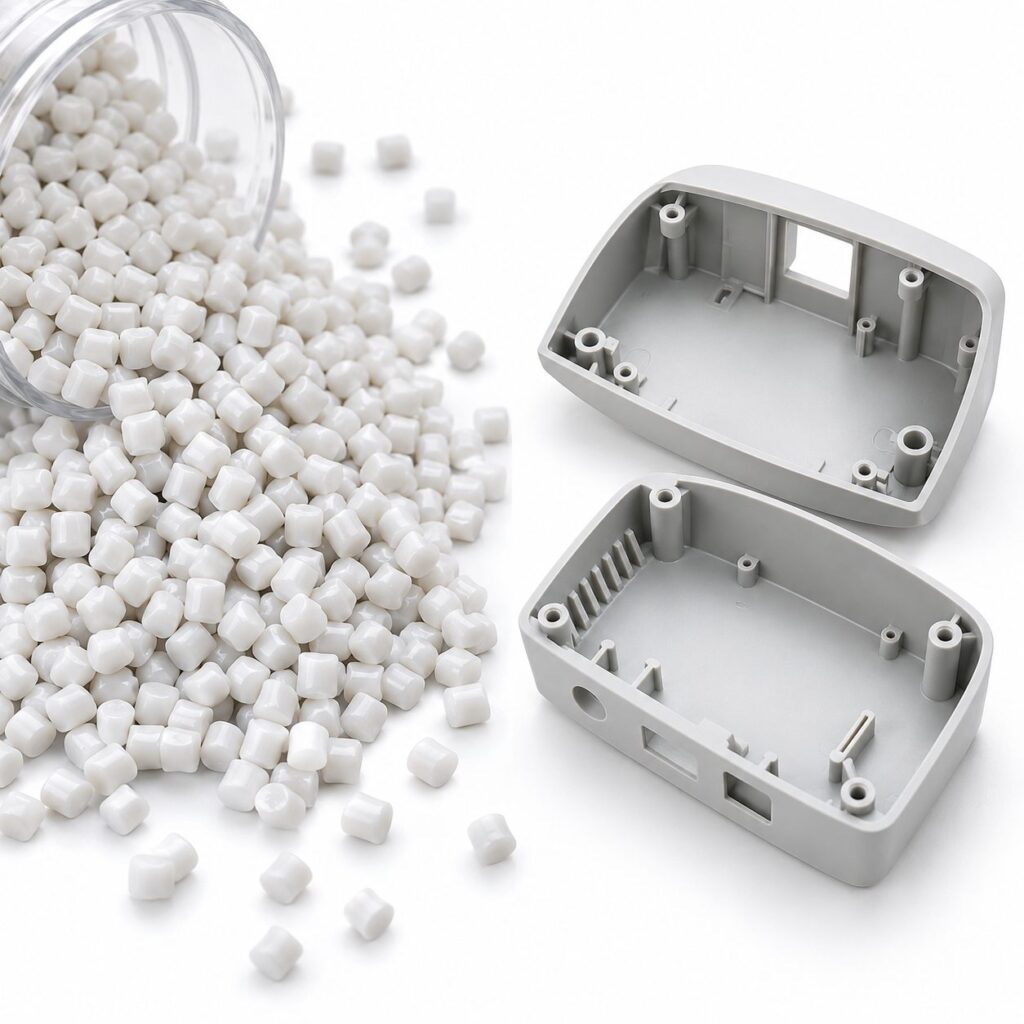
For competitive manufacturing processes, precision should be a top priority. When mold discrepancies arise, as in a recent client case, the ramifications extend far beyond aesthetics. Production delays cascaded across the supply chain, creating a backlog that intensified as each day passed. With molded parts being fundamental to product assembly, any hold-up in their delivery means a halt in the entire production line.
Increased Costs and Reputational Risk
Beyond the delays, there’s the financial sting. Re-evaluating and redesigning the molds to correct precision errors lead to increased labor costs. Every hour spent on fixing design flaws translated into added financial burden and resource diversion from planned production activities. Furthermore, in industries reliant on timely delivery, such as air purification, delays could result in losing client trust. In high-stakes, competitive markets, this could tarnish reputation—potentially leading to long-term business losses. Without precision, these risks multiply, underscoring the critical nature of mold accuracy.
High-Volume Demands and the Importance of Precision
For any mold used in high-volume production, accuracy is imperative. The client in question faced the challenge of meeting high order volumes under the pressure of tight timelines. Any deviation in mold dimensions not only affected the current order but also threatened future contracts. In this specific case, the demand for air purifier parts surged due to a seasonal increase in purifier sales. Unfortunately, the mold discrepancies threatened the capacity to keep up with this spike, manifesting in missed quotas and strained client relationships. Precision in mold design directly aligns with production efficiency, ensuring each part meets strict tolerance levels and thereby maintaining relentless product quality.
Ultimately, mold precision impacts the entire production ecosystem—from the initial material costs to final product delivery timelines. This example vividly highlights why securing the integrity of each mold is indispensable to maintaining a robust, reliable production line. Therefore, when selecting a supplier, ensure they have a strong commitment to precision engineering to safeguard both cost and reputation through meticulous mold accuracy.
Revising the Mold Design: A Step-by-Step Approach
Conducting a Design for Manufacturability (DFM) analysis was our first step, ensuring that the part design was fully compatible with mold manufacturing requirements.
This alignment was critical to mitigating discrepancies between the initial CAD models and the physical molds. The analysis scrutinized every aspect of the design, checking for potential issues such as sink marks, undercuts, and inadequate draft angles that could manifest during production.
Next, we re-engineered the mold components using advanced CNC machining. CNC machining allowed us to reach precision levels that are difficult to achieve with conventional methods. Specifically, it enabled the production of complex geometries and tight tolerances necessary for precision parts. By using CNC, we ensured that each mold’s dimensions were within acceptable limits, significantly reducing variance in the finished parts.
For intricate details that CNC machining couldn’t address, we employed Electrical Discharge Machining (EDM). EDM is particularly effective for shaping hard metals and achieving intricate design elements that are often beyond the capabilities of traditional machining techniques. This step was pivotal in ensuring the final parts not only fit but also functioned as intended in complex air purifier assemblies.
To further guarantee mold conformity to the original design specifications, a structured dimensional inspection regime was implemented. This involved utilizing precision measurement tools like coordinate measuring machines (CMMs) to regularly verify that every aspect of the mold adhered to the defined tolerances and standards. Such meticulous inspection prevented deviations that could lead to functional defects in the final product.
Revised Mold Design Steps and Outcomes
| Step | Method Used | Purpose | Outcome |
|---|---|---|---|
| DFM Analysis | Review of CAD Designs | Align part design with mold capabilities | Reduced initial discrepancies |
| CNC Machining | High-precision Cutting | Achieve tight tolerances and complex geometries | Precise mold dimensions within spec limits |
| Electrical Discharge | EDM Operations | Address intricate and hard material details | Accurate fit and finish for critical components |
| Dimensional Inspection | CMM Tools | Verify mold conformity to design specifications | Consistent and accurate part output |
For a detailed comparison of design precision techniques, explore our guide on Precision in Custom Injection Molds for Plastic Air Purifier Parts. This resource can offer additional insights into best practices for achieving high precision in mold manufacturing.
Outcome: Measurable Success and Consistency
Achieving a precision level with custom injection molds for plastic air purifier parts is essential, and the results from the revised approach were nothing short of transformative.
By tightening control over mold dimensions, it becomes crucial for maintaining uniform quality across high-volume production runs, addressing inconsistencies that plagued earlier batches.
Key to this success was the implementation of precision planning techniques, which reduced rework time dramatically. With fewer deviations and the necessity for fewer adjustments, throughput rates increased significantly. This meant not only more efficient production cycles but also less downtime, allowing for a more streamlined manufacturing process.
The impact on customer satisfaction was palpable. Reduced dimensional variance meant fewer defects reaching the client, which in turn led to a substantial reduction in product returns. Consumers experienced a more reliable product, enhancing the reputation of those using air purifier parts molded with precision. These improvements in end-product reliability and customer satisfaction are crucial metrics often scrutinized in quality assurance protocols.
Moreover, careful attention to production efficiency is important. Focusing on meticulous planning and engineering enhancements can help improve yield rates drastically, cutting waste and inefficiency.

This outcome showcased the importance of precision in mold manufacturing, underscoring how careful attention to detail at the planning stage can have far-reaching effects across all areas of production. By reinforcing precision, manufacturers can avoid the costly cycle of rework and returns, ensuring their products meet the stringent standards their clients expect and rely upon.
To understand more about inspection processes in custom injection mold manufacturing, see our detailed guide on Custom Injection molds for plastic air purifier parts inspection report.
Critical Takeaways for Future Buyers
For future success in custom injection molding for plastic air purifier parts, certain elements are non-negotiable.
First, thorough design analysis is paramount. Dimensions that fall out of alignment can lead to rejected batches and wasted resources. Begin with a detailed DFM (Design for Manufacturability) analysis. This step ensures that the design is not only theoretically sound but remains feasible under the actual manufacturing conditions. For instance, verifying wall thickness distribution can prevent potential weak spots that might lead to premature part failure.
Close Collaboration with Designers: Working closely with mold designers is critical. This cooperation ensures that the mold is tailored specifically to your part’s functional and aesthetic needs. Engaging experienced designers early in the process allows you to anticipate issues that may not be apparent in the initial design. Advising on precision alignment between design and manufacturing teams helps prevent costly redesigns and adjustments down the line. Fostering an open dialogue between stakeholders can mitigate miscommunications that often lead to part inconsistencies.
Implementation of Regular Inspections: To maintain quality, adopt a regimen of detailed inspection guidelines. Regular inspections at intervals matching your production cycle can catch variance issues before they escalate into broader quality problems. Details like dimensional accuracy or surface finish should be regularly tracked against the baseline metrics outlined in the initial design phase. Moreover, utilizing advanced inspection technologies, such as CMM (Coordinate Measuring Machines), allows for precise evaluation of mold components against the original CAD designs.
Risks of Neglect: Finally, the potential risks of neglecting proper precision planning cannot be overstated. Without it, even minimal variances can cascade into major operational bottlenecks. The cost implications include heightened labor expenses due to rework efforts and possible impact on customer relations if standard deviations from expectations lead to visible defects. Neglecting these measures may lead to substantial breakdowns in the manufacturing cycle, ultimately affecting output quality and business reputation. Ensuring proper precision planning is not just best practice—it’s a necessity for long-term operational success and client satisfaction.
Considering a Mold Design Review?
If you’re dealing with uncertainty in your mold dimensions, it’s wise to consider revisiting your design.
A comprehensive review can pinpoint potential improvements, addressing concerns before they turn into costly mistakes. Ensure that precision and planning are prioritized to minimize future molding issues. Reach out to discuss your design needs and leverage our expertise for a smoother production process. Avoid trouble down the line by making precision a priority today.
Frequently asked questions
How does mold design affect production efficiency?
In the industry, a well-considered mold design is essential for achieving part consistency and reducing defective units, potentially minimizing rework time. It’s advisable for buyers to ensure that their mold designs align with production needs to potentially enhance throughput and control costs.
What is DFM analysis in mold design?
DFM (Design for Manufacturing) analysis evaluates a part design against manufacturing capabilities to ensure feasible production. It helps identify potential design issues early, ensuring that the mold supports cost-efficient and reliable manufacturing.
Request a project review
Send the 3D model, 2D drawing, material requirements, annual volume and critical dimensions. The team will identify open technical questions before tooling is quoted.