The durability of a plastic injection mold is a crucial factor that determines its production lifespan, affecting both cost efficiency and product quality. Typical molds can endure between 100,000 to over 1 million cycles depending on design and material factors, but reaching this potential requires careful consideration of key elements such as material choice, maintenance practices, and manufacturing precision. Understanding these factors aids manufacturers in optimizing their injection molding operations and ensuring quality in every batch produced. By precisely assessing mold durability, companies can better manage production costs and timelines, ultimately boosting reliability and customer satisfaction.
Key takeaways
- The durability of plastic injection molds is influenced by several critical figures, starting with the mold’s average lifespan.
- In the realm of plastic injection molding, cycle count refers to the total number of times a mold has undergone one complete manufacturing cycle, from mold clamping to part ejection and reset.
- Humidity is a silent factor affecting the lifespan of plastic injection molds.
- When reviewing a supplier data sheet for injection molds, some sections demand more attention to gauge durability accurately.
- Selecting the appropriate mold material is a cornerstone of ensuring both the precision and longevity of plastic injection molds.
Key Figures Influencing Mold Durability
The durability of plastic injection molds is influenced by several critical figures, starting with the mold’s average lifespan.
Typically, molds can endure anywhere from 500,000 to 1,000,000 cycles, based on the materials used and the manufacturing conditions. When seeking high-precision applications, buyers may want to specify requirements for extended mold lifespan to meet stringent production demands.
Cycle Counts and Mold Maintenance: Cycle count is directly linked to maintenance schedules. Each injection or cycle adds stress, inevitably leading to wear. Regular maintenance, therefore, becomes vital to maintain mold longevity and ensure a stable production output. If a mold experiences premature wear, it often points to inadequate maintenance or incorrect operational settings.
Environmental Conditions’ Impact: The environment in which a mold operates can drastically affect its wear over time. Exposure to excessive temperatures or corrosive materials accelerates deterioration. It’s important to control these variables by adapting the work environment and adopting robust mold design techniques, which can mitigate environmental impacts.
Material Choices: High-quality steels, such as P20 or H13, are commonly selected for their wear resistance and heat treatment capabilities, directly impacting the mold’s durability. However, trade-offs are inevitable—although more wear-resistant, these materials can increase initial mold costs.
Injection Pressure and Temperature: Lastly, the pressure and temperature settings during the injection process crucially affect mold wear. Overly high settings lead to excessive stress on cavity surfaces, shortening the mold’s usable life. Optimizing these parameters not only saves the mold from undue wear but also ensures consistent quality of the molded parts.
Understanding Cycle Count and Wear Patterns
In the realm of plastic injection molding, cycle count refers to the total number of times a mold has undergone one complete manufacturing cycle, from mold clamping to part ejection and reset. This critical metric is meticulously recorded by tracking the operational sequences through the mold’s lifecycle, often using electronic counters attached to the mold base. A high cycle count indicates significant usage, which can directly impact the mold’s condition and necessitate scheduled maintenance to maintain performance and part quality.
Common wear patterns manifest in high-volume molds as a result of continuous operation and are largely influenced by the materials used and design elements inherent in the mold. Wear commonly appears on the mold’s parting lines due to frequent mechanical friction or on moving components like sliders and ejectors subjected to repeated stress. The choice of metal, such as hardened steel versus aluminum, directly affects the wear rate. Hardened tool steels, while offering longevity, require precise engineering to manage cost and weight, whereas aluminum provides cost-effective solutions for low-volume or prototype runs with less wear resistance.
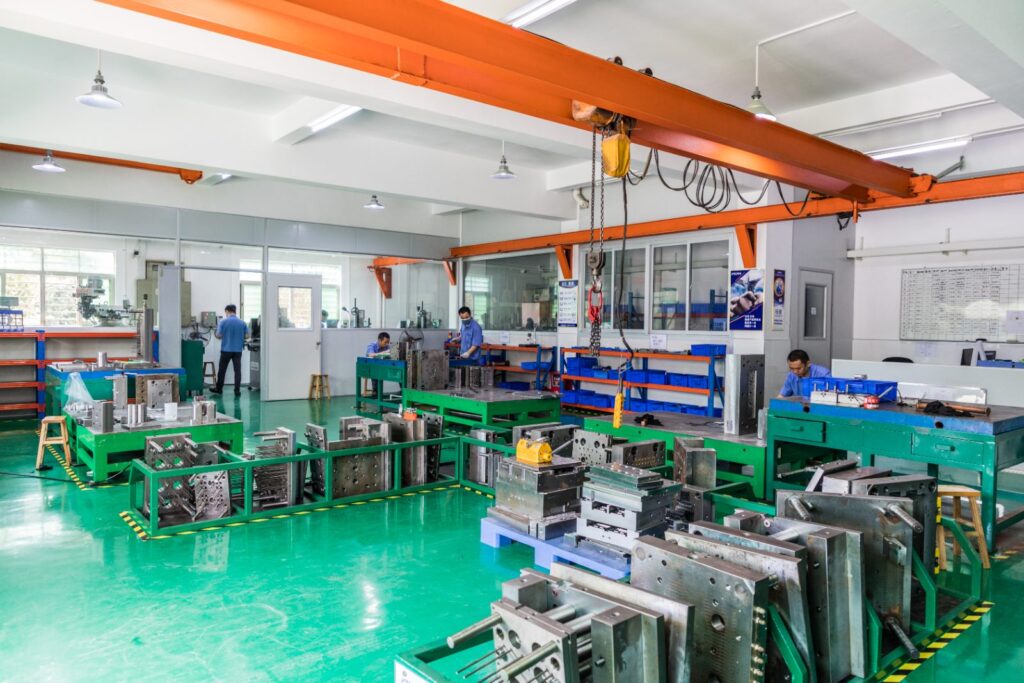
Regular maintenance practices, such as cleaning, lubricating moving parts, and inspecting for wear, are crucial for preserving a mold’s cycle count durability. These practices, often recommended in industry standards, help identify emerging wear patterns before they evolve into significant issues and extend the mold’s usable life by ensuring that all components function optimally. By understanding the interactions between cycle count, wear patterns, materials, and maintenance strategies, manufacturers can better plan for longevity and cost-efficiency.
Mold Wear Patterns and Influences
| Wear Pattern | Typical Cause | Impact | Mitigation Strategy |
|---|---|---|---|
| Parting Line Wear | Mechanical friction | Leakage, flash formation | Precision machining, proper clamping |
| Surface Pitting | Corrosion (chemical attack) | Surface defects | Use of corrosion-resistant coatings |
| Ejector Pin Galling | Metal-to-metal contact | Reduced part quality; sticking issue | Regular lubrication, material upgrade |
| Cavity Surface Erosion | High injection pressure | Surface finish degradation | Optimize injection pressure |
| Runner System Blockage | Material buildup | Part defects; flow inconsistency | Scheduled cleaning, gate design adjustments |
Understanding these nuances and implementing targeted strategies ensures not only the durability of molds but also minimizes downtime and repair costs.
The Overlooked Element: Environmental Impact
Humidity is a silent factor affecting the lifespan of plastic injection molds.
Moisture in the air can lead to corrosion, particularly if molds are not stored properly or if the manufacturing environment lacks adequate control systems. For instance, highly humid conditions can promote rust on steel molds, degrading them over time. It’s essential to maintain an optimum humidity level of around 40-60% to safeguard molds and ensure their longevity.
Temperature variations are another critical environmental factor impacting mold quality. Rapid temperature changes can result in thermal shock, which compromises a mold’s structural integrity. Molds are typically rated to specific temperature ranges, and exceeding these ranges can cause warping or deformation over repeated cycles. Consequently, maintaining stable temperatures near the operation’s set points is vital for durability.
Corrosive materials, especially those involved in producing parts like automotive components, pose significant risks to mold lifespan. Chemicals emitted from these materials can lead to chemical attacks on the mold surface, reducing performance and increasing maintenance needs. Protective coatings such as nitride or chrome plating are recommended for molds exposed to such environments to mitigate these adverse effects.
Often overlooked, dust and particulate matter can have substantial impacts on mold function and lifespan. Accumulation of dust within mold cavities can obstruct the proper closing of the mold, leading to defects in the parts and unnecessary wear. Regular cleaning and maintenance, including installing air filtration systems, help in minimizing these impacts.
Mitigating environmental degradation of molds in the workshop involves a multi-pronged approach. Employing consistent climate control, rigorous maintenance schedules, and protective coatings can go a long way in extending the effective lifespan of molds. Advanced environmental control systems are sometimes necessary to maintain the optimal conditions required, ensuring that molds deliver consistent quality over time.
Reading and Interpreting Supplier Data Sheets
When reviewing a supplier data sheet for injection molds, some sections demand more attention to gauge durability accurately.
One essential part is the material specification. Labels such as “H13 Steel” or “P20 Plastic” are not mere jargon; they indicate the mold’s resistance against wear and tear. For instance, H13 is known for its higher hardness and durability, making it suitable for high-volume runs.
Another pivotal section is the durability figures, which might list cycle life under standard conditions. This number often assumes ideal maintenance, so pairing it with the manufacturer’s notes on wear limits is critical. These notes explain the upper threshold of the mold’s performance capabilities and might highlight factors such as abrasive materials that could reduce cycle counts.
Pay close attention to tolerance figures; they are more than just numbers on a page. For example, a tolerance of ±0.05 mm might imply strict process control is necessary, involving tight temperature and pressure management during injection. More interestingly, it may also reveal how frequently maintenance is required to ensure those dimensions are consistent over thousands of cycles.
Deciphering such details demands familiarity with technical jargon. For instance, understanding terms like “EDM finish” helps in evaluating surface smoothness and its effect on part release. These specifications can guide decisions about additional processing needs, such as EDM and milling for injection molds, which enhance or modify existing mold surfaces for optimal performance.
When reading a data sheet, always ask: What does each number signify for the longevity and maintenance of the mold in your specific application? Answering this question effectively safeguards against misjudging a supplier’s promise, ensuring that the mold you choose aligns with your production demands and wear expectations.
Choosing the Right Mold Material for Your Application
Selecting the appropriate mold material is a cornerstone of ensuring both the precision and longevity of plastic injection molds.
The two most common materials used here are steel and aluminum. Steel molds, especially those made from hardened tool steel, are renowned for their exceptional durability and wear resistance. Typically, they are the go-to choice for high-volume production scenarios because they can withstand the pressures and temperatures encountered throughout prolonged operational cycles and offer excellent thermal conductivity.
Aluminum molds, on the other hand, are favored when a quicker setup and lower upfront cost are crucial. While they generally don’t offer the same level of durability as steel, they excel in situations where flexibility and rapid prototype iterations are necessary. Because aluminum is easier to machine, the lead times for creating molds can be significantly shorter. However, in high-volume operations, the softer nature of aluminum may lead to more frequent maintenance and eventually replacement.
When assessing material suitability, a couple of guidelines can give you a head start. First, consider the expected production volume. For outputs demanding thousands of cycles, steel will almost always provide a better long-term return on investment despite its higher initial cost. Conversely, for small batch production, aluminum is often more economical.
Aligning mold material with production demands requires understanding the trade-offs between upfront costs and longevity. Mold durability is directly influenced by the material’s resistance to wear and thermal expansion. Always match the material’s properties with the specific demands of your application, factoring in the type of plastic used, cycle times, and maintenance capabilities. For a comprehensive assessment, consult with experts who can analyze these criteria and recommend the best material for your specific needs.
Deciding on a Mold Partner for Long-Term Success
Choosing the right manufacturing partner is crucial to ensure the durability of your plastic injection molds.
Start by evaluating the technical capabilities of potential partners. Look for companies like Yiot Technology Co., Ltd. that possess experience with diverse applications in sectors such as automotive and air purifier parts, demonstrating their adeptness in handling various mold complexities.
Understanding the vendor’s maintenance procedures is another critical factor. Routine maintenance ensures the longevity of the mold. Inquire about their preventative maintenance schedules and the specific practices they employ. Well-maintained molds not only last longer but also maintain consistent part quality over their lifespan.
Alignment on quality standards is essential. Confirm that your supplier meets ISO 9001:2015 certification, which assures compliance with international quality management systems. This certification emphasizes a commitment to maintaining high standards throughout the manufacturing process. Additionally, discuss expectations clearly to ensure there is common ground on the minimum quality benchmarks.
Sample testing is indispensable. Request samples to evaluate the actual performance of the molds under production conditions. Effective custom injection molds for plastic tool housings can serve as reference points for assessing performance metrics such as durability, fit, and finish.
Transparency with operational data is a non-negotiable. A trustworthy partner will share data regarding past performance analyses, cycle counts, and historical defect rates. This transparency allows you to make informed decisions and sets a clear baseline for ongoing performance evaluations. Ultimately, ensuring a partnership built on shared technical understanding and a commitment to quality will significantly contribute to your long-term success.
Frequently asked questions
To ensure the longevity and effectiveness of plastic injection molds, regular inspection and maintenance are critical. Always review wear patterns on key areas such as gate locations and moving parts. Implement a preventive maintenance schedule that includes lubrication, cleaning, and checking for corrosion. Buyers should communicate with their mold suppliers to discuss recommended maintenance intervals and specific considerations for the materials used. If your molds run with abrasive or corrosive materials, consider scheduling more frequent checks. Regular updates to maintenance protocols based on wear data will optimize mold life and performance, ensuring consistent output quality.
Frequently asked questions
What maintenance practices extend mold durability?
Regular cleaning, lubrication of moving parts, and timely replacements of worn components are essential. Implementing routine inspection schedules and using condition monitoring technologies can also prevent wear-related failures.
How do I choose the right injection mold material?
Consider factors like production volume, budget, part design complexity, and operating environment. Steel is sturdy and long-lasting, while aluminum is lighter and often more cost-effective for smaller runs.
Request a project review
Send the 3D model, 2D drawing, material requirements, annual volume and critical dimensions. The team will identify open technical questions before tooling is quoted.