A North American medical device company needed precision injection molds for their new line of plastic housings. Their previous supplier failed to deliver consistent quality, causing production delays and increased costs. With tight regulations and the need for reliability, the stakes were high. The challenge involved addressing material compatibility, tolerances, and regulatory compliance. This walkthrough uncovers how Yiot Technology met these needs, ensuring the molds met standards. Consider asking how a supplier can potentially streamline your manufacturing process or reduce lead times to enhance product integrity.
Key takeaways
- When our client approached Yiot Technology Co., Ltd. with a requirement for high-precision molds for medical equipment housings, they were grappling with issues that were stalling their production lines.
- When producing plastic molds for medical equipment housings, subpar quality can lead to significant hazards, both in terms of product performance and safety compliance.
- Addressing mold design issues involves conducting a thorough Design for Manufacturability (DFM) analysis, a critical first step to align the design with manufacturing capabilities and quality expectations.
- In designing custom injection molds for medical equipment housings, precision CNC machining and EDM techniques play a crucial role in enhancing mold accuracy.
- Choosing a knowledgeable mold supplier is crucial in the creation of custom injection molds, especially for critical applications such as medical equipment housings.
The Initial Challenge
When our client approached Yiot Technology Co., Ltd. with a requirement for high-precision molds for medical equipment housings, they were grappling with issues that were stalling their production lines.
The medical industry demands stringent compliance with standards such as ISO 13485 for quality management systems, which proved challenging to meet with their previous supplier. This supplier was delivering inconsistent part quality, resulting in mold inconsistencies that hampered device performance and compliance with regulatory demands.
The critical need was for molds that not only met exacting dimensional tolerances but also ensured material compatibility and adherence to regulatory standards. Medical equipment housings must withstand exposure to sterilization processes, such as autoclaving, and must not compromise biocompatibility. Therefore, selecting materials that conform to regulatory requirements, including ROHS and FDA regulations, is non-negotiable.
A clear understanding of client needs is essential in providing high-precision mold solutions. We focused on dissecting the issues faced with the existing supply chain, identifying root causes of the quality lapses. The dialogue included discussions around the need for the molds to meet precise regulatory and safety standards, which set the stage for a thorough, collaborative approach to redesigning the molds. Additionally, understanding the function of these housings in the equipment’s overall performance helped in aligning the manufacturing precision with the client’s objectives.
Our technical team dove into the client’s specifications, employing a methodical review of the part designs and materials to ensure full regulatory compliance and functional efficiency. Throughout this process, regular consultations were conducted with the client to align goals and expectations from both sides. This strategic openness not only showcased Yiot Technology’s commitment to understanding the nuanced requirements of medical device production but also highlighted our capability in delivering molds that elevate product reliability and regulatory conformity.
Further insights into our comprehensive methodologies can be found in our Custom Injection Molds for Plastic Medical Device Housings guide.
The Risks and Stakes Involved
When producing plastic molds for medical equipment housings, subpar quality can lead to significant hazards, both in terms of product performance and safety compliance.
Any deviation from precision in mold design or manufacturing could compromise the fit and function of a medical device. This imperfection can cause critical malfunctions, especially in devices where precise dimensions are non-negotiable. For instance, a misalignment caused by a faulty mold could impede assembly or even lead to device failure in use, resulting in increased risks for patients and users.
Regulatory Pitfalls and Recall Risks
Medical devices are governed by strict regulations to ensure safety and efficacy, with standards such as ISO 13485 serving as a benchmark for quality management systems. Non-compliance with these standards can lead to recalls, which are not only financially devastating but also reputationally damaging for manufacturers. A recall could stem from inconsistencies introduced by flawed mold design, placing significant emphasis on adherence to these standards during the manufacturing phase. For companies operating within this sector, avoiding the risk of a recall is not just a financial consideration; it’s a legal and ethical obligation.
Financial Implications of Substandard Molds
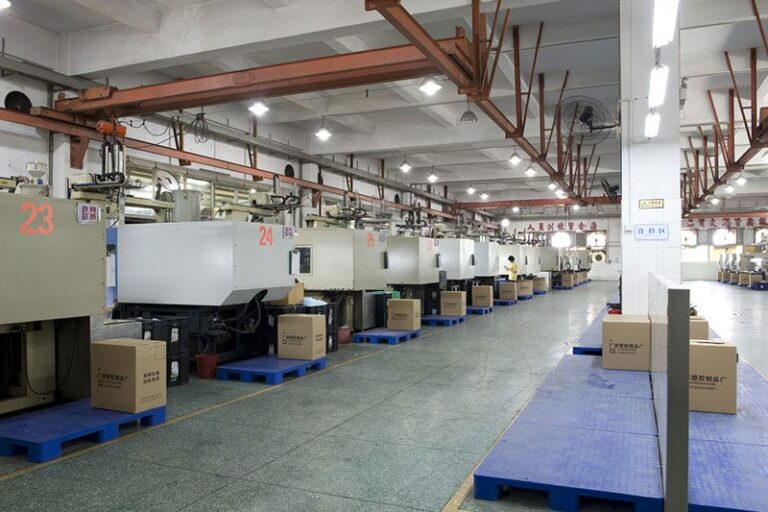
Deficient mold quality doesn’t only risk regulatory violations; it also threatens financial stability through production delays and rework. When molds fail to meet the required specifications, the entire production cycle suffers setbacks, increasing the cost due to material waste and additional machining to correct errors. This ripple effect not only raises costs but also delays time-to-market, a critical factor in industries driven by innovation and rapid deployment of new technologies.
Importance of Consistency in Mold Precision
Precision in mold fabrication is paramount to maintaining product integrity and operational efficiency. A single error in mold precision can result in hundreds, if not thousands, of defective parts, causing a domino effect on manufacturing continuity and quality assurance processes. For the client, these risks necessitated stringent quality control measures and placed a premium on mold consistency, which directly correlates with the reliability and durability of the final medical device housing.
These risks were a primary concern for the client, who understood that in the highly regulated and scrutinized medical field, there was no room for error. To navigate these stakes effectively, a meticulous approach to mold design and production was essential, with every minute detail potentially impacting the safety and effectiveness of the medical equipment.
Steps Taken to Address the Mold Design Issues
Addressing mold design issues involves conducting a thorough Design for Manufacturability (DFM) analysis, a critical first step to align the design with manufacturing capabilities and quality expectations.
By applying DFM principles, potential issues like warping or insufficient draft angles can be identified early, allowing for timely adjustments that prevent costly downstream problems.
Precision in mold manufacturing often relies on industry-standard methods such as CNC machining and Electrical Discharge Machining (EDM) to achieve tight tolerances and complex geometries. These techniques are essential for crafting intricate designs, particularly when high precision and consistency are required.
Material selection should focus on balancing performance characteristics with regulatory compliance, ensuring that chosen materials align with applicable guidelines without compromising the product’s integrity. Buyers should consider the regulatory impacts of materials to maintain quality while ensuring performance standards are met.
Key Steps in Mold Design Improvement
| Step | Description | Outcome | Critical Focus |
|---|---|---|---|
| DFM Analysis | Typical practice to identify potential manufacturing issues early | Reduces rework and improves first-pass yield | Warping, draft angles analysis |
| CNC Machining | An industry-standard method for producing precise parts | Facilitates tight tolerances and repeatability | Dimensional accuracy and intricate designs |
| EDM | Used in the industry to enable intricate shapes and detailed features | Enhances the precision of complex geometries | High-precision features and sharp edges |
| Material Selection | Important for assessing performance and regulatory compliance | Ensures quality while meeting industry standards | Consideration of compliance needs |
Collaboration with clients is always important to ensure alignment on design and material needs, helping to meet technical and regulatory requirements effectively. The process fosters a relationship built on trust and precision.
Measurable Outcomes Achieved
In designing custom injection molds for medical equipment housings, precision CNC machining and EDM techniques play a crucial role in enhancing mold accuracy.
Buyers should consider specifying precision requirements in their drawings to ensure reduced variations and alignment accuracy in assembled medical devices. This attention to detail can mitigate risks of malfunction.
Tuning mold designs can improve dimensional accuracy, potentially reducing production lead times. By optimizing molds for high repeatability, clients might achieve faster production rates with quality controls in place. This efficiency could lead to cost savings by minimizing rework and adjustments needed for defective parts.
Adhering to industry standards, Yiot Technology operates within an ISO 9001:2015 certified quality management system, instilling confidence in the methods used throughout production. Buyers are encouraged to specify their compliance requirements clearly to ensure alignment with regulatory needs.
While evaluating performance metrics, consider the potential impact of improved mold design and manufacturing processes on manufacturing costs and process consistency. Consistent mold quality may reduce waste and downtime linked to mold adjustments, promoting uninterrupted production schedules.
Buyers should think about how expert mold design and manufacturing capabilities can synergize product quality and cost-effectiveness, especially in regulated industries like medical equipment manufacturing.
Key Takeaways for Similar Buyer Situations
Choosing a knowledgeable mold supplier is crucial in the creation of custom injection molds, especially for critical applications such as medical equipment housings.
Suppliers like Yiot Technology Co., Ltd. bring invaluable expertise that can significantly reduce risks associated with mold production. It’s not just about having the capability to produce; it’s about understanding the specificities of standards such as ISO 9001:2015, and being adept at identifying materials that meet stringent industry requirements. For example, YIOT utilizes Design for Manufacturability (DFM) analyses to ensure that every mold design aligns with the necessary compliance and operational criteria, which is critical for maintaining device safety and efficacy.
Thorough material and compliance checks are not optional—they are essential. Medical-grade plastics often require verifications for biocompatibility, as outlined in various standards. While Yiot Technology itself does not hold ISO 13485 certification, knowing that potential suppliers have this certification is part of ensuring a seamless, compliant production process. Buyers should demand a transparent verification of material grades and certifications from their suppliers to avoid compliance issues down the line, safeguarding against costly product recalls and regulatory penalties.
Active communication and collaboration with suppliers play a pivotal role in ensuring project success. Establishing a clear line of communication allows for quicker identification and resolution of any potential manufacturing issues. It simultaneously ensures that all client needs, from precision to performance, are addressed comprehensively in the design phase. Collaborative approaches mean that adjustments can be made swiftly, and any compliance issues are preemptively rectified.
Investing in high-quality molds may seem like a significant upfront cost, but it offers substantial long-term benefits. Properly designed molds minimize the risk of defects and enhance the efficiency of production cycles, leading to longer mold lifespans and reduced maintenance costs. For instance, Custom Injection Molds for Plastic Medical Packaging from YIOT demonstrate how meticulous craftsmanship can translate into measurable reliability and performance consistency.
To reduce risk and improve cost-effectiveness in mold sourcing, buyers should focus on strategies that include detailed supplier evaluations and engaging in precursory design assessments. This proactive strategy helps in identifying any potential gaps in design or supplier capability early on, allowing for better financial planning and operational readiness. Ultimately, engaging with experienced suppliers like YIOT ensures a smoother, more efficient process for crafting medical equipment housings that are both compliant and of superior quality.
Evaluating Your Mold Needs with Enhanced Insight
Providing detailed specifications is essential for ensuring that your supplier can meet your unique requirements precisely.
Initiate with a comprehensive design audit to reveal potential oversights before production begins. Evaluate your supplier’s previous projects and seek references to gauge their capability and reliability. Confirm that both the material choices and the manufacturing process align with regulatory needs pertinent to your application. Engage in a consultative design review to identify opportunities for enhancing efficiency and efficacy. For optimal outcomes, consider asking your supplier to review your drawings and suggest possible improvements.
Frequently asked questions
What should I consider when choosing a mold supplier for medical equipment?
When selecting a mold supplier for medical equipment, ensure they understand medical industry regulations like ISO 13485 and have experience with material compatibility. It’s essential that they provide design audits and verify compliance with industry standards.
How do material choices impact mold performance?
Material choices significantly affect mold performance by influencing durability, precision, and compliance with regulations. Selecting the right material ensures long-lasting molds that meet industry standards, especially for medical device applications.
Why is precision crucial in medical equipment molds?
Precision in medical equipment molds ensures the final products meet strict industry specifications for safety and efficiency. Poor precision can lead to costly recalls and safety hazards, undermining the device’s reliability.
Request a project review
Send the 3D model, 2D drawing, material requirements, annual volume and critical dimensions. The team will identify open technical questions before tooling is quoted.