“What should I focus on when selecting a custom plastic injection mold supplier in China?” This question is at the forefront of any sourcing manager’s mind when venturing into the vast market of Chinese manufacturers. The answer? Clarity in design for manufacturing (DFM) processes, transparent communication, rigorous quality standards, and an understanding of tooling materials. Yiot Technology Co., Ltd., a leader in this field, emphasizes ISO 9001:2015 certification for maintaining quality management systems. Focusing on these aspects not only ensures product quality but also affects costs, delivery times, and the longevity of your molds. Delving deeper into these criteria clarifies how to confidently make a manufacturing partnership choice that aligns with your company’s needs.
Key takeaways
- Choosing the right supplier for custom plastic injection molds in China requires careful consideration of several key factors, particularly DFM clarity, material handling capability, and tooling cost implications.
- Industry standards play a crucial role in shaping the selection criteria for custom plastic injection molds, influencing everything from material choices to manufacturing precision.
- When selecting a custom plastic injection mold supplier in China, it’s vital to conduct a comprehensive verification on several fronts to ensure you’re partnering with a capable and reliable manufacturer.
- Effective communication can make or break the manufacturing process for custom plastic injection molds, especially when dealing with suppliers in China.
- Selecting the right custom plastic injection mold supplier can significantly impact the success of your project, but it’s easy to fall into common pitfalls if not careful.
What are the key factors when choosing a mold supplier in China?
Choosing the right supplier for custom plastic injection molds in China requires careful consideration of several key factors, particularly DFM clarity, material handling capability, and tooling cost implications.
Design for Manufacturability (DFM) Clarity is paramount in the supplier evaluation process. A clear and consistent DFM review identifies potential design issues before they affect production. It’s advisable to ensure that suppliers provide detailed feedback to ensure that your designs are manufacturable without excessive changes or compromises. This transparency helps avoid costly mid-project revisions and ensures that your design’s functionality and aesthetics are preserved. It’s crucial that suppliers are adept at explaining their DFM analysis clearly and can adjust designs based on real-world manufacturing constraints.
Material Handling Capabilities should not be overlooked. Custom molds require specific plastics with unique characteristics, such as impact resistance, flexibility, or thermal stability. Your supplier should demonstrate expertise with these materials. It’s important to confirm that they have experience with the specific thermoplastics relevant to your needs and understand how different materials behave under various processing conditions. Their ability to source and recommend the appropriate material for your product will greatly impact the mold’s performance and the final product quality.
Cost Implications of Tooling Materials is another critical factor. The choice of tooling material affects not only initial expenditure but also the longevity and maintenance needs of the molds, impacting long-term production costs. Here’s how different tooling materials compare:
Tooling Material Cost and Longevity Considerations
| Material Type | Cost Implications | Longevity | Maintenance Needs | Best For |
|---|---|---|---|---|
| Aluminum | Lower upfront cost | Short to medium lifespan | Moderate | Prototyping, small runs |
| P20 Steel | Moderate cost | Medium lifespan | Frequent | Medium production volumes |
| H13 Steel | High initial cost | Long lifespan | Low to moderate | High-volume production |
| S136 Steel | Expensive | Very long lifespan | Minimal | Corrosion resistance, high-quality finishes |
Understanding these factors helps in selecting a supplier capable of meeting your specific needs, ensuring that your project proceeds smoothly and economically.
How do industry standards influence mold selection?
Industry standards play a crucial role in shaping the selection criteria for custom plastic injection molds, influencing everything from material choices to manufacturing precision.
Understanding these standards, such as ISO 20457:2026 and ISO 294-4:2018, becomes essential for ensuring quality and performance.
ISO 20457:2026 for Tolerance Ranges
The ISO 20457:2026 standard outlines the tolerances and acceptance conditions for injection-molded plastic parts. This standard provides a framework for dimensional and geometrical tolerance ranges, which are vital for achieving consistent part quality. The acceptance criteria outlined in this standard help manufacturers set realistic parameters that customers use to assess mold quality. This ensures that parts meet precise design specifications, minimizing defects and reducing variability, which is critical when parts are integrated into larger assemblies.
ISO 294-4:2018 and Its Role in Shrinkage and Material Selection
ISO 294-4:2018 deals with shrinkage testing in thermoplastics, focusing on methodical assessment to predict dimensional changes during the injection molding process. This standard impacts material choice since different thermoplastics exhibit varying shrinkage rates. Understanding this standard allows engineers to predict how a chosen material will behave in the mold, which informs decisions on material selection to ensure dimensions remain within acceptable limits post-molding. By evaluating these shrinkage behaviors, manufacturers can tailor mold designs to accommodate expected changes, thus achieving optimal part precision and reducing the risk of defective outputs.
Supplier Adherence to Standards
When evaluating potential suppliers, it’s crucial to verify their adherence to these standards during the vetting process. Suppliers should provide evidence of how they incorporate these standards into their practices, showcasing capabilities through documentation or case studies that highlight compliance with ISO 20457:2026 and ISO 294-4:2018. This approach helps ensure that the molds deliver the requisite precision and reliability that meet international benchmarks, and gives buyers confidence in the tools’ performance. Buyers should actively inquire and confirm adherence as part of their due diligence, ensuring the supplier’s processes align with industry-recognized norms.
What should you verify from the supplier’s side?
When selecting a custom plastic injection mold supplier in China, it’s vital to conduct a comprehensive verification on several fronts to ensure you’re partnering with a capable and reliable manufacturer.
First and foremost, verify the supplier’s ISO 9001:2015 certification. This certification demonstrates a commitment to quality management systems and ensures consistent product quality and regulatory compliance. A supplier without this certification may lack the rigorous quality processes necessary to meet international standards.
Beyond quality certifications, reviewing the supplier’s past case studies or similar completed projects can provide insight into their capabilities and expertise. Examine projects that parallel your own requirements in complexity and scale. This not only highlights the supplier’s proficiency in handling similar tasks but also reveals their ability to innovate solutions for complex manufacturing challenges. Additionally, a solid history of successful projects can provide reassurance regarding their reliability and long-term performance.
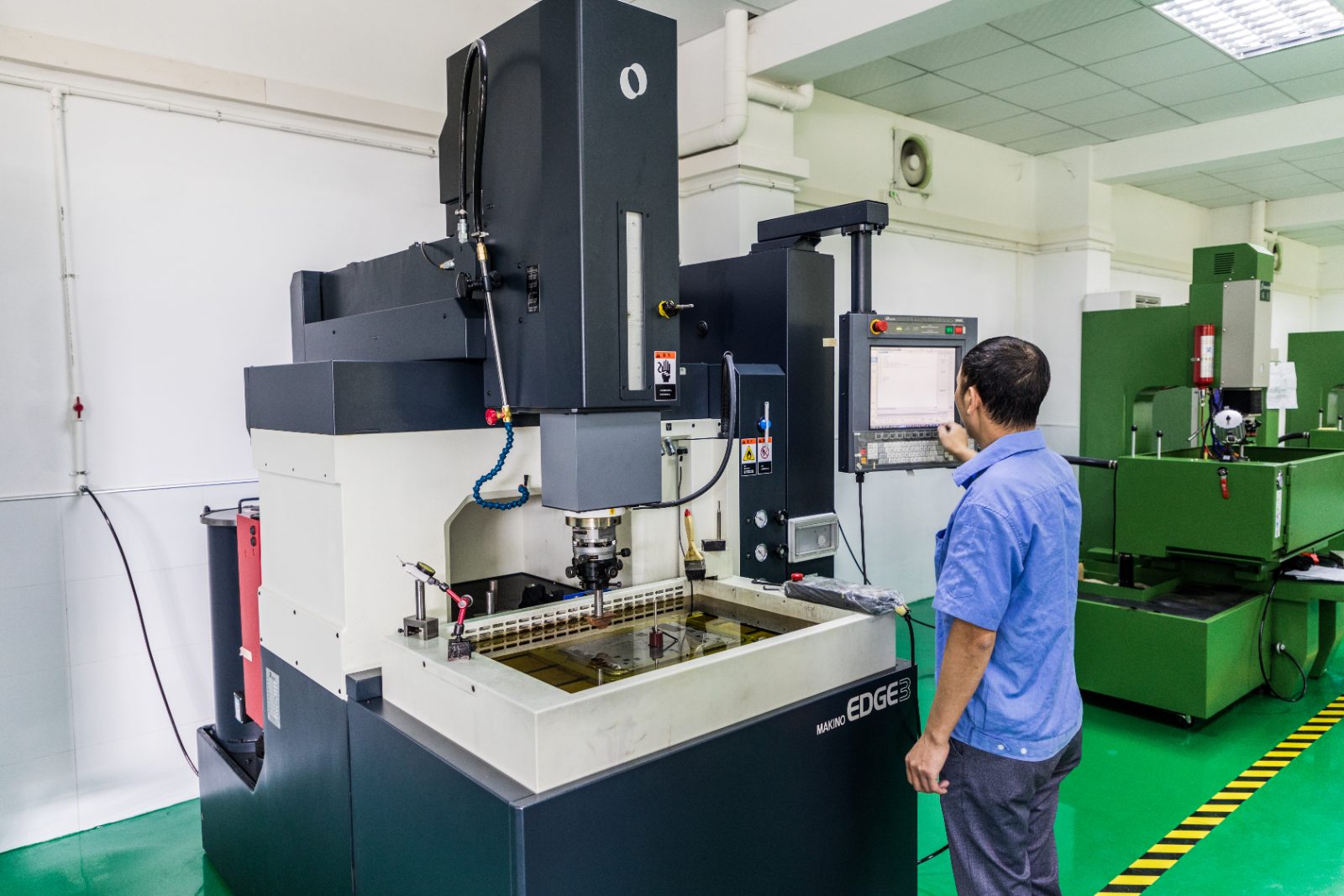
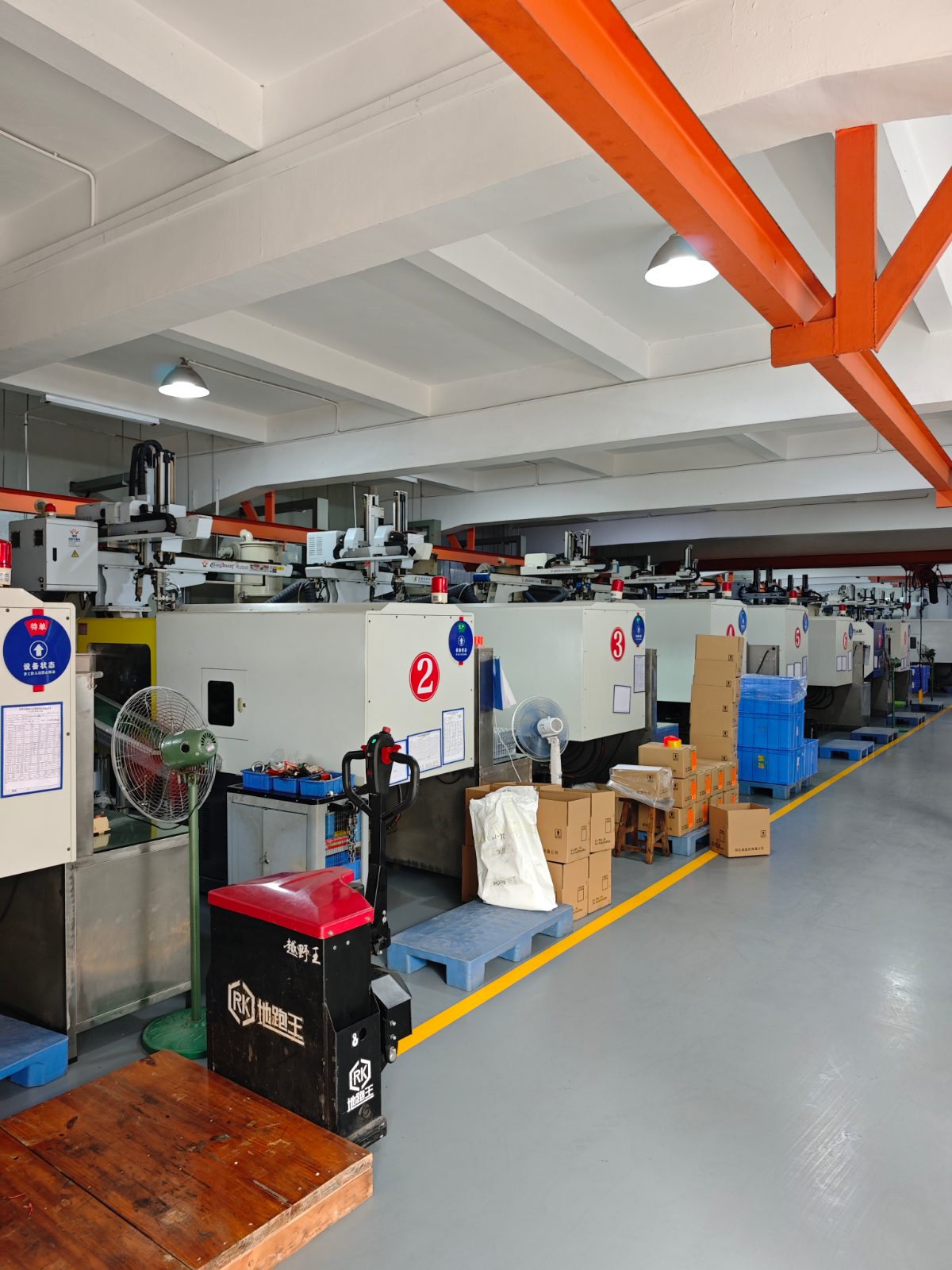
Another critical aspect is evaluating the supplier’s production capacity and facility equipment. Confirm the scale and capacity of their facilities to ensure they can handle your project’s volume without sacrificing quality. Enquire about their machinery and technology, focusing on the type and maintenance status of their injection molding equipment. Facilities equipped with modern, well-maintained machines are more likely to produce precise molds with consistent cycle times.
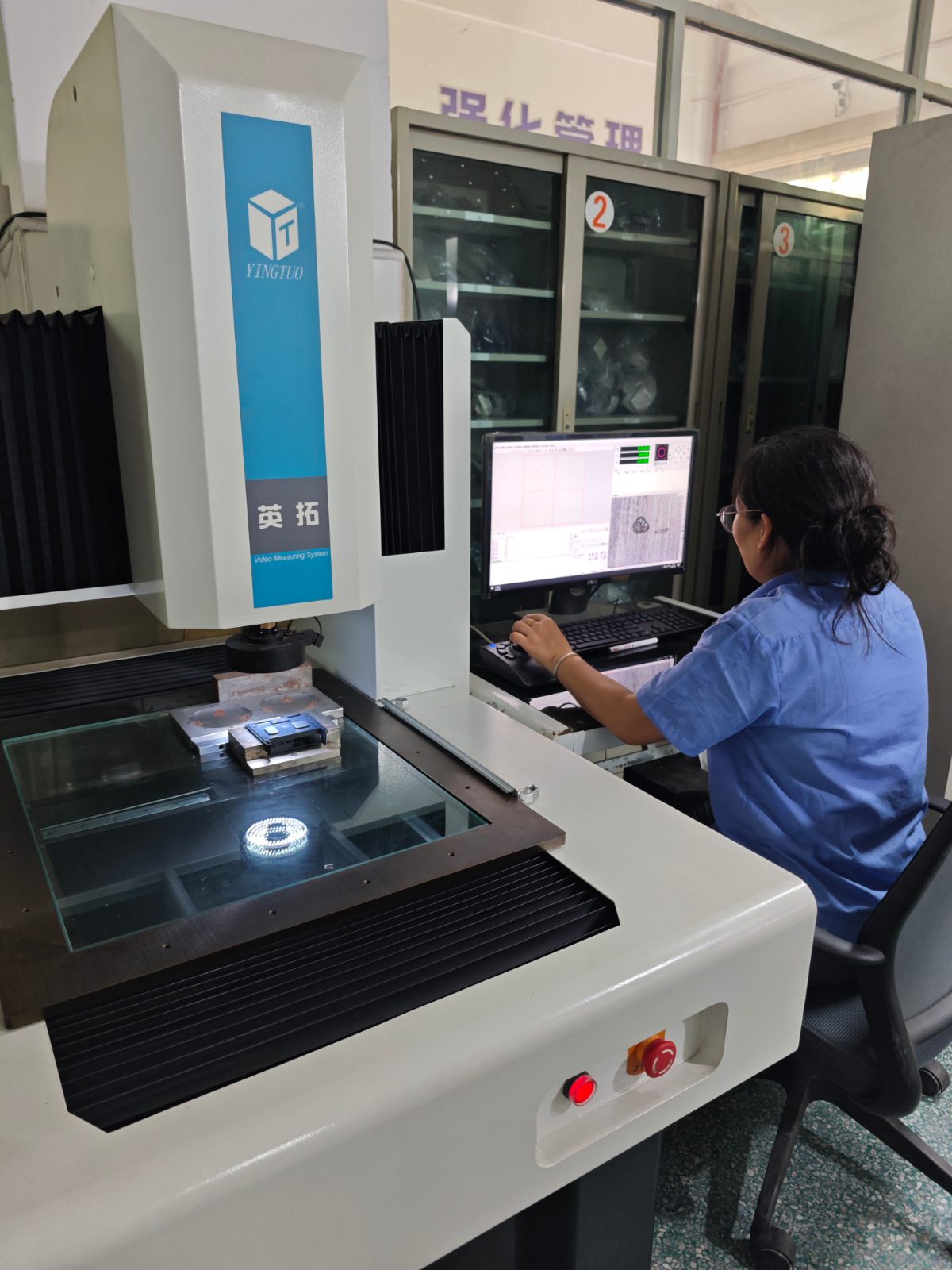
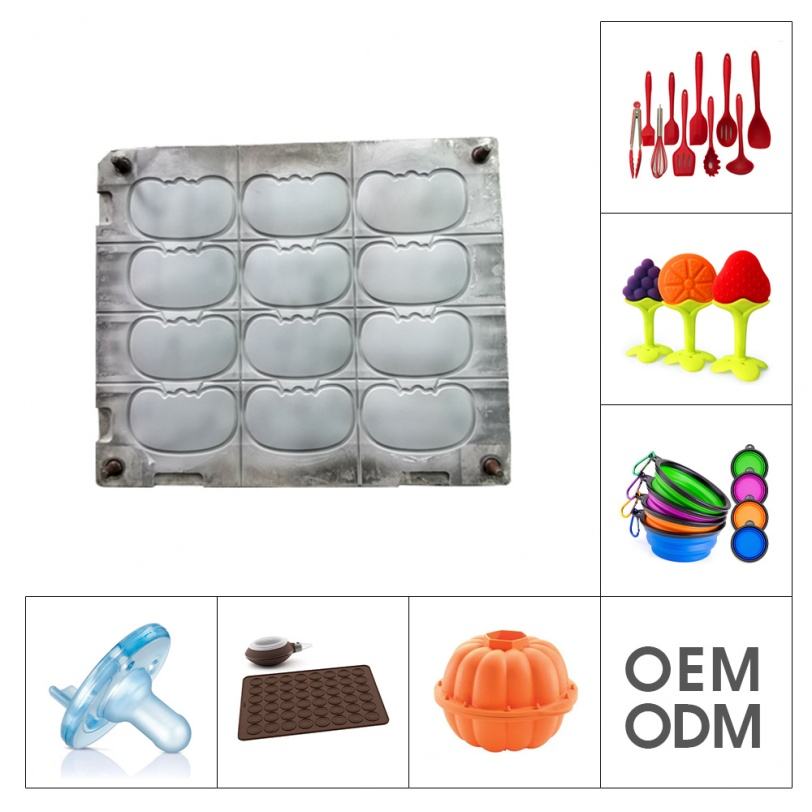
It’s also essential to align your requirements with the supplier’s production capabilities, ensuring they have the flexibility and tooling diversity to address your needs. For instance, if you’re looking into Custom Injection Molds for Plastic Parts, verify that the equipment and expertise specific to your project’s needs are available.
In summary, verifying a Chinese supplier from these perspectives not only ensures prioritization of quality and capability but also establishes a foundation for a successful partnership. Ensure these verifications are part of your due diligence process to mitigate risks and enhance product outcomes.
How does communication affect the manufacturing process?
Effective communication can make or break the manufacturing process for custom plastic injection molds, especially when dealing with suppliers in China.
Language proficiency is a critical factor. Any potential language barrier can lead to misunderstandings in specifications and expectations, which can significantly impact the final product. Utilizing fluent English communication ensures that technical needs and precise product specifications are conveyed clearly and understood correctly.
Beyond language, technical understanding is essential. A supplier skilled in the nuances of plastic injection molding will understand the intricacies of mold design and function. This comprehension allows them to correctly interpret client requirements and make informed decisions during the manufacturing process. A technical vocabulary shared between the supplier and client aids in achieving this goal. This mutual understanding reduces risks of errors in the final product.
Furthermore, established communication schedules and regular project updates foster transparency and trust. An organized schedule ensures that both parties remain aligned on timelines and expectations throughout the project lifecycle. Regular updates help manage any surprises, allowing for almost real-time adjustments if issues arise. The absence of such timely interaction can lead to delays and increased costs.
Transparency is also essential when sharing DFM (Design for Manufacturability) analysis and subsequent adjustments. Suppliers who provide open access to DFM analysis demonstrate a commitment to quality and partnership. This transparency allows clients to understand the rationale behind each design decision and modification, fostering collaboration. Problems associated with this step often stem from misinterpretations or withheld information, which can cascade into larger issues down the line.
In sum, communication in the manufacturing process extends well beyond exchanging emails with a receipt confirmation. It involves a proactive, transparent dialogue aimed at molding not just plastic, but a strong, ongoing partnership. Therefore, prioritizing open, clear lines of communication when selecting a supplier will mitigate risks and drive successful project outcomes.
What are common mistakes to avoid when selecting a mold supplier?
Selecting the right custom plastic injection mold supplier can significantly impact the success of your project, but it’s easy to fall into common pitfalls if not careful. Overlooking the importance of detailed RFQs is a frequent mistake. A request for quote (RFQ) that lacks technical specifications, such as material grade, surface finish, and required tolerances, can lead to misguided quotes and eventual discrepancies between expected and delivered products.
Ignoring red flags such as unrealistic lead time promises is another trap. Ambitious lead times that seem too good to be true often are. They may indicate a supplier’s inexperience, lack of resources, or overly aggressive project planning. It’s essential to consider that lead times for plastic injection molds cannot be uniformly guaranteed, as they depend on multiple factors, including mold complexity and supplier workload. Therefore, promises for exceptionally fast delivery should be scrutinized thoroughly.
Failing to conduct on-site assessments of production facilities can also be detrimental. A physical visit allows you to assess the supplier’s capabilities firsthand, checking for the presence of necessary equipment and confirming that they possess the capacity to handle your project requirements. Insight into a supplier’s daily operations can prevent issues related to quality and production bottlenecks.
Conducting proper evaluations not only saves time but also alleviates the risk of costly errors further down the line. Here is a practical checklist that highlights common sourcing mistakes and why it’s crucial to avoid them:
Common Sourcing Mistakes Checklist
| Mistake | Impact | Importance of Correction |
|---|---|---|
| Incomplete RFQs | Misguided quotes and discrepancies | Ensure all technical details are clear and included |
| Unrealistic lead time promises | Potential delays and unmet expectations | Scrutinize any lead times that seem too short |
| Lack of on-site assessments | Limited insight into supplier’s real capabilities | Conduct visits to verify equipment and operational practices |
| Neglecting to verify supplier certifications | Possible non-compliance with standards | Confirm certifications like ISO 9001:2015 are up-to-date |
Avoiding these common pitfalls can significantly reduce risks and lead to a more successful project outcome. It’s crucial to be meticulous and proactive during the selection process, as it lays the groundwork for your entire manufacturing operation.
How do material choices affect mold performance and product quality?
When selecting materials for plastic injection molding, differences in thermal and mechanical properties have significant impacts on both mold performance and the quality of the final product.
Thermoplastics, such as ABS and polycarbonate, have different melting temperatures and flow characteristics, which influence the injection parameters—specifically the mold temperature and pressure needed for processing. Effective thermal management can minimize warping and residual stresses.
Thermal Properties:
The thermal behavior of the plastic affects cooling rates within the mold, impacting cycle times and part consistency. For instance, materials with high thermal conductivity, like POM (polyoxymethylene), enhance heat transfer out of the mold, potentially reducing cycle time. Conversely, plastics with low thermal conductivity require longer cooling phases to maintain dimensional stability, impacting production speed.
Mechanical Properties:
The mechanical strength of the selected plastic also dictates how the mold withstands operational stresses. For example, fiber-filled engineering plastics exert higher forces on mold surfaces, increasing wear and tear. This necessitates selecting robust mold materials to withstand such forces, avoiding costly maintenance and reducing downtime.
Impact on Part Finish:
Material choice directly affects the surface finish and aesthetic quality of the molded part. High-shrinkage materials, such as LDPE (low-density polyethylene), can lead to poor surface finishes if not precisely controlled, as uneven shrinkage causes issues like sink marks and voids. On the other hand, amorphous plastics like PMMA (polymethyl methacrylate) tend to offer better surface finishes and gloss but require careful temperature management to prevent thermal degradation.
Advice for Buyers:
When choosing materials, consider consulting with suppliers who can provide guidance based on specific product requirements, taking into account factors such as mechanical load, exposure environment, and desired appearance. Leveraging their experience can ensure optimal mold performance and consistency in product quality by advising on suitable resins, additives, and even mold coatings that might prolong mold life and enhance part quality.
Where does cost efficiency meet quality in mold production?
The quest for cost efficiency in mold production often meets quality through a careful balance of initial investment and long-term operational costs.
Custom plastic injection molds, like those used in automotive components, can have significant upfront tooling costs which may initially deter some buyers. However, when viewed through the lens of total cost of ownership (TCO), these costs can be justified by the quality and longevity of the molds produced. Consider molds crafted by firms such as YIOT, whose commitment to quality management ensures reliability in future production runs.
Total cost of ownership extends beyond the initial quotation for the mold. It includes factors such as mold maintenance, repair costs, and the lifespan of the mold under expected production conditions. For instance, a high-quality mold that reduces part reject rates and enhances productivity can lead to substantial savings over time. Conversely, molds that are cheaper upfront may incur additional costs through more frequent repairs and higher scrap rates. Buyers must evaluate quotes with a keen eye on these long-term impacts, which require a solid understanding of the production cycle and its demands on mold materials.
Customization of molds plays a critical role in this balance. Tailoring molds to the specific requirements of a product, such as custom injection molds for plastic automotive components, can improve cost efficiency by optimizing the manufacturing process for the precise needs of the product. This includes considering factors such as the mold’s cavity count, cycle time, and compatibility with the plastic material used. An effectively customized mold should minimize waste and rework, providing a direct line to cost savings over extensive production runs.
For practitioners in the field, understanding the nuanced interplay between upfront tooling costs and long-term quality benefits is essential. By selecting a supplier like YIOT who provides custom injection molds for plastic automotive components, OEMs can achieve this balance, ensuring cost efficiency does not come at the expense of product quality.
What next steps can ensure successful mold manufacturing?
Setting the stage for successful mold manufacturing involves setting clear criteria for supplier evaluation, maintaining open communication, and ensuring consistent follow-up throughout the project lifecycle.
To begin with, clearly defining evaluation criteria for potential suppliers is essential. This includes assessing their technical capabilities, machinery, adherence to ISO 9001:2015, and quality management systems. By prioritizing these factors, you can filter suppliers who align with your project requirements.
Establishing a regular communication and feedback system is critical. Scheduled meetings and consistent updates help in addressing any concerns promptly and ensure the project is on track. Utilize platforms that allow for transparent communication about design modifications, progress, and potential delays. This approach not only enhances collaboration but also minimizes the risk of misunderstandings that could affect the quality and timeline of mold manufacturing.
A crucial step in successful mold manufacturing is the continuous performance evaluation, especially focusing on Design for Manufacturability (DFM) analysis and Quality Control (QC) measures. Timely reviews and follow-up inspections ensure that the manufacturing progresses as planned, adhering to quality and design standards. Utilizing automated QC systems and real-time data feedback can significantly enhance production efficiency and consistency.
Steps for Ensuring Successful Mold Manufacturing
| Step | Action | Purpose | Outcome |
|---|---|---|---|
| Define supplier criteria | Assess technical capacity and certifications | Filter capable suppliers | Aligns with project needs |
| Establish communication channels | Set regular updates and feedback loops | Ensure alignment and transparency | Minimized misunderstandings |
| Conduct regular DFM reviews | Schedule design evaluations at key milestones | Confirm feasibility and identify design issues | Early detection of issues |
| Implement ongoing QC processes | Use automated systems for inspections and feedback | Maintain production standards and consistency | Enhanced product quality |
| Schedule periodic feedback assessments | Organize post-review meetings for performance evaluations | Identify and resolve operational gaps | Improved process efficiency |
In summary, by defining clear supplier criteria, maintaining regular communication, and ensuring diligent follow-up on DFM and QC activities, you can significantly enhance the success rate of mold manufacturing projects. These strategies collectively support not only the achievement of standard manufacturing goals but also foster a collaborative environment that can adapt to changes efficiently.
Making a Confident Supplier Decision
Selecting the right supplier is crucial to mitigate risks and ensure quality.
Focus on your supplier’s technical expertise, adherence to standards, and DFM clarity. Regularly evaluate partnerships, keeping track of performance metrics against set benchmarks. This continuous assessment supports agile adaptations to changing market demands. Customize sourcing strategies by integrating feedback loops and market trend analysis.
Ongoing evaluations allow flexible adjustments, keeping your supply chain responsive to innovations and challenges in the plastics industry. Choose partners who are not only compliant with standards like ISO 9001:2015 but also actively improve and expand their capabilities to meet your evolving needs.
Frequently asked questions
What is DFM in injection molding?
DFM, or Design for Manufacturing, refers to designing products in a way that optimizes their manufacturing process. By involving DFM, potential issues can be identified early, reducing costs and improving quality and time to market.
How can you verify a supplier’s adherence to standards?
You can verify a supplier’s adherence by requesting documentation of their certifications, such as ISO 9001:2015. Additionally, visiting their facility for an audit can provide firsthand insight into their processes and quality control.
Why is material choice important in mold manufacturing?
Material choice affects mold performance and product quality. Different materials have varying thermal and mechanical properties, impacting mold wear, product finish, and overall durability. Choosing the right material ensures longevity and consistency.
How do you address communication barriers with Chinese suppliers?
Address communication barriers by selecting suppliers with proficient English skills and establishing clear communication protocols. Regular updates and using collaborative platforms can help bridge any gap and ensure smooth project flow.
What are telltale signs of a reliable mold supplier?
Reliable suppliers often have transparent RFQs, proven track records, and strong adherence to international standards. They provide comprehensive case studies, maintain open communication, and have a clear understanding of product needs.
Request a project review
Send the 3D model, 2D drawing, material requirements, annual volume and critical dimensions. The team will identify open technical questions before tooling is quoted.