Stepping into our factory in Dongguan last Thursday, the buzz of CNC machines was hard to ignore. It wasn’t just the volume of their operation but what they were turning out—precision components for injection molds. That day, we were evaluating a mold cavity that required a tolerance of ±0.01 mm, pushing the envelope of what’s seen as industry-standard. It’s this level of precision that defines our CNC machining process. With ISO 9001:2015 certification, achieving such tolerances isn’t optional; it’s a requirement we meet consistently. CNC machining stands at the heart of mold-making, crucial for injection molds deployed in electronics, automotive, and household products. Each cut, carved under tight specifications, plays an integral role in ensuring the mold performs seamlessly. The choice of materials—common grades include P20 steel and H13 tool steel—is deliberated to balance durability and thermal performance. Our ongoing focus remains on refining these processes, continually improving quality and efficiency.
Key takeaways
- In CNC machining for injection molds, the precision of the design is paramount.
- Choosing the right material for CNC machined molds is pivotal to durability and efficiency during operations.
- In the realm of mold fabrication, CNC machining serves as a linchpin for achieving precision and efficiency.
- In CNC machining for injection molds, quality control is crucial.
- In the realm of CNC machining for injection molds, customization is the cornerstone for fulfilling specific client requirements, especially within the automotive and electronics sectors.
Designing for Precision
In CNC machining for injection molds, the precision of the design is paramount.
High-precision design ensures that the manufactured molds meet exact specifications, crucial for producing flawless injection-molded parts. Poor design can lead to dimensional inaccuracies, resulting in fitting issues and functional defects in the final product.
Wall thickness. Consistent wall thickness is crucial to prevent issues like warping or shrinkage in the molded parts. Variations can introduce significant deviations in weight and stability. Therefore, keeping wall thickness uniform and within 5-10% deviation across the mold is often a recommended practice.
Tolerance settings. Tolerances directly affect the matching of mold components and the final part dimensions. Tight tolerances, often within microns, are necessary for high-precision molds, particularly for complex geometries. Our practice involves balancing between manufacturing feasibility and achieving precise tolerance levels.
Role of 3D modeling. Utilizing 3D CAD software is crucial in achieving design accuracy. Advanced modeling allows for detailed visualization of complex geometries, aiding in identifying potential design issues before machining. A well-detailed 3D model minimizes the risk of costly trial-and-error adjustments during production.
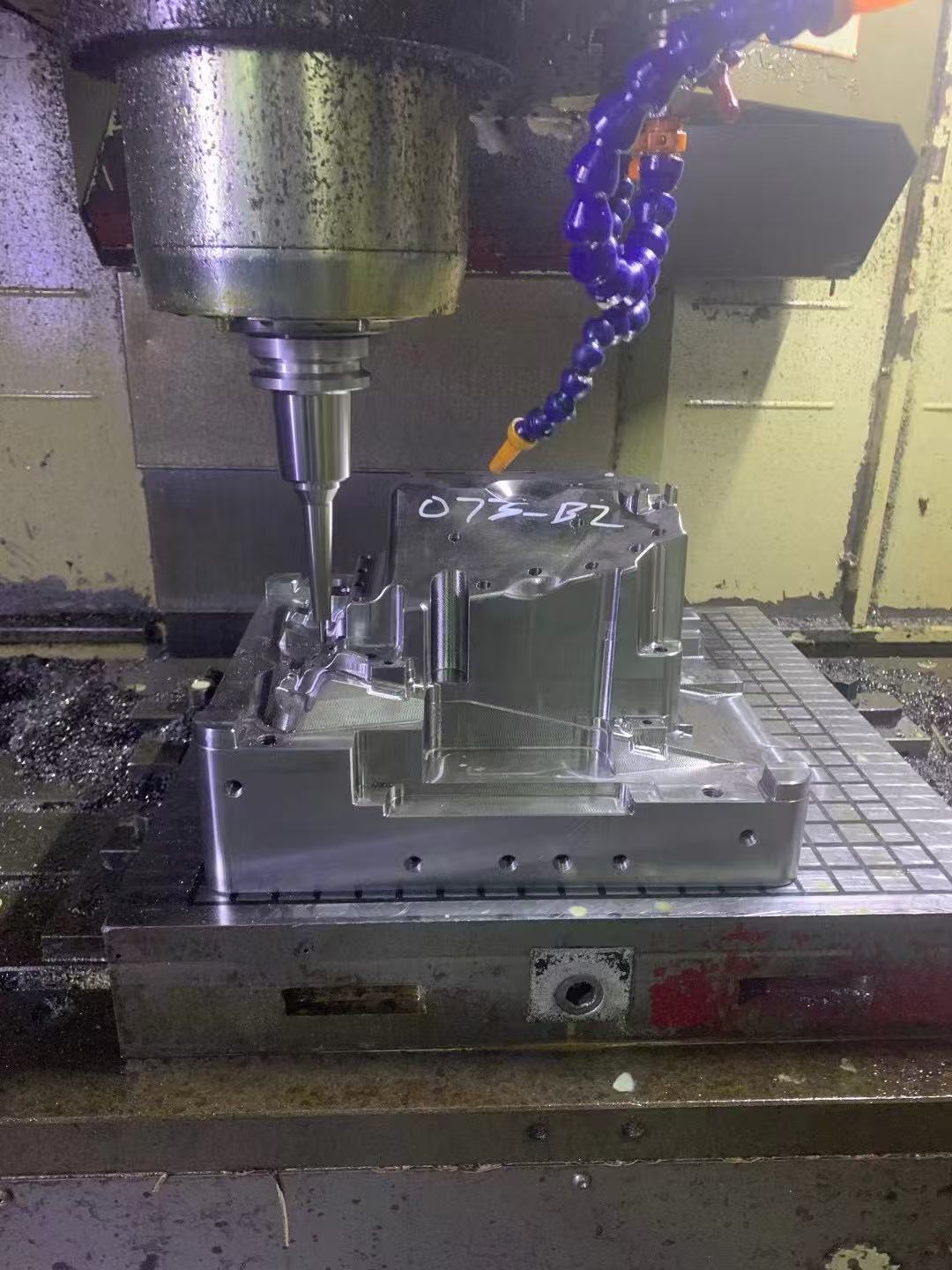
Factors Affecting Mold Design Precision
| Design Feature | Impact on Precision | Recommended Practice | Material Choice |
|---|---|---|---|
| Wall Thickness | Influences stability and part functionality | Maintain uniform thickness | H13 Tool Steel |
| Tolerance Settings | Affects component fit and assembly | Determine based on part complexity | P20 Steel |
| Draft Angles | Impacts part ejection and surface texture | Ensure gradual angles to simplify demolding | Aluminum |
| Cooling Channels | Affects part cooling time and cycle efficiency | Optimize channel placement and diameter | Copper Alloys |
| Undercuts | Adds complexity and increases cycle time | Minimize or simplify where possible | H13 Tool Steel |
Common challenges and limitations. Achieving precision in CNC-designed molds involves navigating several challenges. Design iterations are often necessary due to unforeseen issues like incorrect assumptions about the material behavior or unintended geometrical constraints impacting the machining process.
Material considerations. The choice of material influences the design process significantly. Different materials require different handling during machining to achieve the desired precision. For example, materials like H13 tool steel provide excellent wear resistance, maintaining mold longevity, while affecting how cooling channels and undercuts are designed due to their hardness attributes.
For those exploring partnerships for mold design, understanding these precision factors is crucial. It’s beneficial to collaborate with suppliers who provide transparent communication and offer detailed insights into the design process. A partner like Yiot Technology Co., Ltd., known for its attention to detail and expertise in materials, as explained in our guide on Choosing a Custom Plastic Injection Mold Supplier in China, can prove invaluable.
Material Selection: The Foundation of Durability
Choosing the right material for CNC machined molds is pivotal to durability and efficiency during operations. Material selection not only affects the mold’s lifespan but also impacts its performance under the stress of production cycles. Two commonly used materials are P20 steel and H13 tool steel, each bringing distinct properties to the table.
P20 Steel. This pre-hardened steel is favored for its reasonably good toughness and machinability, which can simplify the CNC machining process. It usually requires no post-treatment, making it cost-effective for straightforward mold constructions. However, its thermal conductivity, typically around 29 W/m·K, can be a limiting factor when faster heat dissipation is required.
H13 Tool Steel. Known for its high thermal conductivity (~28-30 W/m·K) and exceptional toughness, H13 is commonly used for molds requiring high resistance to abrasive wear. Due to its superior hardness, H13 can better withstand the rigors of repeated cycles, though it comes at a higher initial cost and may necessitate further heat treatment. This additional processing contributes to its robust wear resistance, making it a worthy investment for complex, high-performance mold structures.
Wear Resistance and Thermal Conductivity. When considering material for CNC machined molds, thermal conductivity and wear resistance are central to performance. Thermal conductivity influences how quickly and evenly a mold heats and cools, directly affecting cycle times and part quality. For applications where minimization of thermal distortion is critical, as in precision electronics enclosures or automotive lighting components, H13’s superior properties make it the preferred choice, despite its cost.
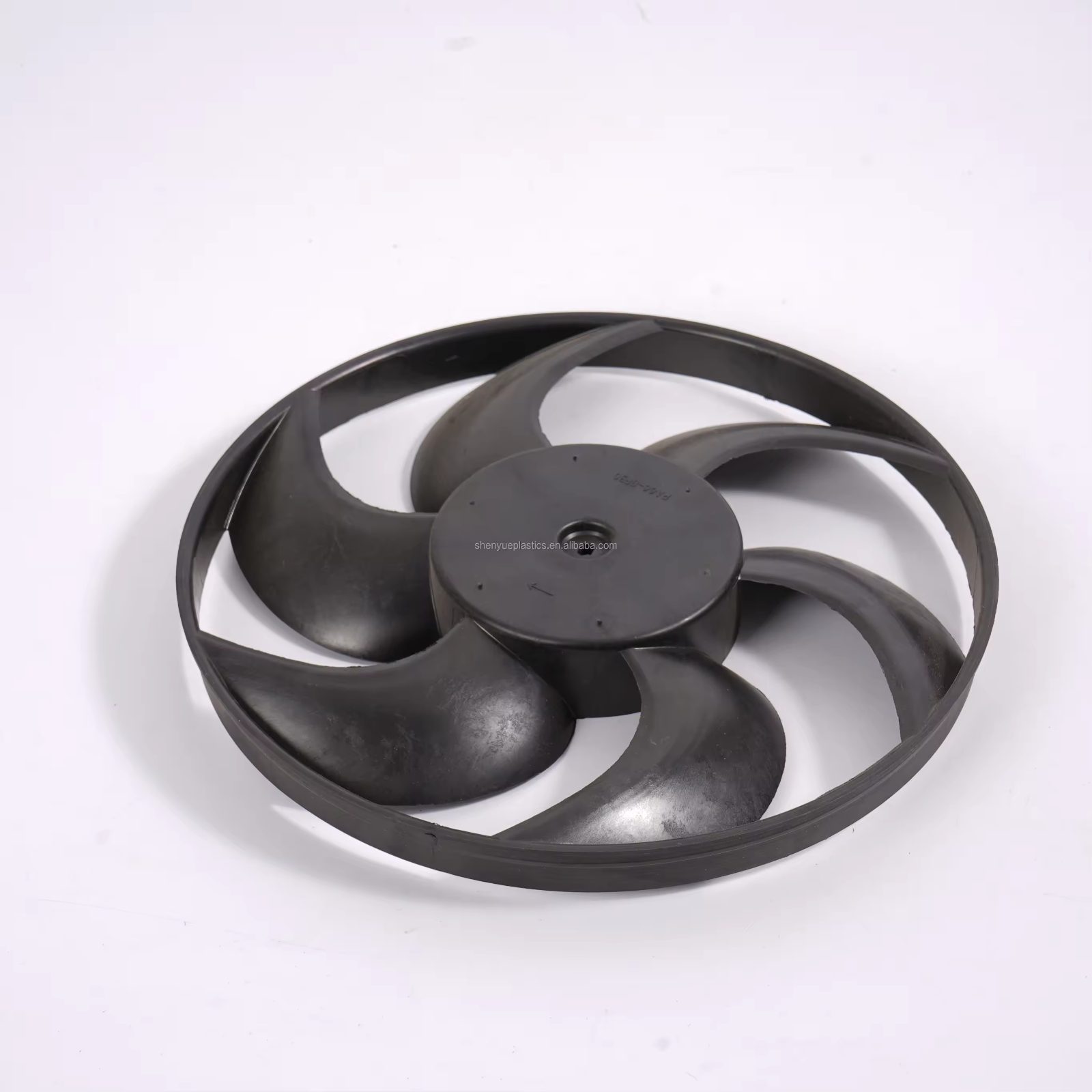
Cost Implications. The initial outlay for mold materials also plays a decisive role. While P20 offers upfront savings, H13’s longevity and reduced downtime could lead to lower operational costs over the mold’s lifespan. Ultimately, the choice between these materials should consider the specific requirements of the application, production volume, and long-term cost-effectiveness.
Material Testing and Certifications. Using tested and certified materials is crucial in maintaining manufacturing standards and reducing failure rates. Compliance with ISO 9001:2015 assures customers of consistent quality and performance. Ensuring that materials are thoroughly vetted through standard mechanical and chemical testing protocols helps preemptively address any potential material deficiencies that could compromise mold integrity.
Comparative Analysis of Injection Mold Materials
| Material | Thermal Conductivity (W/m·K) | Wear Resistance | Cost Implications | Typical Applications |
|---|---|---|---|---|
| P20 Steel | 29 | Medium | Lower initial cost, less processing | Automotive parts, general molds |
| H13 Tool Steel | 28-30 | High | Higher cost, additional treatments | Precision electronics, high-volume molds |
| Aluminum Alloys | 200-230 | Low-Medium | Varies by alloy; used for prototyping | Prototyping, light-duty components |
| S7 Tool Steel | 30 | Very High | Specialist applications, high precision | Toughness-critical mold applications |
For manufacturers considering CNC for injection molds, material selection should be a calculated decision. This consideration involves balancing between thermal and wear properties, upfront and total lifetime costs, and the intended application of the molds.
In essence, understanding these material characteristics lays the groundwork for efficiency and longevity in mold-making operations, enabling informed decisions that align with application-specific needs and economic constraints.
Machining Techniques for Mold Fabrication
In the realm of mold fabrication, CNC machining serves as a linchpin for achieving precision and efficiency.
Employing advanced CAD/CAM software, CNC milling and turning processes enable the creation of complex mold components with high accuracy and repeatability. These machining techniques are vital in producing the intricate details required in mold assemblies.
Precision requirements. Within CNC machining, the precision level varies according to the machining operation and the part’s complexity. For example, milling operations demand tight tolerances often in the ±0.01 mm range to ensure that the parts can consistently meet the design specifications and fit seamlessly in the final assembly. Such precision is particularly crucial for parts like automotive components, where we hold exacting standards to ensure product reliability and safety in rising applications of Custom Injection Molds for Plastic Automotive Components.
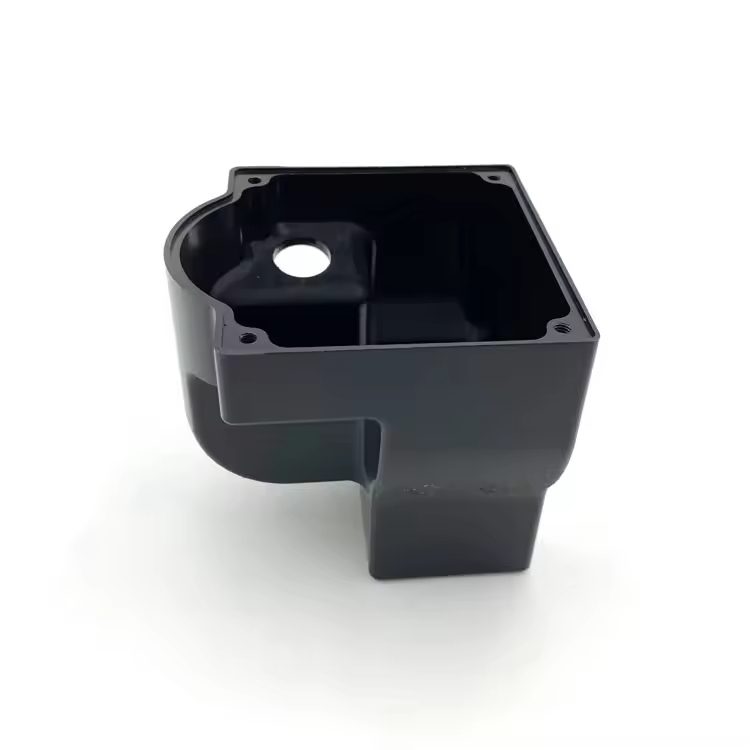
Innovations in CNC technology. Recent advancements, such as 5-axis machining, have expanded the capabilities of CNC processes. This innovation allows for the simultaneous manipulation of three linear axes and two rotational axes, providing the ability to machine complex surfaces in a single setup without re-orientation. This reduces cycle times and potential errors from repositioning, enhancing both speed and accuracy of mold production.
Factors affecting machining speed and quality. The machining speed is often a balance between material removal rates and the desired surface finish quality. Factors like tool material, machine rigidity, and cutting parameters—including speed, feed rate, and depth of cut—play critical roles in determining both the speed and quality of CNC machining. For instance, a higher cutting speed may improve efficiency but could affect tool life and surface finish, necessitating careful selection based on part requirements.
Challenges with complex geometries. CNC machining excels in creating complex geometries, but it isn’t without challenges. Intricate shapes often lead to issues such as tool interference and limited tool access. Therefore, the choice of tool shape, size, and path is meticulously planned to minimize these problems. Advanced simulations and tool path optimization, enabled by sophisticated CAM software, aid in overcoming these issues, ensuring that even the most complex mold designs are executed with precision.
By continuously integrating technological advancements and maintaining rigorous precision standards, CNC machining in mold fabrication effectively meets the demands for high-quality, intricate components. Consequently, understanding these machining nuances is critical for buyers looking to achieve superior quality molds tailored to their specific applications.
Quality Control: Ensuring CNC Machining Precision
In CNC machining for injection molds, quality control is crucial.
Without rigorous quality measures, the tiniest deviation can escalate into significant problems during injection molding, resulting in defective parts and costly delays.
Importance of Inspection. Every stage of the CNC machining process demands keen attention to detail through robust inspection methods. These methods ensure that the dimensional accuracy and surface finish meet specified tolerances, preventing deviations that could compromise the mold’s function. At Yiot Technology Co., Ltd., inspection is not merely a step in the process but an integral component of maintaining precision.
Inspection Techniques for Mold Precision
| Technique | Accuracy Level (mm) | Advantages | Limitations |
|---|---|---|---|
| Coordinate Measuring Machine (CMM) | 0.001 | High precision, multi-axis capability | Expensive, slow process |
| Visual Inspection | Varies | Quick, low cost | Subjective, operator-dependent |
| Optical Comparators | 0.002 | Non-contact, visual reference | Limited to 2D measurements |
| Touch Probes | 0.005 | Works within machine, accurate | Probe wear, not suitable for soft materials |
| Laser Scanning | 0.010 | Fast, non-contact | Low resolution compared to CMM |
Tolerances and Standards. Meeting precise tolerances is non-negotiable in mold manufacturing. Our commitment to ISO 9001:2015 certification underscores this dedication by ensuring stringent quality management practices. This certification demands not only precision but also consistency across production batches, necessitating regular audits and compliance checks.
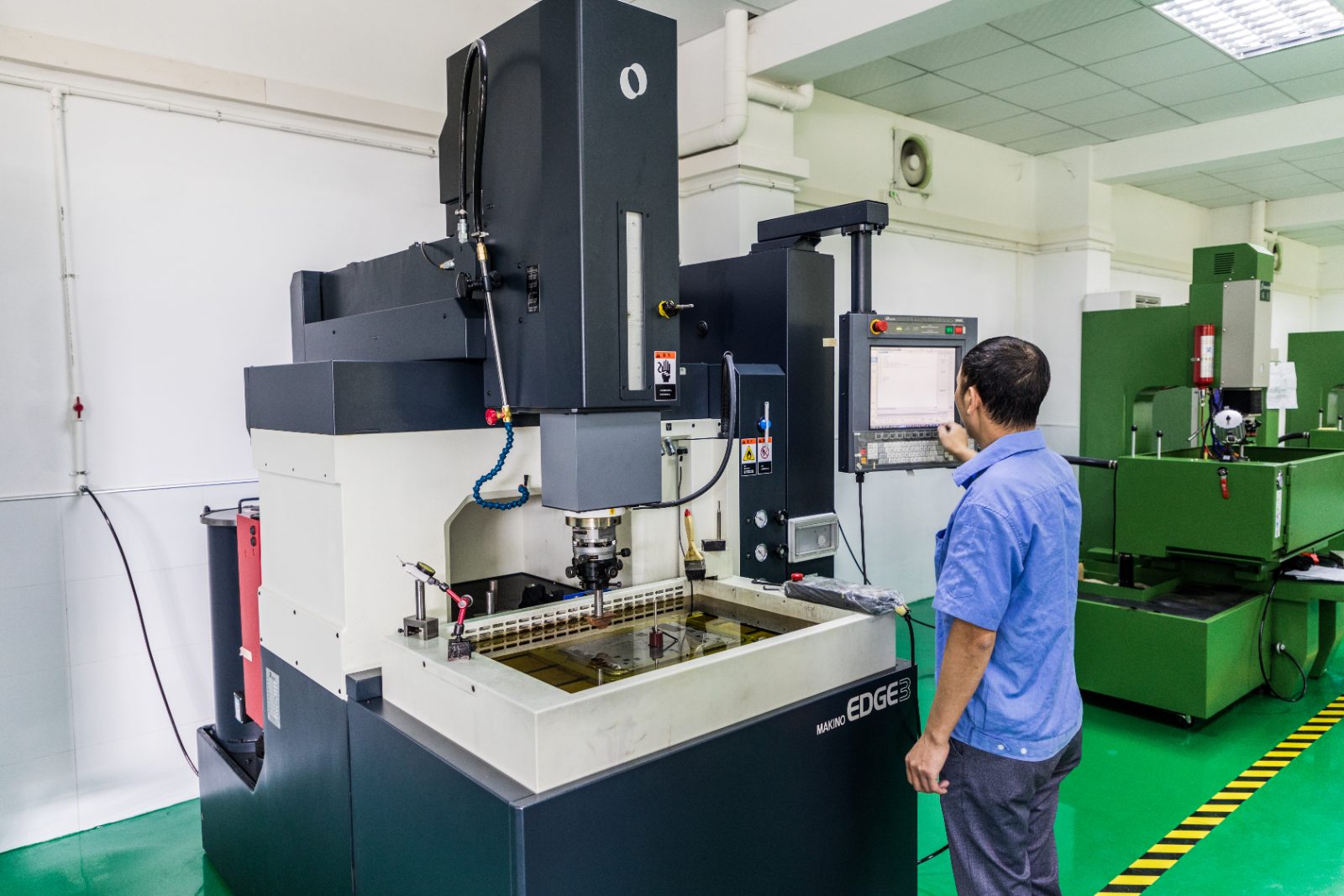
Common Defects and Mitigation. Despite best efforts, defects such as warping, burrs, or surface roughness can arise. Identifying these issues early through methods like CMM and touch probes enables prompt rectification. For example, CNC operators frequently utilize laser scanning to detect surface anomalies that might affect the mold’s functionality. Promoting continuous operator training enhances the detection and mitigation of these defects.
Maintaining high-quality production standards in CNC machining demands an ongoing commitment to detailed inspection and precise calibration of equipment. Comprehensive inspections, combined with a deep understanding of machining nuances, help sidestep defects and assure that each mold aligns perfectly with design intent. Consequently, the reliability and precision of Yiot Technology’s injection molds continue to meet the exacting demands of their diverse applications.
Customization Options and Design Flexibility
In the realm of CNC machining for injection molds, customization is the cornerstone for fulfilling specific client requirements, especially within the automotive and electronics sectors. Customization in CNC machining for mold design involves tailoring the process to create molds that meet precise specifications and constraints of prototype designs. Whether it’s for an automotive headlight or an electronics enclosure, the flexibility offered by CNC machining allows for alterations in size, shape, and functional features at various stages of production.
Flexibility is crucial when it comes to aligning with customer specifications. It empowers manufacturers like YIOT to adapt mold designs based on specific needs, avoiding the pitfalls of generic solutions. For instance, in the electronics industry, where component miniaturization continues unabated, customized molds accommodate intricate features like undercuts and complex cavities that standard molds cannot achieve. This flexibility ensures that the final product aligns perfectly with the client’s vision without compromising on functionality or aesthetic appeal.
Examples in the automotive mold sector underscore the importance of customization. Molds designed for automotive components, such as dashboards or gear levers, often require features that support both functionality and sleek design. CNC machining allows for the integration of specific design elements such as textures that provide a premium feel or intricate connections that a vehicle assembly demands. Each custom mold undergoes an iterative design process, enabling precise adjustments without extensive downtime — a critical factor in meeting tight project timelines.
Impact on production timelines is perhaps the most iterative part of customization. While adapting designs in response to client feedback can extend initial production stages, the agile nature of CNC machining counterbalances these extensions by reducing rework instances and enhancing throughput efficiency. Consequently, the ability to promptly modify designs aids in meeting deadlines without sacrificing quality, thereby optimizing production schedules.
Balancing design complexity with manufacturability is another critical aspect. Incorporating complex design elements can introduce challenges in achieving tight tolerances and maintaining structural integrity. The key is leveraging CNC technology to navigate these challenges, ensuring that design sophistication does not lead to manufacturability issues. For YIOT, this balance is achieved by coupling advanced CNC capabilities with experienced design insights, allowing for complex yet practical mold solutions. Crafting molds for the electronics industry, in particular, requires intricate features that challenge both tolerance maintenance and material limits. See how YIOT adapts to these requirements through Custom Injection Molds for Plastic Electronics Components.
Ultimately, the customization capability in CNC machining enables manufacturers to deliver products that not only meet but exceed client demands, striking a balance between innovation and practical application.
The Costs of CNC Machining for Injection Molds
Material Costs. The selection of materials significantly influences the overall cost of CNC machining for injection molds. Common materials include P20 steel and H13 tool steel, each offering different strengths and wear resistance—P20, for instance, is a versatile option with good machinability. However, its lower hardness compared to H13 tool steel makes it less suitable for high-volume production. Material costs can account for 20-30% of the total cost and need careful consideration based on the desired application and performance requirements.
Machining Expenses. Machining is the largest expense in CNC machined molds, typically comprising 50-70% of total costs. These expenses are determined by the complexity of the mold design, the precision required, and the machine run time. Advanced CNC machines with multi-axis capabilities reduce cycle time and improve accuracy but involve higher operational costs. Consequently, optimizing mold designs to facilitate easier machining can significantly reduce costs without affecting quality.
Finishing and Post-Processing. The finishing processes—including polishing and coating—ensure that the final product meets the required specifications for surface finish and durability. Depending on the material, certain finishing processes, such as hardening, might be necessary, which contributes to 10-20% of the project cost. High-precision applications, such as in automotive or medical industries, often require additional finishing steps, influencing the overall budget.
Inspection and Quality Assurance. CNC machined molds necessitate comprehensive inspection methods to verify precision and compliance with design specifications. Inspection processes, using techniques like coordinate measuring machines (CMM), account for roughly 5-10% of the costs, ensuring that molds meet stringent industry standards. While inspection adds to the upfront cost, it mitigates expensive remediation of defects that could arise from oversight.
Cost-Effective Strategies. Investing in upfront design for manufacturability (DFM) can optimize the use of material and machining time, effectively reducing waste. Collaborating with an experienced CNC supplier like Yiot Technology Co., Ltd. can help identify potential process efficiencies—thus controlling costs while maintaining quality. Additionally, leveraging advanced machining techniques allows the reduction of machining cycles and tool wear, further enhancing cost control.
Traditional vs. CNC Machining Costs. CNC machining offers significant cost benefits over traditional machining due to its efficiency and precision. The ability to automate operations reduces labor costs and accelerates production, saving on time and waste. Consequently, this precision lowers error rates, further decreasing waste and rework costs.
Production Volume Considerations. The economics of scale play a vital role in the cost structure of CNC machined molds. As production volumes increase, the tooling costs are amortized over more units, reducing the cost per unit. This dynamic makes CNC machining especially cost-effective for medium to high-volume production runs, where the initial setup and programming costs can be spread out.
A comprehensive understanding of these factors enables manufacturers to strategically manage costs, ensuring that they deliver high-quality CNC machined molds within budget constraints.
What to Consider in Your CNC Machining Projects
Key questions to ask. You’ll want to determine if the supplier can meet your specifications, verify their capabilities with past projects, and understand their approach to problem-solving.
Importance of communication. Ensure open lines to anticipate possible issues and address design changes quickly, keeping the project on track.
Understand timelines. Lead times depend on complexity and material availability — clarity here avoids unexpected delays.
Industry standards. Verifying the supplier meets standards like ISO 9001:2015 confirms reliability in quality management.
Why it matters. Always assess these factors thoroughly — the success of your project depends heavily on these elements.
Frequently asked questions
What materials are typically used for CNC machining molds?
Common materials include P20 steel, H13 tool steel, and aluminum, chosen for their durability, thermal conductivity, and wear resistance. Material selection depends on the specific applications and budget constraints.
How does CNC machining ensure high precision in injection molds?
CNC machining achieves high precision by using computer-controlled equipment to maintain strict tolerances, typically within ±0.01 mm. Quality control methods, such as 3D coordinate measurement, further ensure each component meets exact specifications.
What are the common challenges faced during CNC machining for molds?
Challenges include managing complex geometries, meeting tight tolerances, achieving smooth finishes, and selecting appropriate materials. Overcoming these requires precise planning, expertise, and sometimes adopting advanced CNC technologies.
Request a project review
Send the 3D model, 2D drawing, material requirements, annual volume and critical dimensions. The team will identify open technical questions before tooling is quoted.