Many sourcing managers assume that all custom injection molds for electronics housings offer the same level of precision and durability. However, the reality is nuanced. While custom molds are designed to meet specific needs, variations in material selection, design intricacies, and production technologies can significantly alter performance and cost. For instance, using the wrong thermoplastic could lead to premature failure under thermal stress. By understanding the differences in material properties and mold design, buyers can make more informed sourcing decisions. Dispelling these myths requires a detailed look at engineering standards. Engage with your supplier to ensure your molds are efficiently tailored to meet your specific requirements.
Key takeaways
- The belief that all custom molds are equal often stems from several overlapping sources.
- The belief that all custom injection molds deliver equal precision is widespread, often stemming from a lack of awareness about the complexities involved in mold manufacturing.
- A common misconception is that any thermoplastic material will suffice for custom electronics housings, but this belief could not be further from the truth.
- The perception that custom molds for electronics housings are inherently expensive permeates the industry, often rooted in the misconception that customization inevitably leads to high costs.
- Understanding that not all manufacturer claims guarantee a mold of high quality is the first step in ensuring a reliable product.
The Origins of Common Beliefs
The belief that all custom molds are equal often stems from several overlapping sources.
Many sourcing managers hold the false impression that every custom mold offers the same level of quality simply because they appear similar in basic function and form. Part of this misconception can be traced back to previous supplier interactions, where procurement teams may have encountered molds that varied little to the naked eye, feeding the notion that few differences exist at a broader level.
Additionally, experiences with generic marketing claims heavily influence buyer perceptions. Many suppliers tout their offerings with broad, sweeping benefits such as “precision-engineered” or “high-quality,” often without the accompanying technical specifications or proof. This lack of granular information fails to distinguish one provider from another, leading buyers to underestimate the differentiation in mold design and manufacturing.
Another contributing factor is the absence of technical details in communications with suppliers. When suppliers fail to provide clear data on tolerances, material specifications, and process validations, buyers aren’t equipped with the necessary information to evaluate the true quality and capabilities of different molds. This gap widens when buyers lack the engineering expertise required to probe deeper into what constitutes effective mold characteristics.
Ultimately, these beliefs are further perpetuated by a marketplace where pragmatism sometimes takes a backseat to efficiency. Decisions driven by tight timelines can preempt thorough evaluations, sidelining crucial aspects like ISO 9001:2015 certifications, DFM analysis, or even the specifics of dimensional stability. Buyers should ensure that they balance the need for a consistent supply chain with an in-depth assessment of mold quality by demanding technical data and insisting on thorough evaluations.
Understanding these origins allows purchasing managers to identify and rectify misconceptions before they impact business operations. By demanding technical data, reviewing past experiences critically, and seeking proof of quality through reliable standards, buyers can ensure they are making informed decisions based on facts, not assumptions.
Myth: All Custom Molds Provide Equal Precision
The belief that all custom injection molds deliver equal precision is widespread, often stemming from a lack of awareness about the complexities involved in mold manufacturing.
However, material quality plays a pivotal role in the dimensional accuracy of the final product. Different grades of steel used for mold making can significantly alter the final tolerance levels, which can affect the fit and function of electronic housings. Consequently, precision is not a given but a result of the selected materials and manufacturing processes.
ISO 9001:2015 certification serves as a crucial benchmark for ensuring consistent quality across production. This standard sets forth stringent quality management principles, including a strong customer focus and a process approach to manufacturing. Companies adhering to ISO 9001:2015, like Yiot Technology Co., Ltd., demonstrate a commitment to maintaining consistent precision and quality in their molds.
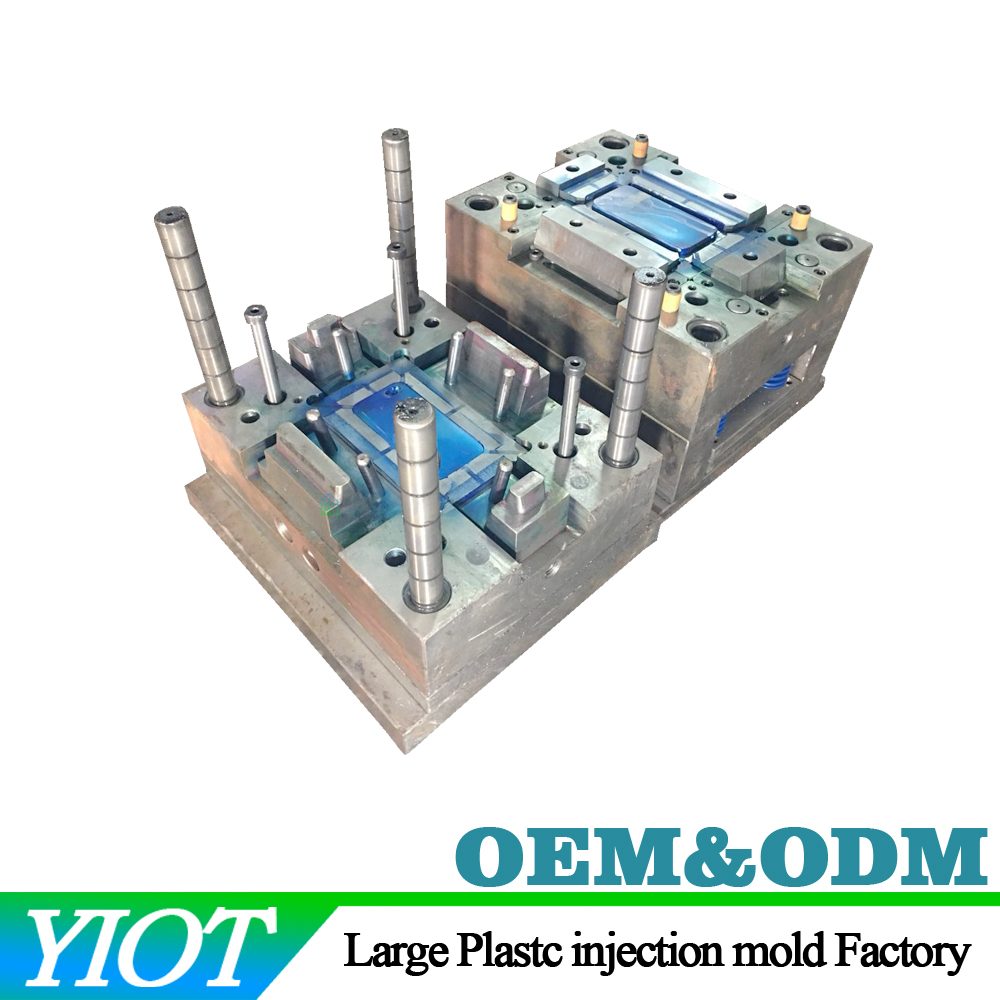
For buyers, ensuring precision in custom molds can involve asking suppliers about their inspection processes and the equipment used for dimensional checks. Advanced CNC machining and EDM (Electrical Discharge Machining) techniques are industry practices that enhance dimensional accuracy and precision in mold production.
Yiot Technology’s experience in developing Custom Injection Molds for Consumer Electronics Housings underlines their capability. As a result, buyers can rely on Yiot Technology’s molds for reliability and functionality in various electronic housing applications.
Such rigorous standards and practices dispel the myth of uniform precision across manufacturers, highlighting that precision comes from a blend of superior material selection and meticulous manufacturing processes.
Myth: Material Choice is a Minor Consideration
A common misconception is that any thermoplastic material will suffice for custom electronics housings, but this belief could not be further from the truth.
Material choice is pivotal, directly impacting both the heat resistance and impact strength of an electronic housing, which are crucial for its performance and durability.
Selecting the correct material involves understanding its properties in relation to the specific demands of the application. For instance, electronics housings must often withstand high temperatures generated by the components they enclose. Therefore, a material with excellent heat resistance is key. Acrylonitrile butadiene styrene (ABS) and polycarbonate (PC) are popular choices due to their robust thermal stability, making them suitable for components like computer casings and consumer electronics. However, incorrect selection can lead to warping or melting under heat stress, resulting in part failures.
Impact strength is yet another critical factor. In environments where electronics might undergo physical stresses, the material’s ability to absorb shock without cracking is essential. Materials like polypropylene offer excellent impact resistance, but they may fall short in thermal performance compared to polystyrene or polycarbonate. Failure to consider these properties can result in cracked housings, potentially exposing sensitive electronic components.
Choosing the right material requires a meticulous approach that takes into account the specific needs of the application. Designers and engineers should evaluate material certifications, test data, and case studies to ensure their selection optimizes both the characteristics and the cost-efficiency of their molds.
Material Selection Impacts on Mold Performance
| Material Type | Heat Resistance | Impact Strength | Best Applications |
|---|---|---|---|
| ABS | Moderate to High | Good | Consumer electronics, computer casings |
| Polycarbonate | High | Excellent | High-stress environments, lenses |
| Polypropylene | Moderate | Excellent | Portable devices, protective casings |
| Polystyrene | Low to Moderate | Poor | Insulation, low-impact environments |
| Nylon | High | Very Good | High-temperature applications |
Proper material selection serves as a fundamental factor in determining the longevity and effectiveness of electronic housings, effectively dispelling the myth that all thermoplastics are interchangeable.
Myth: Custom Molds are Always Expensive
The perception that custom molds for electronics housings are inherently expensive permeates the industry, often rooted in the misconception that customization inevitably leads to high costs.
However, several factors influence the price of custom molds, and understanding these elements can help buyers make more informed decisions.
Firstly, the cost of a custom mold is heavily influenced by its complexity and the technologies employed during manufacturing. More intricate designs require advanced engineering and additional production steps, which can drive up costs. For example, intricate features such as thin walls or complex geometries necessitate precise tooling and additional iterations in the design phase.
Materials also play a significant role in determining cost. High-performance engineering plastics, which might be necessary for specific electronics housings to meet stringent environmental or operational requirements, can be more expensive than standard plastics. But these materials may offer superior properties, such as thermal resistance or impact durability, which could justify their price in long-term application.
Design optimization is another crucial lever in reducing mold costs. Buyers should seek manufacturers who can streamline the number of parts and minimize unnecessary design complexity, reducing both material usage and cycle times. This strategic approach not only decreases the initial mold cost but can also enhance the mold’s lifecycle by avoiding excessive wear and tear caused by complex designs.
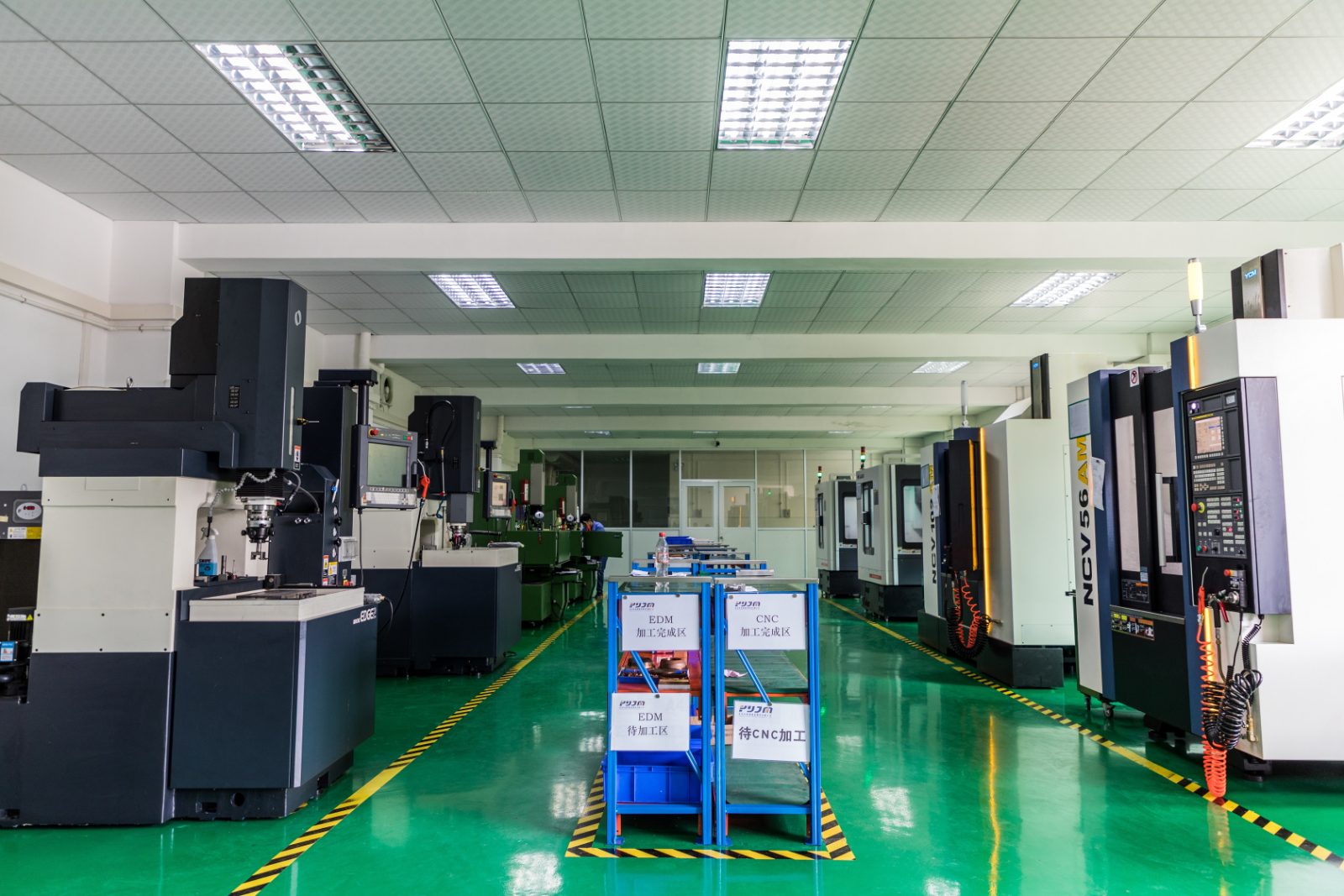
By maintaining ISO 9001:2015 certification, Yiot Technology ensures their quality management system meets international standards, aiding in achieving consistent production quality. This commitment to efficient production processes allows Yiot Technology to offer competitive pricing on custom injection molds for plastic electronic enclosures, challenging the myth that all custom molds are necessarily costly. Through careful selection of materials, thoughtful design practices, and smart process management, the expenses associated with custom molds can be mitigated significantly, making them an accessible option for many buyers.
Verifying Mold Quality Beyond Assumptions
Understanding that not all manufacturer claims guarantee a mold of high quality is the first step in ensuring a reliable product. Reviewing design specifications and tolerances is crucial. These specifications form the blueprint for the entire manufacturing process, where even minute inaccuracies can lead to costly errors. Confirm that the quality management systems in place conform to standards such as ISO 9001:2015. This internationally recognized standard emphasizes quality management systems, which ensures consistent product quality.
Asking the right questions about Design for Manufacturability (DFM) analysis and inspection reports is also key. DFM ensures that the design is optimized for manufacturability, minimizing cost while maximizing quality. Make sure to ask for documented DFM analysis that covers aspects like draft angles, rib thickness, and potential undercuts, which can affect a mold’s performance and reliability. Reputable manufacturers should provide detailed inspection reports demonstrating conformity to the defined tolerances for all critical dimensions—this includes measurements down to micrometers and ensuring the tools are aligned before production begins.
Furthermore, when it comes to ensuring mold quality, consider prioritizing detailed inspections and stringent quality controls as part of general industry practice. Verify mold quality through in-process inspections and final checks. This includes inspecting dimensions and tolerances of manufactured molds before they leave the facility. General industry practice recommends that quality assurance processes be in place to eliminate inconsistencies, maintaining a tight rein on the quality delivered.
Regular preventive measures, not just corrections, are advised to ensure mold quality is maintained throughout its lifecycle. This involves regularly scheduled mold maintenance and performance evaluations under simulated production conditions, helping to keep molds in peak operational condition and extend their lifespan.
Ultimately, steering away from assumptions and diving deep into the specifics of a manufacturer’s quality assurance processes fosters transparency and confidence in the molds procured. It’s these detailed steps and inquiries that ensure each mold meets the high standards necessary for electronic housing applications.
Making Informed Sourcing Decisions
Questioning myths during mold procurement is crucial for robust decision-making.
Dispelled myths can transform perceptions, leading to better strategic choices by focusing on verifiable quality and not marketing claims. Key factors like material selection, precision, and compliance with quality standards such as ISO 9001:2015 should guide sourcing strategies. Yiot Technology Co., Ltd. provides custom injection molds for various applications, including electronic housings. Choosing the right supplier arms buyers with the tools needed for competitive edge.
Frequently asked questions
What are the key features to look for in a custom injection mold?
Key features include precision in design, material suitability for specific applications, and comprehensive DFM analysis. It’s crucial to ensure that the manufacturer adheres to ISO 9001:2015 standards for quality management systems.
How can I reduce costs without compromising mold quality?
Cost reduction is possible by optimizing the mold design and choosing materials that balance performance and cost. Collaborating with a manufacturer who offers expertise in efficient design practices is also beneficial.
Request a project review
Send the 3D model, 2D drawing, material requirements, annual volume and critical dimensions. The team will identify open technical questions before tooling is quoted.