Many buyers believe a detailed RFQ leads to quick, precise quotes for custom injection molds. However, incomplete or vague RFQs are the main culprits that cause slow responses from suppliers. To expedite the quoting process, ensure your RFQ includes precise material types, anticipated production volumes, and detailed design complexity specifications. Use this guide to craft a comprehensive RFQ that aligns with your project requirements, aiding in faster, more accurate communication with mold manufacturers. Complete your RFQ correctly, and it will save time, reduce misunderstandings, and lead to more precise cost estimations.
Key takeaways
- Despite best intentions, many RFQs for custom injection molds encounter slow responses due to a few recurring pitfalls.
- When preparing an RFQ (Request for Quotation) for custom injection molds, it is crucial to include comprehensive details to ensure accurate and timely responses from suppliers.
- Design files. The complexity of a mold is significantly affected by the design files included in an RFQ.
- Creating a comprehensive RFQ (Request for Quotation) for custom injection molds demands precision and detail that aligns with the specific needs of your automotive component project.
- Once you’ve sent your Request for Quotation (RFQ) for custom injection molds for plastic automotive components, the supplier begins their comprehensive review process.
Why Most RFQs Receive Slow Replies
Despite best intentions, many RFQs for custom injection molds encounter slow responses due to a few recurring pitfalls.
Suppliers often find themselves uncertain about the requirements because the RFQ lacks key details.
Imprecise material specs. One major omission involves specifying the resin grade or the intended use case of the plastic. Without these insights, a supplier cannot accurately estimate tooling costs or evaluate the mold’s durability against specific environmental stresses, such as exposure to UV light or chemicals.
Unclear dimensions and tolerances. Equally problematic is when RFQs include vague or incomplete dimension details. If the RFQ only states “tight tolerances” without exact numbers, suppliers struggle to assess feasibility. Instead of guessing, suppliers need explicit dimensions and tolerances critical to function, especially for components like automotive parts where precision is crucial.
Production volume oversight. Many buyers overlook specifying expected production volumes. This absence significantly stalls the RFQ process, as the volume influences mold design, material choice, and budgeting. For example, a mold for low-volume production might be designed differently than one intended for millions of cycles, affecting both the upfront investment and potential cost efficiencies over the product’s life.
Supplier challenges. When details such as surface finishes are missing, suppliers cannot provide an exhaustive estimate. Without understanding whether a polished, textured, or matte finish is required, suppliers might offer a conservative estimate, often leading to dissatisfaction on both sides once the final quote is provided.
These omissions not only slow the RFQ process but can also lead to back-and-forth communication to fill gaps, consuming valuable time. Consequently, an incomplete RFQ not only delays the supplier’s ability to offer a quote but can also impact the accuracy and relevance of that quote, making it imperative for buyers to provide a comprehensive picture upfront.
The Essential RFQ Checklist
When preparing an RFQ (Request for Quotation) for custom injection molds, it is crucial to include comprehensive details to ensure accurate and timely responses from suppliers.
Design Files and Material Specifications. A complete set of design files, such as 3D CAD models and 2D drawings, is mandatory. These should clearly indicate all critical dimensions and part tolerances. Specifying tolerances reduces ambiguity and ensures the mold will produce parts according to exact specifications. Material specifications should include the type, grade, and any relevant performance requirements, ensuring the mold is suitable for the intended application and environmental conditions.
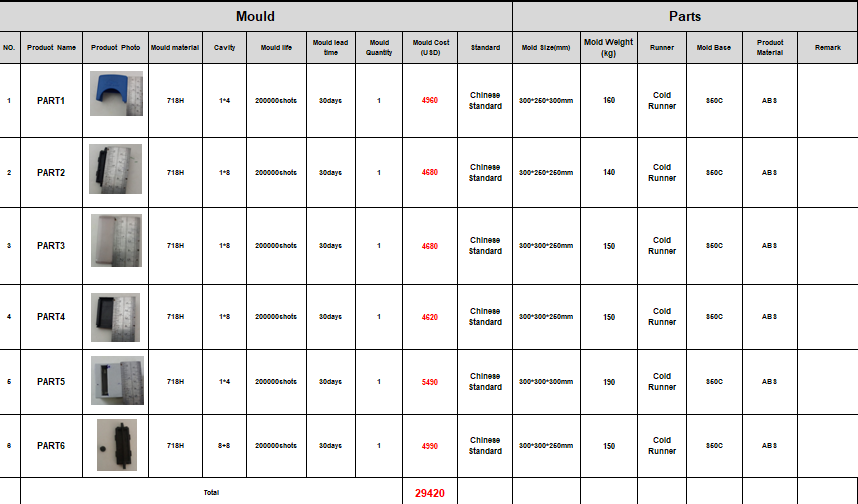
Production Volume and Surface Finishes. Estimating the production volume is essential for determining the appropriate mold type and cost implications. The RFQ should also detail any surface finishes or textures needed for the parts. Surface finish details influence the mold design and finishing processes, impacting both cost and lead time.
Critical-to-Function Features. Clearly describe features that are critical to the function of the molded parts in the RFQ. This might include sealing surfaces, optical clarity areas, or snap-fit elements. Details on these features ensure they are prioritized in the mold design and manufacturing process.
Essential RFQ Elements for Custom Injection Molds
| Design Files | Material Specifications | Production Volume | Surface Finishes | Critical Features |
|---|---|---|---|---|
| 3D CAD, 2D Drawings | Type, Grade, Performance | Estimated Units | Specified Texture | Sealing Surfaces |
| Tolerances | Environmental Conditions | Optical Clarity | Snap-Fit Elements | |
| Datum Points | Chemical Resistance | High Gloss | Load-Bearing Points | |
| Critical Dimensions | Heat Resistance | Matte or Satin | Cosmetic Features | |
| Assembly Notes | Mechanical Properties | Custom Etching | Functional Alignment | |
| Inspection Methods | Thermal Expansion Coefficient | Micro-structures | Resistance to Wear |
Including these elements will enable clear and efficient communication with suppliers, helping to avoid common setbacks and supporting the successful sourcing of packing and shipping specifications for injection molds.
Impact of Each Checklist Item on Quotes
Design files. The complexity of a mold is significantly affected by the design files included in an RFQ. Accurate 3D CAD models with detailed dimensions and critical-to-function features allow for precise determination of mold complexity. More intricate designs can lead to higher tooling costs due to the necessity for advanced machining and potential increase in production time. For instance, incorporating undercuts or complex geometries often requires additional manual intervention or specialized inserts, which can substantially raise costs.
Material specifications. Specifying the material for your automotive components plays a crucial role in defining both pricing and lead time. Each plastic material, such as Polypropylene or ABS, has distinct molding temperatures and flow characteristics, influencing mold requirements and cycle times. Some materials may require special cooling systems or specific mold coating to improve wear resistance, impacting both the price and the production schedule. Additionally, material availability and its impact on sourcing logistics can either extend or reduce lead times.
Production volume. The volume of production you’re anticipating has a direct impact on the type of mold suitable for the job. High production volumes generally justify the cost of a more durable, typically steel, mold due to its longevity and resistance to wear over large number of cycles. On the other hand, lower volumes might be more economically handled with aluminum tooling, which is generally less expensive but wears faster. This trade-off affects the initial investment and long-term efficiency of ongoing production.
Surface finish requirements. These have a profound effect on manufacturing feasibility. Finishes that demand high polish or specific texture patterns can introduce additional steps in the manufacturing process, such as sanding or chemical etching, thus increasing both costs and lead times. Careful specification of surface finishes from the start avoids miscommunications and rework, streamlining production. Knowing how custom injection molds for automotive components are designed helps in understanding these potential adjustments.
Annotated Example: Complete RFQ Submission
Creating a comprehensive RFQ (Request for Quotation) for custom injection molds demands precision and detail that aligns with the specific needs of your automotive component project.
A well-structured RFQ ensures accurate quotes and smooth collaboration. Here’s an example of how to effectively complete an RFQ submission.
Starting with design files. It’s advisable to include detailed 3D CAD models and 2D drawings in your RFQ. Specify critical dimensions, tolerances, and resin grades. For instance, use a STEP format for the 3D model and include a PDF of the 2D drawings. Indicating parts such as snap fits and sealing surfaces helps any prospective manufacturer assess mold complexity accurately.
Material specifications are crucial. Clearly state the type of plastic required, like ABS or PC/ABS, along with any color and texture requirements. Mention any special material properties needed, such as UV resistance if the part will be exposed to sunlight. This part is often overlooked, leading to mismatches in expectations and resulting in cost increases.
Production volume details. Clearly define the expected production volume. For example, specifying an initial lot of 10,000 units can influence the type of mold base required and dictates the tooling investment level. Mold pricing closely ties to volume; thus, providing this upfront avoids surprises in quotes.
Address surface finishes. Accurately specify the surface finish, like SPI-A2 or a textured matte finish. Overlooking this detail can lead to rework or inconsistencies in the final product appearance.
Highlighting critical features. When critical features are included, such as venting design, ensure these are clearly annotated on diagrams to provide clarity and prevent miscommunication that could result in defects or underperformance.
By carefully crafting each section, you avoid common pitfalls such as vague material descriptions or unclear dimension specifications, which often lead to misquotes and delays.
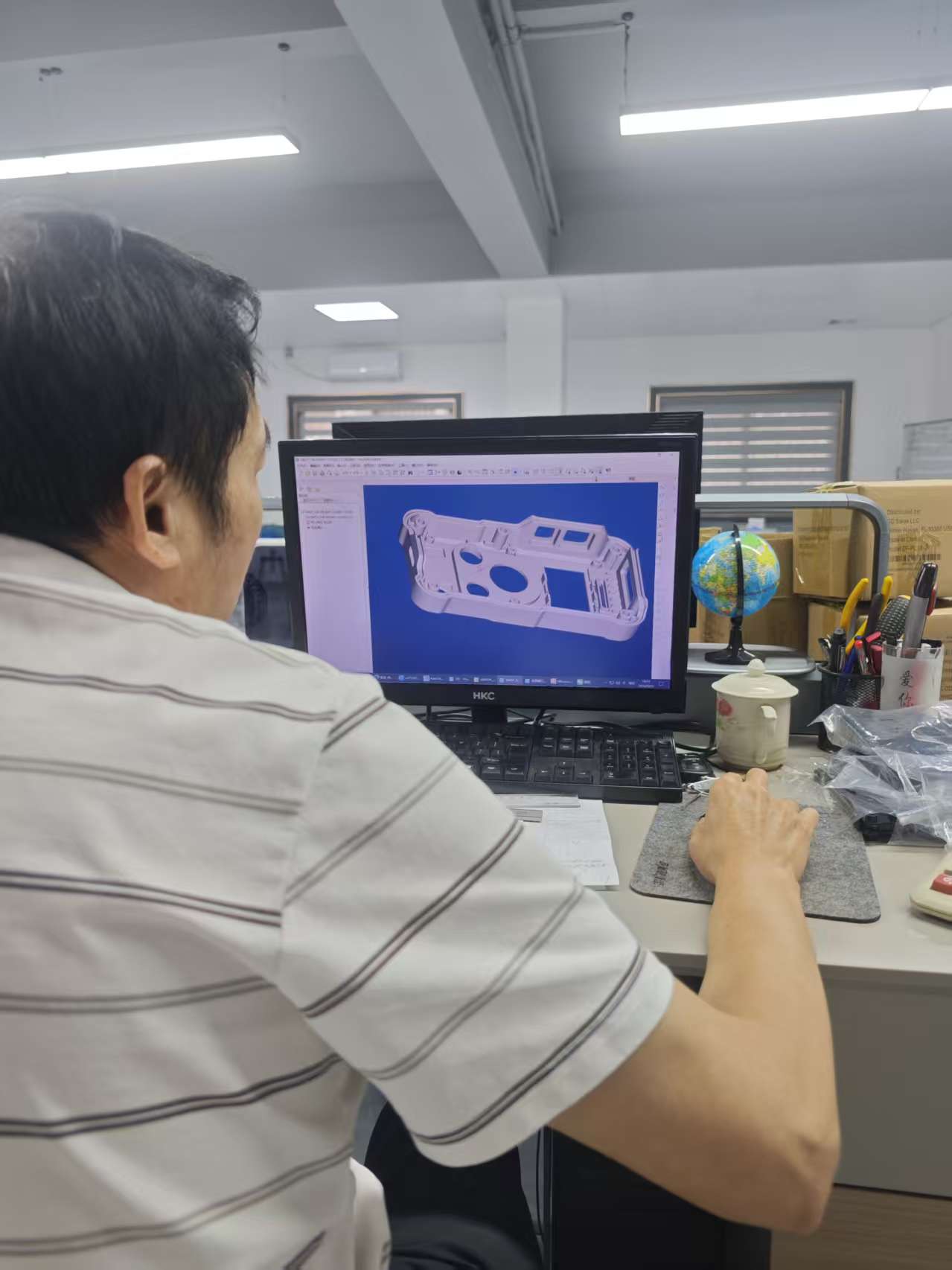
Clarity and precision in an RFQ generally allow for faster processing, reduce back-and-forth communications, and ensure smoother collaboration from quotation to production. This standard approach ultimately saves time and cost for both parties.
What Happens After Sending the RFQ
Once you’ve sent your Request for Quotation (RFQ) for custom injection molds for plastic automotive components, the supplier begins their comprehensive review process.
Industry best practice advises assessing the completeness and clarity of your provided information. Any missing details might delay further steps, so having a solid RFQ foundation is crucial.
Initial Review. The first stage typically involves a team of engineers and project managers who scrutinize the RFQ. They ensure that all critical data, including part design files, material specifications, production volumes, and critical-to-function features, align with the original requirements provided. This stage is not just about ticking boxes; it’s an integral part of ensuring that design complexities and manufacturing feasibility are properly scoped. Expect this initial phase to take around 1–3 business days.
Specification Validation. Post-review, suppliers validate the specifications against their capabilities and resources. This includes verifying if the requested tolerances, materials, and finishes can be effectively produced with existing tools and processes. They may run simulations or preliminary assessments to anticipate potential production challenges.
Quotation Timeline. Assuming no information is missing, the time to receive a detailed quote typically spans 5–10 business days from RFQ receipt. This timeline is influenced by the RFQ’s complexity and the supplier’s current workload — suppliers with ISO 9001:2015 certification generally adhere to systematized review processes to maintain efficiency.
Post-RFQ Communication. Communication plays a critical role post-submission. Suppliers may reach out for clarifications, negotiation on terms, or adjustments if changes are required. Timely responses can prevent delays and ensure the quote reflects all technical and commercial expectations accurately.
In the end, the RFQ is more than just a request; it’s a dynamic document that sets the stage for collaboration between you and the supplier. With clear and open communication post-submission, you can mitigate any potential surprises down the line.
Deciding Next Steps for Your RFQ
First, cross-check your RFQ against the essential checklist to confirm every necessary detail is in place — completeness is key for smooth processing.
Establish a plan for proactive communication with suppliers after submission to address any clarifications they might need promptly. Be ready to make adjustments based on supplier feedback; flexibility can enhance quote accuracy. To ensure a seamless RFQ handling process, consider requesting thorough preliminary reviews from potential suppliers to help progress towards accurate and timely quotations.
Frequently asked questions
How detailed should the RFQ be?
For accurate quotes, include comprehensive details such as design files, material specifications, tolerances, and production volumes in your RFQ. The more detailed the RFQ, the more accurate the quotes will be. Missing details often lead to delays and revisions.
What if I don’t know the material specifications?
If you’re unsure of the material specifications, indicate possible options and discuss with your supplier. Experienced suppliers can offer recommendations based on the application’s needs and performance requirements.
How long do suppliers take to respond to an RFQ?
Generally, suppliers respond within a week. However, this depends on the completeness of the RFQ. Missing details usually delay the process, as suppliers may need to reach out for additional information before providing a quote.
Can I send an RFQ without a 3D model?
While possible, it’s not recommended. A 3D model ensures accurate communication of design intent and reduces misinterpretation risks. If a 3D model is unavailable, ensure detailed 2D drawings are provided for maintaining clarity in the specifications.
Request a project review
Send the 3D model, 2D drawing, material requirements, annual volume and critical dimensions. The team will identify open technical questions before tooling is quoted.