“What do I need to consider when choosing a plastic injection molding manufacturer in Dongguan?” This is a common question among buyers seeking high-quality, precision-engineered plastic parts. Selecting the right manufacturer involves understanding their capabilities, quality standards, and customer service. Companies like Yiot Technology Co., Ltd., equipped with ISO 9001:2015 certification, demonstrate the commitment to quality assurance that buyers should expect. Ensuring that the manufacturer has robust production capabilities and inspection processes in place is vital. Dongguan, a major hub of plastic manufacturing, offers diverse options, but the right choice will align with your specific product requirements and volume needs. It’s not just about proximity; it’s about finding a partner that understands and meets your project’s demands.
Key takeaways
- Choosing the right injection molding manufacturer requires scrutinizing several key criteria to ensure both quality and efficiency.
- ISO 9001:2015 certification is a cornerstone in ensuring systematized management processes, which can contribute to improved quality assurance across the manufacturing industry.
- Production capacity is crucial when selecting a plastic injection molding supplier for your needs.
- When vetting potential injection molding manufacturers, ensuring they clearly understand your project starts with sending comprehensive part designs.
- When a supplier’s performance doesn’t meet expectations in terms of quality or lead times, knowing your options is crucial.
What Are the Key Criteria for Choosing an Injection Molding Manufacturer?
Choosing the right injection molding manufacturer requires scrutinizing several key criteria to ensure both quality and efficiency.
One essential factor is the manufacturer’s certification. ISO 9001:2015 certification is a crucial benchmark, indicating a commitment to standardized quality management systems. This certification helps manufacturers improve their processes, thereby ensuring a consistent output quality that aligns with international standards.
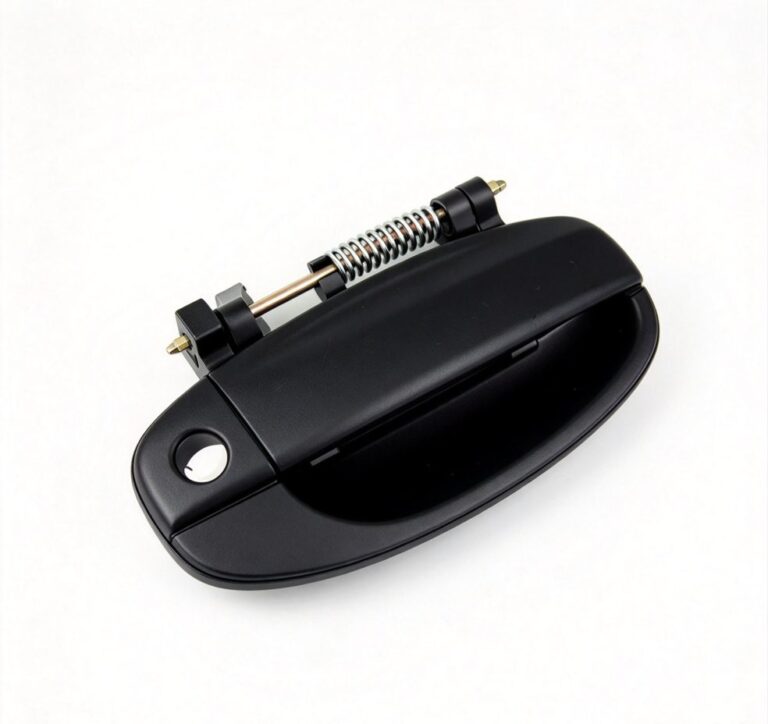
Examining the manufacturer’s experience, particularly with custom injection molds for similar products, is equally vital. A seasoned manufacturer like Yiot Technology Co., Ltd., known for its expertise in custom molds for plastic automotive components, can better anticipate potential challenges and innovation requirements. Furthermore, it is critical to evaluate the range of materials the manufacturer uses. Different projects may need varied materials, and a broad material capability can enhance product performance and application suitability.
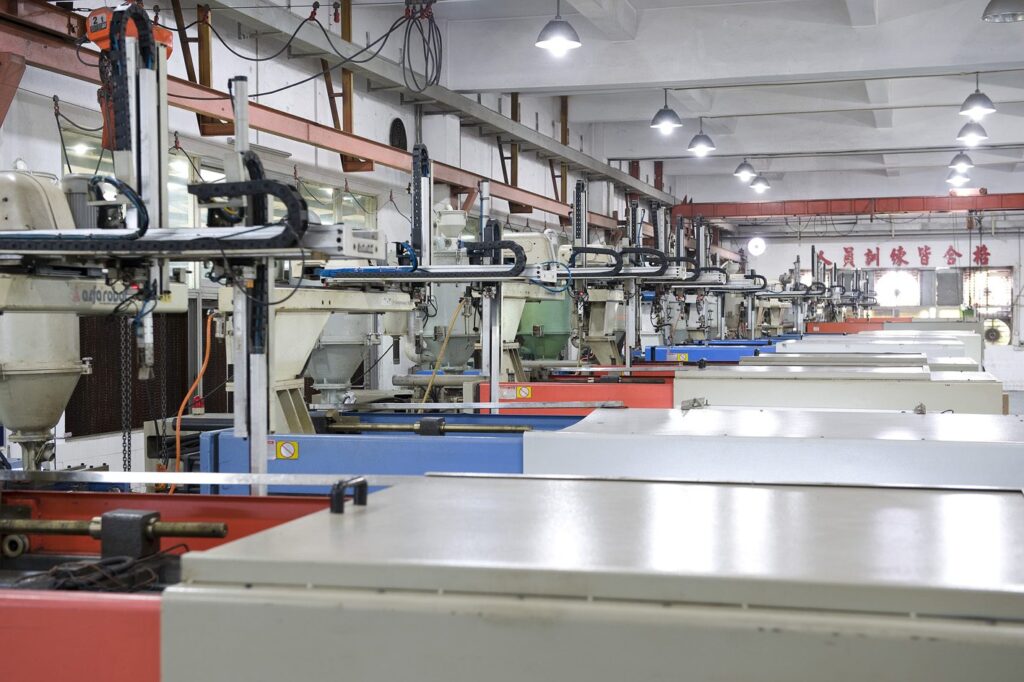
Another significant factor is production capacity. Whether you’re looking at small-batch production or large-scale manufacturing, the manufacturer should have the ability to scale according to your needs without compromising on lead times or quality. Finally, DFM analysis is a key offering to look for in a manufacturer. This analysis helps optimize part designs for efficient manufacture, reducing costs and improving functionality.
Key Criteria for Choosing a Manufacturer
| Certification | Experience | Material Compatibility | Production Capacity | DFM Analysis |
|---|---|---|---|---|
| ISO 9001:2015 | Custom molds for automotive components | Broad range: ABS, PP, etc. | Both small and large runs | Offers comprehensive DFM review |
| ISO 9001:2015 | Experience in plastic air purifier parts | Compatible with multiple resins | High-volume capabilities | Detailed design optimization |
| ISO 9001:2015 | Expertise in various industries ensuring adaptability | Handles engineering plastics | Custom capacity solutions | In-depth manufacturability guide |
| ISO 9001:2015 | Familiar with specialized plastic components | Supports specialized polymers | Scalable production lines | Collaborative design feedback |
Evaluating these criteria ensures that the manufacturer you choose can meet the technical demands of your project while maintaining quality and efficiency. By focusing on these aspects, businesses can secure a reliable manufacturer capable of facilitating successful product development.
Why is ISO 9001:2015 Certification Important?
ISO 9001:2015 certification is a cornerstone in ensuring systematized management processes, which can contribute to improved quality assurance across the manufacturing industry.
For manufacturers like Yiot Technology Co., Ltd., this certification illustrates a commitment to quality management practices that align with international standards. It requires process control and monitoring as part of a quality management system, thereby minimizing the risk of defects. With standardized processes, manufacturers can achieve greater production efficiency, translating into cost-effective and timely completion of projects.
Additionally, the ISO 9001:2015 framework provides a structured approach to continuous improvement. By adhering to its guidelines, manufacturers can systematically identify areas for enhancement, implement solutions, and assess their effectiveness. This cyclical process not only boosts the quality of the output but also sharpens the overall operational efficiency of the production line. Such improvements lead to reduced wastage and optimized resource utilization, essential factors in a competitive market.
For international buyers, ISO 9001:2015 certification signals reliability and professionalism. In an era where supply chain reliability is paramount, certification offers clientele assurance in the consistency and quality of outputs. Aligning with ISO standards is not just about meeting expectations; it positions a manufacturer as a credible partner capable of addressing dynamic global demands. This trust becomes a decisive factor for OEMs and ODMs seeking long-term, dependable partnerships.
Industry-wide, ISO 9001:2015 certification has become an expectation rather than an exception. While it bolsters a company’s reputation, the real value lies in the operational discipline it instills. Ensuring comprehensive quality management and fostering an environment conducive to innovation and excellence, this certification remains crucial for manufacturers aiming to maintain competitiveness and trust in the global marketplace.
How Does Production Capacity Affect Supplier Selection?
Production capacity is crucial when selecting a plastic injection molding supplier for your needs.
Not only must the supplier be able to handle your current order volume, but they also need the aptitude for scaling up production as your requirements evolve. For instance, confirming the supplier’s machine press count and the variety of mold types they can handle — from simple bottle caps to complex automotive components — aids in understanding their scalability. A typical reassurance might come from knowing they manage dozens of machines across multiple shifts, allowing flexibility and the ability to ramp up production under demand.
Equally important is the supplier’s ability to maintain reasonable lead times. Due to the complex nature of injection molding schedules and possible customizations, the capability to adjust these schedules based on customer demand is vital. Production slots should be confirmed once the order is placed — a reminder that exact lead times can’t typically be promised in advance due to the need for custom setups and unforeseen disruptions.
Assessing the variety of molds and parts a manufacturer can produce will give you an insight into their flexibility. A supplier like YIOT, for instance, might offer a broad range of molds spanning various industries, indicating their expertise and capacity to accommodate unique requirements. Past client examples can further illustrate the supplier’s operational efficiency and adaptability; examining case studies where they’ve rapidly increased output for high-volume orders can provide reassurance.
Delve into examples of scalability and flexibility in manufacturing by considering past project timelines and production outcomes. Paying attention to how these elements are managed can clarify how well the supplier could support your long-term growth and production goals.
For more insights on critical selection criteria, see our guide on Choosing a Precision Injection Molding Supplier in China.
What Should I Check or Send To Potential Manufacturers?
When vetting potential injection molding manufacturers, ensuring they clearly understand your project starts with sending comprehensive part designs.
These designs should include complete CAD files, specifying all critical dimensions and tolerances. Without precise CAD drawings, manufacturers can’t accurately predict mold costs or guarantee functional parts. Clear communication at this stage sets a solid foundation.
Another critical element is a detailed list of material specifications and tolerances. Consider specifying the type of plastic, whether it’s ABS, polycarbonate, or another material, along with its thermal and mechanical properties. Such specifics prevent material mismatches and ensure the final product meets performance requirements. Tolerable dimensional variances must also be communicated to avoid redesigns or costly rework.
Surface finish specifications, whether matte or glossy, or textures such as grained or smooth, should also be included. These details might seem minor but can significantly affect the visual appeal and functionality of the end product. Document these requirements in detail to help avoid misinterpretations.
Defining expected production volumes and timelines early in the process is essential. Inform manufacturers of the batch sizes and anticipated growth in demand. This allows them to model their production schedules accordingly and offer more accurate pricing and lead time estimates. Production timelines help them align material sourcing and labor allocation, preventing bottlenecks.
Don’t overlook compliance and regulatory requirements. Communicate any necessary industry standards or environmental certifications your product must meet. This could be crucial for sectors like automotive or medical devices, which demand strict adherence to standards. Thoroughly covering these requirements ensures manufacturers like Inside Look: Mold Assembly and Fitting for Precision Injection Molding can meet your specifications accurately.
By setting detailed expectations from the outset, you set the stage for fruitful engagements with potential manufacturers.
What Are My Options If Quality or Lead Times Fall Short?
When a supplier’s performance doesn’t meet expectations in terms of quality or lead times, knowing your options is crucial.
First, addressing quality issues can involve performing a supplier audit, which should focus on the manufacturer’s adherence to standards like ISO 9001:2015. Frequent audits ensure consistent quality and adherence to processes. If adjustments are needed, a transparent discussion with the supplier can help rectify any discrepancies before they become chronic concerns.
Supplier audits can also assess the supplier’s capacity to meet production schedules. If repeated delays occur, it might be necessary to develop a contingency plan. This plan may include identifying alternative manufacturers who can take over production if lead times or quality continue to fall short. Having backup agreements in place ensures that production isn’t halted, safeguarding against business interruptions.
Flexible contract terms are another critical consideration. Including clauses that allow adjustments based on the supplier’s performance provides a way to renegotiate terms if quality or timeliness issues arise. Penalty clauses can be particularly effective, incentivizing the supplier to meet delivery targets by imposing financial consequences if they fail to do so. Such clauses encourage the supplier to maintain high standards and priority for your orders.
Furthermore, maintaining open communication channels is vital. Regular updates and reviews with your supplier keep them accountable and allow you to address potential problems before they escalate. This proactive approach can significantly minimize disruptions caused by quality concerns or lead time issues.
Ultimately, choosing a manufacturer with a strong reputation for flexibility and reliability is essential to mitigate risks associated with these common industry challenges. Consequently, maintaining these safety nets ensures that your production will remain on course despite any arising hurdles.
Checklist for Evaluating a Precision Injection Molding Manufacturer
When selecting a precision injection molding manufacturer, we start by ensuring their ISO 9001:2015 certification is up-to-date.
This standard is crucial for maintaining rigorous quality management systems, which facilitates consistent product quality. A current certification confirms that the manufacturer adheres to practices that enhance customer satisfaction and implies ongoing compliance with internationally recognized quality standards.
Next, review the range of materials the manufacturer can handle. A versatile manufacturer should be adept at working with various resins, notably ABS, polycarbonate, and nylon, which covers broad applications from consumer electronics to automotive components. Some manufacturers may also manage specialty materials like polyetheretherketone (PEEK) or thermoplastic elastomers (TPE), indicating capability beyond conventional plastics.
Ensuring the manufacturer has a robust inspection process and a quality control strategy is vital. Look for evidence of using advanced metrology equipment, such as CMMs (Coordinate Measuring Machines), for precise part measurement, and ask about their inspection protocol for mold components to finished parts. This process should include in-process checks to catch defects early, reducing rework and ensuring parts meet specifications consistently.
Additionally, assess their ability to produce complex or intricate parts. Their technical knowledge should extend to crafting molds capable of high precision and complex geometry, which are often required for niche industries like medical devices or aerospace. This capability might be supported by CNC machining and EDM (Electrical Discharge Machining) equipment, essential for achieving tight tolerances.
Finally, evaluate the post-manufacturing support they offer, such as secondary operations. The ability to provide services like ultrasonic welding, pad printing, or overmolding can add significant value by reducing supply chain complexity for businesses.
Each of these components contributes to selecting a manufacturer that can meet specific project needs, ensuring quality and reliability from design to delivery.
Making the Final Decision: Choosing the Right Injector Mold Manufacturer
Aligning the capabilities of a potential supplier with your project needs is crucial.
It’s not just about immediate needs—consider the long-term potential for a partnership that supports your evolving goals. Trust, communication, and transparency must be central to the relationship. Test that fit by placing a sample order and establishing an inspection cycle, ensuring both sides align before committing fully.
Frequently asked questions
What is the typical lead time for injection mold production?
Lead times for injection mold production vary based on order size and complexity. It’s best to discuss your particular project needs early with your supplier to achieve your desired timeline.
How can I verify a manufacturer’s quality standards?
Verify quality standards by checking certifications such as ISO 9001:2015 and requesting references from past clients. Visiting the manufacturer’s facility can also provide insights into their processes and quality control measures.
Why is material compatibility a crucial factor?
Material compatibility ensures that the mold can effectively process the plastics you require for your product. It’s essential for maintaining functionality and meeting product specifications.
What information should I provide in an RFQ?
Provide detailed designs, material specifications, expected volumes, and any special requirements with your RFQ. This helps manufacturers assess their capability to meet your needs and deliver a precise quote.
Can I request custom mold changes during production?
Yes, custom mold changes can often be accommodated; however, they may affect the production schedule and costs. Communicate any changes as early as possible to manage timelines effectively.
Request a project review
Send the 3D model, 2D drawing, material requirements, annual volume and critical dimensions. The team will identify open technical questions before tooling is quoted.