Many manufacturers believe that sending just the basic part design is enough to get a precise quote for custom injection molds for plastic parts. However, this approach often leads to delays and vague quotes as critical information is missing. Providing a detailed RFQ, including specifics on materials, expected volumes, and quality demands, ensures manufacturers can respond with accurate pricing and reduce back-and-forth communication. A thorough checklist might involve including detailed CAD models, specifying the material type, expected tolerances, and surface finish required. Supplying this information upfront significantly aids manufacturers in delivering precise custom mold solutions tailored to your specific needs.
Key takeaways
- In the custom injection mold industry, a well-crafted RFQ (Request for Quotation) is often the first step toward a successful partnership.
- Wall thickness. When drafting an RFQ for custom HVAC molds, provide comprehensive CAD models that include defined wall thicknesses and tolerances.
- Detailed CAD models. One of the first elements suppliers look for in your RFQ is a detailed CAD model, which directly impacts design accuracy and tooling complexity.
- Consider a well-crafted RFQ submission tailored for custom HVAC mold components.
Why Most RFQs Get a Slow or Vague Reply
In the custom injection mold industry, a well-crafted RFQ (Request for Quotation) is often the first step toward a successful partnership.
However, many RFQs receive slow or vague replies, largely due to inadequate detail and inconsistency in the initial request.
Inadequate Details. One of the most common pitfalls in RFQs is the lack of comprehensive details. When buyers send requests with missing information on dimensions, tolerances, or design specifications, it leaves substantial ambiguity. Suppliers need precise data to provide a detailed quote for complex mold designs.
Lack of Standardized Materials. When RFQs fail to specify standard materials, it often leads to confusion and delays. For instance, if the RFQ does not clearly state whether the material should be ABS or polycarbonate, suppliers might need to seek clarification, thus delaying the response. Specifying the material upfront helps in accurately estimating costs and lead times.
Volume Expectations. Inconsistencies in volume expectations are another hurdle. RFQs that do not specify the production volume—whether it’s a prototype run or full-scale production—affect not only pricing models but also mold design decisions. A multi-cavity mold for high volume might be optimal, but it carries a different cost structure compared to a single-cavity mold for lower volumes.
Quality Benchmarks. Omitting details on quality benchmarks also leads to vague replies. Buyers often leave out specifics regarding ISO standards or dimensional tolerances, making it challenging for suppliers to gauge whether they can meet the required quality. Standards like ISO 9001:2015 can guide these specifications, ensuring the supplier understands the precision and reliability expectations right from the start.
Each of these elements plays a critical role in the RFQ process for custom molds. Failing to address them adequately not only slows down the procurement timeline but can also result in less precise quotations and potential mismatches between supplier capabilities and buyer expectations.
Comprehensive RFQ Checklist for HVAC Mold Procurement
Wall thickness. When drafting an RFQ for custom HVAC molds, provide comprehensive CAD models that include defined wall thicknesses and tolerances. A model that lacks precise thickness details leads to potential misinterpretations during the mold design phase. Specify any critical-to-performance dimensions that ensure functionality in the final product. Ensuring alignment between design and manufacturing processes reduces delays and misunderstandings during the quotation and production phases.
Material choice. Specify the intended material in your RFQ, whether it’s ABS, polycarbonate, or another polymer. Each material type has unique properties affecting mold design and production costs. For example, polycarbonate’s impact resistance may be ideal for parts exposed to stress, whereas ABS might be preferred for its ease of processing and cost-effectiveness. Clarifying material choice upfront allows mold makers to offer accurate quotations and identify any potential challenges in meeting performance requirements.

Volume expectations. Define your expected production volume clearly. Volume influences both the mold design and strategy; high volumes might necessitate multi-cavity molds for efficiency, while low volumes could see cost reductions with a single-cavity mold. Articulating volume expectations allows suppliers to tailor their approach and scale their tooling to meet your needs, impacting overall project feasibility and pricing.
Cosmetic specifications. Don’t overlook surface finish requirements and cosmetic standards. Specify any texture, gloss, or aesthetic features needed in the final product. Whether the surface must be smooth, painted, or textured could imply additional processing steps, affecting both cost and lead times. Consistent definitions ensure that manufacturing teams can anticipate finishing processes needed to achieve desired visual quality.
Essential RFQ Checklist for HVAC Molds
| CAD Model Details | Material Specification | Volume Expectations | Surface Finish Requirements |
|---|---|---|---|
| Detailed features | ABS or Polycarbonate | High vs. Low | Matte, Gloss, or Textured |
| Tolerances noted | Specific resin grade | Order quantity | Painted or raw |
| Wall thicknesses | Mechanical properties | Batch size | Cosmetic impact areas |
| Critical dimensions | Approved material | Lead-time estimation | Specific textures |
| Integration notes | Alternative options | Scaling options | Additional coating needed |
Having a detailed checklist can streamline procurement processes by ensuring that all parties understand the requirements upfront.
How Each Checklist Item Influences Your Quote
Detailed CAD models. One of the first elements suppliers look for in your RFQ is a detailed CAD model, which directly impacts design accuracy and tooling complexity. A comprehensive model reduces assumptions, pinpointing critical dimensions and tolerances. For HVAC components, these may include specific fits or alignment necessities. A precise model minimizes back-and-forth, streamlining the quoting process by clearly highlighting complexities, such as undercuts or intricate geometrical features, which may require advanced tooling.
Material choice. The material you specify profoundly affects production costs and mold longevity. Materials like polycarbonate can offer excellent durability and heat resistance but might raise the cost. Conversely, choosing a standard ABS type may keep costs down but could compromise the component’s resilience under high temperatures, typical in HVAC environments. Each material behaves differently under stress, influencing cooling times and wear on the mold.
Volume projections. The expected production volume is a major determinant of the tooling strategy. For high-volume needs, multi-cavity molds can significantly reduce per-part costs and lead times, but they demand a larger initial investment. In contrast, a single-cavity mold might suffice for lower volumes but can prolong unit production times. Therefore, it is advisable to clearly communicate your volume requirements to allow potential suppliers to propose the most suitable tooling strategy for your needs.
Surface finish requirements. Specifications for surface finish, be it a high-gloss appearance or a specific texture, can also significantly influence the quote. Different finishes may necessitate additional mold processes, such as polishing or texturing, which add to both the cost and time of the mold’s production. A clear definition allows suppliers to evaluate whether post-molding processes like EDM or manual finishing are needed.
Each item in your RFQ checklist serves a critical role in clarifying your project’s needs, thereby refining your quote. The more precise and detailed your initial submission, the more accurately suppliers like YIOT can tailor their processes and pricing to your exact requirements.
A Sample RFQ Submission and Analysis
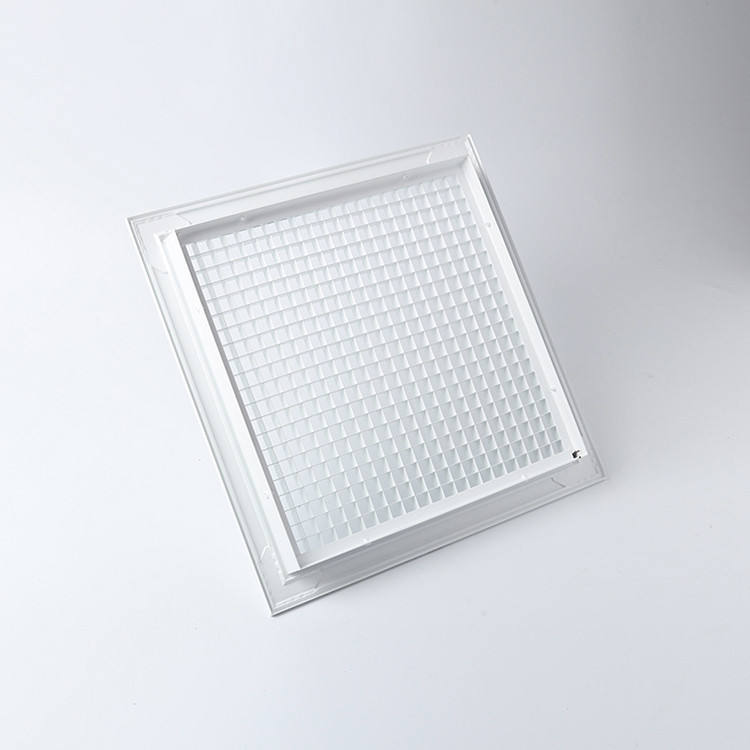
Consider a well-crafted RFQ submission tailored for custom HVAC mold components.
This RFQ includes exhaustive detail which accelerates the supplier’s quoting process. Wall thickness. The RFQ specifies a wall thickness of 2 mm for all HVAC components, aiding the supplier in mold design to ensure consistent structural integrity. Material selection. It indicates a preference for ABS due to its thermal stability and impact resistance, directly influencing steel selection for mold inserts.
Precision tolerance. The requested tolerance is ±0.2 mm, guiding the supplier in machining plan accuracy to maintain part specifications. Providing these details up front minimizes back-and-forth clarifications, streamlining the workflow. Production volume. Clearly stated as 20,000 units annually, this defines the operational scale, impacting the supplier’s decision on mold type: multi-cavity or single.
These concrete data points allow suppliers to deliver substantiated cost estimates and timeline projections. Surface finish requirements. A specified surface finish of SPI-C1 ensures that cosmetic expectations align with mold polishing efforts. This clarity eliminates ambiguities in aesthetic outcomes and helps the supplier budget time and resources effectively.
Supplier’s viewpoint. From the supplier’s perspective, detailed RFQs spotlight potential cost drivers: material selection might require premium steel grades, and tight tolerances could involve more elaborate machining processes. This insight is crucial for calculating precise costs.
Cost impact. A detailed RFQ allows suppliers to anticipate and relay realistic cost implications. Absence of detail, like an undefined surface requirement, might lead to assumptions that can inflate cost estimates later. Therefore, comprehensive RFQs enable suppliers to issue quotes that are not only accurate but also aligned with client’s functional and financial goals.
Through this lens, the RFQ becomes a strategic tool, refining the supplier-buyer dialogue and enabling the supplier to craft a response that truly matches the project’s scope and aspirations.
What Happens After the RFQ is Sent
Once you send your Request for Quotation (RFQ) for custom HVAC mold components, the process begins with an initial evaluation by the engineering team at Yiot Technology Co., Ltd. Precision and comprehensiveness of your RFQ are vital at this stage, as any ambiguity can stall the process.
Initial Evaluation. Engineers start by reviewing the CAD drawings and specifications for any inconsistencies or gaps. A detailed CAD model can clarify dimensional tolerances and expected quality benchmarks, essential for accurate mold design and tooling.
Query Potential. This review might generate additional questions. For instance, if specific tolerances are not provided, or if the intended production volume is unclear, engineers will likely seek clarification. Consequently, maintaining open communication during this phase is essential to avoid prolonged cycles of back-and-forth.
Quote Timeframe. Typically, receiving an initial quote can vary based on the complexity of the request and the current workload. Engineers consider multiple factors, such as mold complexity, material type, and production volume, which collectively influence the time needed to draft a comprehensive quote.
Price and Delivery Flexibility. The initial quote may have room for negotiation, influenced by several factors. These include order volume; larger orders might qualify for discounts or better delivery terms. Similarly, flexibility might exist if switching to more readily available materials without compromising on performance. It’s important to discuss such options with your supplier to optimize costs and timelines.
This stage is not just about receiving a cost estimate; it’s about collaboratively refining the requirements to ensure the final solution meets your precise needs. A well-managed post-RFQ process can significantly enhance the efficiency of getting your custom molds into production on a timeline that fits your project schedule.
Next Steps in Your HVAC Mold Selection Process
Once responses start coming in, it’s essential to evaluate each one for how well it aligns with your project specifics.
Match each offer against your outlined needs and remain open to revising the RFQ if initial assessments reveal areas for improvement. When selecting the best supplier, consider their technical capacity, responsiveness to your detailed inquiries, and their alignment with your project timeline. Finally, map out a project plan that synchronizes with the selected supplier’s production capabilities to ensure realistic scheduling. When discussing precision custom molds, it’s advisable to specify your technical requirements and intended application to ensure the supplier can meet your needs effectively.
Frequently asked questions
What information is crucial for an RFQ?
For creating effective RFQs, include comprehensive CAD models, material types, expected production volumes, and specific surface finish requirements. This information helps suppliers provide accurate quotes and ensures your project meets specifications.
How long should it take to get a response to an RFQ?
Typically, you should expect an initial response within a week. The complexity of your request and the completeness of your RFQ can impact the timeframe. Providing a detailed RFQ helps speed up the process.
Does the RFQ process vary for different HVAC components?
Yes, the RFQ process can vary based on the complexity and specificity of the HVAC component. Some components may require specialized materials or intricate designs, affecting the RFQ requirements and evaluation.
Why is material specification important in an RFQ?
Material specification is vital because it directly influences mold cost, durability, and the finished product’s performance. Different materials can vary in price and durability, impacting the overall production strategy and cost.
Request a project review
Send the 3D model, 2D drawing, material requirements, annual volume and critical dimensions. The team will identify open technical questions before tooling is quoted.