
A smartwatch wristband must combine comfortable flexibility with dependable attachment and fastening. Elastomer selection, thickness transitions, adjustment holes, surface texture, and color all influence the finished strap, while tooling and inspection must preserve the small details that affect fit and daily wear.
Smartwatch Wristbands
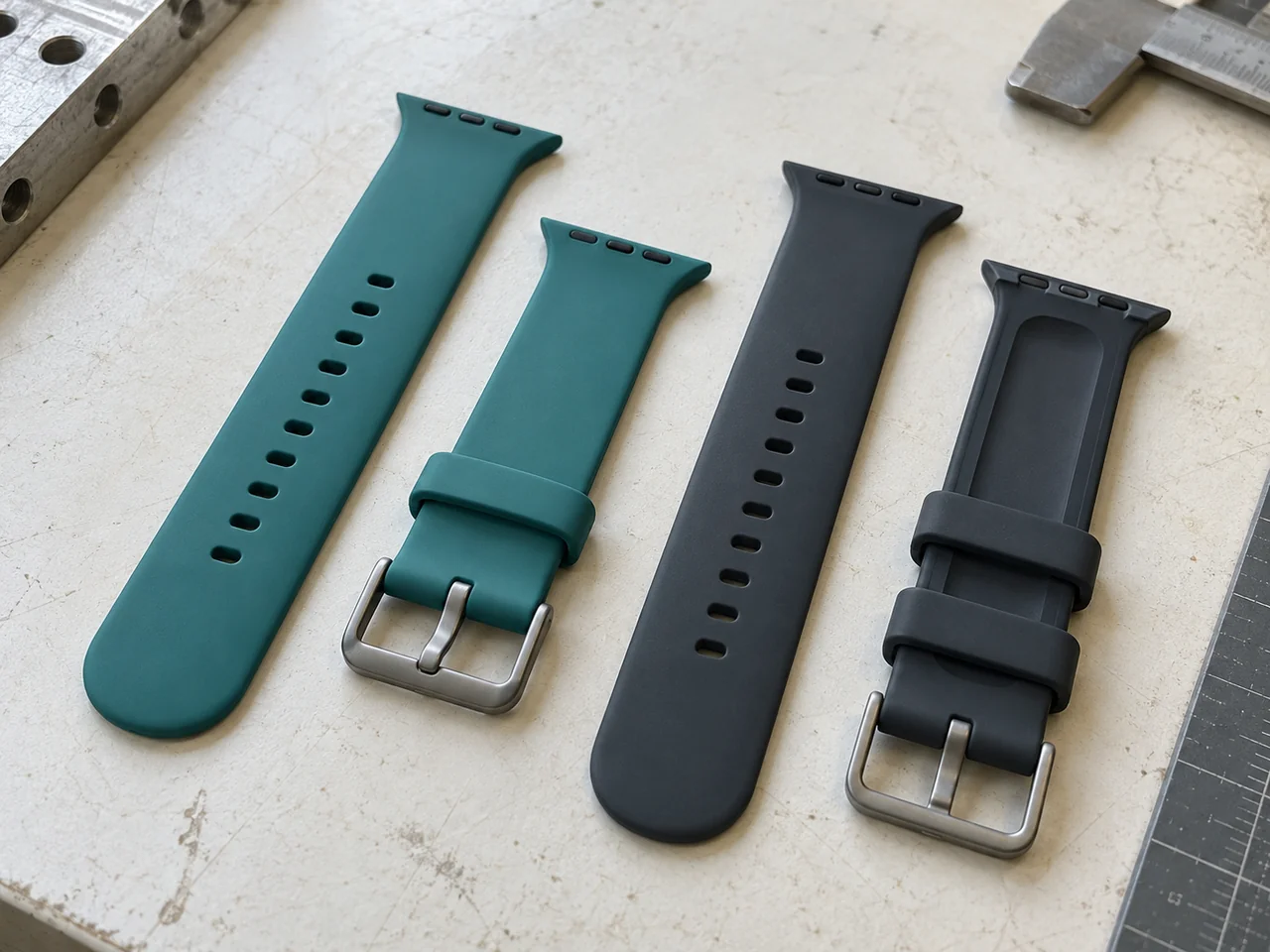
Project Overview
| Application | Molded wristbands for a smartwatch |
|---|---|
| Project context | Anonymous wearable application completed by YIOT |
| Engineering priorities | Attachment fit, flexibility, surface comfort, color, and durability checks |
| Recommended Configuration | Grade-specific TPU or suitable TPE matched to the wearable requirements |
| YIOT capabilities | Injection molding, tooling, insert molding, overmolding, and finishing |
Requirements & Engineering Challenges
A wristband has several functions within a small cross-section. The watch-end interface must locate securely, the main strap must bend around the wrist, and the adjustment holes must resist local deformation during fastening. The inner surface should avoid sharp edges and uncomfortable flash. A material that feels attractive in a flat sample can behave differently once molded into a thin strap with thick attachment ends.
The product specification should define the watch interface, buckle system, size range, expected exposures, and required durability checks. Sweat, skin-care products, cleaning agents, sunlight, and repeated flexing can influence material selection. Skin-contact and restricted-substance requirements need to be identified for the intended markets. Those requirements apply to the complete material formulation and finished product, including colorants and any metal hardware.
Engineering & Tooling Approach
Choose the elastomer around the wearing conditions
Recommended Configuration: evaluate a grade-specific TPU or another suitable TPE against the desired flexibility, surface feel, tear behavior, hydrolysis resistance, and appearance. Hardness is one input, not a complete prediction of comfort or durability. Strap geometry, thickness, surface texture, and fastening position also affect how the wristband feels and performs.
The resin specification should identify grade, hardness designation, color system, and permitted additives. Aromatic and aliphatic TPU families, and ether- and ester-based formulations, have different tradeoffs that should be reviewed with the material supplier. No family should be assumed universally resistant to yellowing, sweat, or cleaning chemicals. A change of color concentrate can also require renewed appearance and exposure checks.
Separate flexible sections from attachment details
The watch-end connection should be evaluated with the actual watch interface or a controlled master fixture. Features that locate a spring bar, pin, or quick-release component need consistent geometry and adequate surrounding material. If a rigid insert is part of the design, the tool must locate it securely and keep polymer out of moving or mating regions.
The transition from a thick attachment end into a flexible strap should be gradual. Abrupt section changes can concentrate bending near the watch. Adjustment holes need rounded edges and enough material between openings to carry the fastening load. Keeper loops and buckle regions deserve their own review because they see repeated rubbing and localized deformation rather than the same bending pattern as the main strap.
Design texture and parting lines for comfort
Texture is functional on a skin-contact component. Deep texture can be harder to clean, while very smooth areas can show handling marks or feel different when wet. Texture depth, release draft, and mold polish should be reviewed together. The customer should approve a physical appearance sample under agreed lighting and handling conditions rather than approve only a digital color rendering.
Parting lines, gates, and ejector marks should be positioned away from sensitive contact edges where practical. A gate at the end of a strap can simplify appearance on the main surface, but it still needs a controlled trimming method. Ejection should support the part without stretching thin regions or leaving permanent deformation. Flexible material does not remove the need for a deliberate release strategy.
Plan cavities, color changes, and finishing
Recommended Configuration: begin cavity and runner selection with the number of strap sizes, handed components, colors, and forecast demand. A family tool can be evaluated, but components with different lengths or section distributions may fill and cool differently. Replaceable inserts can support approved changes to attachment ends, markings, or adjustment layouts without assuming that every variant can share the same process.
A corrosion-resistant steel such as an S136-type grade can be considered where finish replication and maintenance requirements justify it. The final steel and treatment depend on resin, texture, volume, and tool construction. Color-change procedures should address residual material, contamination, and sample approval. Decorative printing or coatings should be added only after reviewing their adhesion, flexibility, and contact requirements.
- 1. Attachment zone
Review lug holes, retaining hardware and the transition into the flexible strap. - 2. Adjustment holes
Keep hole geometry and surrounding material consistent with the use requirements. - 3. Skin-contact face
Review surface finish, texture and trimming against the intended wearing conditions. - 4. Parting plane
Place and control the mold split to limit intrusive flash on contact edges.
Manufacturing & Validation
Material handling should follow the selected supplier’s drying and processing guidance. Moisture or excessive residence time can affect appearance and material behavior, so the manufacturing record should identify the resin and color combination used for approved samples. Visual inspection can cover surface streaks, flash, short fill at holes, color consistency, gate trimming, and permanent deformation after ejection.
Dimensional checks should use a defined measurement method because a soft strap can deform under an inconsistent measuring force. Attachment fit, buckle operation, hole engagement, and keeper movement should be checked on representative hardware. The customer’s validation plan can include flexing, tensile loading, tear behavior, abrasion, sweat or chemical exposure, UV aging, and contact-related evaluation. Methods, conditioning, and acceptance limits must be specified rather than inferred from a nominal hardness value.
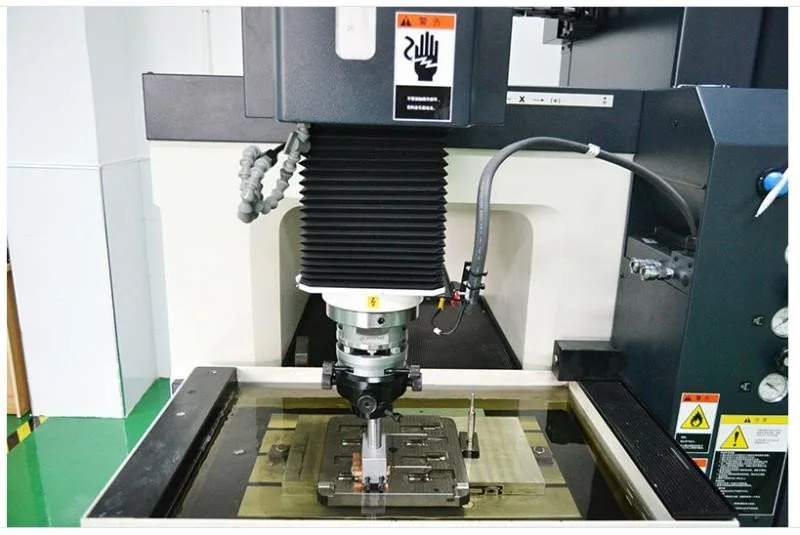
Deliverables & Project Outcome
YIOT can coordinate wristband tooling and molding with the agreed material, color, and hardware requirements. Deliverables can include mold design and manufacture, development samples, production straps, and inspection records. Metal hardware, assembly, printing, and individual packaging should be identified in the scope, with approved samples covering each released size and color combination.
Acceptance should connect attachment fit and fastening operation with the approved surface and color standard. The release package should identify the material formulation, strap geometry, hardware, and conditioning used for validation. Skin-contact suitability and durability conclusions require the relevant evidence for that finished configuration, with material or color changes reviewed against the original acceptance plan.
Technical reference: BASF’s Elastollan TPU information describes families with elasticity, wear resistance, and different environmental characteristics. These properties support initial material screening; they do not establish skin-contact suitability, color stability, or durability for a finished wristband.
Related Capabilities
Discuss Your Project
Send the strap model, watch interface drawing, buckle or pin details, size and color requirements, expected exposures, quantity, and validation criteria. YIOT can review the elastomer and tooling route with the wearable’s functional interfaces in view.
An NDA is available. Request a quote or email gerry.li@aiyiot.com. YIOT provides a quotation within 24 hours after receiving complete project information. The DFM review timeline is assessed separately according to project scope.