
In-house secondary operations
Plastic Parts Finishing & Assembly Services
Complete your plastic components with in-house finishing, joining and assembly. We review appearance standards, interfaces and functional requirements before production.
A finished plastic product depends on more than its molded shape. Color, markings, joints and installed components must work together. YIOT reviews these requirements with your part design and assembly information, then agrees the operations and checks needed to deliver the intended result.
Discuss Finishing & Assembly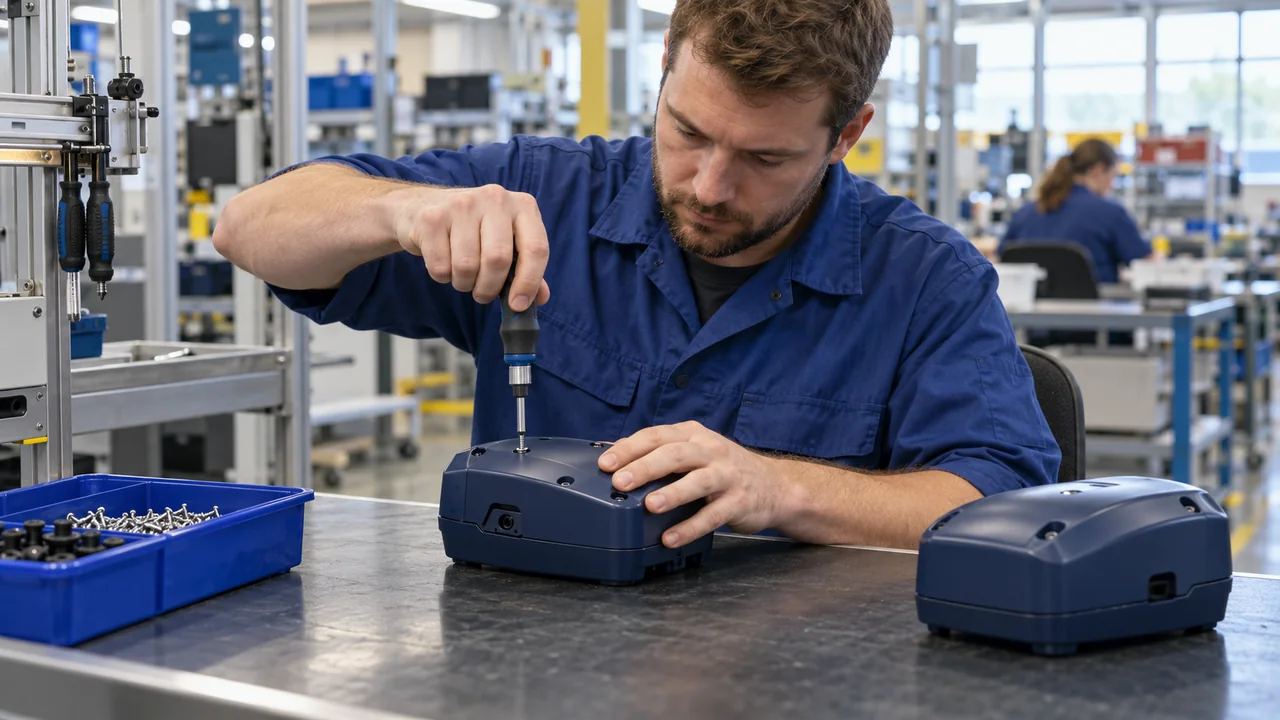
Complete the product
From Molded Parts to Finished Assemblies
Secondary operations turn individual components into parts ready for their next use. The sequence matters: a cosmetic surface may need protection during joining, and a marking may need to remain visible after assembly. We review the complete route before fixing individual operations.
- 01
Molded components
Confirm resin, revision, visual condition and the features used to locate or connect each part.
- 02
Finished surfaces
Apply the agreed appearance and identification requirements, with masking and handling defined.
- 03
Joined assemblies
Follow the approved sequence, check the relevant interfaces and protect the completed product.
Appearance with a reference
Painting, Printing and Laser Marking
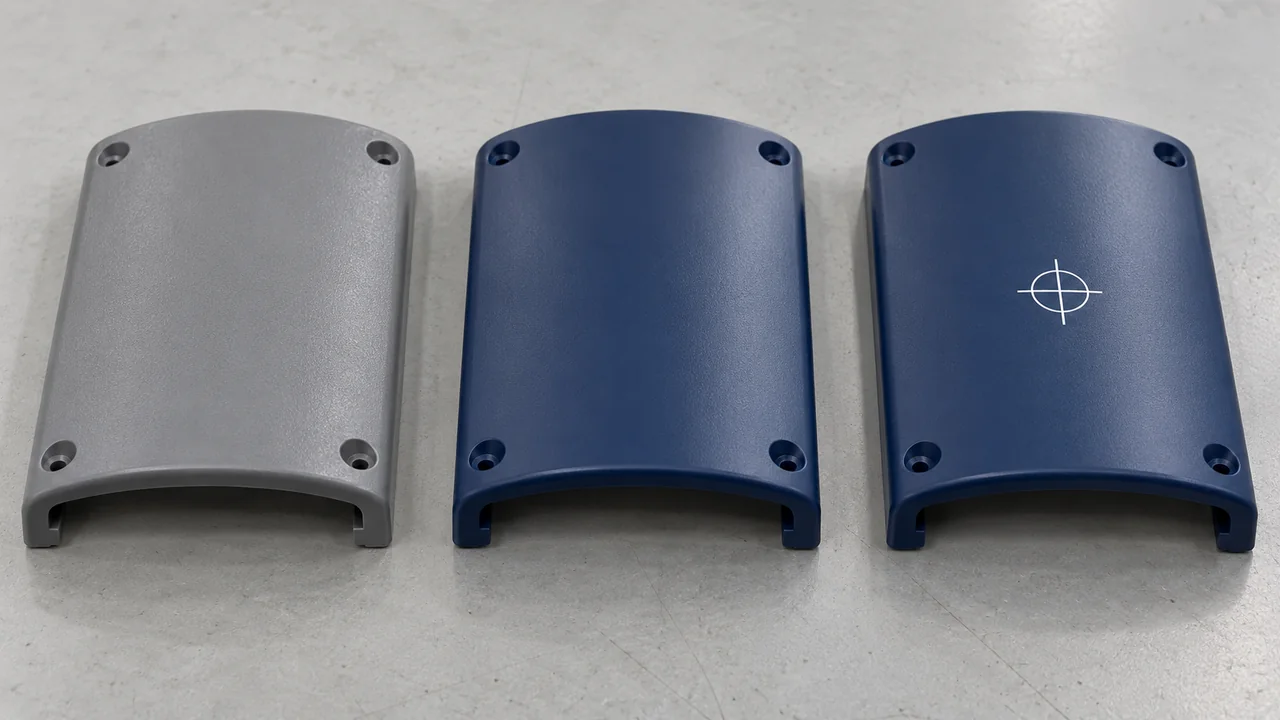
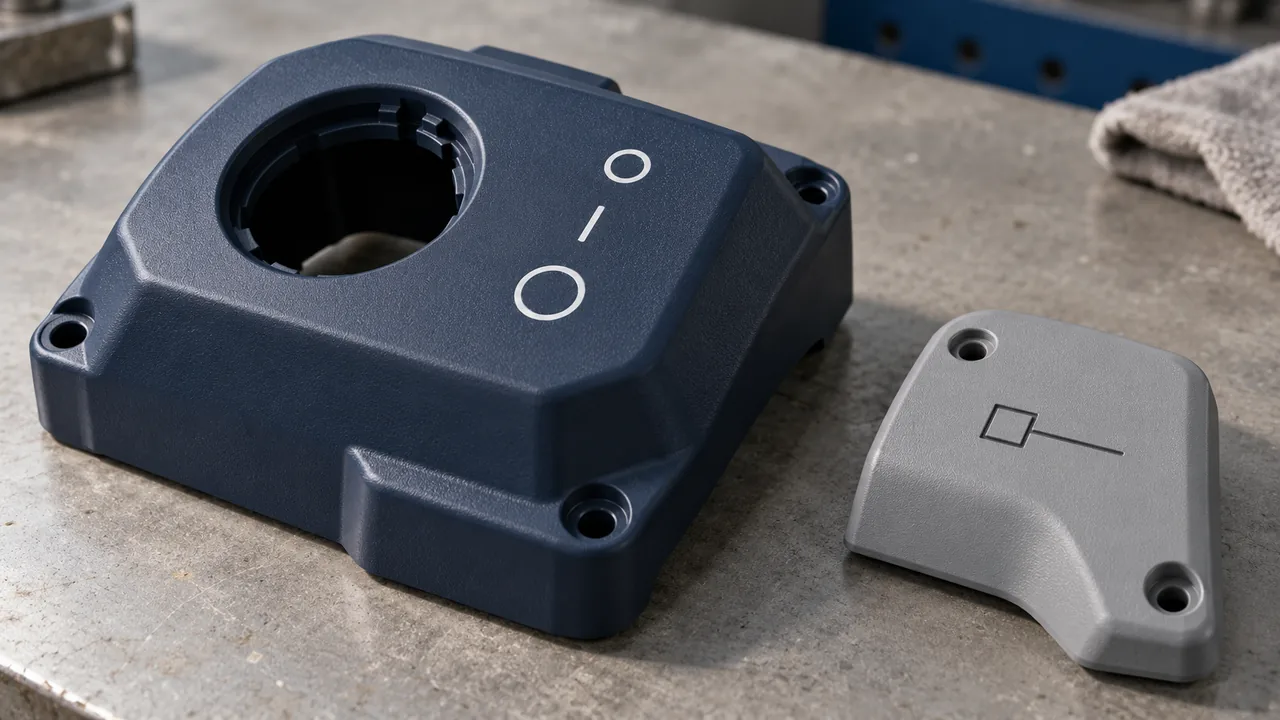
Color and gloss should be defined against a reference that both teams can use. For painting, we review resin compatibility, visible surfaces, masking boundaries and the areas that must retain their original dimensions or function. A coating should be considered alongside the part’s use and handling.
Printed graphics require controlled artwork, position, orientation and an agreed appearance standard. Laser marking also depends on the material and the desired contrast. The method is reviewed for the specific resin and design, with a sample used to establish acceptable results.
We recommend resolving color, gloss and marking placement through an approved sample before repeat production. Viewing conditions and acceptable cosmetic variation should be discussed so appearance inspection has a practical reference.
Design the connection
Ultrasonic Welding and Heat Staking
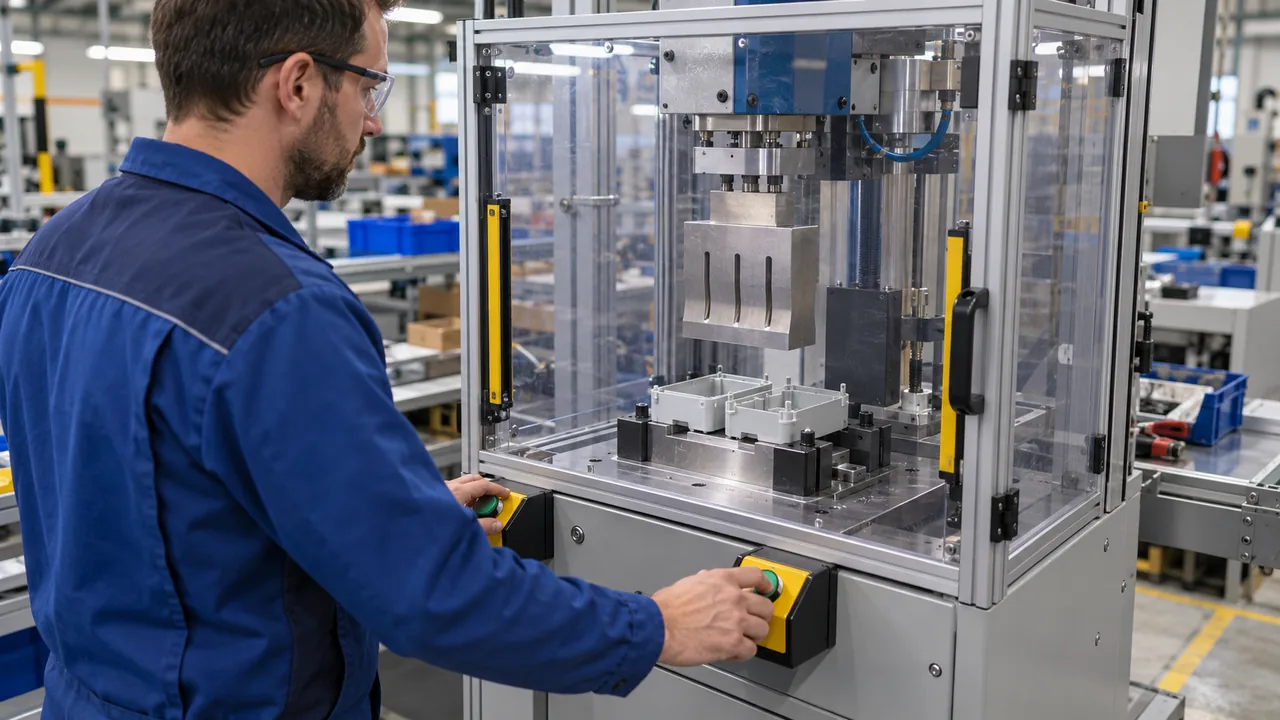
A successful joining operation begins with compatible materials, suitable geometry and support for the components. We review the interface, locating features and load path before agreeing a joining approach. The connection must meet the application’s requirements without unacceptable damage to nearby surfaces.
Ultrasonic welding
Ultrasonic welding concentrates energy at a designed interface. Joint geometry, contact and component support influence the result. An energy director may be part of the joint design, but its suitability is assessed with the resin, part shape and intended performance.
Trials help establish the process and the checks used to evaluate the joint. Tell us whether the connection must support loads, contain a fluid or maintain a particular appearance so the relevant validation can be planned.
Heat staking
Heat staking reforms a plastic feature to retain another component. The post, formed head, surrounding clearance and support need to work together. We review retention requirements and the materials being assembled before deciding whether staking suits the connection.
Control the assembly sequence
Mechanical Assembly
Screws, snap fits and press fits each create different design and handling requirements. Provide the assembly model and identify which connections must be removable. Screw access, insertion direction, locating features and the risk of damaging a cosmetic surface all affect the work sequence.
We can review customer-supplied components for inclusion in the assembly plan. A controlled bill of materials should identify part numbers, quantities, revisions and the source of each item. Incoming condition and acceptance responsibilities should be agreed for those components.
Work instructions connect the approved sequence with the checks required at each stage. Where appropriate, fixtures and mistake-prevention features help operators locate parts consistently and recognize missing or incorrectly oriented components. These measures are defined for the assembly rather than assumed to be the same for every product.
Agree what good looks like
Define Acceptance Before Production
Describe the result and how it will be checked. Test scope and acceptance limits are agreed for the project. A joining or assembly operation does not automatically establish an ingress rating, certification or performance claim.
| Requirement | Reference and check |
|---|---|
| Visual appearance | Approved color, gloss, print or marking sample; viewing conditions and cosmetic limits. |
| Dimensions and fit | Drawing revision, locating features, clearances and dimensions affected by finishing. |
| Joint quality | Agreed inspection or test for the connection, including retention or integrity where relevant. |
| Assembly completeness | Controlled bill of materials, orientation, fastener condition and installed component checks. |
| Function | Project-specific functional procedure, test conditions and defined acceptance criteria. |
For the broader manufacturing context, review our facility and quality information. Share special documentation needs before production so they can be included in the plan.
Validate the complete route
Pilot Assembly, Packaging and Delivery
A pilot assembly checks the proposed sequence with actual parts and the agreed finish. It can reveal interference, difficult access, handling marks or variation at the joint before repeat production. Findings should lead to controlled updates to the design, process or work instructions.
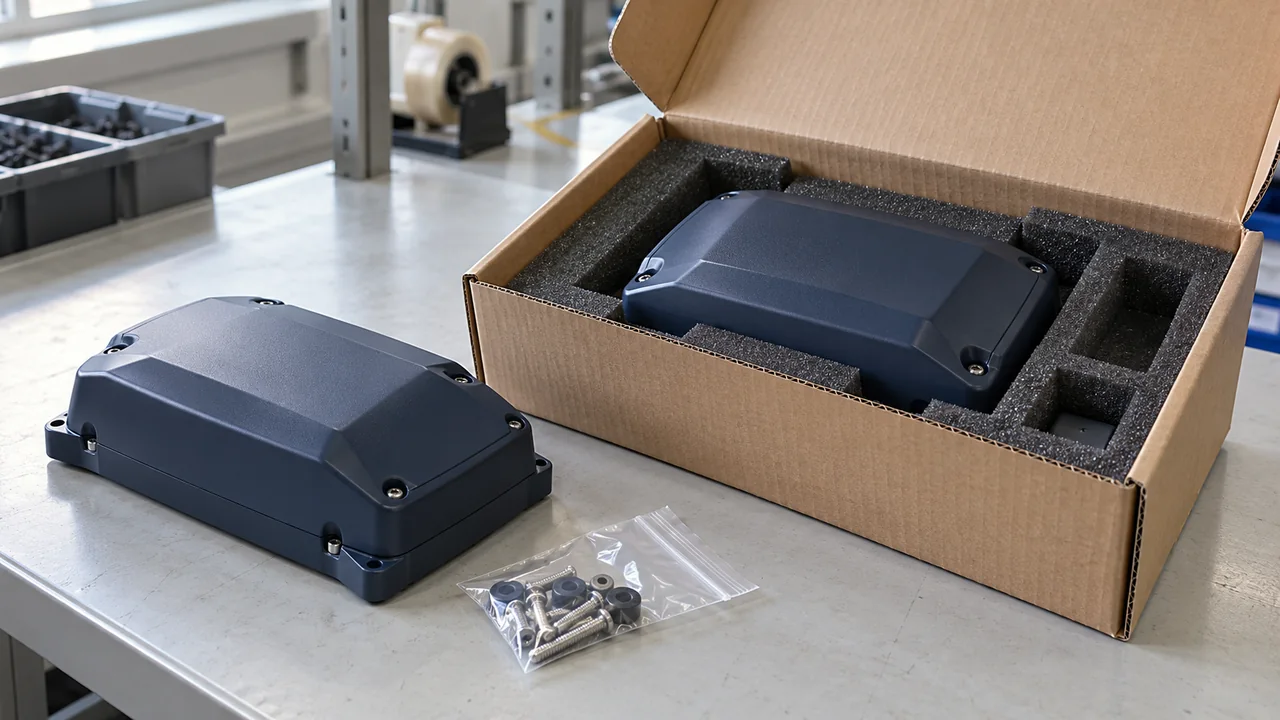
Packaging belongs in the same review. Specify surfaces needing protection, loose components, identification and the intended delivery format. We confirm how completed assemblies will be handled and packed so finishing work is preserved through delivery.
Use the pilot to confirm the approved sample, artwork revision and component list as a complete set. A change to one item can affect another operation: a different coating may alter masking, while a revised component can change access or retention. Keeping these inputs controlled makes the assembly record useful for subsequent orders.
Tell us whether individual units need identification, whether separate items should be packed together and what information receiving teams require. Packaging requirements are reviewed with the finished dimensions and surfaces, including the risk of parts contacting each other. The agreed delivery format should be included in the quotation inputs so handling and packing are planned alongside production.
Finishing & Assembly FAQ
Does resin selection affect finishing?
Yes. Resin, additives and the part’s condition can affect coating, marking and joining. Provide the exact grade so the proposed operations can be reviewed for compatibility.
How do you confirm color and appearance?
Share color, gloss and artwork references. We agree the method and use an approved sample to establish appearance expectations, including masking and marking location.
Can any plastic parts be ultrasonically welded?
No single welding approach suits every material and geometry. We review resin compatibility, the joint, support and performance requirements before recommending a trial or another connection method.
Can you assemble customer-supplied parts?
Yes, subject to project review. Send the bill of materials, component drawings and supply plan so incoming checks, handling and assembly responsibilities can be agreed. Identify replacement arrangements for components that arrive damaged or fail the agreed incoming checks.
Which tests are included?
Inspection and functional tests are agreed for each project. Tell us the required joint, appearance, assembly or performance checks and any documentation needed for acceptance.
What inputs and timing should I expect?
Send CAD, drawings, resin, quantity, artwork and assembly requirements. Complete inputs support a quotation within 24 hours. Manufacturing and validation timing is confirmed per project; an NDA is available.
Plan the finished result
Discuss Your Finishing and Assembly Requirements
Share the part files, appearance references, bill of materials and required checks. We can connect this work with rapid prototyping for early sample approval, injection molding, CNC machining, DFM analysis and your product application.
Discuss Finishing & Assembly