
Yesterday in the workshops of Yiot Technology Co., Ltd., a custom injection mold for a plastic electronics casing caught my eye. It wasn’t just the mold itself, but a key aspect: the meticulous balance of wall thickness that ensures both structural integrity and dimensional precision. To prevent possible issues during the injection phase, it’s recommended that buyers ensure uniformity in the designs they specify. This consideration reflects why precision is indispensable in producing molds for delicate electronic enclosures. From taper angles to material flow, every precise measurement ensures the final product not only fits but functions perfectly. When sourcing, consider specifying the precision steps needed for your designs.
Key takeaways
- Yesterday, the shop floor was abuzz with a renewed focus on wall thickness — a crucial factor in maintaining the structural integrity of electronic casings.
- Uniformity matters. Uniform wall thickness is crucial in plastic injection molding for electronics casings, particularly in reducing the risk of warping.
- Challenges in molding are an inevitable part of the process, especially when dealing with custom plastic electronics casings.
- Design for Manufacturing (DFM) Analysis.
- Precision in custom injection molds significantly influences both cost and lead time, with higher precision often demanding more meticulous processes and, consequently, higher initial investment.
On the Bench: Yesterday’s Focus
Yesterday, the shop floor was abuzz with a renewed focus on wall thickness — a crucial factor in maintaining the structural integrity of electronic casings. We often overlook it in the hustle to meet deadlines, but yesterday, it caught everyone’s attention. The challenge was clear: to adjust mold dimensions for precise wall thickness, we had to consider how material flow and stress distribution affect the final product.
Adjustments in Mold Dimensions. To achieve the desired thickness, molds for these electronic casings needed fine-tuning. We had to modify cavity dimensions slightly to ensure the molten plastic flowed evenly, reducing potential stress concentrations that could compromise the casing’s strength. This involved meticulous tweaking of the mold inserts to prevent wall thinning in critical areas.
Material Flow and Stress Distribution. Uneven flow rates can lead to sections with varying thicknesses, which not only affect mechanical performance but can also lead to mounting issues or the deformation of the casing under heat. Ensuring a uniform flow was pivotal, so we optimized runner and gate designs to balance the flow, thereby improving stress distribution across the mold.
Inspection for Uniform Thickness. Buyers should ensure their suppliers verify uniform wall thickness across casings. While adjusting molds, ask suppliers about the equipment and standards they apply for consistency across each casing. Understanding compliance with standards such as UL 746B, which relates to material properties, can be advantageous in ensuring suitability for electronic applications.||
Impact on Assembly and Function. Precision in wall thickness directly impacts assembly and functionality. A uniform thickness ensures that each casing aligns accurately with other components, avoiding the costly issue of misalignment. Moreover, it affects how well the casing can dissipate heat, an essential factor for maintaining electronics within safe operational temperatures — especially vital given the compact nature of modern electronics.
Yesterday’s intense focus on wall thickness was a reminder of how fundamental these physical principles are to ensuring the success of custom electronic casings. This experience underscored the importance of ongoing checks and adjustments in the manufacturing process — precision doesn’t happen by accident; it requires vigilance, careful observation, and incremental adjustments in pursuit of excellence.
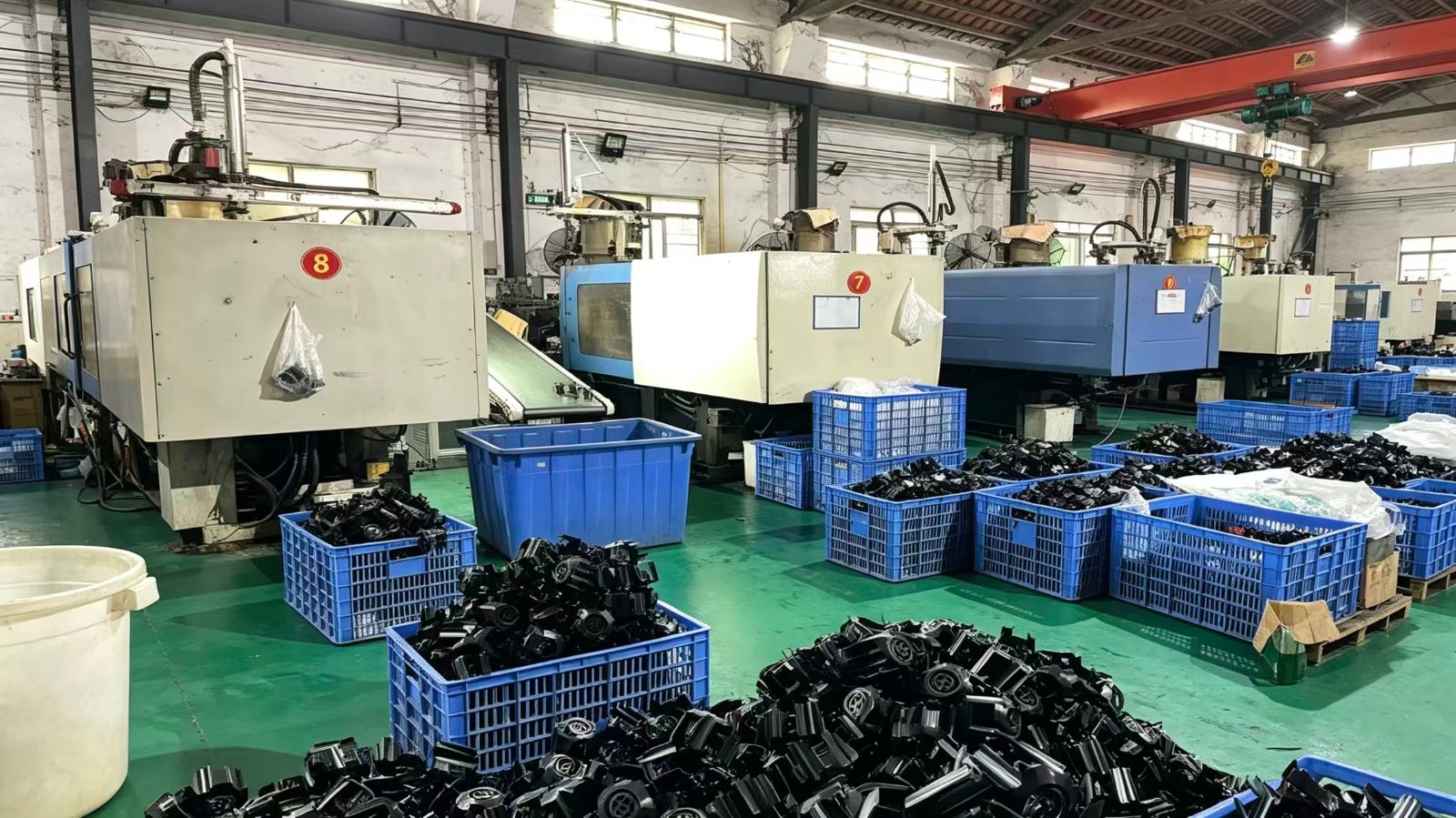
Critical Detail: Wall Thickness
Uniformity matters. Uniform wall thickness is crucial in plastic injection molding for electronics casings, particularly in reducing the risk of warping. Warping occurs when different sections of the molded part cool at varying rates due to inconsistent wall thickness, leading to internal stresses. For electronics casings, deviation in wall thickness can compromise the structural integrity and fit of the final product. Hence, maintaining uniformity through precise mold design is non-negotiable.
Cooling efficiency. Achieving precise wall thickness directly impacts cooling efficiency. When the thickness is consistent, heat can dissipate uniformly during the cooling phase, reducing cycle times and enhancing throughput. A thinner, uniform wall allows quicker cooling, but too thin, and it compromises durability. This delicate balance requires careful engineering and adjustments to mold design.
Measurement techniques. Precision in wall thickness is achieved through meticulous engineering controls. Regular inspection can identify variations early, allowing fine-tuning in mold settings before full-scale production.
Consistent challenges. Maintaining consistent thickness comes with its set of challenges. Variations in material flow, thermal expansion, and shrinkage can all lead to thickness discrepancies. These are often countered by carefully controlled molding temperatures and the strategic positioning of gates and vents in the mold design. Maintaining this uniformity is key to avoiding product failures.
Impact on performance. Variations in wall thickness can profoundly impact the final product’s performance. Inconsistencies can lead to weak spots which might fail under stress, affecting the casing’s ability to protect electronics. Consistent thickness ensures each component fits as it should, contributing to the overall reliability and aesthetic of the device.
Challenges and Adjustments Made
Challenges in molding are an inevitable part of the process, especially when dealing with custom plastic electronics casings.
A common issue involves dimensional inconsistencies, which, if left uncorrected, can impact the functionality and aesthetics of the final product. One typical adjustment involves assessing and fine-tuning draft angles. Draft angles. By adjusting these angles, mold release is facilitated, reducing the risk of damaging parts as they are ejected. Incorrect angles often lead to parts that either stick to the mold or suffer surface defects during ejection, so verifying these from the start is crucial.
The iterative process of refining mold geometry involves multiple test injections and measurements. Dimensional inconsistencies. These inconsistencies can stem from factors such as mold wear or inadequate initial design precision. A thorough dimensional inspection using tools like coordinate measuring machines (CMM) allows for precise adjustments in the mold’s cavity structure.
Precision adjustments. Achieving precision requires using high-accuracy tooling to make fine adjustments. Techniques such as CNC machining are essential for adjusting mold components accurately. For instance, when a slight dimensional error was detected in a batch of electronic casings, corrective machining was performed to align with the required specifications.
Common Challenges in Mold Dimensions
Common Challenges in Mold Dimensions
| Issue | Cause | Adjustment Method | Precision Tool Used |
|---|---|---|---|
| Warping | Uneven cooling | Adjust cooling channels | Thermal imaging camera |
| Surface defects | Poor mold release angles | Adjust draft angles | CNC machining |
| Dimensional variations | Cavity deformation | Reinforce cavity walls | Coordinate measuring machine (CMM) |
| Flash on parts | High injection pressure | Lower injection speed | Pressure sensor |
| Sink marks | Uneven wall thickness | Adjust mold cooling | 3D scanner |
Iterative refinement. The refinement process is iterative by nature; tweaking and retesting until the mold meets the tight tolerances required. It’s not uncommon for engineering teams to revisit designs multiple times, each cycle bringing the product closer to perfection.
Using these precision tools not only corrects issues but also mitigates potential risks for future production batches. Mold makers conduct thorough analyses to understand the root causes behind issues. Consequently, it becomes easier to implement lasting solutions that enhance overall mold quality and performance. Through this meticulous approach, the molds YIOT produces for electronic casings meet stringent performance and quality standards essential for competitive markets.
Key Learnings for Mold Buyers
Design for Manufacturing (DFM) Analysis. A meticulous DFM analysis is instrumental in ensuring a seamless injection molding process. This analysis identifies potential hiccups in the design that can affect manufacturability, such as areas with intricate geometries that may hinder mold filling or part ejection. By addressing these issues upfront, not only is production optimized, but costly modifications post-tooling can also be avoided. Consequently, engaging in thorough DFM discussions with a supplier at the outset is crucial.
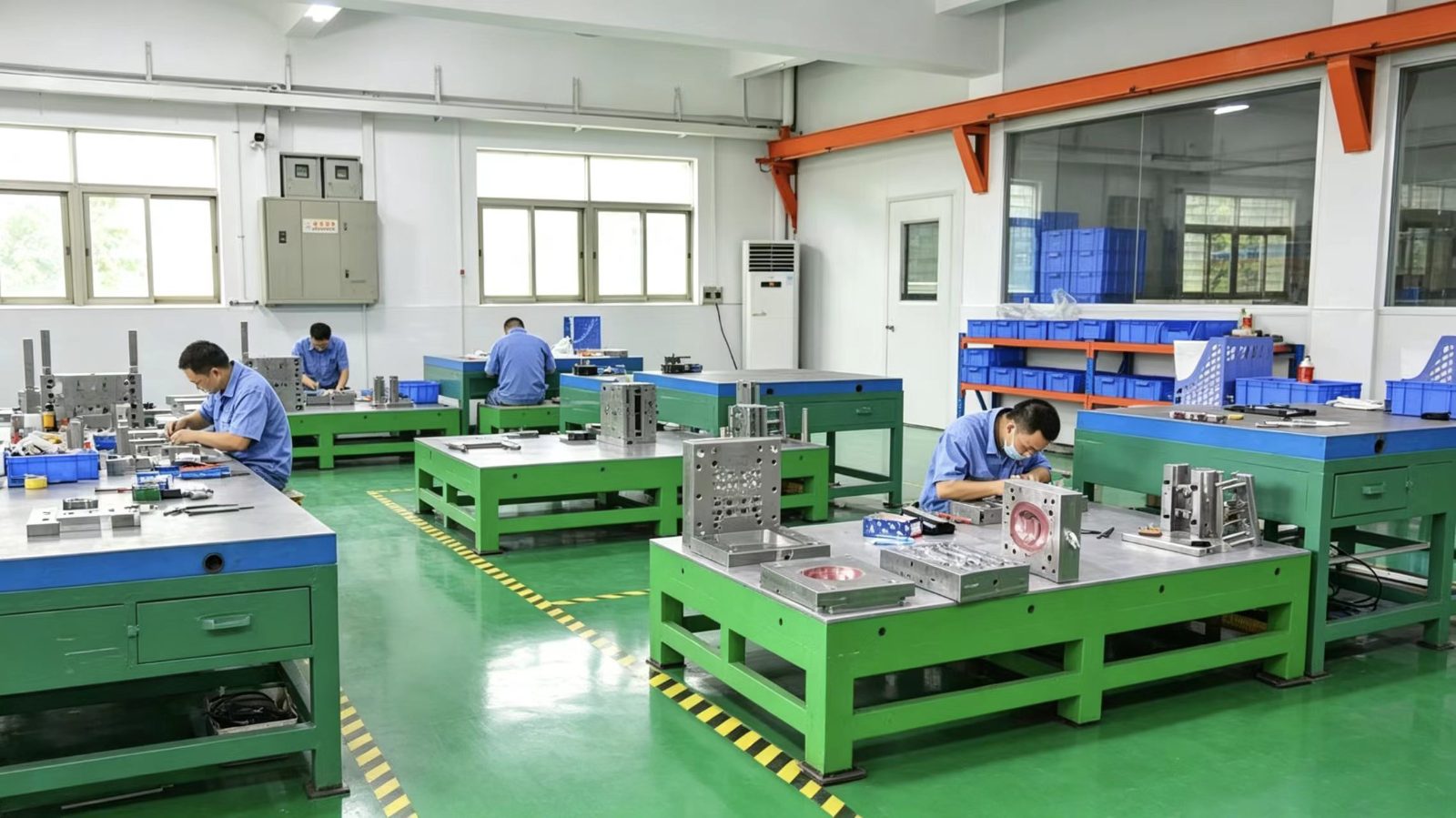
Material Selection. The selection of material plays a critical role in mold precision. Each material brings unique shrinkage rates, thermal expansion coefficients, and mechanical properties, all of which affect the final dimensions and integrity of molded parts. For example, using a hygroscopic polymer like nylon would necessitate considerations for moisture absorption, which impacts dimensions. Precision demand, in part, dictates material choice—resins with less mold shrinkage and better flow can greatly enhance accuracy.
Supplier Capabilities Verification. Confirming a supplier’s prowess in precision molding involves several steps. It begins with a review of their previous work and capabilities—request detailed case studies or project portfolios demonstrating their experience in handling complex electronics casings. Additionally, visiting the supplier’s facility can provide first-hand insight into their scale of operation and the equipment they employ, such as multi-cavity molds that reflect precision ability.
Questions on Inspection Processes. Inquire about the supplier’s inspection protocols. ISO 9001:2015 is a certification for a quality management system, ensuring processes are in place to meet customer and regulatory requirements. Moreover, request details on the precision measurement tools they utilize, such as coordinate measuring machines (CMMs) or laser scanners, and understand their control over critical-to-function dimensions.
Red Flags in Procurement Specifications. Scrutinize procurement documents for vague specifications or unrealistic tolerance demands that can allude to potential issues ahead. Elements such as “tight tolerance” should always be quantified, otherwise, they risk ambiguity. Any inconsistencies in the requirements across documents should be clarified before proceeding.
Understanding these facets not only guides a more informed procurement process but also aligns expectations and ensures that any Custom Injection Molds for Plastic Electronics Casings acquired meet the technical needs precisely.
Reflecting on Precision: Key Considerations
Precision in custom injection molds significantly influences both cost and lead time, with higher precision often demanding more meticulous processes and, consequently, higher initial investment.
Yet, this investment often pays dividends in the long term through reliable and durable parts, enhancing mold lifespan and reducing the necessity for frequent replacements. Achieving balance is key, as over-focusing on precision can slow production speeds—here lies the opportunity for technological advancements. Improved precision methods promise future optimizations, ensuring that quality doesn’t excessively compromise speed or budget, but instead aligns seamlessly with production goals.
Frequently asked questions
Why is wall thickness critical in injection molds?
Wall thickness is crucial because it affects the mold’s structural integrity, impacts the cooling rate, and can prevent warping or deformation of the final product. Variations in thickness can lead to issues like material flow inefficiencies and uneven stress distribution, which compromise product quality.
How do material choices influence mold precision?
Materials dictate the thermal and mechanical properties of the mold, influencing precision. For instance, selecting high-grade steel or aluminum can enhance dimensional stability and heat resistance. Material compatibility with the intended plastic also ensures consistent molds.
What inspection methods are important in mold precision?
When considering inspection methods for mold precision, look for techniques that verify wall thickness accuracy, detect leaks, and check surface finishes. These methods help ensure that each mold meets the desired specifications and functionality requirements.
Request a project review
Send the 3D model, 2D drawing, material requirements, annual volume and critical dimensions. The team will identify open technical questions before tooling is quoted.