CATEGORIES
LATEST NEWS
CONTACT US
Contact: Gerry Li
Phone: +86 137 9036 6386
Email: gerry.li@aiyiot.com
Telegram: +86 137 9036 6386
Add.:Dongguan City,Guangdong Province,China
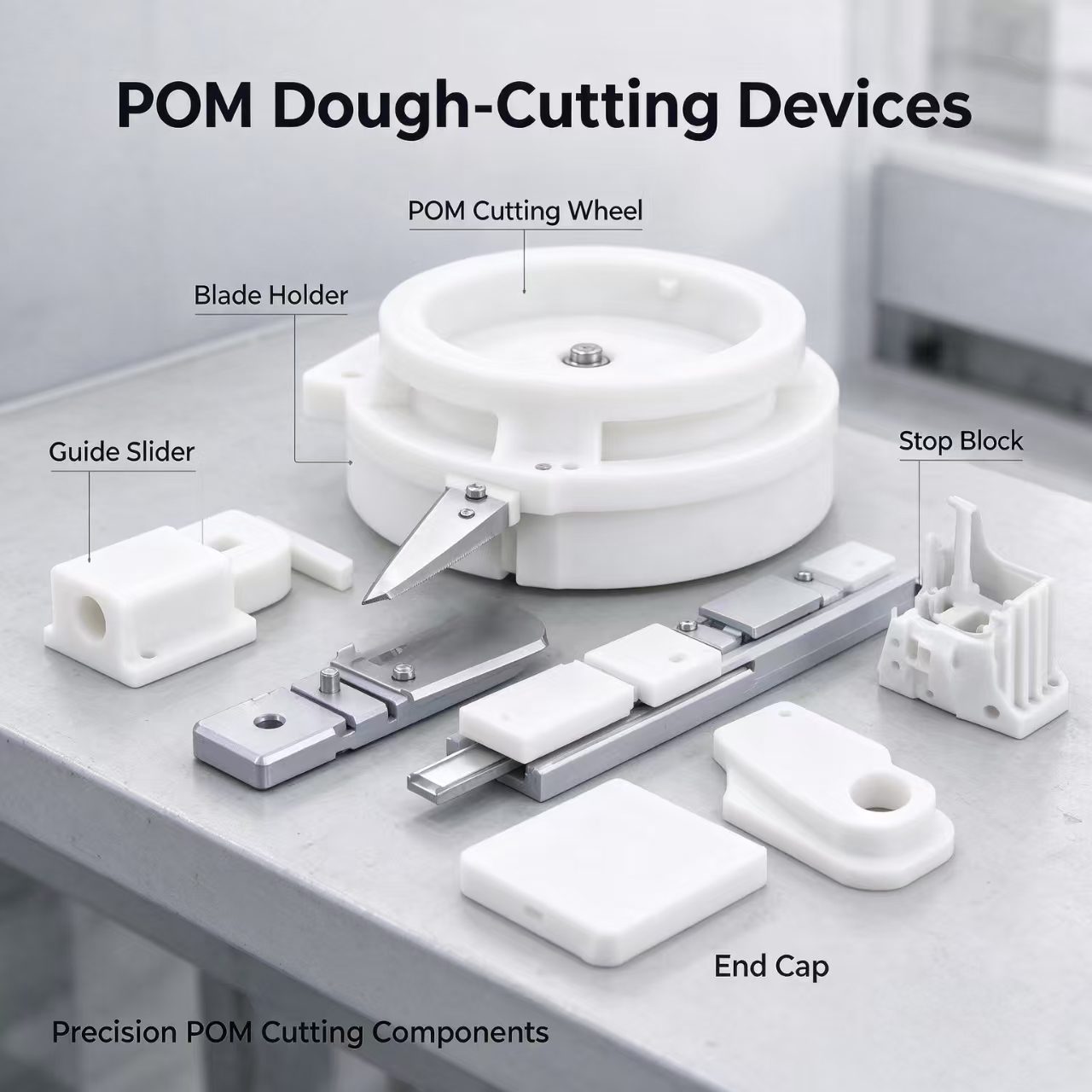
Custom Injection Molds for POM Dough-Cutting Devices
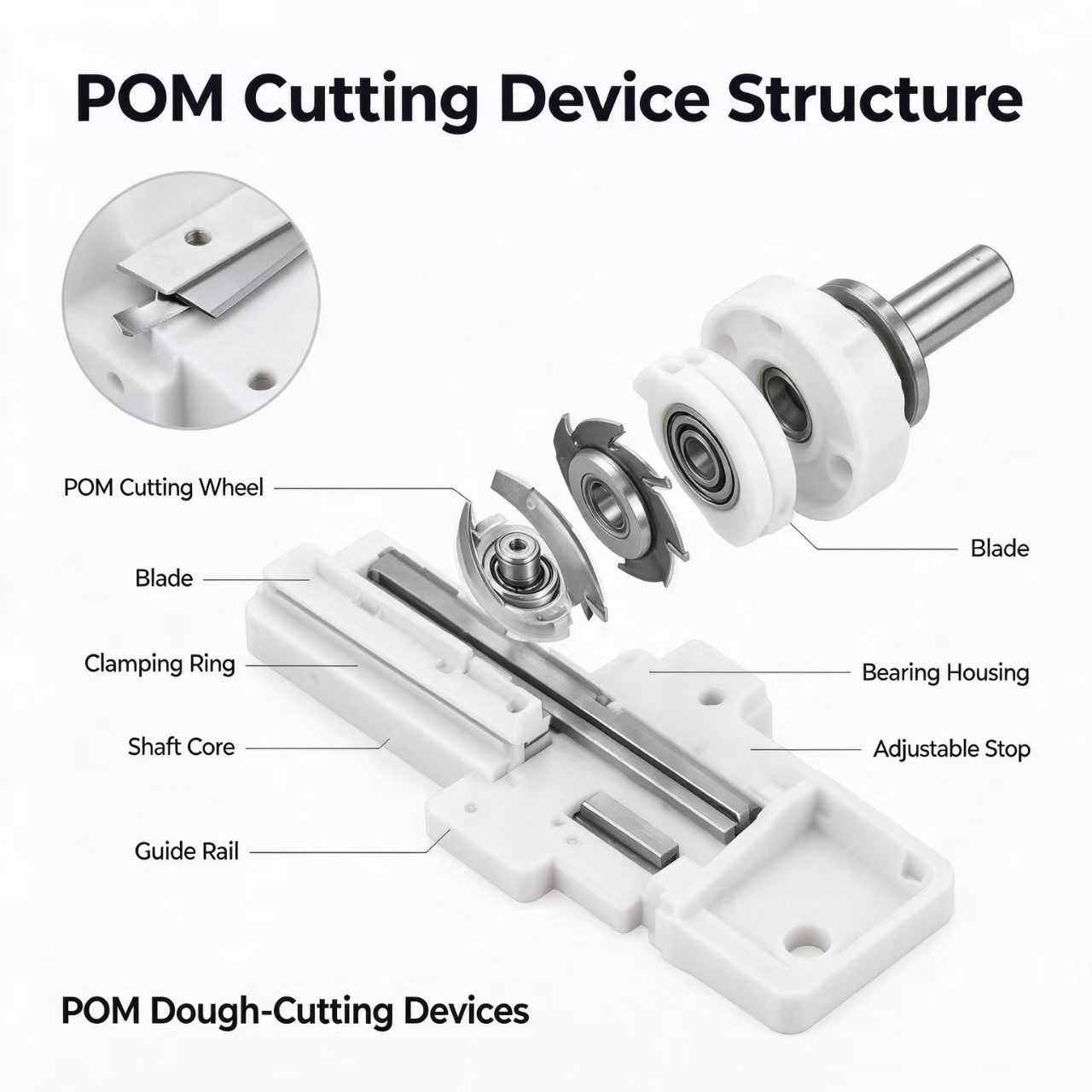
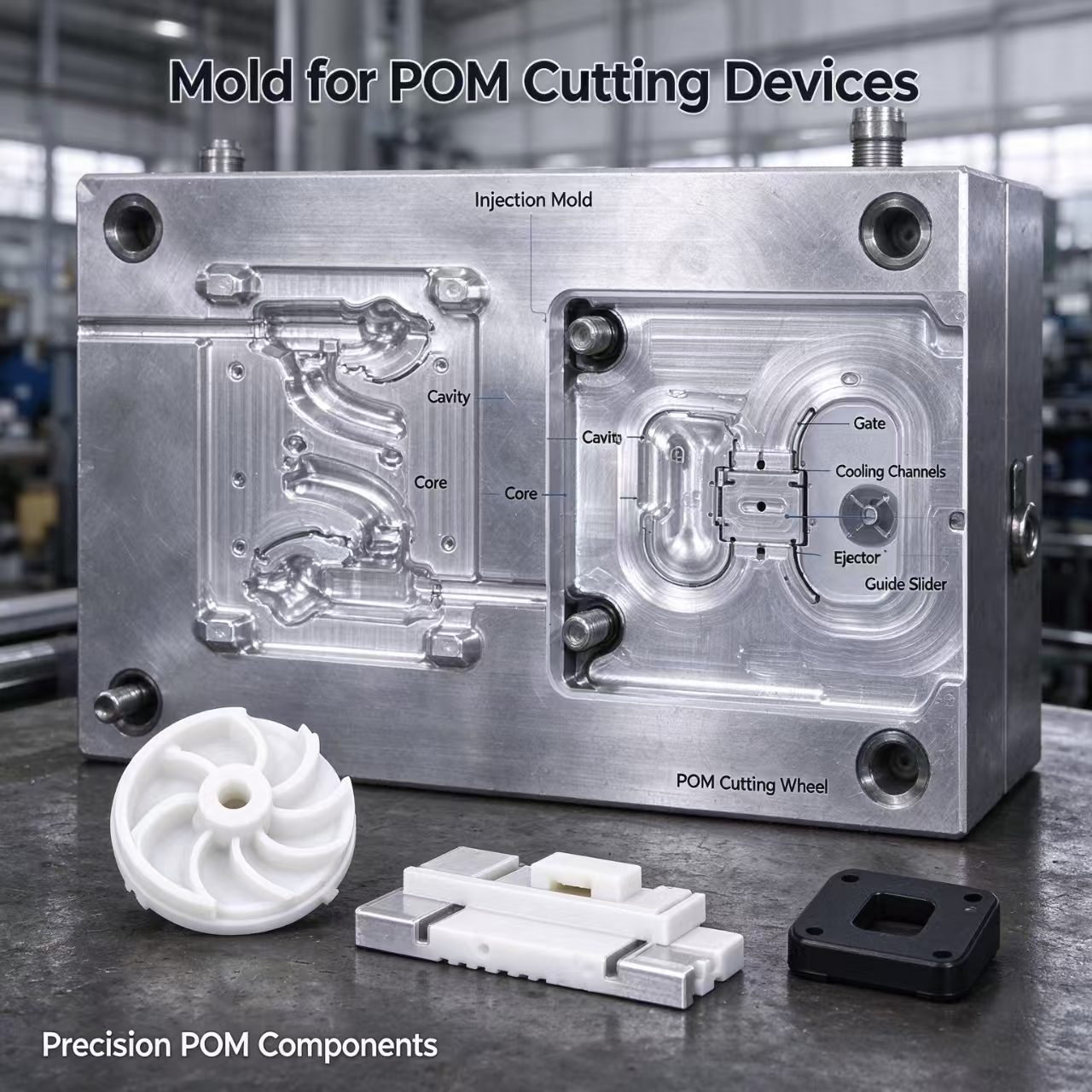
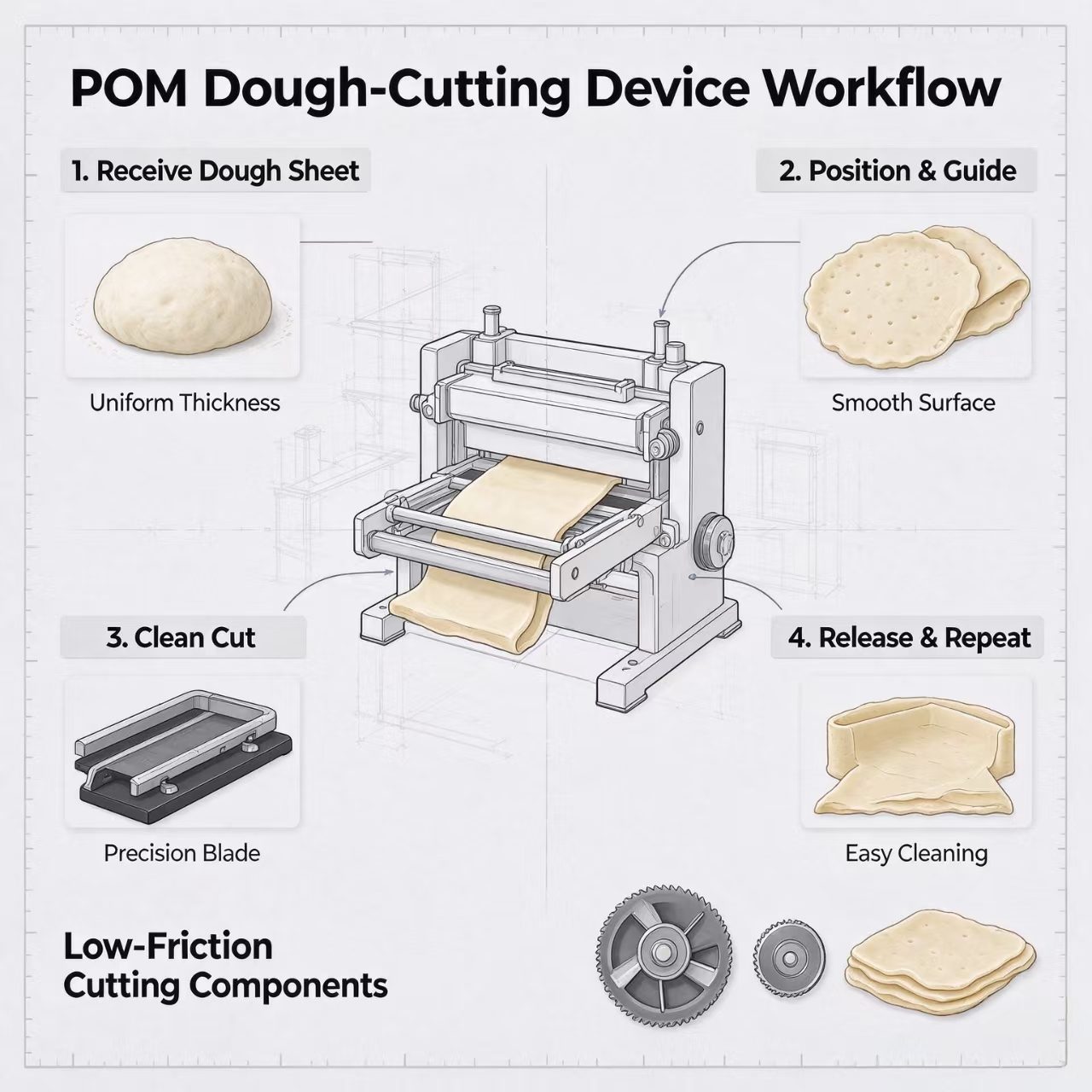
Custom Injection Molds for POM Dough-Cutting Devices, produced by Yiot Technology Co., Ltd., are precision-engineered using Polyoxymethylene (POM) to ensure durability and efficiency. These molds are created to specific buyer drawings, optimizing performance in high-volume food manufacturing applications for cutting pastes, doughs, and similar materials.
| Material or Grade | Polyoxymethylene (POM) |
|---|---|
| Quantity Approach | Made to order |
| Packaging | To your specification |
Compared with the Alternative
Choosing custom injection molds for POM offers superior wear resistance and lower friction compared to other polymers like nylon when cutting dough. POM's stability in high-pressure processing conditions makes it ideal for dough-cutting devices, avoiding deformation issues associated with cheaper plastics. However, if operating in conditions above 100°C, consider alternatives as POM's thermal limit could be reached.
Applications
These custom injection molds are predominantly used in the food industry for dough-cutting applications. For example, they are ideal for use in the manufacturing of pasta shapes, where uniformity and precision in shape are crucial for automated production lines. Similarly, cookie cutters crafted using these molds ensure consistent dimension and ease of release, vital for bulk production without downtime for maintenance. Additionally, molds for pastry decorations provide the flexibility and intricacy needed for high-end bakery products, aiding in creating visually appealing goods that align with a brand's design language.
How to Enquire
Send us your part fit requirements, material needs, and any applicable industry standards at YIOT. We perform first-article inspections and provide detailed reports. our engineering team works closely with each client to refine their design before mass production, ensuring an optimum fit and functionality that meets specific operational needs, timelines, and quality benchmarks.