
Many buyers suspect that injection molded plastic gardening tools are less durable than their metal counterparts. However, when crafted with precision using high-quality materials and the right processes, these tools can offer significant advantages, including resistance to corrosion and lightweight handling. Yiot Technology Co., Ltd. employs ISO 9001:2015 certified quality management systems to ensure consistent quality in the manufacturing process, optimizing durability in the final product. While misuse or subpar materials can affect performance, partnering with an expert manufacturer allows you to achieve longevity and reliability comparable to traditional metal tools. Discover the reality behind these durability misconceptions and what truly affects garden tool longevity.
Key takeaways
- Public perception often associates plastic with fragility, a notion deeply rooted in history and consumer experience.
- When considering the durability of plastic gardening tools, understanding the material properties becomes crucial.
- Injection molding plays a pivotal role in creating uniform strength across plastic gardening tools.
- A common belief is that lower manufacturing costs equate to inferior quality when it comes to plastic gardening tools.
- When ensuring the durability of injection molded plastic gardening tools, rigorous standards and testing processes are essential.
The Origin of Durability Concerns
Public perception often associates plastic with fragility, a notion deeply rooted in history and consumer experience.
In the early days of plastic manufacturing, products frequently failed under stress, leading to a lasting stereotype of plastic as a weak material. Early iterations of plastic tools were prone to deformation or breakage, as plastics at the time, such as Bakelite, lacked the resilience required for demanding tasks. These failures were highly visible, imprinting a negative image in public consciousness.
Additionally, the supposed superiority of metal over plastic in heavy-duty tasks has exacerbated these perceptions. Metals have traditionally been viewed as the standard for strength and durability, especially in industries like construction and manufacturing. The robustness of metal, combined with its heat resistance and historical use, often leads consumers to regard it as the benchmark for durability. When plastic tools entered the market, they were unfavorably compared to metal, further cementing the misconception of their inferiority.
Media narratives have played a significant role in reinforcing these stereotypes. Stories highlighting plastic failures and the dangers of subpar products circulate more prominently than success stories. This phenomenon, known as the negativity bias, skews public perception, leading many to believe that plastic tools are inherently unreliable. Similarly, dramatized depictions in movies and television further promulgate the idea that plastic cannot withstand rigorous use.
Internet forums and user reviews also contribute to the spread of misconceptions. In these spaces, anecdotal evidence and personal experiences can overshadow factual information, particularly when early negative experiences are shared widely. These narratives, once posted online, tend to be perpetuated and amplified as they are shared across networks, fostering a cycle of belief that persists despite advancements in material technology and manufacturing processes.
Understanding Material Properties
When considering the durability of plastic gardening tools, understanding the material properties becomes crucial.
Plastics like ABS (Acrylonitrile Butadiene Styrene), polycarbonate, and polypropylene are frequently used in manufacturing these tools due to their advantageous traits. ABS, for example, is known for its excellent impact resistance and ability to withstand various environmental stresses without deforming. Polycarbonate offers high-impact resistance, making it ideal for tool components that experience frequent contact and stress. Meanwhile, polypropylene is appreciated for its flexibility and chemical resistance, enabling it to endure prolonged use without cracking or warping.
One major advantage that plastic offers over metal is its corrosion resistance. Unlike metals, which can rust or corrode when exposed to moisture or chemicals, these plastics maintain their integrity over time. Additionally, the reduced weight of plastics compared to metals makes handling gardening tools effortless, particularly over extended periods.
However, plastics are not without their challenges. UV exposure and chemical contact can degrade plastics over time, causing them to lose both strength and appearance. To combat this, manufacturers often incorporate UV stabilizers and other additives. For instance, Yiot Technology Co., Ltd. utilizes these strategies, ensuring their materials remain durable.
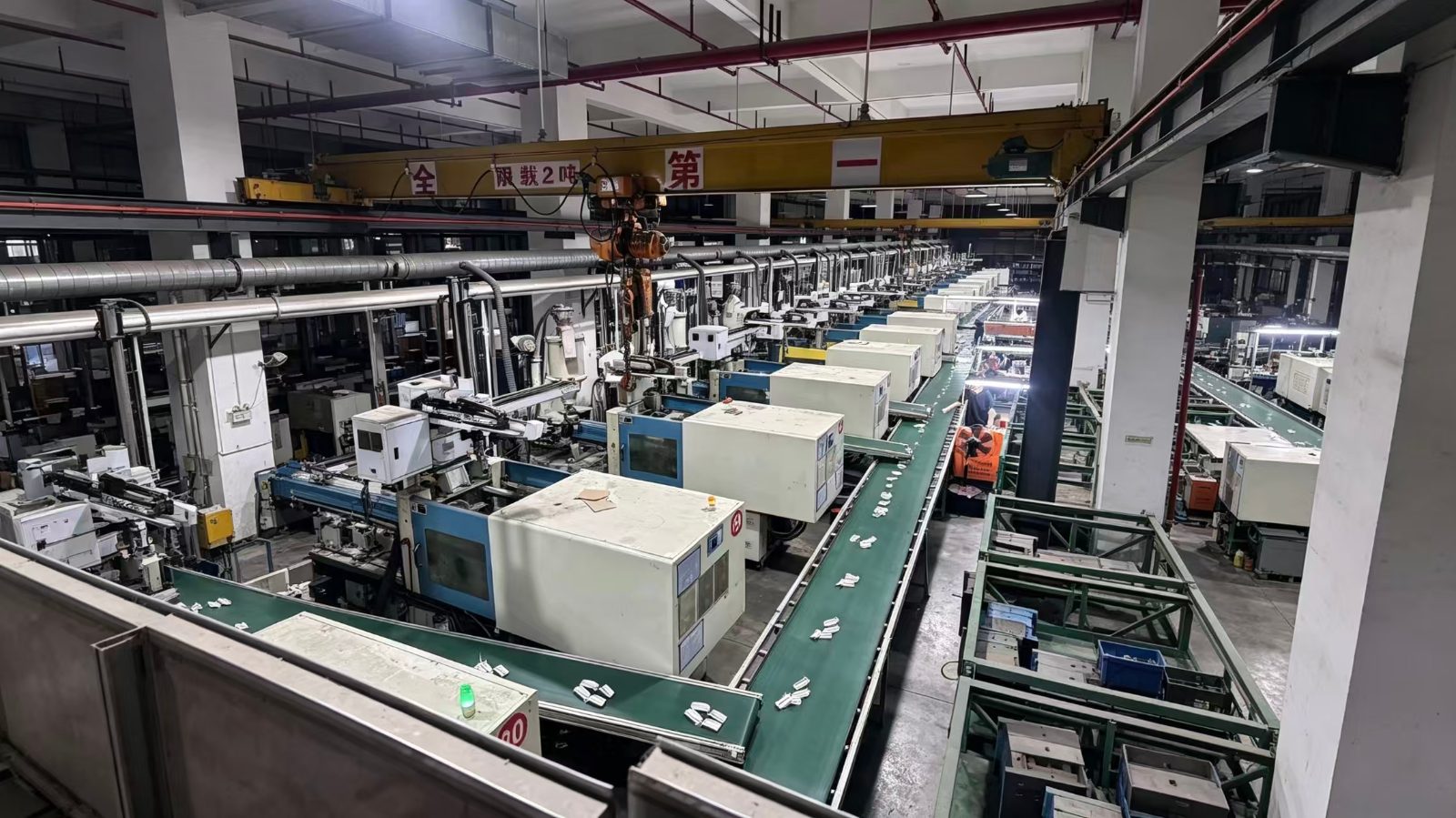
Material Properties of Plastic vs Metal Gardening Tools
| Material Type | Impact Resistance | Corrosion Resistance | Weight | Degradation Factors |
|---|---|---|---|---|
| ABS | High | Excellent | Light | UV exposure, chemicals |
| Polycarbonate | High | Excellent | Light | UV exposure |
| Polypropylene | Moderate | Excellent | Very Light | UV exposure, chemicals |
| Steel | Very High | Poor (rusts) | Heavy | Corrosion in moisture |
| Aluminum | Moderate to High | Good | Light | Corrosion in harsh chemicals |
For those interested in custom injection molds for plastic garden tool components, it’s paramount to understand how material properties influence the durability and reliability of your end product. By selecting the right material and ensuring specifications for durability, the plastic gardening tools can offer significant benefits for your application.
The Role of Injection Molding in Tool Strength
Injection molding plays a pivotal role in creating uniform strength across plastic gardening tools.
By controlling the distribution of material through precise mold design, manufacturers can achieve even wall thickness and molecular alignment, crucial for withstanding mechanical stress. Blow molding doesn’t offer the same uniformity due to its nature. The injection process allows for consistent force distribution, minimizing weak points within the structure.
The importance of design and mold precision cannot be overstated in achieving durable tools. High-precision CNC machining and EDM are often employed to create molds that replicate exact CAD specifications, ensuring no deviation in the end product. Injection pressures and cycle times are also critical; they influence the molecular structure of the plastic, affecting the crystallinity and, consequently, the toughness of the tool. Fine-tuning these parameters is essential to prevent stress concentrations that could lead to cracks or deformation under load.
Additionally, incorporating design elements such as ribs and gussets can significantly enhance tool integrity. These features add rigidity without excessive weight, providing extra support in areas prone to bending or impact. Such reinforcements are particularly valuable in larger or longer-handled gardening tools, where leverage forces are higher. This customization extends to custom injection-molded plastic parts made to customer drawings, allowing for specific durability requirements to be addressed in the design phase itself.
By carefully selecting materials and customizing design features, injection molding offers the versatility necessary for producing durable gardening tools that meet the varied needs of consumers. This process not only maximizes strength but also allows for adaptations that cater to unique environmental or usage demands, ensuring that the final product delivers reliable performance.
Misconceptions About Plastic Manufacturing Costs
A common belief is that lower manufacturing costs equate to inferior quality when it comes to plastic gardening tools.
However, this assumption overlooks several key factors that influence cost-effectiveness and quality. One primary consideration is the cost disparity between plastic and metal materials. While metal often incurs higher raw material prices and requires more intensive machining, plastic can offer a cost advantage without sacrificing durability when produced under optimized conditions.
Injection molding is a process that exemplifies these efficiencies. It allows for the mass production of intricate plastic parts with consistent quality, leveraging economies of scale. The cycle time for molding plastic can often be significantly shorter than that for machining metal parts, reducing labor costs per unit. Additionally, plastic materials such as polypropylene and ABS are designed to maintain strength and performance through various manufacturing innovations.
Quality control practices also play a pivotal role in ensuring that cost does not mean compromise. These practices include rigorous testing of both physical and mechanical properties, along with precision inspections. They are crucial in assuring buyers that even cost-efficient processes uphold performance standards.
Investment in technology further influences both cost and quality. Suppliers who adopt cutting-edge manufacturing equipment are better positioned to maintain competitive pricing without degrading quality. Automation of processes, real-time monitoring systems, and integration of advanced software for mold design can lead to improved output efficiency and reduced defect rates. Thus, misconceptions about plastic’s cost-effectiveness versus quality fail to consider the substantial advancements that elevate both these factors in custom plastic gardening tools manufacturing.
Testing and Standards for Durability
When ensuring the durability of injection molded plastic gardening tools, rigorous standards and testing processes are essential.
A critical benchmark is ISO 9001:2015, which provides a framework for quality management systems. At Yiot Technology Co., Ltd., adherence to this standard underpins not only product quality but also process consistency, guiding every step from design to manufacturing. This certification ensures that the company maintains a commitment to continuous improvement, a prerequisite for any claims of durability.
It’s advisable for buyers to seek impartial verification of a product’s performance. Tests typically involve assessing the tools under a variety of stress factors, including mechanical shocks and environmental exposures. Such verification helps confirm that the tools can withstand the rigors they are intended for, giving buyers confidence in their purchase.
Case studies of YIOT’s products offer insight into their proven durability. For instance, a particular line of gardening tools was tested for impact resistance and showed minimal degradation even after being subjected repeatedly to high-force impacts. These real-world results demonstrate that when designed and manufactured according to strict standards, plastic gardening tools can rival, if not surpass, their metal counterparts in performance and longevity.
Common industry benchmarks often include testing for resistance to UV radiation and chemical exposure. These elements can significantly affect plastic over time, and meeting or exceeding such benchmarks proves a tool’s ability to endure outdoor conditions. Buyers should ensure these factors are considered in the design and testing procedures to meet customer expectations and industry standards alike.
What to Verify When Sourcing Plastic Tools
When sourcing plastic gardening tools, verifying supplier capabilities and adherence to standards is crucial.
While Yiot Technology Co., Ltd. is certified, it’s vital to confirm that your supplier maintains such standards, as this reflects their commitment to quality assurance.
Additionally, understanding material choices and the supplier’s process capabilities is crucial. Inquire about the types of plastics they use, such as ABS or polypropylene, known for their impact resistance and durability. Probing into the supplier’s molding techniques can provide insight into how they achieve desirable qualities, like uniform strength and resistance to environmental stressors.
You should also review the supplier’s past production quality. Request case studies or references that demonstrate their ability to produce high-quality, durable tools consistently. This scrutiny helps assess whether their processes align with your durability standards.
Verifying your supplier’s capacity for customizations is equally vital. Ensure they can accommodate specific design modifications or material adjustments, as this ability reflects their flexibility and capability in meeting bespoke needs.
Durability guarantees or service terms within contracts are essential components to scrutinize. These agreements should provide clear assurances regarding the longevity of the tools produced and detail how service issues will be addressed if they arise.
Ensuring these elements are addressed can significantly impact the quality outcome of your plastic gardening tools.
Evaluating Durability and Reliability
The sustainability and toughness of injection-molded plastic gardening tools can be proven by selecting the right materials and employing precise production techniques.
These tools can demonstrate longevity and reliability when buyers verify specifications rigorously and engage with reputable partners. Following correct specifications and guidance helps ensure the tools at hand withstand the demands of their intended use. Demonstrated through facts rather than outdated beliefs, it’s clear that modern plastic garden tools can exceed expectations with the backing of industry expertise.
Frequently asked questions
Can plastic gardening tools be as durable as metal ones?
Yes, plastic gardening tools can be as durable as metal when produced with robust materials and precise processes. Injection molding can enhance the tool’s structural integrity and its material properties like impact and corrosion resistance.
What materials are best for durable plastic gardening tools?
ABS, polycarbonate, and polypropylene are commonly used due to their impact resistance and lightweight nature. These materials offer a balance of flexibility and durability, especially when processed under a quality management system such as ISO 9001:2015.
How can I ensure the quality of the plastic tools I source?
Verify the supplier’s certifications, such as ISO 9001:2015, and inquire about their testing processes. Reviewing previous production quality and seeking durability guarantees further ensures the quality of sourced plastic gardening tools.
Request a project review
Send the 3D model, 2D drawing, material requirements, annual volume and critical dimensions. The team will identify open technical questions before tooling is quoted.