
When weighing the cost-efficiency between small cavity and standard cavity injection molds, a key factor is production volume. Small cavity molds excel in low- to mid-range volumes, offering reduced tooling costs and faster cycle times. However, standard cavity molds become more economical as production scales up, due to their ability to produce a higher number of parts at once. Consequently, selecting the appropriate mold type largely depends on your specific project needs, such as part size, material choice, and expected production volume. Therefore, understanding these trade-offs is crucial for optimizing production costs and achieving long-term profitability in injection molding projects.
Key takeaways
- In the realm of plastic injection molding, mold size significantly impacts efficiency and cost effectiveness.
- Small cavity molds excel primarily in settings where low to medium production volumes are the target.
- Standard cavity molds bring notable advantages, particularly in the context of large-scale production runs.
- When evaluating small cavity versus standard cavity injection molds, several key factors need to be considered, including cost, production speed, and volume capability.
- Selecting the appropriate injection mold for your project demands a thorough understanding of several production variables—production volume, part size, and the material involved being chief among them.
Understanding the Decision: Small Cavity vs. Standard Cavity Mold
In the realm of plastic injection molding, mold size significantly impacts efficiency and cost effectiveness.
A small cavity mold, usually tailored for low to medium production volumes, involves fewer cavities, typically ranging from 1 to 8, whereas standard cavity molds often accommodate 16 or more cavities. This configuration difference directly influences both the production capacity and the financial outlay.
Industry Perspectives: Small cavity molds are frequently used in industries requiring custom or niche products—think medical devices or specialty electronics housings. Their ability to produce parts with high precision and critical tolerances makes them a well-suited choice for detailed applications where quality outweighs quantity. On the other hand, standard cavity molds are the powerhouse for industries such as automotive and consumer goods, where high volume and uniformity are paramount. Their design caters to the mass production of items, allowing for a rapid cycle time and reduced labor costs due to automation.
Production Volume Considerations: Choosing the right mold hinges heavily on anticipated production volume. For projects with lower volume requirements, a small cavity mold reduces wastage during initial runs and offers quicker setup times. It allows for flexibility without the burden of excess capacity or increased upfront costs. Conversely, when large production volumes are non-negotiable, opting for a standard cavity mold becomes economically advantageous, leading to lower per-unit costs and enhanced throughput efficiency.
Understanding these distinctions allows businesses to align their mold choice with production goals, ultimately affecting both the bottom line and the product’s market readiness. Whether the need is for volume flexibility, precision, or cost savings, the size of the mold cavity plays a pivotal role in determining the best path forward.
Where Small Cavity Molds Excel
Small cavity molds excel primarily in settings where low to medium production volumes are the target.
Their ability to produce specialized parts with critical tolerances makes them indispensable, particularly in industries where precision is non-negotiable. Due to their size, these molds require less raw material for production, which directly translates to cost savings in material expenses. This reduction in material use is not only economical but also minimizes waste, aligning with sustainable manufacturing goals.
In terms of design, small cavity molds are particularly advantageous for custom or specialized parts. Parts that demand precise specifications, such as those with tight dimensional tolerances, benefit from these types of molds. Their smaller size allows for heightened control over the molding process, which results in higher accuracy and less post-mold processing. This aspect is crucial when producing components that need exacting dimensions to function properly in their application, such as specific fitments in electronic housings or intricate kitchen tools.
Another notable benefit of small cavity molds is their efficiency in energy consumption. Since they are typically used for lower volume runs, the heating and cooling cycles are shorter, resulting in lower overall energy costs. This can be particularly advantageous in applications where heating costs are a substantial portion of the production expense.
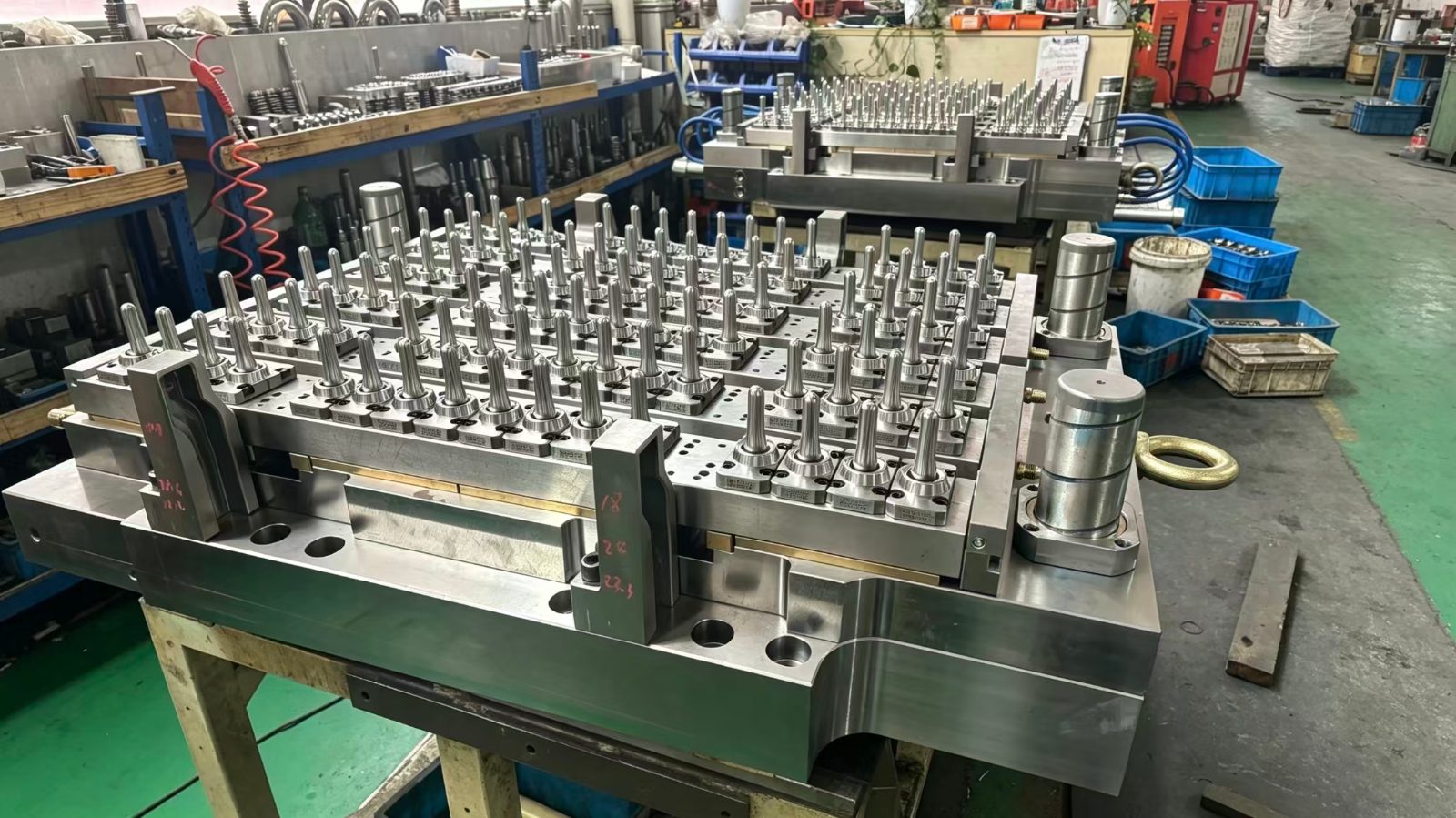
Overall, the use of small cavity molds offers distinct economic advantages, primarily through decreased material usage and reduced energy consumption during the manufacturing process. When evaluating mold options for niche applications or lower production volumes, choosing a small cavity mold can lead to significant savings and increased part quality. For example, when designing for space-saving plastic kitchen gadgets, opting for these molds ensures precise and cost-efficient production. For further insights, you can explore our category of Custom Injection Molds for Space-Saving Plastic Kitchen Gadgets.
Advantages of Standard Cavity Molds
Standard cavity molds bring notable advantages, particularly in the context of large-scale production runs.
One significant benefit is their economic viability due to the ability to incorporate higher cavity numbers. This increase in cavities allows for more parts to be produced per cycle, effectively lowering the cost per unit in high-volume manufacturing. Particularly in industries like automotive, where consistency and scale are critical, these molds facilitate efficient production.
For uniform, high-volume parts such as those used in the automotive sector, standard cavity molds are unmatched in delivering consistent quality. They ensure that each part produced meets rigorous standards, crucial for components in vehicles where safety and reliability are paramount. The production efficiency achieved with standard cavity molds helps in maintaining this level of quality across batches.
Another advantage is the reduced cycle time made possible by automated processes integrated within these molds. The automation decreases the labor needed, as robotic systems can handle the operation between cycles, reducing manual interventions. This setup not only speeds up the production process but also minimizes human error, ensuring a streamlined workflow.
The automated nature of standard cavity molds aligns with large-scale production environments, where efficiency translates into substantial cost savings over time. For example, Custom Injection Molds for Heavy-Duty Plastic Automotive Components leverage these benefits, supporting high demands typical in the automotive industry.
Such efficiencies illustrate why standard cavity molds are a favored choice for mass production settings. They excel not only in cost reduction through high-volume output but also in maintaining the strict quality controls required by industries with high-stakes components.
Comparison Table: Small Cavity vs. Standard Cavity Molds
When evaluating small cavity versus standard cavity injection molds, several key factors need to be considered, including cost, production speed, and volume capability.
Each mold type offers distinct advantages and trade-offs that can substantially impact manufacturing efficiency and cost-effectiveness.
Small cavity molds typically stand out in low to medium production environments. Their design often allows for quicker setup times due to their more manageable size and reduced cavities. This can translate to shorter cycle times for small to medium-sized production runs. The reduced number of cavities also means less material waste during the mold-making process. This efficiency can lead to lower initial mold costs compared to standard cavity molds, which require more resources and time to manufacture due to their larger size and capacity.
In contrast, standard cavity molds are optimized for high-volume production. They accommodate a greater number of cavities per mold, enabling the production of more parts in a single cycle. This can lead to a substantial reduction in production time for large batches. While the initial cost of standard cavity molds might be higher due to their complexity and size, the offset in cost comes with the ability to produce higher quantities of uniform parts at a faster rate, making them ideal for applications where consistency and scale are critical, such as in the automotive industry.
Comparison of Small Cavity and Standard Cavity Molds
| Factor | Small Cavity Mold | Standard Cavity Mold |
|---|---|---|
| Initial Cost | Lower | Higher |
| Production Speed | Moderate | High |
| Volume Capability | Low to Medium | High |
| Material Waste | Less | More |
| Setup Time | Shorter | Longer |
In summary, the choice between small cavity and standard cavity molds should be driven by the specific production requirements, with small cavity molds offering cost benefits in lower volume scenarios and standard cavity molds excelling in high-volume, uniform part production.
Choosing the Right Mold for Your Project
Selecting the appropriate injection mold for your project demands a thorough understanding of several production variables—production volume, part size, and the material involved being chief among them.
For low to medium production volumes, small cavity molds typically represent the most cost-effective option. These molds can be tailored to accommodate specific, smaller part sizes, making them highly efficient for producing intricate or custom parts. By streamlining material usage and reducing heating costs, small cavity molds can lead to significant savings when aligned with the appropriate production scale and material choices.
However, if your project requires producing uniform, high-volume parts, opting for standard cavity molds might be more beneficial. These molds can handle larger quantities and can be more economical over extensive runs due to their ability to facilitate faster cycle times and broader automation. Hence, understanding these dynamics is crucial for optimizing overall project costs—a decision best made by closely analyzing your production needs.
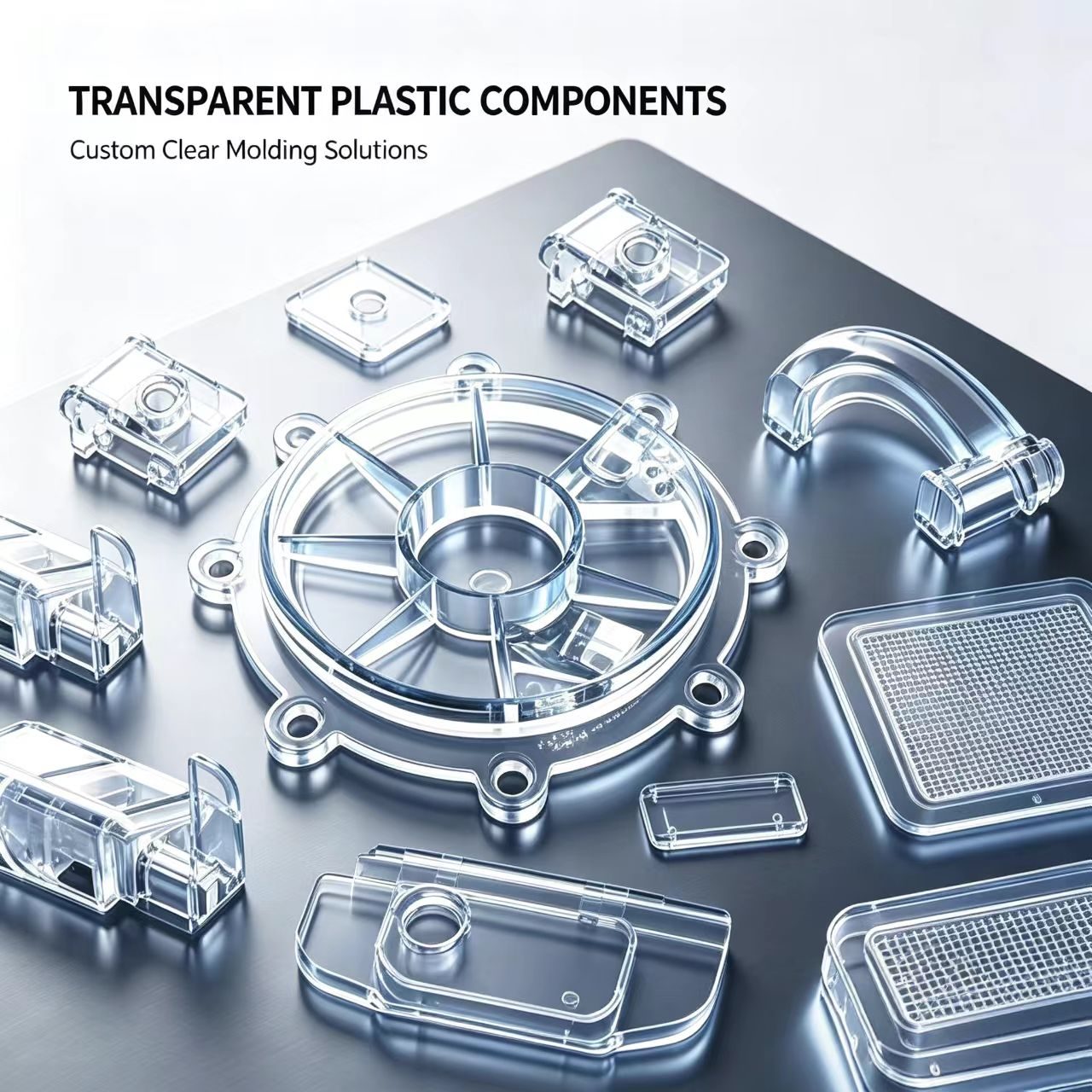
Moreover, customization and flexibility play vital roles in determining the right mold. Small cavity molds allow for easier modifications and are ideal for projects needing frequent design changes or small batch production. In contrast, standard molds are advantageous when the design is stable and in need of fewer modifications, thereby supporting cost-efficiency in large-scale manufacturing.
In projects involving compact electronics, for instance, customization can be critical. Consider the tailored benefits of using Custom Injection Molds for Compact Plastic Consumer Electronics to meet precise design requirements efficiently. By aligning your mold choice with the specific demands of your production volume, part size, and material, you can significantly impact the cost-efficiency of your project, avoiding unnecessary expenditures and enhancing operational flexibility.
Common Mistakes in Mold Selection
A frequent oversight in mold selection is underestimating the long-term cost benefits of standard molds for large production runs.
While the initial expense of a standard cavity mold might seem daunting, these molds are optimized for high-volume manufacturing due to their efficiency in reducing cycle times and labor inputs. For example, with a single setup, a standard cavity mold can produce a larger number of parts with minimal downtime, which translates into reduced cost per part over time. This makes them economically advantageous for industries such as automotive where uniformity and volume are key.
Another mistake is the inadequate assessment of production volume and the specific application requirements. Buyers often choose a mold based solely on upfront costs without considering the projected lifecycle or the demands of their application. Imagine a scenario where a company opts for a small cavity mold due to its lower initial cost, only to face increased costs later due to its inefficiency in handling the required volume over the lifecycle of the product. Before selecting a mold, evaluating the anticipated scale and nuances of the project is crucial to avoid costly adjustments down the line.
Lastly, misjudging the speed and efficiency benefits of each mold type can lead to suboptimal choices. Standard cavity molds, for instance, often incorporate automated systems that streamline the production process, thereby increasing throughput and reducing manual labor. In contrast, small cavity molds may initially appear to offer a cost-effective solution for short runs but could incur hidden costs in terms of longer lead times and more frequent tool changeovers. Understanding the trade-offs between these options requires a keen insight into the molding process and a precise estimation of production demands. Without this, some buyers may find themselves entangled in prolonged production schedules and escalated costs.
Final Thoughts: Optimizing Mold Selection for Cost-Efficiency
Aligning mold choice with production needs directly impacts cost efficiency.
The right balance between initial investment and long-term savings must be evaluated to avoid unnecessary expenses. Project goals, including production volume and part specifications, are crucial in the selection process. Whether a small cavity mold or a standard mold is chosen should depend on these parameters, ensuring that the selected option supports both immediate and future manufacturing requirements effectively. This strategic alignment secures not only cost-efficiency but also project success.
Frequently asked questions
What are the cost benefits of small cavity molds?
Small cavity molds offer significant cost benefits for low to medium production volumes due to lower initial tooling costs and reduced material waste. They are especially effective for custom parts requiring tight tolerances.
When should I choose a standard cavity mold?
Select a standard cavity mold for high-volume production of uniform parts, where large-scale consistency and reduced cycle time are critical. These molds are more cost-efficient when economies of scale come into play.
Request a project review
Send the 3D model, 2D drawing, material requirements, annual volume and critical dimensions. The team will identify open technical questions before tooling is quoted.