Choosing the right injection mold for plastic air purifier parts hinges significantly on understanding the specific function and precision requirements of these components. For instance, molds designed for air filter housings must consistently hold tolerances of ±0.05 mm to ensure proper sealing and functionality. Such precision affects not only the operation but also the noise and efficiency of air purifiers. Therefore, when selecting a mold, one must consider material compatibility, mold strength, and durability according to industry standards. This understanding allows OEMs and product designers to partner effectively with manufacturers like Yiot Technology Co., Ltd., ensuring parts that meet exacting specifications.
Key takeaways
- Selecting the right material is a crucial step in ensuring the functionality and durability of plastic air purifier parts.
- Designing an injection mold for plastic air purifier parts involves several critical elements that significantly influence the final product’s quality.
- In the production of plastic air purifier molds, CNC machining plays a pivotal role in shaping mold cavities and cores.
- Visual and dimensional inspection are critical steps in ensuring that injection molds for air purifier parts meet design specifications.
- Identifying and addressing production errors in mold manufacturing is crucial to ensuring the successful production of plastic air purifier parts.
1. Material Specifications for Air Purifier Parts
Selecting the right material is a crucial step in ensuring the functionality and durability of plastic air purifier parts.
Common materials such as ABS (Acrylonitrile Butadiene Styrene), PC (Polycarbonate), PP (Polypropylene), and nylon offer varying mechanical properties suited for different functions within an air purifier. ABS is generally preferred for its good balance of strength, impact resistance, and cost-effectiveness, making it well-suited for structural components. Polycarbonate provides superior impact resistance and heat resistance, ideal for clear parts or components that need to withstand higher temperatures. Polypropylene offers excellent chemical resistance and flexibility, while nylon’s high tensile strength and temperature resilience make it suitable for motor housings or high-wear parts.
The choice of material impacts not only the performance of the final product but also the design and durability of the mold itself. Each material has distinct thermal and mechanical properties that dictate the mold’s construction. For instance, the higher processing temperatures required for PC might demand a mold with enhanced strength and thermal management capacities to avoid warping or thermal fatigue.
Material consistency is another crucial factor, as variations can lead to inconsistencies in the final parts. Poor material consistency may require adjustments in the mold design, such as varying wall thickness or incorporating additional cooling channels, to account for less predictable flow and cooling patterns.
To achieve optimal performance of air purifier components, ensure that material properties align with design specifications. The ability of a mold to withstand the pressures and temperatures of different materials ensures longevity and reduces the need for frequent maintenance, ultimately leading to a more cost-effective production process.
2. Designing the Mold: Key Considerations
Designing an injection mold for plastic air purifier parts involves several critical elements that significantly influence the final product’s quality.
For air purifiers, molds must accommodate intricate geometries stemming from functional and aesthetic design requirements. CAD (Computer-Aided Design) software plays an essential role in translating these intricate designs into precise 3D models, which then serve as the blueprint for mold fabrication. Its precision supports tighter tolerances, reducing material wastage and ensuring parts fit together perfectly.
Integrating Design for Manufacturability (DFM) principles within the mold design process is crucial to minimize defects and production errors. DFM encourages collaboration between design engineers and tooling specialists to foresee potential problems in the mold design phase before they become costly errors. This minimizes iterations during production, ensuring smoother manufacturing and ultimately lowering costs. When developing molds for high-output parts like air purifier components, scalability becomes essential. A design that supports easy scaling can adapt to demand changes without compromising quality or significantly increasing costs.
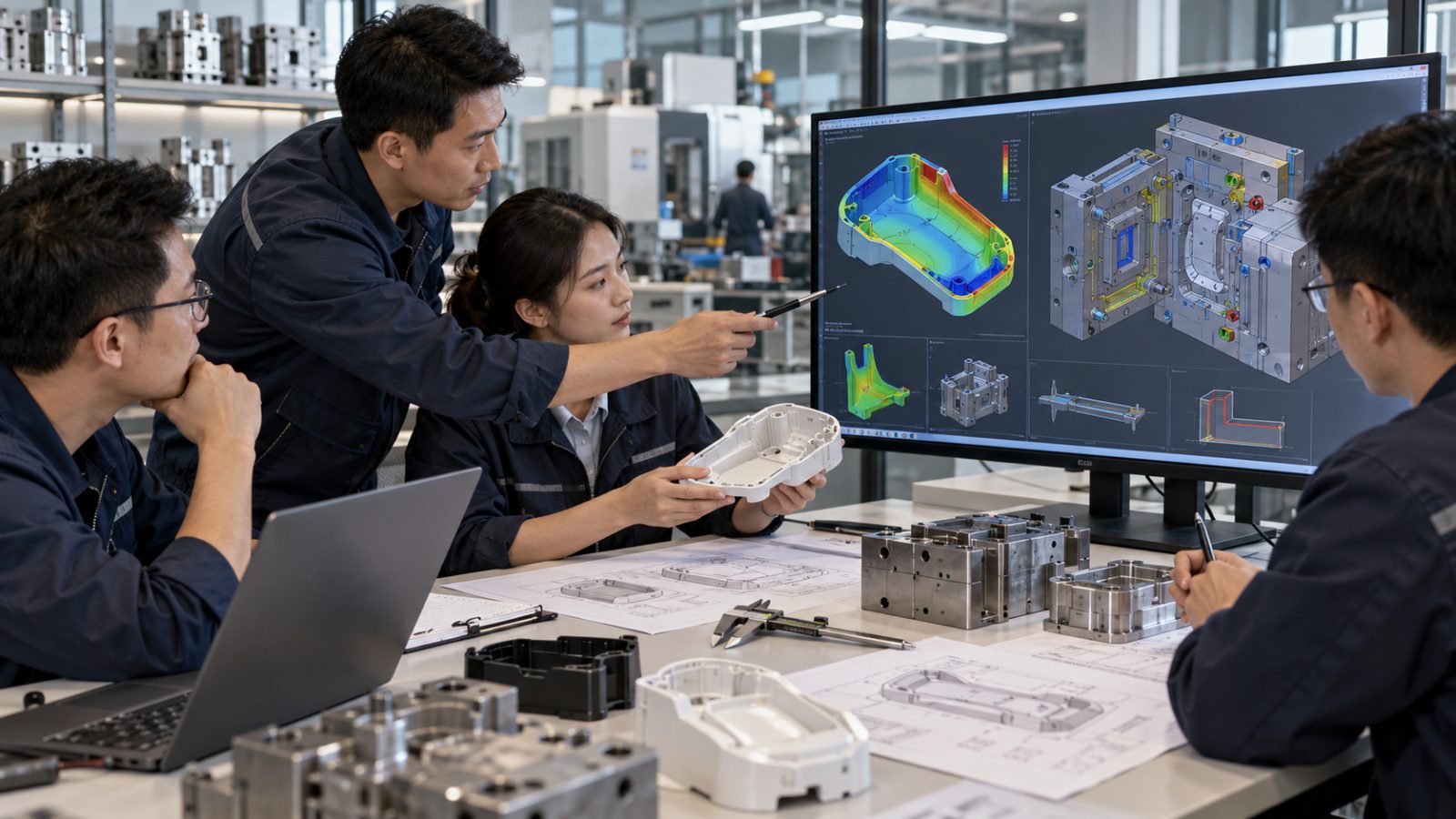
Advanced molds incorporate sophisticated cooling and ejection systems to enhance production efficiency. Cooling systems are critical because they reduce cycle time and improve consistency in part cooling, preventing warpage or shrinkage that could lead to functional issues in assembly. Ejection systems, on the other hand, are designed to remove finished parts smoothly without damaging delicate features. These features are particularly vital for air purifier parts with complex, fragile geometries.
Scalability is another crucial aspect when designing molds. It ensures that as demand for parts grows, production can ramp up without major redesigns or significant increases in production time. By ensuring the initial mold design accommodates potential future needs, companies can significantly reduce long-term costs.
3. CNC Machining and EDM in Mold Production
In the production of plastic air purifier molds, CNC machining plays a pivotal role in shaping mold cavities and cores.
This process uses high-speed rotary tools to cut away materials, creating precise features that define the mold’s basic shape. CNC is adept at executing detailed cuts with high precision, which is ideal for forming the primary geometry of mold components.
On the other hand, Electrical Discharge Machining (EDM) complements CNC by achieving the intricate details CNC alone might miss. EDM employs electrical discharges to erode conductive materials, allowing for precision in complex geometries and tight spaces where traditional milling cannot reach. This capability is particularly beneficial for intricate mold features like undercuts and sharp corners.
Combining CNC machining with EDM provides synergistic benefits for complex mold manufacturing. CNC’s high production speed and EDM’s precision create molds with superior detail and minimal errors. Buyers looking to achieve optimal tolerances in mold production should consider specifying the required levels on their drawings and discuss these needs with potential suppliers.
CNC vs EDM in Mold Production
| Process | Best for | Surface Finish Quality | Tolerance Level | Production Speed |
|---|---|---|---|---|
| CNC Machining | Basic shape | Good | ±0.005″ | Fast |
| EDM | Intricate details | Excellent | ±0.001″ | Slow |
| Combined CNC & EDM | Complex molds | Superior | ±0.001″ | Moderate |
The blend of CNC machining and EDM also offers advantages in surface finish quality. While CNC machines produce a decent finish suitable for most applications, EDM can achieve extraordinary surface qualities necessary for mold features that contact visible parts of air purifiers. Consequently, selecting the appropriate process or combination thereof is crucial for optimizing production efficiency, precision, and surface integrity of injection molds. Buyers should consider how combining these processes can enhance mold production, focusing on operational efficiency and precise detailing.
4. Quality Control Measures to Avoid Defects
Visual and dimensional inspection are critical steps in ensuring that injection molds for air purifier parts meet design specifications.
Visual inspections are useful for spotting obvious cosmetic defects such as flow lines and splay that can mar the appearance of the finished product. Dimensional inspection, on the other hand, checks critical features against specified tolerances using appropriate tools for dimensional inspection. A thorough dimension check might, for example, reveal a deviation in a sealing surface that could impact how an air purifier part fits within the assembly, thereby flagging it for correction.
ISO 9001:2015 standards play a significant role in maintaining quality control. This certification requires systematic procedural audits and documentation, ensuring that every part matches the customer’s design intent and that production processes remain consistent. It dictates that equipment calibrations, process checks, and audits are regularly undertaken to ensure no drift from standards. Adhering to these standards not only ensures consistent quality but also builds customer trust.
Common defects in molded plastic air purifier parts include sink marks, warping, and short shots. A sink mark, often resulting from inadequate cooling time or temperature variation, can ruin the aesthetic quality of a product. Short shots—when a mold does not completely fill—are particularly noticeable in critical function areas. Non-destructive testing methods, such as ultrasonic testing, can be employed to spot internal defects without damaging the part.
Documenting inspection results is vital for repeatability and traceability. Inspections are documented as appropriate for quality assurance. This documentation highlights compliance with design and quality standards, enabling easy identification of process deviations. For further insights into interpreting these reports, Reading a Custom Injection molds for plastic air purifier parts inspection report: the numbers that matter.
5. Preventing Common Production Errors
Identifying and addressing production errors in mold manufacturing is crucial to ensuring the successful production of plastic air purifier parts.
One typical error encountered is voids in the mold, often caused by insufficient material flow or incorrect gate sizing. To prevent this, mold designers should prioritize material flow simulations during the design phase to optimize gate location and size.
Another frequent issue is warping, which typically results from uneven cooling. Proper mold cooling is vital, and any failure in the ventilation or cooling systems can exacerbate defects. Ensuring that cooling channels are evenly distributed and maintaining a consistent coolant flow rate can mitigate this problem. Regular maintenance and checks of the cooling system can also help prevent these issues from impacting part quality.
Feed system issues are another common cause of inefficiencies during mold production. These issues often arise from improper runner design, which can cause imbalances in material distribution. To address this, designing a balanced runner system that reduces pressure drops and facilitates uniform material flow is essential. Using computational analysis tools can assist in predicting and correcting these potential imbalances.
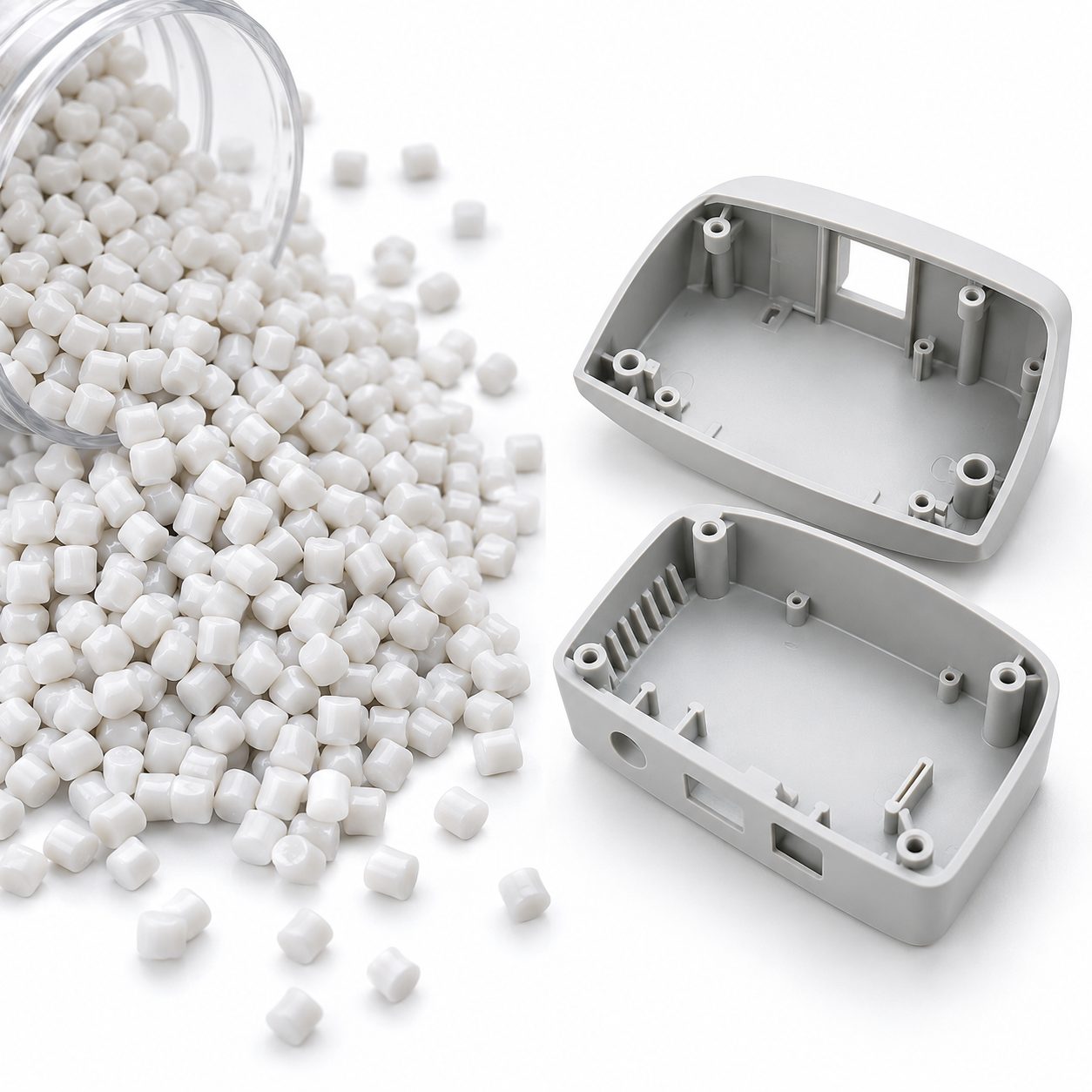
When production errors are detected, immediate corrective measures are vital. This might involve adjusting machine parameters, such as temperature and pressure, to achieve the desired material flow and curing time. In some cases, revisiting the mold design to refine specifics like venting and cooling channel layout is necessary.
Manufacturers should adopt preventive strategies and prompt corrective actions to significantly reduce the occurrence of production errors. This approach not only enhances the efficiency of mold operations but also ensures the consistent quality of plastic air purifier parts.
Ensuring Your Mold Choice Meets Project Goals
When selecting a mold for plastic air purifier components, it’s crucial to ensure that the mold can meet your design specifications effectively.
To do so, start by thoroughly reviewing your project’s CAD files against the mold’s capabilities. Confirm that the mold can accommodate critical design features like undercuts, complex geometries, and required tolerances—details that drive your product’s functionality and aesthetics. This alignment forms the foundation for meeting performance and quality criteria right from the design phase.
Balancing the cost with performance is another pivotal consideration. A higher upfront mold cost often equates to enhanced performance features such as superior durability and quicker cycle times. These can reduce long-term production costs, yielding savings when scaled over high volumes. Still, ensure the mold’s complexity and cost align with the expected usage and lifespan of the product. A comprehensive total cost analysis considering factors like cycle time, maintenance needs, and potential downtime will guide this balance effectively.
To ensure that your mold choice meets project goals, verify that potential suppliers can handle both the design complexity and the expected production volumes. Ask potential suppliers specific questions such as their experience with similar projects, their process for managing defects, and how they handle changes in design specifications during the production cycle. Supplier transparency here helps gauge their ability to deliver on-time and to your quality standards.
Lastly, don’t overlook the mold’s long-term durability and maintenance needs. Detailed service plans, including frequency of maintenance checks and ease of replacing parts, are crucial. Longevity and ease of maintenance can significantly influence the overall cost-effectiveness of your project. For further insights, consider reviewing our resource on Custom Injection Molds for Plastic Air Purifier Parts. This helps ensure you’re equipped with the right guidance to navigate your mold selection confidently.
Frequently asked questions
1. How do I know if my mold will last for the intended lifecycle of the product?
Mold longevity typically depends on the material selection, design precision, and maintenance practices. Correctly choosing durable materials and ensuring robust maintenance can significantly extend the mold’s lifecycle, often reaching millions of cycles. Before committing, inquire about the manufacturer’s mold maintenance practices and warranties.
2. What are some red flags when selecting an injection mold supplier?
Red flags include vague cost estimates, lack of ISO 9001:2015 certification, and inadequate tooling capabilities. Reliable suppliers should offer clear proposals, demonstrate certification compliance, and have a comprehensive understanding of mold production and maintenance. Reviewing client testimonials and conducting site visits can also provide insights.
3. How critical is it to align the mold design with the final production environment?
It’s crucial to ensure that the mold design is compatible with your production environment to avoid costly redesigns. Factors like production volume, compatible machinery, and specific environmental conditions, such as temperature and humidity, should be discussed with the supplier to ensure alignment and efficiency.
Frequently asked questions
What material is best for air purifier components?
Selecting a material depends on the component’s function. Common choices include ABS for its durability, PC for impact resistance, and PP for its cost-effectiveness. Consider the operational environment and specific requirements when choosing a material.
How does ISO 9001:2015 certification affect mold quality?
ISO 9001:2015 ensures adherence to quality management principles that support consistent processes. It confirms the company’s commitment to quality practices, vital for reliable air purifier parts.
Request a project review
Send the 3D model, 2D drawing, material requirements, annual volume and critical dimensions. The team will identify open technical questions before tooling is quoted.