“How are custom injection-molded silicon molds for fridge magnets made with precision?” This question is vital for OEM and ODM sourcing managers and design engineers. Custom injection-molded silicon molds provide the ability to manufacture fridge magnets with complex designs and consistent quality. The process involves creating a mold that perfectly mirrors the design specifications, ensuring reliability with each production cycle. By utilizing silicon’s flexible properties, these molds can endure frequent and repeated use without losing accuracy or efficiency. When sourcing custom molds, ensure your supplier prioritizes quality and precision, and verify their adherence to ISO 9001:2015, which certifies their quality management system for consistent processes and standards.
Key takeaways
- Creating custom silicon molds for fridge magnets involves several precise and interrelated processes, starting with detailed design and extending through quality assurance checks.
- Silicon molds offer a unique combination of flexibility and durability, essential for crafting intricate fridge magnets.
- Silicon molds have become a popular choice for manufacturing fridge magnets due to their superior durability and flexibility compared to other materials.
- When sourcing custom injection-molded silicon molds for fridge magnets, confirming the supplier’s experience with custom silicon molding is paramount.
- Ignoring thermal expansion when designing silicon molds for fridge magnets can lead to significant issues, such as the distortion of the final product.
What is the process for creating custom silicon molds?
Creating custom silicon molds for fridge magnets involves several precise and interrelated processes, starting with detailed design and extending through quality assurance checks.
The first step is defining the design and specifications of the mold, using Computer-Aided Design (CAD) models. CAD models allow for precise detailing and simulation of the end product, accounting for factors such as magnet shape, size, and intricacies. This ensures that the mold will yield accurate and consistent fridge magnets, meeting the custom requirements specified by clients.
Selecting the right silicon material is crucial, given silicone’s inherent durability and flexibility, crucial for decorative applications like fridge magnets. The chosen silicone must maintain its properties under the refrigerator’s temperature fluctuations and during the casting process. This step involves balancing factors such as tear strength, elongation, and hardness of the silicone material, which affect both the mold’s longevity and the final product’s quality.
To translate the CAD designs into physical molds, advanced machining techniques can be employed including CNC machining, which allows for precision cutting and the creation of intricate details. CNC machines can accurately cut complex shapes specified in the CAD models, essential for capturing every nuance of a fridge magnet design.
Once fabrication is complete, the molds undergo rigorous quality inspection. Dimensional analysis ensures that the molds conform to design specifications, while visual checks confirm there are no surface defects such as burrs or incomplete edges. Yiot Technology Co., Ltd.’s quality management system is ISO 9001:2015 certified, which helps ensure that each mold meets stringent management system standards and consistently produces products according to set specifications. For additional complex designs, similar processes are utilized as seen with our Custom Injection Molds for 3D Molded Electronics.
These steps collectively ensure that custom silicon molds for fridge magnets are not only precise but also reliable for production consistency.
What are the key advantages of using silicon molds for fridge magnets?
Silicon molds offer a unique combination of flexibility and durability, essential for crafting intricate fridge magnets.
Unlike other mold materials, silicon exhibits exceptional tear resistance, meaning it can stretch or compress without tearing, making it ideal for replicating delicate and detailed designs precisely. This property ensures that even the most intricate magnet designs maintain their integrity during the demolding process, reducing the risk of damage to fine details.
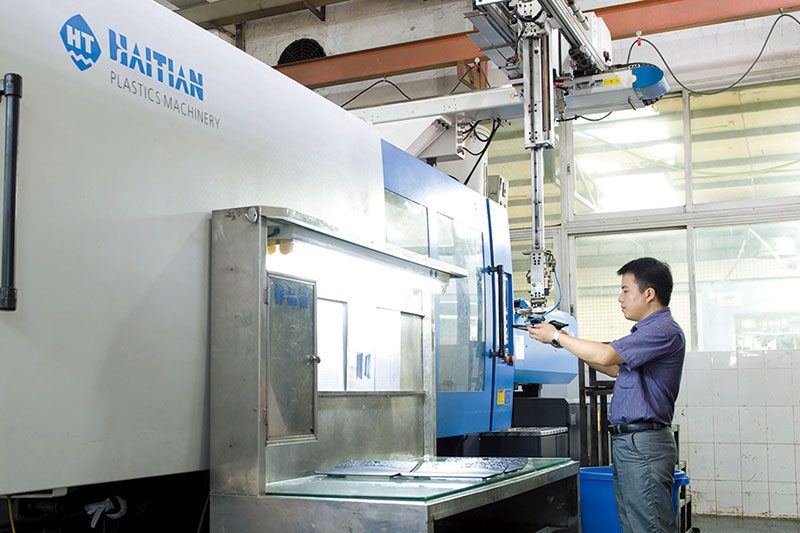
Temperature stability is another significant advantage of silicon molds. Silicon can withstand temperature extremes, functioning well under varied thermal conditions without warping or degrading. This stability is crucial in maintaining consistent quality during the rapid cycling typical in high-volume production environments. Fridge magnets, often produced in large batches, benefit from such stability, ensuring uniformity and minimizing defects.
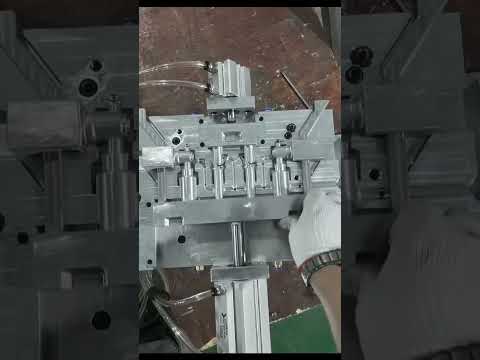
Cost-effectiveness is another noteworthy benefit when using silicon molds for mid-to-large volume production runs. Silicon materials used in molding can be reused multiple times before showing any wear, reducing overall material costs. Additionally, the inherent durability of silicon results in less frequent need for mold replacement, cutting down on both material and operational expenses over time.
Moreover, the defect rate in silicon-molded products is minimal, which leads to higher-quality outcomes and less wastage. The flexibility of silicon reduces stress during demolding, thus minimizing the occurrence of defects such as surface flaws or incomplete forms. This reliability translates to higher consistency in the finished magnets’ quality across production batches.
Given these advantages, silicon molds present a compelling option for manufacturers striving for high-quality and economical production. They offer an optimal solution for producing intricate and stable fridge magnets with efficiency and precision.
How does silicon molding compare to other materials for magnets?
Silicon molds have become a popular choice for manufacturing fridge magnets due to their superior durability and flexibility compared to other materials.
Silicon’s resilience allows it to withstand wear and tear, even when dealing with intricate designs or frequent production cycles. In contrast, thermoplastics, while more rigid, might eventually crack or show signs of stress under similar conditions. Consequently, silicon molds generally offer a longer lifecycle, especially suited for high-volume production runs where durability is crucial.
Thermal Properties Impacting Magnet Quality
Silicon is known for its excellent thermal stability, maintaining performance over a wide range of temperatures, which is especially beneficial in maintaining the quality of fridge magnets. This stability prevents warping or deformation that could occur with less stable materials such as PVC. Silicon can consistently operate in environments where frequent heating and cooling cycles are involved, ensuring the magnets maintain their shape and function over time.
Cost Comparisons in Tooling and Materials
The upfront tooling cost for silicon molds can be higher than for some thermoplastics due to the need for detailed craftsmanship and robust materials. However, the long-term cost efficiency often outweighs the initial investment, as silicon molds typically last longer and require less frequent replacement. Additionally, the material costs can vary significantly, depending on the specific type of silicone and the alternative plastic materials being considered.
Comparison of Mold Materials
| Material Type | Durability | Thermal Stability | Cost | Typical Applications |
|---|---|---|---|---|
| Silicon | High | Excellent | Moderate to High | Fridge magnets, intricate parts |
| Thermoplastics | Moderate | Moderate | Lower | General consumer products |
| PVC | Low | Low | Low | Low-cost goods |
| Polyurethane | High | Good | Moderate | Industrial and heavy-duty parts |
Industry Use Cases and Preferences
Silicon’s combination of flexibility, durability, and thermal stability makes it the material of choice for many industries where precision and aesthetics are key, such as the production of decorative fridge magnets. In contrast, industries focused on less demanding applications might favor thermoplastics or PVC for cost reasons, despite their inferior performance in demanding conditions.
What factors should buyers consider when sourcing these molds?
When sourcing custom injection-molded silicon molds for fridge magnets, confirming the supplier’s experience with custom silicon molding is paramount.
A supplier with a portfolio showcasing a variety of successful projects in custom silicon injection can provide assurance of their capability. Inquiry about their experience specifically with fridge magnet designs can also highlight their adeptness in executing complex and detailed projects, reducing potential risks in mold production.
Verifying the supplier meets ISO 9001:2015 requirements ensures a standardized quality management system is in place, which is crucial for maintaining consistency and quality throughout the production process. This certification signifies that the supplier follows internationally recognized quality management practices, minimizing risks associated with product defects and delays. It’s not just a box-checking exercise; a supplier not holding this certification could signal potential quality control issues.
Not all suppliers have the capability to handle intricate designs that might be necessary for custom fridge magnets. Dive into examples of their past work or visit case studies that highlight their design capabilities. Suppliers who can showcase previous successful complex mold designs can provide peace of mind that they can meet unique design challenges your project may present.
Reviewing past customer testimonials and case studies can provide insight into a supplier’s reliability and quality. Genuine feedback from former clients can reveal a lot about the supplier’s ability to consistently meet or exceed customer expectations.
Lead-time promises and order flexibility are crucial, especially when aligning production schedules with demanding timelines. Be cautious of suppliers offering unrealistic lead times without a proven track record. Confirm their capacity to adapt to changes, whether it’s a sudden increase in order volumes or design alterations. To deepen your understanding of custom mold capabilities, explore our detailed insights on Custom Injection Molds for Plastic Automotive Console Parts. Ensuring these factors are checked can lead to a more successful sourcing decision, aligning supplier capabilities with your mold production needs effectively.

What are common pitfalls in the creation of silicon molds for fridge magnets?
Ignoring thermal expansion when designing silicon molds for fridge magnets can lead to significant issues, such as the distortion of the final product.
Silicon’s thermal expansion coefficient is relatively high compared to metals; this can cause the mold to expand during the curing process. Failing to account for this can result in magnets that don’t fit intended surface shapes correctly or have altered dimensions. Therefore, incorporating precise allowances for thermal expansion during the design phase is crucial to maintain accuracy and prevent costly redesigns.
Selecting inappropriate mold release agents is another common pitfall. Using the wrong type can result in defects such as surface blemishes or incomplete shapes, which are particularly troublesome when creating visually appealing fridge magnets. To avoid such defects, testing release agents that are chemically compatible with the silicon formulation used is key—ensuring they provide a seamless demolding process without leaving residue.
Moreover, overcomplicating the mold design can lead to unnecessary delays and higher production costs. When designing silicon molds, simplicity should be balanced with the functional requirements of the fridge magnets. Overly complex designs require more intricate machining processes and potentially longer lead times for mold creation. Simplifying design elements where possible can streamline production and reduce lead times, allowing for more efficient manufacturing cycles.
It’s advisable to implement a routine inspection schedule for silicon molds to check for degradation over time due to repeated thermal cycling and mechanical wear, which can lead to imperfections in the final product. Using methods such as magnification and dimensional analysis helps ensure consistent quality output and identifies when mold repairs or replacements are necessary.
Furthermore, ignoring supplier feedback during the design phase can escalate project costs and extend lead times. Suppliers often provide valuable insights based on their experience with similar projects. Engaging in open communication and considering their feedback can lead to cost savings and efficiency improvements during the manufacturing process.
Next Steps in Choosing Custom Molds for Your Project
Assess your specific design requirements by considering how silicon’s flexibility and tear resistance align with your magnet’s artistic and functional needs.
Evaluate potential suppliers by scrutinizing their design capabilities and ensuring they offer solutions tailored to complex molds. Align your project timeline with each supplier’s lead time and production capacity. Consider engaging suppliers who emphasize thorough quality control processes and have an ISO 9001:2015 certified management system. Lastly, develop a budget that accommodates your project’s complexity and anticipated production volume to ensure seamless execution.
Frequently asked questions
What materials are commonly used in fridge magnet molds besides silicon?
Besides silicon, thermoplastics like ABS and polycarbonate are often used for fridge magnet molds. Each material has unique properties, such as ABS’s impact resistance or polycarbonate’s transparency, which suit different magnet designs. The choice depends on production volume, design complexity, and cost considerations.
How can I ensure my mold design meets industry standards?
To ensure compliance, verify that your supplier uses CAD models and adheres to quality management systems like ISO 9001:2015. Thorough quality checks and collaboration with experienced mold designers are essential. Review your design’s specifications in detail, focusing on tolerances and structural integrity.
Are silicon molds suitable for all types of fridge magnets?
Silicon molds are ideal for fridge magnets with intricate designs due to their flexibility and durability. However, for simpler designs with fewer details, other materials like thermoplastics might be more economical. Assess your design’s complexity and production needs before choosing the mold material.
What is the typical lead time for custom silicon molds?
Lead times for custom silicon molds vary widely, influenced by design complexity and supplier capacity. Typically, production slots are confirmed against the order specifics. Always discuss your timelines upfront with suppliers to ensure alignment with your project schedule.
Request a project review
Send the 3D model, 2D drawing, material requirements, annual volume and critical dimensions. The team will identify open technical questions before tooling is quoted.