
With today’s rapidly advancing CNC machining technology, precision of ±0.005 mm is achievable for injection mold components. This level of accuracy is critical in ensuring that molds can produce parts with exacting specifications, especially in high-tolerance industries like automotive or medical. Each step of the CNC machining process, from material selection to final inspection, is crucial in maintaining these tight tolerances. Understanding the complete CNC machining workflow not only helps in producing reliable molds but also ensures cost-effectiveness and compatibility with various materials and part designs. Yiot Technology Co., Ltd., with its ISO 9001:2015 certification, plays a significant role in delivering these precision mold components to clients worldwide.
Key takeaways
- Selecting the appropriate materials is pivotal in CNC machining for injection mold components, as it directly influences the performance and longevity of the mold.
- Designing mold components for CNC machining demands a meticulous approach rooted in Design for Manufacturing (DFM) principles.
- CNC machining for injection mold components is a precise, multi-stage process integral to achieving the specific requirements outlined in the design phase.
- The finishing and surface treatment of mold components play a critical role in mold performance and longevity.
- When machining injection mold components, defects can quickly derail a project.
1. Choosing the Right Materials
Selecting the appropriate materials is pivotal in CNC machining for injection mold components, as it directly influences the performance and longevity of the mold.
Different materials bring different characteristics to the table, which can impact the machining process as well as the mold’s operational efficiency.
Material Considerations
Common materials like P20 and H13 steel are often used in injection mold components due to their particular properties. P20 steel is known for its versatility and machinability. Its hardness is typically around 30-35 HRC, making it ideal for molds that require a fine polish while enabling ease of machining. H13, on the other hand, is a tougher choice, often used for high-temperature applications due to its resistance to softening and excellent thermal fatigue properties, maintaining hardness between 44-48 HRC.
Impact on Machining Process
The properties of the chosen material determine how it behaves under the CNC machine’s tools. For example, H13 steel’s greater hardness means more intense wear on cutting tools, which necessitates precision in settings and technique adjustments to avoid undesired tool wear. Conversely, P20’s softer composition permits faster machining speeds but might compromise mold longevity if not heat-treated correctly post-machining. Understanding these aspects helps in tailoring the machining strategy to achieve optimal outcomes.
Effects on Longevity and Performance
Material choice not only affects the immediate machining efficiency but also long-term mold performance. Mold components made from H13, with its high wear and corrosion resistance, offer longer service life in high-stress environments. Molds made from materials like P20 might require more frequent maintenance or replacement but can be advantageous in terms of cost-effectiveness and ease of manufacture. Selecting a material that aligns with the intended application can significantly affect the total cost of ownership, factoring in downtime and maintenance.
The importance of aligning material properties with the intended application’s demands cannot be overstated, as it ensures the ultimate efficiency and durability of the injection molds.
2. Designing for CNC Machining
Designing mold components for CNC machining demands a meticulous approach rooted in Design for Manufacturing (DFM) principles.
These principles prioritize creating designs that simplify manufacturing processes, reduce product costs, and ensure quality. Applying DFM to CNC machining involves the strategic incorporation of tolerances and allowances, crucial for the precise fit and function of mold components.
Detailed CAD models serve as the foundation for CNC machining. These models convert intricate design complexities into precise machining commands, ensuring that every cut and carve produces components that meet exact specifications. High-resolution CAD models allow for the translation of designs into flawless mold components, reducing rework and material waste.
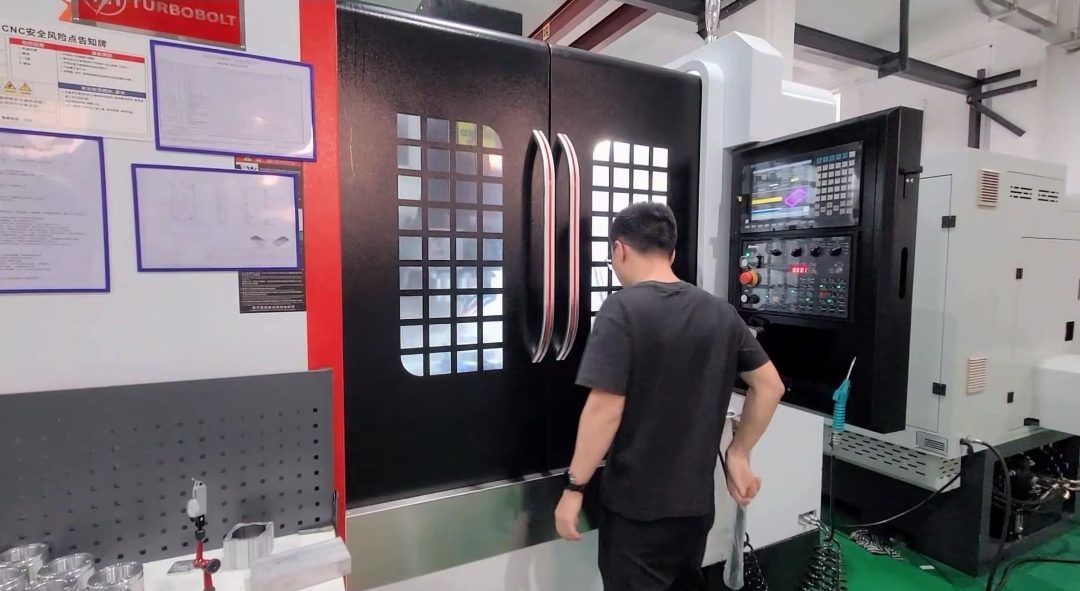
Incorporating tolerances into the design is pivotal, as CNC machines operate with exacting precision. Tolerance settings dictate how much deviation is permissible, impacting both the performance and interchangeability of components. Allowances may also be used to compensate for material removal or potential distortion during the machining process.
Balancing complexity with manufacturability is another critical consideration. While intricate designs might provide functionality and aesthetic appeal, they can also increase machining time, cost, and risk of error. Designers must judiciously select which features are necessary and which can be simplified without compromising on part performance or mold longevity. The challenge lies in crafting designs that optimize both form and function while adhering to DFM best practices.
Key Design Considerations
| Feature | Importance | Design Tip | Trade-off |
|---|---|---|---|
| Tolerances | Ensures precise fit and function | Define based on material and geometry | Tight tolerances increase machining time and cost |
| Complexity | Impacts machinability and cost | Simplify where possible without compromising functionality | High complexity can lead to increased error rates |
| CAD Detail | Essential for accurate machining commands | Use high-resolution models | More detailed models require advanced software capabilities |
| Allowances | Accounts for material removal | Incorporate in design phase | Incorrect allowances can lead to part distortion |
| Surface Finish | Affects component’s performance and longevity | Plan for finishing processes during design | High-quality finishes may add additional manufacturing steps |
By thoroughly integrating these design considerations, the transition from design to a fully machined component becomes seamless and efficient, aligning with both production goals and quality standards.
3. The Machining Process: Step-by-Step
CNC machining for injection mold components is a precise, multi-stage process integral to achieving the specific requirements outlined in the design phase.
It begins with programming – an essential first step in executing the machining process. Here, operators use CAD and CAM software to translate the component design into machine language, generating a detailed set of instructions. Programming not only dictates the machine’s movements but also factors in tool paths, cutting speeds, and feed rates, which must be accurately set to avoid tool wear and ensure surface integrity. Simulation plays a crucial role by allowing operators to test these parameters digitally, detecting potential issues and optimizing operations before actual production begins.
Once programming is approved, the machining phase commences. This phase often incorporates several machining operations, including milling, drilling, and sometimes turning. Milling is widely used, involving rotary cutters that remove material to create complex geometries. The cutter’s movement along multiple axes allows for the machining of features such as slots and pockets with high precision. Meanwhile, drilling is employed for creating holes, often requiring tight tolerances that are critical for mold assembly and functionality.
To ensure precision and accuracy in machining, operators must carefully select cutting tools and maintain optimal cutting conditions to minimize tolerance deviations and enhance component quality. Operators also rely on real-time machine feedback to make necessary adjustments on-the-fly, ensuring that component dimensions match the design specifications and prevent common pitfalls like thermal expansion errors. The integration of these strategies helps in achieving the necessary precision for parts destined for high-pressure situations, such as those found in automotive or medical applications.
Throughout the machining cycle, adherence to design specifications remains essential. This is achieved by ensuring each operation, from milling to drilling, is executed with precision. To understand more about these procedures and their implementation in Dongguan’s facilities, consider reading about The Role of CNC Machining in Injection Mold Fabrication in Dongguan. The result is a meticulously crafted component, ready to be integrated into the mold, driving both performance and reliability across industries.
4. Finishing and Surface Treatment
The finishing and surface treatment of mold components play a critical role in mold performance and longevity.
These processes ensure that the mold not only meets dimensional specifications but also performs reliably under repeated use. Finishing typically involves processes such as polishing and grinding that remove any irregularities from the mold surfaces. Polishing, for instance, can achieve a mirror-like surface crucial for applications where aesthetic appearance of the finished part is paramount. A typical polishing sequence might start with a rough grit and advance to finer grits, culminating in a high-gloss finish essential for minimizing surface friction during part release.
Coatings represent another facet of surface treatment. Techniques such as hard chrome plating or PVD (Physical Vapor Deposition) coatings are applied to mold components to enhance hardness and wear resistance. These coatings form a thin, protective layer that substantially extends the life of the tooling by combating wear from high-friction contact with the injected material.
Surface finish affects mold performance beyond just aesthetics. A well-finished mold surface improves the ease with which molded parts are released, directly impacting cycle times and reducing the risk of damaging the parts during ejection. Additionally, fine surface finishes help reduce wear on mold components, decreasing the maintenance frequency over the mold’s lifespan.
Proper finishing also addresses micro-level imperfections that can cause high stress concentrations, which may lead to premature failure. By eliminating these imperfections, surface treatments optimize stress distribution across the mold’s surface, enhancing its overall structural integrity.
In summary, finishing and surface treatment are crucial for delivering molds that operate efficiently and maintain their structural integrity over time. Whether it is through polishing, coating, or both, the choice of methods must align with the intended application, ensuring that the mold meets specific performance criteria under its operational conditions.
5. Common Issues and Quality Control
When machining injection mold components, defects can quickly derail a project.
One common issue is tool marks, which occur when the tooling path is not optimized. These can affect the surface finish and dimensional accuracy, potentially necessitating additional finishing work. Inadequate surface coatings or overheating during machining can lead to material warping, compromising the tool’s ability to produce dimensionally stable parts.
Another frequent problem is drilling burrs that arise during high-speed operations, particularly in intricate mold designs. These burrs can compromise the sealing of the mold, resulting in plastic leakage during the injection molding process. Addressing this involves adequate tool selection and feed rates, along with incorporating deburring operations after machining.
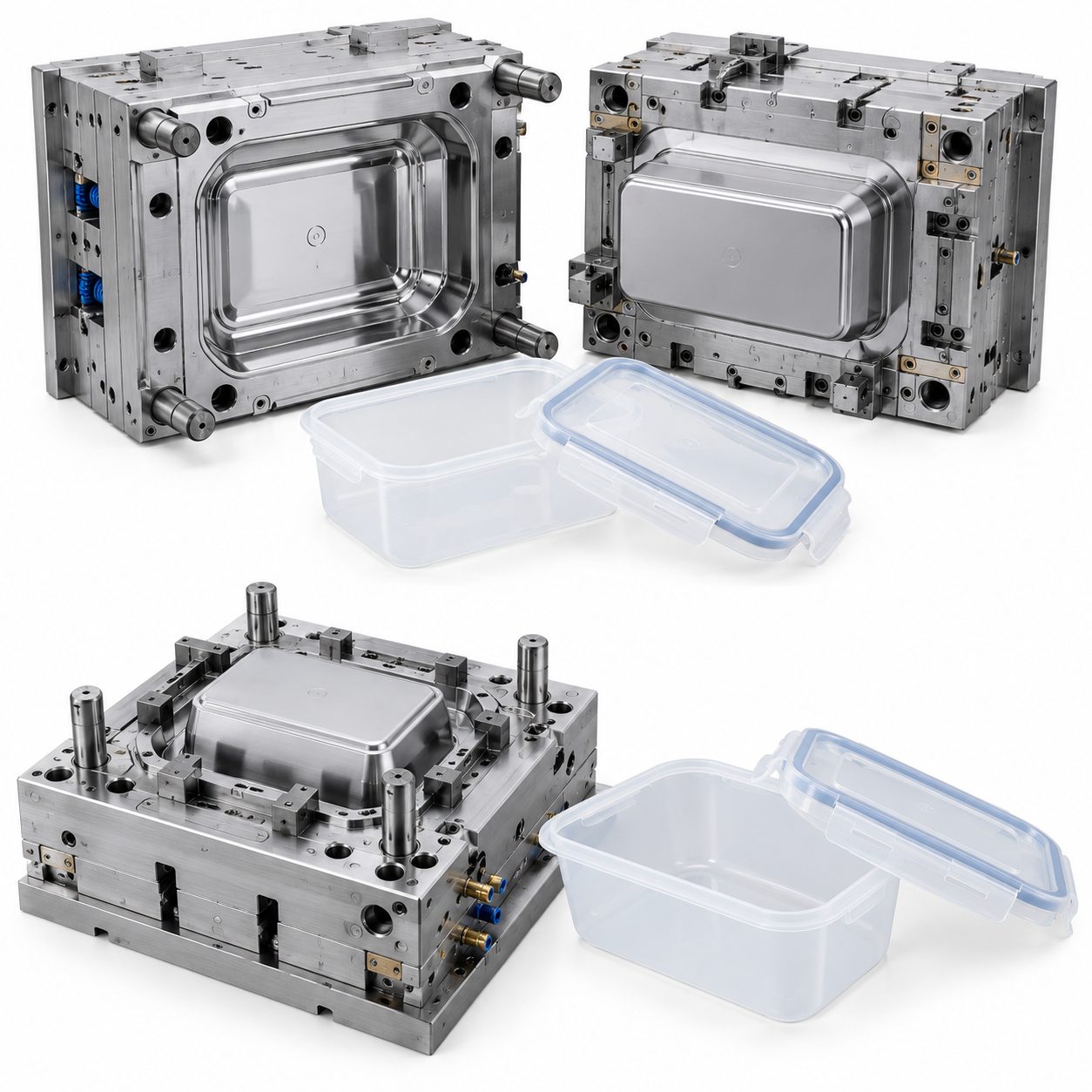
Dimensional inaccuracies may stem from improper machine calibration or tool wear. Slight deviations in dimensions can impede mold assembly, causing variability in the production of molded parts. Utilizing precision measuring instruments like coordinate measuring machines (CMM) is critical to ensuring dimensional accuracy.
Advising on quality control can be essential in mitigating these machining errors. It’s beneficial for buyers to ensure advanced CNC programming techniques with simulation capabilities are used to preemptively address potential defects. Regular equipment maintenance and calibration also play vital roles in preventing issues caused by tool wear or misalignment.
Ensuring rigorous inspection is vital for maintaining standards. Each machined component should undergo thorough inspection against design specifications, using dimensional checks and surface quality assessments to ensure compliance with customer drawings.
Defect Prevention and Inspection Standards
| Common Defect | Cause | Prevention | Inspection Method |
|---|---|---|---|
| Tool marks | Suboptimal tooling path | Optimize tool path; proper speed | Visual and CMM inspection |
| Warping | Overheating during machining | Coolant application; thermal control | Dimensional checks and thermal imaging |
| Drilling burrs | High-speed operations | Adequate tool and feed rates | Deburring and visual checks |
| Dimensional inaccuracies | Machine miscalibration | Regular calibration | CMM and micrometer checks |
| Surface roughness | Tool wear | Tool wear monitoring | Surface profilometry |
By adopting these strategies, manufacturers can enhance the precision and reliability of CNC machined mold components. As a result, the functionality of the molds is preserved, meeting stringent quality demands presented by industries such as automotive and electronics.
Making the Right Choice for Your Project
Securing the ideal CNC machining partner is essential for precision in crafting your injection mold components.
Evaluate factors like ISO 9001:2015 certification to ensure compliance with quality management standards. Reviewing prior projects provides a glimpse into their performance consistency. Furthermore, fostering enduring partnerships can improve communication and result in consistent outcomes. These considerations significantly impact the quality and delivery timelines of your production cycle. Thoroughly analyze these aspects to confirm that your provider meets the unique requirements of your project.
Frequently asked questions
What materials are typically used in CNC machining for molds?
Common materials used in CNC machining for molds include P20, H13, and NAK80 steel. These materials are famed for their strength, toughness, and suitability for precision machining. Material selection influences the durability and performance of the final mold components used in various industries.
How do finishing processes affect CNC machined components?
Finishing processes, such as polishing or coating, enhance the surface quality and durability of CNC machined components. They reduce wear and facilitate part release during molding. Proper finishing ensures the molds meet functional and aesthetic standards, thereby improving the outcome of production cycles.
Request a project review
Send the 3D model, 2D drawing, material requirements, annual volume and critical dimensions. The team will identify open technical questions before tooling is quoted.