Buyers often believe that CNC machining is merely a single-step process in the injection mold fabrication. In fact, CNC machining is a central pillar in mold fabrication, contributing to precision engineering and complex component creation. Through precise milling, drilling, and turning operations, CNC machinery in Dongguan can meet extremely tight tolerances crucial for high-quality molds. This precision ensures that companies like Yiot Technology Co., Ltd. can produce reliable molds for industries ranging from automotive to electronics. Understanding the full extent of CNC machining’s role can significantly influence the decision-making of sourcing managers and engineers alike.
Key takeaways
- CNC machining is often perceived as a singular, straightforward process in the realm of injection mold fabrication, a belief rooted in the historical evolution of machining techniques.
- CNC machining is integral to achieving the precision and tight tolerances required in injection mold fabrication.
- A common belief is that CNC machining dramatically boosts production speed in mold fabrication.
- CNC machining is often misunderstood as suitable only for crafting simple components of injection molds.
- Ensuring the quality of CNC-machined molds involves a meticulous inspection process, focusing on dimensions, surface finish, and material properties.
The Origin of Beliefs About CNC Machining
CNC machining is often perceived as a singular, straightforward process in the realm of injection mold fabrication, a belief rooted in the historical evolution of machining techniques.
Historically, machining was viewed through the lens of classical mechanical methods where manual lathes and milling machines took center stage. As technology advanced, these manual processes gave way to more sophisticated computer-controlled alternatives, yet perceptions lagged behind this shift.
Despite the substantial technological advancements, many procurement and design engineers still view CNC machining as a one-dimensional operation. This is largely due to oversimplified explanations that focus only on the step-by-step process, rather than the complex interplay of skills and software involved. Consequently, a misconception persists that CNC machining is simply about cutting or drilling parts directly from CAD files.
In reality, CNC machining in injection mold fabrication is an intricate orchestration of programming, tooling, and precision control. The belief that it stands apart from other processes ignores the essential integration of CNC with EDM, surface grinding, and inspection techniques in achieving the necessary high precision and repeatability.
As CNC technology has progressed, the industry has established standards focusing on precision and tolerances that are significantly more stringent than the casual observer might assume. The discrepancy between public perception and industry reality often creates gaps in buyer understanding, leading to mismatches in expectation and capability.
Aligning buyer understanding with actual industry processes is crucial. As CNC machining involves various operations, from milling and turning to multi-axis cutting, and requires complementary support from other finishing and quality-check mechanisms, it is essential for buyers to appreciate these nuances. Recognizing the full scope of CNC machining not only enhances appreciation for its complexity but also assures better decision-making in mold fabrication projects.
More Than Just a Process: CNC’s Comprehensive Role
CNC machining is integral to achieving the precision and tight tolerances required in injection mold fabrication.
Through the use of highly accurate CNC milling, drilling, and turning, achieving precise dimensional tolerances is critical when crafting components of an injection mold, ensuring each piece fits seamlessly within the mold assembly.
Milling is particularly vital in shaping the core and cavity components, which dictate the final plastic part’s geometry. CNC drilling provides perfectly aligned holes essential for mold assembly and cooling channels, facilitating efficient heat dissipation during the molding process. Turning is used mainly for creating round and cylindrical features, contributing to the mold’s overall precision by ensuring symmetrical parts.
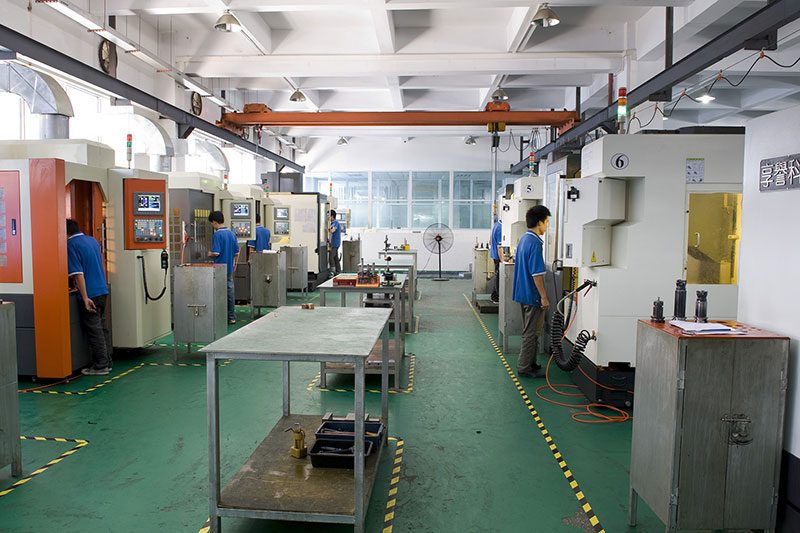
Moreover, CNC machines excel at handling complex geometries that traditional machining methods might struggle with. Advanced software and multi-axis capabilities allow for highly intricate designs, thus accommodating a wide array of custom mold requirements and enabling the production of detailed features without compromising on precision.
Integration with other processes, such as EDM (Electric Discharge Machining), enhances CNC machining’s contribution to mold quality significantly. For instance, EDM Milling for Injection Mold Components Manufacturer Dongguan complements CNC machining by facilitating the creation of complex shapes and fine details that CNC might find challenging. This blend of techniques ensures that even the most demanding mold designs meet exact specifications.
Routine checks with coordinate measuring machines (CMM) verify that each component meets the design specifications, catching any deviations that could affect the final mold’s performance.
Ultimately, CNC machining’s multifaceted capabilities—ranging from high-precision operations to seamless integration with complementary technologies like EDM—make it an indispensable part of modern injection mold fabrication.
Belief vs. Reality: Efficiency and Accuracy in CNC Machining
A common belief is that CNC machining dramatically boosts production speed in mold fabrication.
While it’s true that CNC can accelerate the process, what often gets overlooked is its profound impact on improving accuracy and repeatability. CNC machines are programmed to follow precise specifications, leading to consistent production from the first unit to the last. Their precision capabilities allow for exact replication of detailed designs, an area where traditional machining typically falls short.
While CNC machines are programmed for high precision, buyers should specify the required tolerance on their designs to ensure the desired level of accuracy. This helps in maintaining quality and reducing the likelihood of defects, further enhancing production efficiency. Additionally, by minimizing human intervention, CNC machining decreases variation and the potential for error, ensuring that each mold component fits perfectly with others.
To optimize material usage, buyers should ask their suppliers about the strategies employed for reducing material waste in CNC machining. This inquiry can guide the selection of efficient cutting paths and minimize scrap compared to traditional methods. The enhanced accuracy and careful planning mean CNC machining isn’t just about saving time—it optimizes resources too.
Comparing CNC Machining: Speed vs. Accuracy
| Aspect | CNC Machining | Traditional Machining | Benefit |
|---|---|---|---|
| Production Speed | Faster due to automation | Typically slower, manual involvement required | Reduced lead times |
| Accuracy Level | Programmable precision depending on design | Lower precision | Consistent quality, less rework required |
| Repeatability | Highly repeatable, programmatic control | Varies, higher likelihood of human error | Uniform output across batches |
| Material Waste | Ask supplier about waste reduction strategies | More waste, less precise cutting | Cost savings and sustainable resource utilization |
CNC machining’s integration into mold fabrication is not just about speed; it is about achieving greater accuracy and consistency. This not only boosts production efficiency, but also ensures higher-quality outputs with consistent properties and dimensions, essential for demanding industries.
The Misconception of Limited Application
CNC machining is often misunderstood as suitable only for crafting simple components of injection molds.
This limited view comes from early perceptions of CNC technology’s capabilities. While initial versions of CNC machines focused on straightforward geometries, advancements have revolutionized their role in manufacturing. Modern CNC machining is now integral in producing complex, intricate designs that were once deemed challenging or impossible with previous technologies.
In reality, CNC machining offers unparalleled flexibility in material choice, accommodating everything from aluminum and steel to engineered plastics. This is crucial for industries like automotive and electronics, where material properties can significantly impact the final product’s performance. By allowing for precision cutting and shaping of a diverse range of materials, CNC machining plays a key role in helping meet performance needs and specifications. This flexibility is a vital advantage in today’s market, where custom solutions and innovative designs are often demanded.
CNC technology also excels in creating versatile mold types. Whether for prototypes or high-volume production runs, CNC machining can handle them accurately and efficiently. Its capability to consistently produce intricate geometries and detailed surface finishes makes it indispensable for molds requiring high precision and repeatability. This includes complex undercuts, varying wall thicknesses, or fine features that necessitate exact tolerances.
Examples abound where CNC machining has been leveraged to tackle unique mold projects. Multi-cavity molds with precise features and contours, like those used in producing automotive console parts, demonstrate CNC machining’s versatility. Similarly, CNC’s ability to maintain tight tolerances is crucial in creating molds for electronic housings, where minute deviations can lead to assembly issues or functional interference.
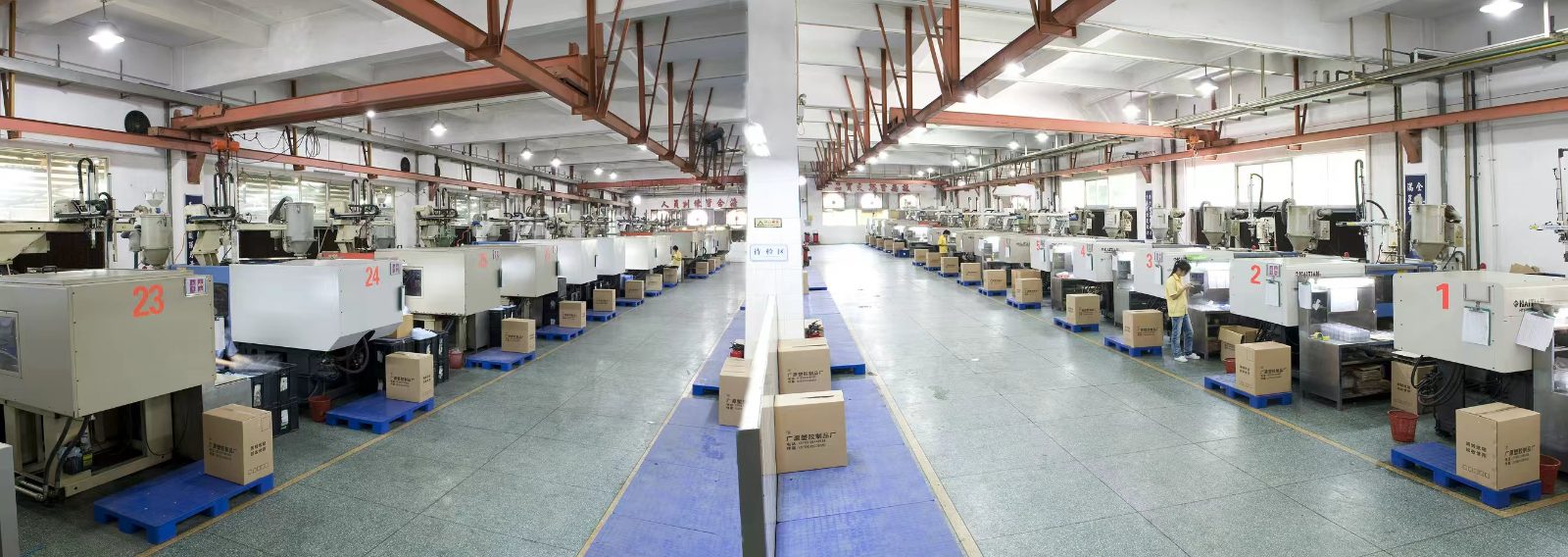
CNC machining’s expansive role in injection mold fabrication underscores its necessity beyond simplistic applications. As industry demands continue to shift towards more complex and customizable products, CNC machining remains a cornerstone technology driving innovation and quality in mold fabrication.
Verifying the Quality of CNC-Made Molds
Ensuring the quality of CNC-machined molds involves a meticulous inspection process, focusing on dimensions, surface finish, and material properties.
First, verify the critical dimensions and tolerances. Check whether the dimensions conform to the specified CAD model or drawings, ensuring critical dimensions such as cavity depth and wall thickness meet the design criteria. Tolerances are vital; for plastic injection molds, typical tolerances might include ±0.005 inches for critical dimensions, but checking with the specific design requirements is essential.
Surface finish is another critical factor; general practices ensure it impacts the mold’s release properties and the cosmetic finish of the molded part. A smooth finish, often measured by appropriate surface roughness metrics, ensures that parts eject properly without sticking. Ideally, surface finish should meet specifications outlined in the project documentation.
Inspect for defects or irregularities that can impair mold function or longevity. Common defects include tool marks, burrs, or misalignments. These can manifest as raised edges or uneven surfaces, leading to defects in the mold itself or the parts it produces. Checking for these imperfections during the final inspection phase is crucial to maintaining production quality.
Furthermore, material checks and documentation review cannot be overlooked. Ensure the CNC-machined mold is manufactured from the specified material, confirming both the type and grade. Material test reports should be reviewed to verify via material test reports against customer specifications or industry standards. These steps are indispensable in scenarios involving complex part demands, such as those often found in the Custom Injection Molds for Plastic Automotive Console Parts, where precision is non-negotiable.
Incorporating these critical verification steps ensures the molds produced by CNC machining meet the high standards necessary for reliable and efficient production. This rigorous inspection process is pivotal to avoid defects and uphold the quality expectations inherent in mold fabrication.
Wrapping Up: The Real Impact of CNC Machining on Mold Fabrication
CNC machining is indispensable in injection mold fabrication, offering comprehensive precision beyond basic shaping processes.
Misconceptions often simplify CNC’s influence, but its precise role encompasses both detailed geometries and tight tolerances, contributing significantly to mold quality. Accurate sourcing is crucial to align buyer expectations with manufacturing capabilities, ensuring quality outcomes and clarifying the true breadth of CNC’s impact. Consequently, understanding this process fully is needed to harness the potential it offers in mold fabrication.
Frequently asked questions
What is the key advantage of CNC machining in mold fabrication?
CNC machining in mold fabrication is renowned for its precision. This technology allows for the creation of complex components with tight tolerances and high repeatability, which are essential in producing molds that meet industry standards.
How does CNC machining contribute to material efficiency?
To enhance material efficiency, buyers should inquire about the precision capacity and waste minimization processes available with CNC machining. Focusing on these areas can potentially lead to cost savings and sustainability benefits.
What industries benefit the most from CNC-machined molds?
Industries such as automotive, electronics, and household appliance manufacturing benefit significantly from CNC-machined molds. These sectors require precise and reliable mold components to ensure product quality and performance in their applications.
Request a project review
Send the 3D model, 2D drawing, material requirements, annual volume and critical dimensions. The team will identify open technical questions before tooling is quoted.