A buyer from the electronics sector recently faced a major challenge: their current supplier couldn’t meet the high-precision demands for custom plastic housings, leading to delays and compromised fit. The pressure was on to find a solution that ensured high-volume delivery without sacrificing quality. The stakes couldn’t be higher, as the company’s reputation and delivery commitments were at risk. By engaging with Yiot Technology Co., Ltd., they tapped into expertise in custom injection molds for plastic housings and other components, ensuring a perfect fit and high precision across large volumes—demonstrating the importance of choosing the right partner for injection molding projects.
Key takeaways
- A prominent electronics manufacturer found itself in a precarious situation.
- Missed deadlines can have a domino effect on client relationships, straining trust and leading to potential contractual liabilities.
- The journey to creating efficient, high-precision custom injection molds is a meticulous one.
- The decision to switch to Yiot Technology Co., Ltd. emphasized the importance of precision in custom plastic components.
- Clear communication of requirements is a critical component in any injection mold project.
Initial Situation Faced by the Buyer
A prominent electronics manufacturer found itself in a precarious situation.
Tasked with delivering custom plastic housings for a new line of consumer electronics, the buyer faced significant challenges as their existing supplier consistently failed to meet the precision demands critical for their sophisticated product design. Vibrations and connectivity issues in the housing components were causing unacceptable variances that could not be overlooked.
Precision is key in electronic housings, especially when dealing with complex internal geometries and tight spaces. The smallest deviation could lead to assembly issues, compromised device performance, or, worst of all, a total product recall. Unfortunately, the current supplier’s manufacturing process lacked the capability to consistently hold the necessary tolerances, resulting in a staggering defect rate that seriously threatened the project timeline and budget.
Compounding this issue, delivery delays from the existing supplier were further escalating the project risk. In the fast-paced electronics market, where time-to-market can define the failure or success of a product, such delays were highly detrimental. The manufacturer’s reputation was at stake, and the pressure was mounting to meet customer deadlines and market demand.
Moreover, the buyer’s needs extended beyond just precision manufacturing—volume played a crucial role in their supply chain strategy. With production targets set at tens of thousands per month, the inability of their supplier to fulfill these high-volume requirements without compromising quality posed a considerable hurdle. The stakes were high, with significant financial implications for missing contractual obligations and potentially losing lucrative client contracts.
In this challenging context, the electronics manufacturer needed a dependable partner who could bridge these capability gaps and align with their sophisticated production standards. The focus was on finding a reliable supplier with the proven ability to deliver precision-engineered, custom plastic housings with the speed and scale required to meet their high-volume commitments.
This moment signaled a pivotal point in the project’s trajectory, pushing the buyer to seek out an alternative supplier capable of not only meeting but exceeding their stringent criteria for quality, precision, and delivery. It was clear that the path forward would require a partner equipped with advanced manufacturing capabilities and a commitment to consistent, high-quality output.
Consequences of Supplier Limitations
Missed deadlines can have a domino effect on client relationships, straining trust and leading to potential contractual liabilities.
In the world of high-volume plastic component manufacturing, deadlines are often synchronized with product launches and marketing campaigns. When a supplier fails to deliver molds on time, it interrupts the production schedule, delaying product rollouts. This was precisely the scenario faced by a client who relied heavily on a supplier unable to adhere to agreed timelines. The delayed production forced the client to adjust their rollout strategy, ultimately affecting sales targets and market share.
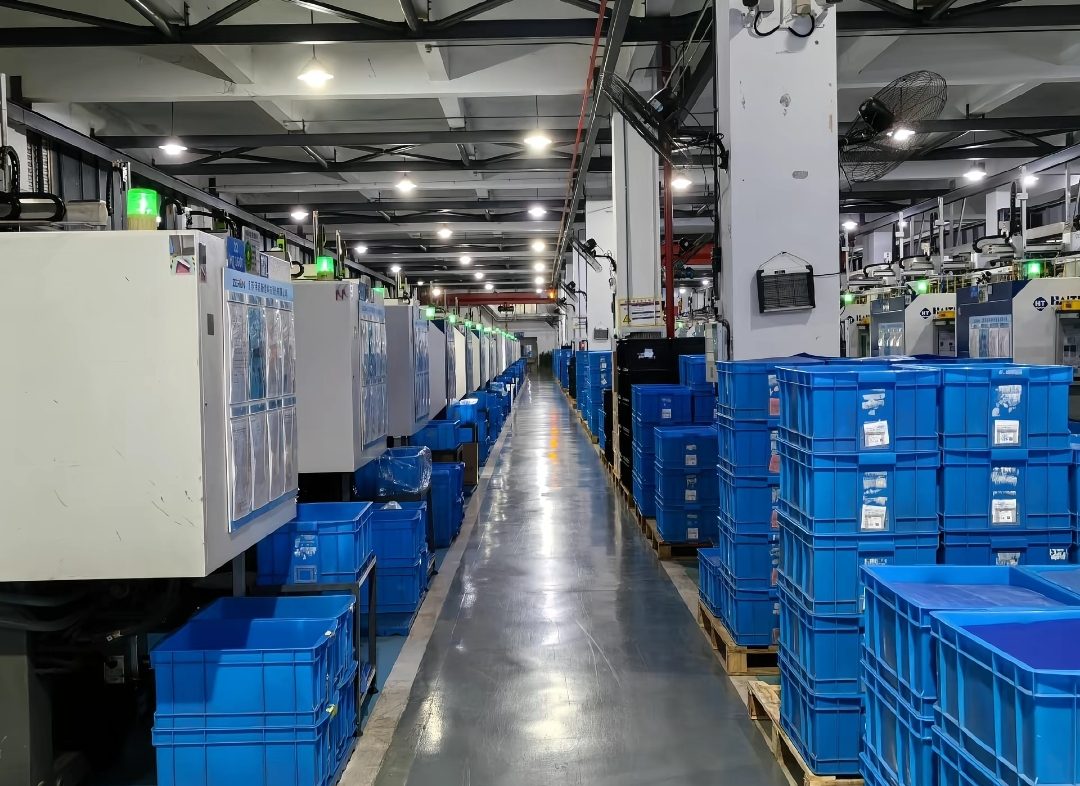
Inconsistent product quality is another downfall when suppliers lack robust quality control systems. The injection mold industry demands precision, and any deviation can lead to mismatches in dimensions, poor fit, or even functional failures in the end products. In a previous case, a client experienced tarnished reputation due to a series of quality issues stemming from subpar molds. These defects led to increased returns and replacements, eroding the client’s trust among their customer base.
Higher costs from dealing with supply chain issues can also be devastating. Hidden expenses often emerge from needing to source alternative molds or expedite delivery, which significantly increases project budgets. One specific instance involved a client who had to rapidly find a secondary supplier to meet seasonal demands as their primary supplier encountered unforeseen production halts. The cost of urgent logistics and production rises negatively impacted profit margins, highlighting the critical need to choose reliable partners.
Lastly, searching for alternatives under pressure compounds operational stress. The search for a new supplier is not merely a logistical task; it involves vetting potential partners, ensuring quality standards, and integrating new supply chain practices, which can take time out of already tight schedules. A client who faced this predicament found that the internal pressure for swift solutions often resulted in compromised decisions, such as selecting the first available alternative rather than the most qualified. This reactive behavior placed significant added stress on the sourcing and quality control teams, detracting from their core focus—adding further layers of complexity to the project management equation.
Step-by-Step Process in Mold Crafting
The journey to creating efficient, high-precision custom injection molds is a meticulous one.
When engaging with Yiot Technology Co., Ltd., buyers are offered a comprehensive Design for Manufacturability (DFM) analysis. This step is critical to optimizing designs for manufacturability, ensuring that the plastic parts’ geometry aligns with production capabilities and the intended application. DFM analysis reduces potential design flaws, ultimately enhancing the overall efficiency and cost-effectiveness of the downstream production. Without a precise plan, even the best materials can fall short, underlining the importance of engaging experts early in the process.
Once the design phase is validated, YIOT employs advanced CNC machining techniques to create precise mold components. CNC machining is pivotal in achieving the high tolerances required for intricate molds. It provides the accuracy needed for a wide range of industries, from automotive to electronic devices, where exact specifications are non-negotiable. The precision of CNC machining ensures that each mold component meets rigorous standards, contributing seamlessly to the assembly process.
Injection mold assembly at YIOT is where precision pieces come together to form a cohesive unit. This stage requires precision and skill to ensure that every component fits perfectly. The emphasis on an impeccable fit means the mold will perform reliably in high-stress production environments, minimizing the risk of defects or operational interruptions. Our assembly protocols are critical to achieving the durable, long-lasting molds necessary for consistent production cycles.
EDM and milling are employed to manage the intricate details of mold components that CNC machining alone might not capture. Electrical Discharge Machining (EDM) allows for cutting complex shapes and features into the mold, which is essential for components with detailed geometries. Milling complements this by providing the finishing touches, ensuring that every mold component meets the high standards expected from precision manufacturing.
Injection Mold Crafting Steps
| Design Phase | Machining | Assembly | Testing | Production |
|---|---|---|---|---|
| DFM analysis | CNC for high tolerance | Perfect fit | In-house inspections | Finalized mold utilization |
| Geometry optimization | EDM for details | Component checks | Simulated production runs | High-volume capability |
| Material selection review | Rapid prototyping | Alignment tests | Functionality and durability assessments | Consistent quality output |
| CAD to CAM transition | Complex geometry | Seamless integration | Operator quality assurance | Long-term reliability |
For more on high-precision molds, read Custom Injection Molds for Plastic Electronic Device Enclosures with High Precision.
Result of Switching to Yiot Technology Co., Ltd.
The decision to switch to Yiot Technology Co., Ltd. emphasized the importance of precision in custom plastic components.
The company offers CNC machining and DFM analysis, which are crucial for achieving desired precision levels in electronic housings. Buyers should specify their exact requirements and ask potential suppliers about their CNC and DFM capabilities to ensure the alignment of components.
Furthermore, YIOT’s comprehensive approach to mold crafting supported the client’s high-volume demands, showing no lapse in production timelines. The project integrated efficient processes, and clients are encouraged to inquire about scheduling support practices to ensure delivery aligns with their needs. This reliability fosters confidence, allowing clients to focus on scaling their business without the fear of delayed shipments.
In terms of cost efficiency, Yiot Technology Co., Ltd. employed strategic methods to streamline the mold-making process. By optimizing material use and minimizing waste through precise engineering—and eliminating costly rework cycles—the overall project budget stayed tightly controlled. Consequently, the client observed a noticeable improvement in cost predictability, a benefit previously unattainable with their last supplier.
Moreover, the client’s market position saw significant enhancement due to the partnership with YIOT. With reliable delivery schedules, they bolstered their reputation for consistent quality in product availability. This stability not only reduced the stress of supply chain interruptions but also positioned the client as a dependable player in the highly competitive electronics industry. Reliable delivery and consistent product quality gave them leverage when negotiating new contracts and entering new markets.
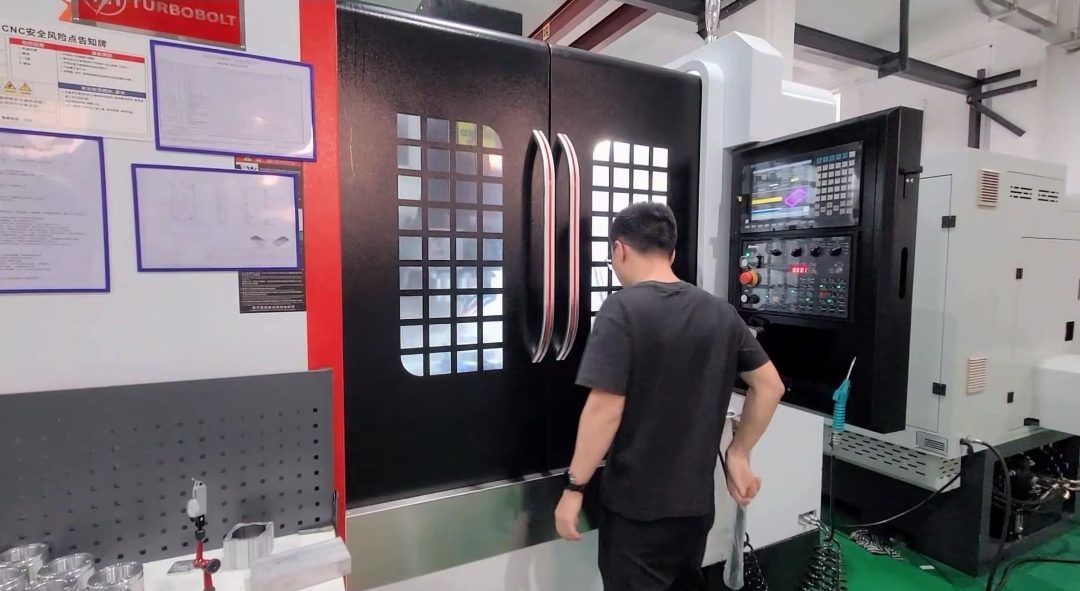
In summary, switching to Yiot Technology Co., Ltd. enabled this client to achieve heightened precision, meet production targets, and realize tangible cost savings—all while strengthening their market stance through dependable supply. It’s a testament to the power of aligning with a supplier that maintains ISO 9001:2015 certification and mirrors the strategic and operational rigor demanded by high-volume manufacturing.
Lessons Learned for Similar Projects
Clear communication of requirements is a critical component in any injection mold project.
From the onset, it’s imperative that the buyer articulates specific needs, tolerances, and material specifications. This clarity ensures the supplier fully understands the demands and can deliver an accurate modeling and production plan. For high-volume projects, ambiguity can lead to production errors and costly delays.
Evaluating supplier capabilities in detail is equally important. Not all suppliers are equipped to handle the precision and scale of high-volume plastic component production. Before finalizing a supplier, scrutinize their technical expertise, equipment, and past project successes. Check for any specialized technology that may be required, such as CNC machining or advanced EDM techniques. A comprehensive inspection of these capabilities can prevent unforeseen issues down the road.
Detailed planning and precision in mold design cannot be overstated. At Yiot Technology Co., Ltd., we prioritize meticulous planning, examining every detail from DFM analysis to mold assembly. The use of precision-driven approaches like CNC machining aids in crafting molds that fit specifications perfectly, mitigating risks associated with dimensional inconsistencies that often plague high-volume runs.
Partnering with suppliers certified to ISO 9001:2015 ensures that a robust quality management system is in place. This standard confirms that the supplier has established a quality management framework. Ensuring your partner upholds these standards is crucial for maintaining consistency and reliability across all production cycles. Certification often indicates a commitment to continuous improvement, providing clients with an added comfort that procedures are regularly reviewed and optimized.
For any organization preparing to embark on a similar project, preparing comprehensive RFQs is highly advisable. This process helps align expectations and provides the supplier with detailed insight into your needs, supporting the formulation of accurate quotes and feasible timelines. Engaging in such detailed preliminary work can significantly enhance project outcomes, reduce costs, and improve time-to-market performance.
Next Steps for Buyers Considering Custom Molds
Evaluating potential suppliers’ expertise and ISO 9001:2015 certification is crucial for ensuring quality and reliability.
Request detailed quotes and timelines to establish clear expectations and realistic schedules. Consider engaging in pilot projects to assess the suppliers’ capabilities firsthand. Additionally, preparing comprehensive RFQs (Requests for Quotation) with specific requirements, such as material specifications and tolerances, clarifies what you expect from the start. Specify in your RFQ that suppliers should provide feedback on samples, drawings, or specifications to ensure suitability.
Frequently asked questions
What factors impact the lead time for custom injection molds?
Lead time for custom injection molds depends on factors like design complexity, material selection, volume requirements, and current production schedule. Confirm timing with the supplier early in the process.
How do I ensure quality in high-volume plastic component production?
To ensure quality, select a supplier with proven expertise in injection molding, verify their certifications like ISO 9001:2015, and engage in design for manufacturability (DFM) reviews to iron out potential issues.
Request a project review
Send the 3D model, 2D drawing, material requirements, annual volume and critical dimensions. The team will identify open technical questions before tooling is quoted.