
One morning on the workshop floor, polishing—a step often overlooked—was found to directly impact the quality of plastic parts due to dimensional deviations. Many manufacturers underestimate this phase, yet careful consideration is critical in the performance and lifespan of injection molds. Understanding its intricacies could make a significant difference in your next project. Consider asking suppliers about their surface finish standards and what inspection processes they employ to ensure accuracy in finished parts.
Key takeaways
- The recurring issue of inconsistent surface finishes on a mold cavity is often underestimated in the industry, yet it critically affects precision.
- Preserving polishing standards.
- Understanding how polishing influences mold precision is crucial for making informed project decisions.
What We Examined in the Workshop
The recurring issue of inconsistent surface finishes on a mold cavity is often underestimated in the industry, yet it critically affects precision.
It’s advisable for buyers to specify surface finish requirements clearly on their drawings to mitigate this issue. Inconsistencies in mold cavities, especially for automotive components, can lead to ill-fitting parts, illustrating the importance of setting strict tolerances in specifications.
Dimensional accuracy concerns. In the industry, polishing discrepancies aren’t merely cosmetic. They impact dimensional accuracy, potentially leading to cascading errors in the final assembly of parts. This highlights how even the most robust mold base, essential in Precision in Mold Base Manufacturing for Prototyping, can be compromised by polishing errors.
Real-life implications. Observations within the industry demonstrate how inconsistent surface finishes can delay production and affect delivery schedules, reinforcing the crucial role surface finish plays in overall mold quality.
First impressions and quality impact. Polishing errors are widely recognized in the industry as factors that can degrade final product quality. Imperfections in polished surfaces can lead to flash in finished components, requiring additional post-molding operations. Thus, polishing is not merely a finishing touch but a critical determinant of a mold’s operative success.
For buyers, clarifying polishing requirements is vital as it contributes not just to aesthetic, but functional attributes of the product. The focus on these elements ensures that all specifications are met, highlighting the importance of detailed drawings and stringent checks.
Such industry reflections remind us of the nuances entailed in precision manufacturing—where even the brush of the finest cloth on a polished surface holds weight and consequence.
The Critical Detail: Polishing Impact on Mold Performance
Polishing’s Crucial Role. Polishing is far more than aesthetic—it directly influences the longevity and performance of a mold. A well-polished mold surface reduces friction during ejection, preventing premature wear and extending the mold’s lifespan. Beyond durability, a superior surface finish minimizes the need for further rework, thus lowering overall production costs. Poor polishing can lead to increased cycle times and frequent maintenance interruptions, disrupting production schedules and inflating expenses.
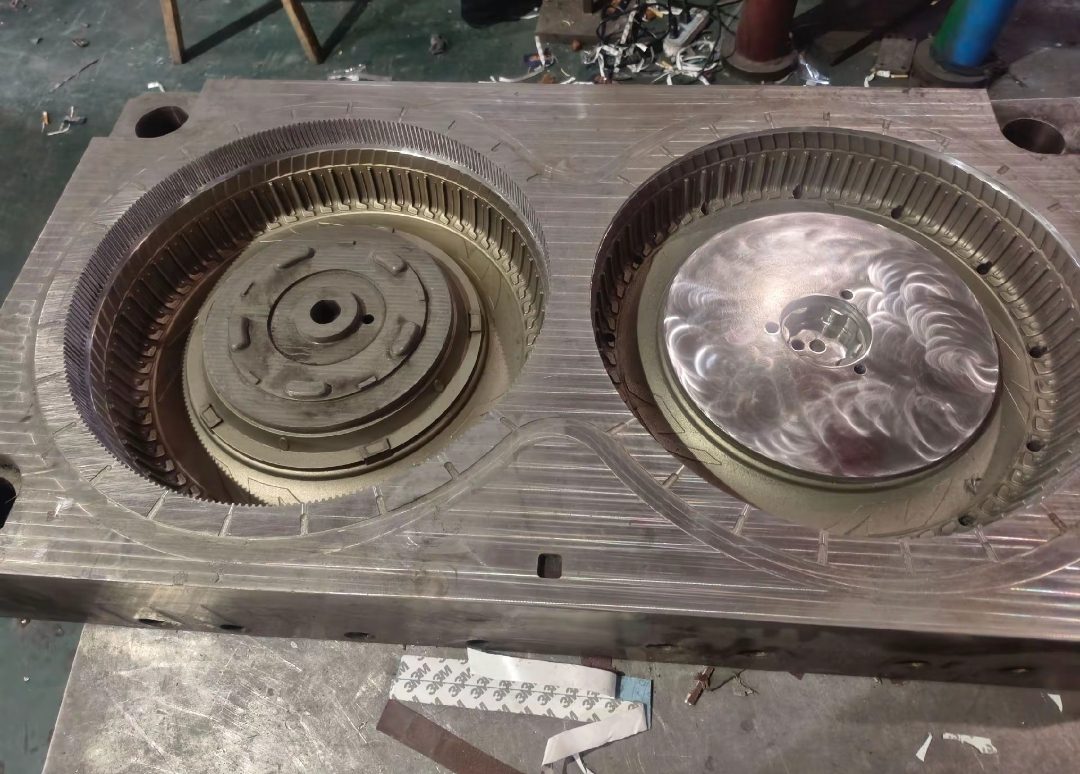
Art and Science of Polishing. Different techniques in polishing offer varied results, impacting both costs and performance benefits. Techniques such as diamond polishing deliver exceptionally smooth finishes, suitable for parts requiring optical clarity. However, this method demands significant operator skill and time investment, translating into higher costs but justifying its use in high-precision applications like lenses or optical fibers.
Operator Skill: The Deciding Factor. The operator’s skill level, not just the technique or tool used, often drives the final precision achieved. Mastery in controlling polish pressure and speed, along with selecting appropriate compounds and tools, is crucial. Experienced operators often use a combination of tactile feedback and visual cues to ensure uniformity across the mold surface. This nuanced skill not only enhances the surface finish but also reduces the likelihood of defects.
Process Optimization. Precision engineering standards guide polishing practices, but practical adjustments made by operators often bridge the gap between the blueprint and reality. These includes controlling environmental factors such as dust or vibration, which can significantly affect polishing outcomes.
Polishing Techniques and Their Results
| Technique | Surface Finish achieved | Cost impact | Typical Applications |
|---|---|---|---|
| Diamond Polishing | 0.02 µm Ra | High | Optical lenses, high-clarity moldings |
| Buffing | 0.05 – 0.1 µm Ra | Moderate | Appliance housings, consumer products |
| Stone Polishing | 0.2 – 0.5 µm Ra | Low | Automotive components, durable goods |
| Manual Sanding | 0.8 – 1.2 µm Ra | Variable | Prototyping, small batch runs |
| Chemical Polishing | 0.1 – 0.2 µm Ra | Moderate | Medical devices, sterile applications |
Understanding and implementing the right polishing technique not only ensures mold performance but also strategically aligns with cost objectives and application needs, making it an integral consideration for any project. The selection and execution of these techniques underscore the importance of trained operators and their invaluable role in achieving optimal mold performance.
Adjustments Implemented for Improved Outcomes
Steps taken this week. For buyers concerned with inconsistencies in surface finish, consider focusing on refining the supplier’s polishing processes. Introducing secondary polishing stages may ensure smoother finishes. Ask about their polishing compound selection and whether finer abrasives are used to reduce microscopic surface irregularities.
Upgrading tools and materials. When selecting a supplier, inquire if their tools incorporate advanced materials like diamond paste and felt wheels for achieving high-gloss finishes on complex geometries. Trials with micro-fiber pads can help minimize stress on intricate mold features.
Operator training initiatives. Consider suppliers who train operators in essential areas such as angle control and pressure management, as these affect the consistency of a polished finish. Such initiatives can ensure operators are proficient and confident in deploying new techniques and equipment.
Comprehensive feedback loop. Buyers might ask if the supplier’s process includes a feedback loop for monitoring post-polishing surface finish accuracy. Real-time data can guide further refinements based on collected insights, improving consistency and reducing rework rates.
For a deeper understanding of precision’s impact on mold performance, visit Understanding Precision in Custom Injection Molds for Air Purifier Parts. This integrated approach can ensure consistent quality benchmarks.
What We Chose to Maintain and Why
Preserving polishing standards. While modernizing processes can bring benefits, we decided to retain certain existing polishing standards due to their proven track record. Our experience shows that these practices consistently deliver the required part specifications without unnecessary adjustments. For molds that call for precision plastic components with intricate designs, our longstanding polishing standards have been more than adequate. By maintaining these tested methods, we limit production disruptions and control costs.
Cost versus precision. One of the persistent debates in polishing decisions is balancing the cost with the need for high precision. Significant overhauls in polishing processes could lead to escalated expenses without proportionate gains in precision. When calculated, the incremental improvements from new processes often do not justify the additional cost. Therefore, we selectively apply the highest polish where it’s critically needed—for components like visible surfaces of plastic housings for electronics—without shifting the entire approach.
Reflecting on historical data. Our decision to maintain existing polish methods is backed by extensive historical data on parts performance. Over the years, we’ve logged and analyzed data to understand the relationship between polish quality and part longevity. This retrospective insight assures us that our quality management practices align with ISO 9001:2015 standards. Consistency in application allows us to predict performance reliably.
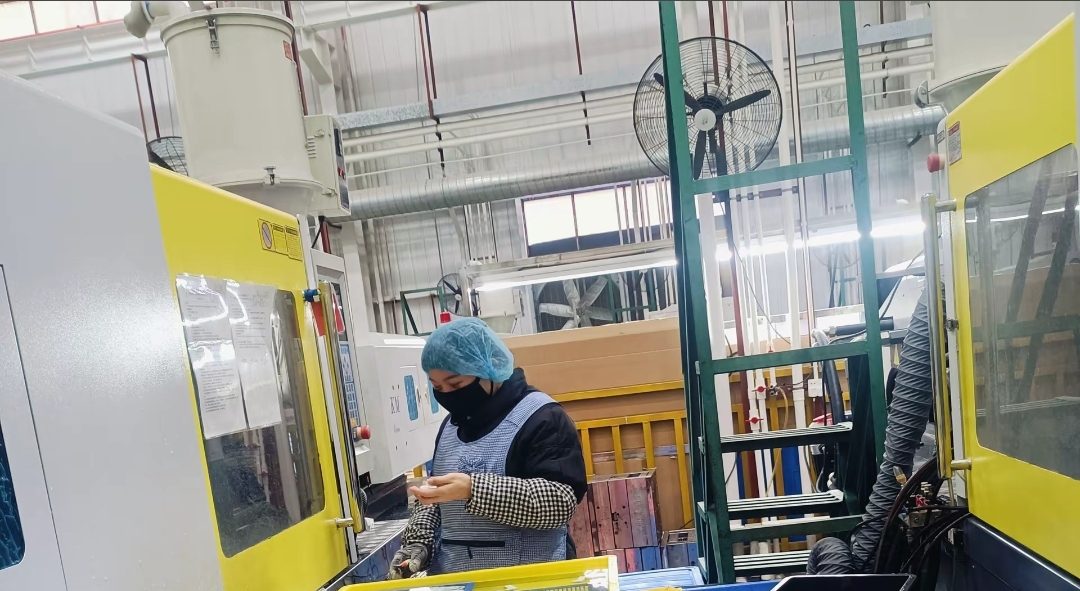
Deciding against process overhaul. After carefully considering the potential benefits against real-world data, we chose not to implement substantial process overhauls. Minor tweaks and targeted improvements have sufficed without overcomplicating the production line. The decision to refrain from extensive changes solidifies our focus on achieving precision through consistent application of tried-and-true methods, particularly when outcomes have been stable and satisfactory.
This approach not only ensures optimal use of resources but also aligns with our strategic goals of delivering reliable and precise plastic injection molds consistently. Our polishing standards remain a cornerstone of our quality assurance strategy, assuring buyers that precision is never sacrificed for the sake of change alone.
How This Affects Your Project Decisions
Understanding how polishing influences mold precision is crucial for making informed project decisions.
A meticulously polished mold can significantly enhance external quality assurance by ensuring consistent surface finishes and accurate dimensions. During inspections, look for variations in wall thickness, which often signal substandard polishing. Surface texture. Pay attention to the Ra values (roughness average), as this directly affects how plastic flows into the mold and impacts the final product’s clarity and gloss.
Essential supplier queries. When engaging a supplier, ask about their polishing protocols. Inquire whether they follow specific standards, such as ISO 9001:2015, which is about the quality management system rather than specific polishing procedures. You might also want to understand their operator training programs since skill level tremendously influences polish quality. Knowing the types of tools and materials used can offer a better understanding of potential output and variability.
Balancing cost and precision. While the temptation might be to cut costs by reducing polishing frequency or thoroughness, remember that poor polishing can lead to notable rework expenses and compromised mold lifespans. Optimal material choices for polishing could reduce long-term costs significantly, avoiding rework. This balance is a dance of minimizing costs without sacrificing precision. A supplier proficient in CNC machining, detailed here, can help pinpoint where precision gains justify costs.
Integrating insights. To effectively integrate these insights into your process, establish comprehensive quality assurance checks focused on surface finish analysis. Employ metrology tools to verify consistency in polish. Develop a contingency plan that allows for rapid adjustments in polishing sequences if deviations are detected. Creating a supplier scorecard based on these criteria will support continuous improvement and enhanced communication.
The key takeaway is refining your mold design specs to account for highly precise polishing stages. By integrating these considerations, you can reduce risks, ensure superior product quality, and achieve better alignment with market demands. Consequently, this shift will streamline production and spark significant gains in efficiency and quality assurance.
Frequently asked questions
How does polishing affect mold lifespan?
Polishing directly impacts mold lifespan by reducing surface stress, which decreases the likelihood of premature wear or failure. Well-polished molds generally result in fewer repairs and replacements, ultimately extending their useful life.
Why is consistent polishing crucial for dimensional accuracy?
Consistent polishing ensures a uniform surface, which reduces imperfections that could lead to uneven part dimensions. This consistency is key for manufacturers aiming to produce parts that meet tight tolerances.
What should you look for in a polished mold finish?
A high-quality polished mold should have a smooth, reflective surface free of scratches and blemishes. A high-quality polished mold generally improves part release and reduces defects, contributing to overall product quality.
Frequently asked questions
Why is polishing important in mold making?
Polishing is vital for ensuring a smooth surface finish on the final product and avoiding defects such as drag marks. It enhances mold longevity and contributes to precise dimension control, impacting both aesthetics and performance.
What are the common polishing techniques used in mold manufacturing?
Common techniques include manual grinding, mechanical polishing, and chemical polishing. Each method offers different levels of surface finish and cost implications, tailored to specific material and product requirements.
Request a project review
Send the 3D model, 2D drawing, material requirements, annual volume and critical dimensions. The team will identify open technical questions before tooling is quoted.