The decision to select a Chinese injection mold manufacturer is often driven by cost advantages and scalability. However, there are significant pitfalls to avoid that can affect the success of your project. To ensure high-quality results, it’s essential to focus on critical factors such as verifying the manufacturer’s ISO 9001:2015 certification, understanding their DFM analysis capability, and planning for effective communication throughout the project. Addressing these elements early can reduce risks and enhance your project’s chance for success, positioning you ahead in today’s competitive manufacturing landscape.
Key takeaways
- Choosing a Chinese injection mold manufacturer hinges significantly on evaluating cost savings and production scalability, two compelling motivations for many buyers.
- In the realm of custom plastic injection molding, ensuring quality is pivotal for minimizing manufacturing defects and maintaining product integrity.
- When selecting a custom plastic injection mold manufacturer, it’s crucial to consider costs that extend far beyond the initial price tag.
- Effective communication is an essential component of any successful project, particularly in the expansive realm of custom plastic injection mold manufacturing in China.
- Selecting the right custom plastic injection mold manufacturer in China involves balancing various factors to meet project requirements effectively.
Understanding the Decision
Choosing a Chinese injection mold manufacturer hinges significantly on evaluating cost savings and production scalability, two compelling motivations for many buyers.
With China recognized for its competitive pricing structures, embarking on this route can result in substantial cost reductions over domestic manufacturing—a key benefit when managing tight budgets. Moreover, the scalability potential offered by Chinese manufacturers supports large volume production, which is ideal for high demand markets. However, these benefits bring inherent risks that inform the decision.
Potential issues often arise in the realms of quality and communication, making a thorough evaluation essential. A lack of stringent quality control can lead to substandard molds, affecting the entire production line. Inspecting past production samples and conducting audits can mitigate this risk, helping ensure a manufacturer can consistently meet required standards. Additionally, communication issues stemming from language barriers or cultural misunderstandings can complicate project timelines and expectations. Thus, a manufacturer with a proven record of effective communication and understanding of technical specifications is invaluable.
Assessing qualifications and certifications prior to engagement is crucial. Certifications like ISO 9001:2015 show that a manufacturer adheres to recognized quality management practices. This standard, among others, provides a framework that ensures stability and reliability in production processes. A company that holds such certifications demonstrates a commitment to maintaining quality and efficiency, integral to the success of your project in the complex landscape of injection molding.
Ultimately, the intersection of cost, scalability, quality, and communication impacts the likelihood of your project’s success. A strategic choice requires balancing these elements, acknowledging that while cost-effectiveness is vital, it should not compromise quality and communication. Proper assessment of each factor ensures informed decisions, directly influencing project outcomes and the supplier relationship in the long term.
Quality Assurance: Why Verification Matters
In the realm of custom plastic injection molding, ensuring quality is pivotal for minimizing manufacturing defects and maintaining product integrity.
ISO 9001:2015 indicates a manufacturer has a quality management system in place. This certification acts as a reliable indicator that a company, such as YIOT, adheres to proven procedures and continuously improves their operational processes to maintain consistency in output.
Moreover, performing on-site audits is essential to verify that a manufacturer’s quality assurance processes match the claims they make in their certifications. Observing the production environment firsthand allows sourcing managers and engineering teams to assess machinery maintenance routines, employee training programs, and overall production efficiencies. Such audits reveal potential oversights not visible in paperwork alone and provide a clearer picture of the operational standard to expect.
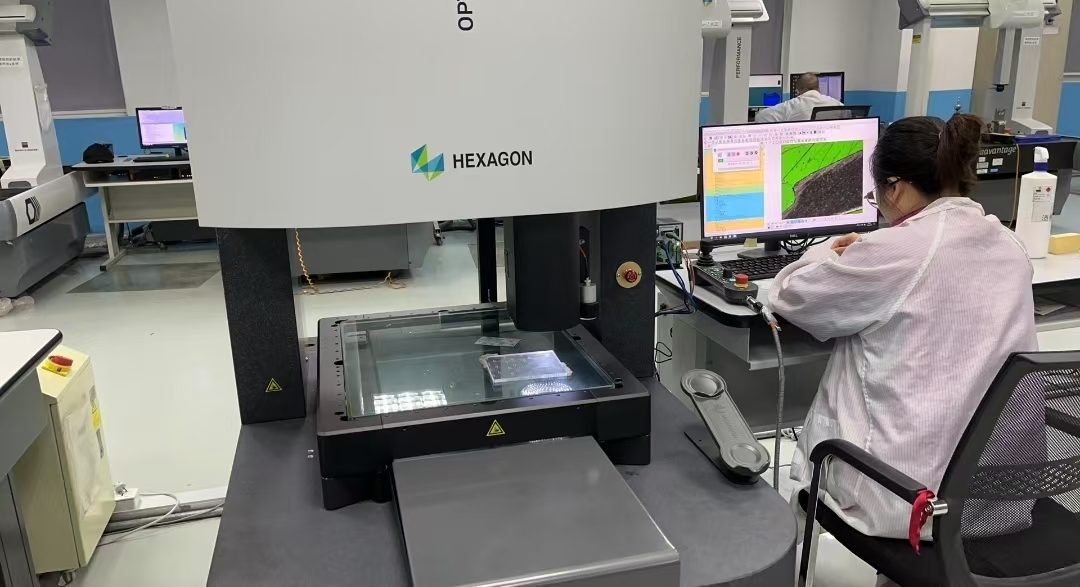
Examining sample parts is another crucial step in the verification process. Dimensional inspection of these samples ensures the parts adhere to specified tolerances and designs as laid out in technical drawings. Utilizing methods like coordinate measuring machines (CMMs) can detect even minor deviations from design specifications, which, if unchecked, can affect assembly processes or the final application of the product.
Verification extends beyond merely checking boxes—it’s about establishing manufacturing consistency. By scrutinizing the quality assurance framework of your injection mold manufacturer, you enhance your ability to deliver defect-free parts to market. Consistent quality control practices, such as those examined in audits and expressed in part dimensions, directly influence the long-term relationship with suppliers and the success of the final product.
For more insights into precision considerations in custom injection molds, visit this article on Evaluating Precision in Custom Injection Molds for Electronics.
Evaluating Cost Beyond Price
When selecting a custom plastic injection mold manufacturer, it’s crucial to consider costs that extend far beyond the initial price tag.
While immediate pricing is often a primary concern, understanding various cost factors can prevent future headaches.
Initial vs Long-term Costs
While the initial cost is a clear and upfront expense, it does not encompass the full financial picture. A lower upfront cost might seem attractive but can lead to higher expenses over time if the mold requires frequent maintenance or produces inconsistent results.
Hidden Costs
Logistics and potential delays are often overlooked. The complexity of coordinating shipments, dealing with customs, and unforeseen delays can significantly escalate costs. Additionally, miscommunication or inadequate design can lead to increased development times and thus, higher operational costs.
Impact of Poor Mold Design
Suboptimal mold design can severely impact productivity. For example, a mold that produces a high defect rate means more time lost in rework and higher scrap rates, not to mention the potential loss of business due to inferior product quality. Prioritizing expertise in mold manufacturing can mitigate such risks, ensuring a smooth production process.
Cost Components Impact Comparison
| Initial Cost | Long-term Value | Hidden Costs | Productivity Impact | |————–|—————-|————–|———————| | Lower upfront | May reduce over time | Logistics and delays | High defect rate | | Higher upfront | Increased efficiency | Communication errors | Reduced output | | Mid-range | Consistent quality | Customs issues | Lower throughput | | Low budget | Frequent repairs | Increased lead times | High maintenance | | Expertise focus | Reliable operation | Preventive strategies | Enhanced efficiency |
Ultimately, the decision should focus not only on the immediate expenditure but also on potential gains. Expertise should never be sacrificed for short-term savings, especially when it could directly impact the long-term profitability of the project.
Prioritizing Effective Communication
Effective communication is an essential component of any successful project, particularly in the expansive realm of custom plastic injection mold manufacturing in China.
Robust communication tools such as email, video conferencing platforms like Zoom, and cloud-based project management software (e.g., Trello, Asana) are indispensable for maintaining clear, real-time interactions with Chinese suppliers. These tools help keep all parties aligned on specifications, timelines, and modifications — critical factors to avoid costly misunderstandings.
Language barriers can pose significant challenges. Misinterpretations in requirements or specifications can derail a project, lead to delays, or incur unexpected costs. Employing professional translation services for critical documents and using software like SDL Trados or Google Translate for initial translations can facilitate more accurate communication. These tools ensure that both parties have a mutual understanding of the project’s technicalities.
Furthermore, clear technical documentation cannot be underestimated. Detailed documents that specify engineering drawings, material data sheets, and quality standards help prevent ambiguities. Such documentation aids in verifying that the finished product meets the intended design and functionality. It’s wise to establish a systematic approach for document review and approval to catch errors before they escalate into expensive mistakes.
Finally, real-time updates on project progress are crucial. Using platforms that allow live tracking and immediate updates can enhance transparency between companies and their Chinese manufacturers. This visibility allows for proactive adjustments and swift responses to any emerging issues.
A keen focus on communication, supported by the right tools and practices, can transform potential pitfalls into manageable hurdles, ensuring that the injection molding project delivers on quality, cost, and timeline objectives.
When Each Choice is Right
Selecting the right custom plastic injection mold manufacturer in China involves balancing various factors to meet project requirements effectively. Criteria for choosing a cost-effective supplier typically hinge on your project’s scale and the complexity of the parts involved. If your project demands a high volume of simple parts, a supplier with efficient production processes and competitive pricing may be ideal. It’s crucial to evaluate their production capacity and cost-control mechanisms.
Indicators of a high-capability manufacturer include advanced equipment, such as CNC machines, EDM, and milling capabilities. Additionally, qualifications like proficiency in diverse material handling and experience across multiple industries often signal robust manufacturing capabilities. An ISO 9001:2015 certification is a strong indicator, pointing to a well-established quality management system that assures consistent product quality.
When project complexity requires top-tier expertise, you should consider manufacturers with a proven track record in handling intricate designs and high-precision components. Such projects benefit from technical support during the design and prototyping stages to minimize risks in later production phases. Look for manufacturers who offer Design for Manufacturing (DFM) analysis, a critical service for complex projects to ensure feasibility and cost efficiency.
Balancing cost and capability needs means recognizing when additional investment in expertise and technology is justified. For projects with stringent quality requirements or those in highly-regulated industries, the cheapest option might not suffice. Considering the total cost of ownership, including factors like lead times and defect rates, can prevent costly oversights.
For further insights on selecting a supplier, visit Choosing a Custom Plastic Injection Mold Supplier in China. Integrating these considerations will aid in making a well-informed decision tailored to your specific project needs.
Common Mistakes to Avoid
When sourcing custom plastic injection molds in China, certain pitfalls can derail even the most carefully planned projects.
Failing to Check Certifications and Qualifications: Overlooking this can lead to incompatible production standards and potential quality shortfalls. Always ensure your manufacturer holds certifications such as ISO 9001:2015, which attests to a solid quality management system, supporting consistency in production. Verifying the manufacturer’s capability to meet required specifications early in the process can spare you costs in rectifications later.
Underestimating Logistics and Lead Time: Assumptions about logistics and lead times can severely impact project timelines. Due to international shipping, customs clearances, and unforeseen delays, manufacturers often confirm production slots based on order specifics rather than offering fixed lead times. This variability can disrupt just-in-time manufacturing schedules, making it crucial to plan with flexibility in your timeline.
Ignoring Sample and Prototype Evaluations: Skipping evaluations of samples and prototypes can result in flawed components that may not match design intents. Sample inspections should focus on tolerances, surface finishes, and dimensional accuracy to catch discrepancies before mass production. Without these checks, there is a risk of significant financial loss and missed deadlines.
Overlooking Cultural Differences in Communication: Cultural differences can lead to misunderstandings that impact project outcomes. Misinterpretations can arise from indirect communication styles or assumptions about shared knowledge. Clear, direct communication and active exchange of technical documentation are vital in bridging these gaps. Engaging with a project manager or local representative who understands these nuances can facilitate smoother interactions and align expectations effectively.
Concluding Your Decision
Choosing the right custom plastic injection mold manufacturer in China demands a careful balance of cost, quality, and qualifications.
Avoiding common pitfalls, such as neglecting due diligence or ignoring cultural nuances in communication, is critical for project success. Regular verification, rigorous quality checks, and thorough background assessments are essential. Balancing cost savings with the assurance of quality should be the guiding principle in your decision. By prioritizing these factors, you can secure a manufacturing partner who aligns with your business objectives and achieves successful project outcomes.
Frequently asked questions
Why is ISO 9001:2015 certification important?
ISO 9001:2015 certification ensures that a manufacturer has a quality management system in place, which improves product quality and customer satisfaction. It provides assurance that the manufacturer meets international standards for managing quality and reliability.
What hidden costs should I consider in mold production?
Hidden costs in mold production can include logistics expenses, delays due to rework, and additional costs from poor mold design. These factors can significantly impact the total cost and timeline of your project, emphasizing the need for thorough planning and cost analysis.
Request a project review
Send the 3D model, 2D drawing, material requirements, annual volume and critical dimensions. The team will identify open technical questions before tooling is quoted.