
“How do I ensure precision in custom injection molds for electronics?” This question often arises in the mind of sourcing and procurement managers who hold the responsibility of ensuring quality and functionality in electronic components. Precision is the linchpin for companies like Yiot Technology Co., Ltd. who deliver high-performance custom injection molds tailored to specific needs. Maintaining dimensional accuracy, superior tooling designs, and advanced material selection are crucial components that underscore precision. By understanding these foundational aspects, buyers can engage more effectively with suppliers, enhancing their decision-making process and ensuring that the molds meet stringent electronic industry standards.
Key takeaways
- Precision in custom injection molds for electronics primarily hinges on maintaining tight tolerances and dimensional accuracy.
- The foundation of precision in custom injection molds for electronics begins with robust quality management frameworks, such as ISO 9001:2015.
- The precision of injection molds for electronics is directly influenced by the material type used in the molding process.
- Consistent process control during injection molding plays a pivotal role in maintaining precision, particularly in manufacturing electronic components.
- Ensuring precision in custom injection molds for electronics starts with providing comprehensive and detailed specifications in your RFQ (Request for Quotation).
What Determines Precision in Custom Injection Molds for Electronics?
Precision in custom injection molds for electronics primarily hinges on maintaining tight tolerances and dimensional accuracy.
In the context of injection molds, precision is the ability to consistently produce parts that meet the specified dimensions and tolerances without deviation. For electronic components, where even minor variances can lead to significant problems, precision is crucial.
Typically, tolerances in injection molds for electronics range from ±0.0005 to ±0.001 inches, depending on the complexity and size of the component. Achieving such tight tolerances ensures that parts fit perfectly in assemblies without causing interference or function-related issues.
Dimensional accuracy in electronic applications is paramount. As electronic devices become increasingly compact and sophisticated, the demand for precision in molds rises. Each part must fit seamlessly with others, maintain electrical integrity, and ensure proper heat dissipation. A slight mismatch can lead to circuit disruptions or improper device seating, affecting the overall performance and reliability.
Precision also impacts the visual and aesthetic quality of the electronics, especially for consumer-facing parts. Any surface imperfection or dimensional inaccuracy can degrade the perceived quality and functionality of the device. Therefore, achieving high precision in custom injection molds not only aids in the functionality and reliability of electronic components but also in maintaining brand reputation and consumer satisfaction.
In summary, maintaining precision in custom injection molds for electronics is a multi-faceted challenge that involves adhering to specific tolerances and ensuring dimensional integrity. This precision is critical to the successful operation and longevity of modern electronic devices, underscoring its importance in mold manufacturing. Understanding this forms the foundation for producing reliable and efficient electronic components.
What Standards Contribute to Mold Precision?
The foundation of precision in custom injection molds for electronics begins with robust quality management frameworks, such as ISO 9001:2015.
This standard mandates systematic control measures for a consistent end product, ensuring that every phase in mold production adheres to specific quality protocols. It emphasizes the importance of rigorous documentation and continuous improvement, which are pivotal for maintaining precise tolerances in mold manufacturing. Consequently, Yiot Technology Co., Ltd., by complying with ISO 9001:2015, upholds stringent quality controls ensuring molds meet exact specifications.
Industry-specific standards also play a crucial role in the precision of injection molds. Standards like ASTM and ISO for measurement and testing provide guidelines to ensure that molds deliver reliable performance characteristics. For instance, adhering to specific ASTM standards for tensile strength and dimensional stability can help to guarantee that the molds produce parts compatible with electronic components’ stringent requirements.
Material quality is another factor significantly impacting mold precision. The choice of high-grade steel or aluminum for mold construction affects the accuracy and longevity of the mold. Premium materials minimize the risks of warping or degradation under pressure, which are common pitfalls that lead to variations in mold output. Additionally, advanced machining techniques like CNC machining and EDM (Electrical Discharge Machining) provide the capability to achieve the intricate and complex geometries often required in electronics molds. These techniques allow for tight tolerances and improved surface finishes, directly contributing to the precision of the final mold product.
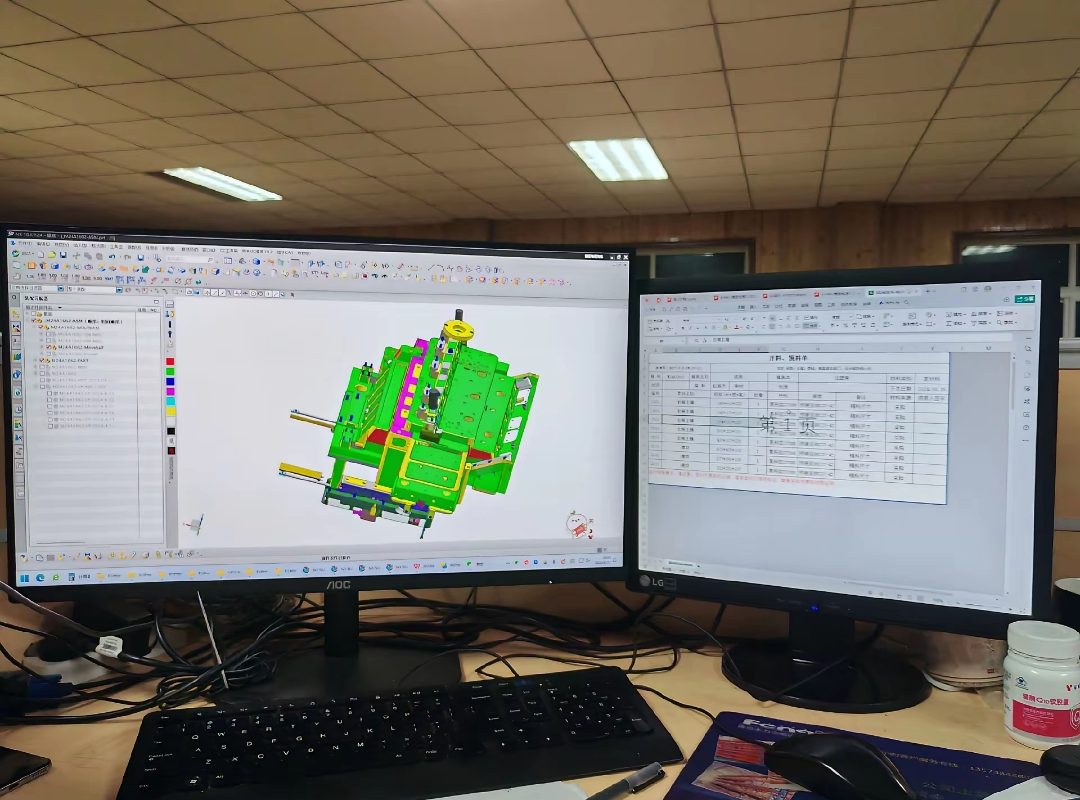
For electronics OEMs exploring custom plastic injection options, understanding the interplay of standards, material quality, and machining technology is key. These elements combined not only assure precision but also sustain performance over time. For further insights and strategies on leveraging these standards in the electronics sector, explore our guide on Why Choose Custom Plastic Injection Molds for Electronics OEMs in China?.
Which Material Choices Affect the Precision of Injection Molds?
The precision of injection molds for electronics is directly influenced by the material type used in the molding process.
Common materials include polycarbonate, ABS (Acrylonitrile Butadiene Styrene), and nylon. Each has distinct properties that impact mold precision. For instance, polycarbonate offers excellent dimensional stability, crucial for tight tolerances needed in electronic components. On the other hand, ABS provides a balance of impact resistance and machinability, making it suitable for various consumer electronics.
The thermal stability of a material dictates its performance under temperature variations during molding. Materials like nylon, which is susceptible to moisture absorption, can lead to dimensional variations if not adequately dried before processing. This can result in imprecise molds.
Shrinkage rate is another critical factor. Different materials shrink differently upon cooling, which can alter the final dimensions of the molded part. Polycarbonate, with a low shrinkage rate, generally produces more dimensionally accurate parts compared to materials with higher shrinkage rates.
Materials also impact the surface finish quality of the final mold. For example, ABS often results in a higher gloss finish, which may or may not be ideal depending on the electronic component’s end-use. In contrast, the surface finish from polycarbonate can vary based on the molding conditions but usually achieves a matte appearance.
Material Properties Impacting Mold Precision
| Material Type | Thermal Stability | Shrinkage Rate | Surface Finish Quality |
|---|---|---|---|
| Polycarbonate | High | Low | Matte |
| ABS | Moderate | Medium | Glossy |
| Nylon | Low (hygroscopic) | Variable | Varies with processing |
| POM | Excellent | Minimal | Smooth |
| PP | Good | Moderate | Varies |
Material challenges such as inconsistency in batch quality or inadequate material storage can further influence precision. Ensuring a stable material supply chain by working with vetted suppliers is critical to maintaining high precision in electronic mold production.
Why Does Consistent Process Control Matter in Injection Molding?
Consistent process control during injection molding plays a pivotal role in maintaining precision, particularly in manufacturing electronic components.
Critical parameters such as temperature and pressure must be meticulously monitored and adjusted to ensure high-quality outcomes. For instance, maintaining a stable temperature throughout the mold cavity is essential. This stability minimizes thermal differences that could lead to part warping or shrinkage, ultimately affecting dimensional accuracy.
Temperature control isn’t just about keeping things hot; it’s about ensuring uniformity from the injection point to the final product ejection. Without precise temperature regulation, defects such as sink marks or surface imperfections can arise. Consequently, adjustments must be made regularly in response to environmental changes like ambient temperature or material variations.
Pressure control is equally significant. The pressure applied during the injection phase affects how the plastic flows within the mold, filling intricate details or maintaining structural integrity. If the pressure is too high or too low, it can lead to incomplete fills or flash defects, which compromise the part’s precision.
Monitoring and adjusting these settings isn’t a set-it-and-forget-it task. It demands constant oversight and the flexibility to fine-tune parameters in real-time. Automation and advanced sensors allow technicians to track these variables continuously, making necessary adjustments to maintain optimal conditions. This level of precision not only ensures that parts meet strict electronic specifications but also reduces waste and enhances overall production efficiency.
In summary, precise control over temperature and pressure during injection molding is vital. It ensures consistency and precision in production, directly influencing the quality of electronic molds and the final components they produce.
What Information Should You Provide to Ensure Precision in Molds?
Ensuring precision in custom injection molds for electronics starts with providing comprehensive and detailed specifications in your RFQ (Request for Quotation).
The precision of the mold and ultimately the electronic components produced depends heavily on the clarity of the specs you provide.
First and foremost, include complete part design files. These should be both 3D CAD models, such as in STEP or Parasolid format, and detailed 2D drawings. The 2D drawings are particularly important as they specify critical dimensions, tolerances, surface finishes, and any features that affect the assembly, like sealing surfaces or optical areas. Without these detailed design files, ensuring dimensional accuracy becomes improbable.
Tolerances are another critical element to specify. Simply noting “tight tolerances” is insufficient; you need to state the exact tolerance figures, understanding how they relate to the functionality and assembly of the part. For example, mentioning that tolerances should be within ±0.02 mm for key features can significantly influence the mold’s accuracy and the components’ fit and function. Suppliers need this level of detail to provide accurate quotes and to plan proper tooling and process parameters.
Incomplete specifications can lead to significant deviations in mold accuracy. The absence of vital details like part geometry complexity, insert requirements, or undercut tolerances often results in misaligned assumptions and flawed mold designs. Consequently, filling gaps later on often leads to increased costs and delays. Therefore, more precise specifications streamline the quotation process and reduce the risk of remanufacturing or design adjustments down the line.
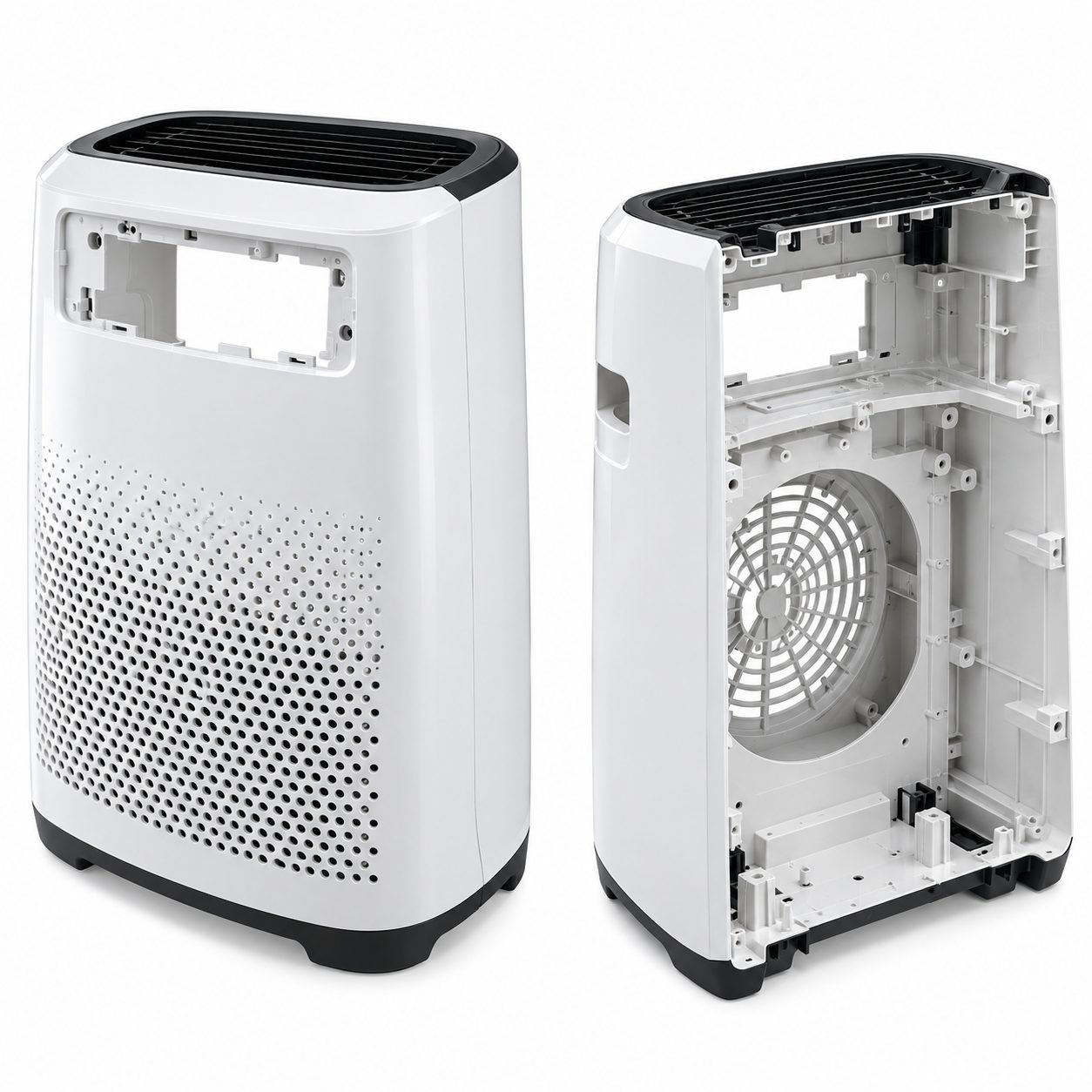
Finally, aligning your specifications with high-quality standards, like those highlighted in detailed guidelines by Custom Injection Molds for Electronics Manufacturer in Dongguan, can mitigate risks associated with mold precision. Consequently, the more exacting and specific your initial RFQ is, the more likely you are to achieve the precision required for sophisticated electronic components.
How Does Mold Precision Affect Functionality and Reliability?
Precision in mold design and manufacturing significantly affects the functionality of electronic components.
When molds lack precision, electronic parts may exhibit dimensional inaccuracies, leading to improper fit or function in assembled products. For instance, incorrect pin alignment in a connector mold can disrupt the connection integrity, causing faulty electrical contact. Precise dimensions are essential to ensure that components like housings, connectors, and other intricate parts fit together seamlessly without compromising the product’s electronic performance.
Impact on Long-term Reliability
Reliability in electronics is not just about initial functionality but also long-term durability. Precision molds ensure consistent part quality, crucial for long-term reliability. Inaccuracies can lead to excessive wear or material stress, causing electronic components to fail prematurely. Over time, slight deviations in dimensions might result in increased friction or uneven load distribution, leading to mechanical failure or aesthetically undesirable defects. Consequently, investing in precision molds helps ensure parts that withstand prolonged usage, reducing maintenance and replacement costs.
Potential Defects from Lack of Precision
A lack of precision in injection molds can lead to several types of defects. Flash, a common defect, occurs when excess material seeps out of the mold cavity, resulting in burrs on the finished part — requiring additional trimming and risking damage during assembly. Sink marks and voids might appear due to uneven cooling resulting from poorly designed mold geometries. Such defects not only affect the mechanical properties but can also lead to electrical insulation failures, impacting the overall safety and performance of the electronic device. Therefore, precision is a fundamental factor in ensuring the quality and reliability of electronic parts over time.
Next Steps to Engage a Reliable Mold Manufacturer
Choose a manufacturer with proven precision credentials like ISO 9001:2015 certification, which indicates a commitment to rigorous quality management.
Ensure clear collaboration channels with the supplier—effective communication can significantly influence the final outcome. During initial discussions, focus on critical questions like previous experience with similar projects, tolerances they typically manage, and how they handle deviations. These steps help pinpoint a reliable partner adept at meeting your precision requirements for custom injection molds in electronics.
Frequently asked questions
What role does ISO 9001:2015 play in mold precision?
ISO 9001:2015 provides a framework for consistent quality management, ensuring processes are optimized for precision. It guides manufacturers in maintaining reliable production standards, a critical factor for precision in injection molding.
How do material properties affect mold accuracy?
Material properties, such as thermal expansion and shrinkage rates, can significantly impact mold accuracy. Selection of appropriate materials helps in achieving the desired precision while considering these attributes.
Why is complete specification crucial for mold manufacturing?
Complete specifications ensure that all necessary details are communicated to the manufacturer. This reduces the risk of misinterpretation and ensures the mold meets all design requirements with optimal precision.
How does mold precision impact electronic components?
Mold precision ensures that electronic components fit perfectly and function flawlessly. Lack of precision can lead to dimensional mismatches, impacting assembly and the overall reliability of electronic devices.
Request a project review
Send the 3D model, 2D drawing, material requirements, annual volume and critical dimensions. The team will identify open technical questions before tooling is quoted.