Many buyers assume that all Chinese suppliers for injection molded plastic parts offer the same level of service and quality. However, this is not the case. When choosing a supplier, consider their certifications such as ISO 9001:2015, as well as their specific industry experience. Evaluating a supplier’s track record in managing complex projects and their investment in technology is crucial. Furthermore, reviewing quality control processes can prevent costly defects. Ensuring your supplier aligns with your specific production and project needs is important. By thoroughly assessing these factors, you can select a partner who not only meets technical specifications but also delivers consistent results.
Key takeaways
- Misconceptions about Chinese manufacturing standards largely stem from outdated perceptions and a focus on cost over quality.
- In the realm of injection molded plastic parts, quality isn’t simply dictated by the price tag.
- While many buyers believe that all suppliers in China use the same technology for producing injection molded plastic parts, there is significant variation in the investment and sophistication of technology, directly impacting production capabilities.
- The notion that larger orders automatically receive better service is a common misconception among buyers seeking injection molded plastic parts.
- When selecting a supplier for injection molded plastic parts in China, verifying certifications such as ISO 9001:2015 is non-negotiable.
Where the Supplier Belief Comes From
Misconceptions about Chinese manufacturing standards largely stem from outdated perceptions and a focus on cost over quality.
Historically, many Western companies have associated Chinese factories with lower production costs. This perspective often results from experiences in the past where price was the primary driver in procurement decisions. However, these perceptions do not accurately reflect the current landscape of injection molding suppliers in China.
The emphasis on cost-saving frequently leads to procurement choices that overlook the capabilities of suppliers who adhere to rigorous standards like ISO 9001:2015. A closer inspection often reveals that many Chinese manufacturers have invested significantly in quality control processes and adhere to international standards, challenging these outdated beliefs.
Another factor contributing to these misconceptions is the communication gap between Western buyers and local suppliers. Cultural differences and language barriers can amplify misunderstandings about a supplier’s capabilities. Buyers might interpret a lack of embellishment in communication style as a lack of sophistication or capability. Therefore, it’s crucial for buyers to seek transparency and ensure detailed technical discussions before forming judgments.
Moreover, many Western perceptions are based on past experiences with suppliers who lacked the resources or commitment to maintain stringent quality protocols. Buyers should consider asking about specific technologies such as CNC machining and EDM when evaluating a supplier’s capability.
While older reputations of inconsistency and lackluster standards persist, they are increasingly being overshadowed by a new era of high-tech precision and quality assurance. By understanding these dynamics, buyers can make informed decisions that are not solely based on initial cost but rather on validated supplier capabilities and alignment with their technical needs.
Quality is All About Price
In the realm of injection molded plastic parts, quality isn’t simply dictated by the price tag.
Instead, it is primarily rooted in a supplier’s commitment to established standards like ISO 9001:2015. This certification underscores a firm’s dedication to managing processes efficiently, aiming for consistency and reliability in production. Consequently, when a supplier holds ISO 9001:2015 certification, it reflects their adherence to rigorous quality management, not necessarily higher costs.
Many procurement managers might be tempted to associate higher prices with better quality, assuming those costs correlate with the supplier’s ability to handle complex projects proficiently. However, this assumption can often be misleading. The reality is that some suppliers can undercut prices without sacrificing quality by optimizing their operational processes and maintaining robust quality management practices. Therefore, it is crucial to look beyond price and examine other quality assurances offered by the supplier.
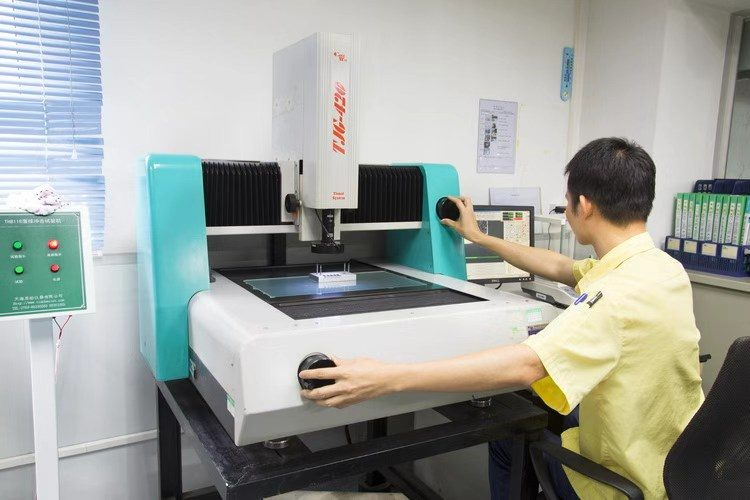
Verification of quality should extend beyond cost analysis. For instance, from a technical standpoint, examining features such as precise machining capabilities, product tolerance accuracy, and finish quality can provide deeper insights into the supplier’s capabilities. Additionally, secondary processes like painting, assembly, and the ability to meet critical dimensions may unearth nuances that aren’t immediately apparent through a price comparison alone.
A commitment to quality is more than just a checklist item; it’s reflected in every stage of the manufacturing process. To get a wider view, evaluate the supplier’s consistency in meeting delivery schedules, their capacity for handling complex custom orders, and their documentation practices. These elements are often more indicative of a supplier’s true quality and reliability than price.
Therefore, when choosing a supplier for injection molded plastic parts, examining these quality features and their ISO status should be prioritized over focusing solely on the initial quotation. More can be learned from the internal link provided: Choosing a Custom Plastic Injection Mold Supplier in China.
All Suppliers Use the Same Technology
While many buyers believe that all suppliers in China use the same technology for producing injection molded plastic parts, there is significant variation in the investment and sophistication of technology, directly impacting production capabilities.
In fact, advanced CNC machining and Electric Discharge Machining (EDM) are not universally employed across all suppliers. Precision requirements often necessitate the use of specialized equipment that only well-equipped manufacturers possess.
Take, for instance, CNC machining. Advanced machines can operate at higher spindle speeds and offer five-axis capabilities, allowing for more complex and precise mold designs. Suppliers with these machines can produce parts with tighter tolerances and superior surface finishes. On the other hand, suppliers with older or less sophisticated machinery may struggle to meet similar specifications, resulting in compromises on quality or increased lead times.
Technology Comparison Across Suppliers
| Technology Type | Supplier 1 Capabilities | Supplier 2 Capabilities | Trade-offs | Best For |
|---|---|---|---|---|
| CNC Machining | Basic 3-axis with older software | Advanced 5-axis with modern software | Cost vs. precision and speed | Simple designs vs. intricate parts |
| EDM | Manual operation | Automated with precision control | Labor-intensive vs. accuracy and efficiency | Prototyping vs. mass production |
| Injection Molding | Standard chiller system | Integrated automated temperature control | Less efficient cycle times vs. consistency of output | Low-budget projects vs. high consistency |
| Proprietary Technology | None | Patented cooling systems | Lower cost vs. advanced thermal management | Standard parts vs. precision-engineered parts |
Proprietary technology is another differentiator. Some suppliers invest heavily in developing unique technologies to enhance their production processes, such as specialized cooling systems within molds to reduce cycle times and improve part quality. This technological edge can be crucial for projects demanding high precision, where standard technology fails to deliver.
Even standardized parts, often perceived as straightforward to produce and not requiring custom solutions, may benefit from custom technology to meet unique design specifications or performance criteria. Therefore, a supplier’s technological investment directly correlates with their ability to produce not just standard parts, but also those that demand higher precision and quality.
In conclusion, while the notion that all suppliers use the same technology is prevalent, the reality is starkly different. Evaluating a supplier’s technological capabilities and their unique offerings can play a critical role in selecting the right partner for injection molded plastic parts.
Larger Orders Guarantee Better Service
The notion that larger orders automatically receive better service is a common misconception among buyers seeking injection molded plastic parts.
In reality, many suppliers prioritize steady and consistent relationships over sheer order volume. Instead of relying solely on volume as a metric for attention, suppliers often invest in nurturing reliable clients who represent long-term potential.
Handling requirements for large orders significantly differ from those for smaller ones. Large orders may necessitate adjustments to manufacturing schedules, lead times, and shipping logistics to accommodate increased demand, potentially causing workflow disruptions. On the other hand, smaller orders can flow more easily through production and often achieve shorter lead times. Notably, suppliers specialized in maintaining lean manufacturing practices can better manage these smaller, frequent orders efficiently, ensuring both high-quality output and prompt service without overloading their operational capacity.
Furthermore, several service aspects are not inherently linked to the size of the order. For example, customer support responsiveness, flexibility in modifying order specifications, and attention to detail in quality control processes do not automatically improve with the size of the order. These aspects often hinge on the strength of the relationship between the supplier and the buyer rather than the volume of business conducted. Building a reliable communication channel and fostering a trust-based partnership often result in superior service outcomes.
To gauge a supplier’s capacity for quality service, regardless of order size, explore factors like their modern technological facilities and management practices—something Dongguan’s prominence as a hub for custom injection molded plastic parts exemplifies. Suppliers based in regions recognized for their advanced industrial ecosystems typically possess the necessary infrastructure to deliver reliable service even for variable-sized orders. Thus, buyers should reconsider prioritizing order size as a sole determinant of service quality and instead place emphasis on relationship-building with suppliers skilled in accommodating various order scales effectively.
Verify Certifications and Track Record
When selecting a supplier for injection molded plastic parts in China, verifying certifications such as ISO 9001:2015 is non-negotiable.
This certification ensures the supplier follows internationally recognized quality management principles. ISO 9001:2015 certifies the quality management system that supports consistent product quality and process improvement, establishing a supplier’s commitment to maintaining rigorous standards. Buyers should request proof of certification and understand the scope it covers — not merely accepting a certificate at face value but ensuring it applies to the specific facilities from which they will source parts.
Evaluating a supplier’s track record also entails assessing past project successes. This is vital, as historical performance gives insight into a supplier’s reliability and quality consistency over time. Requesting case studies or testimonials specific to relevant industries can give a transparent picture of a supplier’s capabilities. Examining previous work, such as Custom Injection Molds for Plastic Automotive Console Parts, further highlights their expertise in a particular niche or product type, helping to determine if they have the required experience to meet specific project needs.
Confirming a supplier’s production capacity is crucial for avoiding unexpected workflow disruptions. Buyers must ascertain whether a supplier can fulfill projected volumes within required timelines. Here, questions should focus on lead times, maximum production capacities, and flexibility in scaling up production. Does the supplier have multiple facilities, or do they rely heavily on third-party partners? Such inquiries help evaluate capacity reliability and production risk.
Moreover, it’s essential to delve into questions about the supplier’s industry experience. During initial discussions, ask about the types of projects handled, the duration of industry presence, and how they have adapted to changes in market demands or technological advancements. Answers to these questions reveal not only the breadth of their experience but also their ability to innovate and remain competitive. By thoroughly verifying certifications and assessing track records, you ensure that your chosen supplier can deliver high-quality plastic parts consistently and reliably.
Concluding the Supplier Selection Process
Choosing a supplier for injection molded plastic parts in China requires careful consideration of several key factors.
Thorough due diligence is crucial in vetting potential suppliers and ensuring they align with your specific project needs. Prioritizing suppliers whose capabilities align with long-term project goals fosters more sustainable partnerships. While immediate costs and short-term gains can be alluring, focusing on a supplier’s ability for a long-term collaboration often yields greater value and stability in production.
Frequently asked questions
How important is ISO certification in selecting a supplier?
ISO certification, particularly ISO 9001:2015, is crucial because it demonstrates a supplier’s adherence to quality management systems. It is a strong indicator of the supplier’s ability to consistently produce parts that meet both customer and regulatory requirements.
What should I check about a supplier’s technology use?
Investigate if the supplier uses advanced machinery like CNC and EDM for mold manufacturing. These technologies can offer tighter tolerances and improved precision, which are essential for high-quality injection molded parts.
Request a project review
Send the 3D model, 2D drawing, material requirements, annual volume and critical dimensions. The team will identify open technical questions before tooling is quoted.