
Precision is critical in creating custom injection molds for plastic air purifier parts. Each component must meet exact specifications to ensure perfect fit and function. CNC machining plays a pivotal role in ensuring this precision. This level of precision directly impacts the performance and longevity of the air purifier parts. Additionally, it helps in reducing the need for extensive post-processing. Therefore, understanding the function and impact of CNC machining is essential for sourcing managers and design engineers looking to optimize their injection mold projects.
Key takeaways
- Selecting the right material for the mold tool is a crucial step in the process of creating custom injection molds for plastic air purifier parts.
- Converting a 3D CAD design into machine-readable CNC instructions is a critical stage in achieving precision for injection molds, especially for complex air purifier parts.
- Achieving precise cuts and surface finishes in CNC machining is pivotal for the quality and functionality of plastic air purifier parts.
- Machining errors can significantly impact the performance and durability of mold components, especially in the precision-demanding arena of plastic air purifier parts.
- Final inspection is critical to ensure that every component meets the exact specifications set forth in the design.
1. Material Selection and Tooling Preparation
Selecting the right material for the mold tool is a crucial step in the process of creating custom injection molds for plastic air purifier parts.
High-strength steel is typically the go-to choice due to its exceptional durability and resistance to wear and tear. AISI P20 and H13 grades are often used, known for maintaining precision under the high pressures and temperatures of injection molding operations. The choice of material directly impacts the longevity and efficiency of the tooling, which in turn affects the quality and consistency of the final plastic parts.
Tooling preparation begins once the material is selected, involving precise machining to achieve the necessary shape and specifications that align with the client’s requirements. This involves creating detailed CAD models that guide the CNC machine tools during the process. Adhering to the client’s specifications is critical, as any deviation can lead to unforeseen issues in the molding process, such as improper part dimensions or surface finish defects.
Material selection poses several challenges. One is balancing cost with performance; high-strength steels like those used in injection molds can be costly, and decisions must factor in the expected mold life and production volume. Additionally, machinability needs careful consideration—some materials, while highly durable, are tougher to machine and can lead to increased tool wear and longer production times.
Another challenge is ensuring the material is suitable for both the mechanical and thermal requirements of the molding process. This means evaluating its thermal conductivity, which affects cooling times and cycle efficiency, and its ability to withstand repeated thermal cycling without degradation.
Therefore, meticulous planning in material selection and tooling preparation is essential. Buyers are advised to prioritize precision in these steps to ensure molds withstand production rigors and meet quality standards.
In conclusion, the choice of mold material is a foundational aspect that impacts both the tool-making process and the finished part’s integrity. Buyers should ensure this step is handled with precision to achieve reliable, high-quality plastic mold components.
2. Programming the CNC Machine
Converting a 3D CAD design into machine-readable CNC instructions is a critical stage in achieving precision for injection molds, especially for complex air purifier parts.
The process begins with translating the CAD file into a CNC-compatible language such as G-code, which provides precise control over milling and cutting paths. This conversion is a nuanced task since it requires understanding the specific tolerances and dimensions demanded by the design specifications.
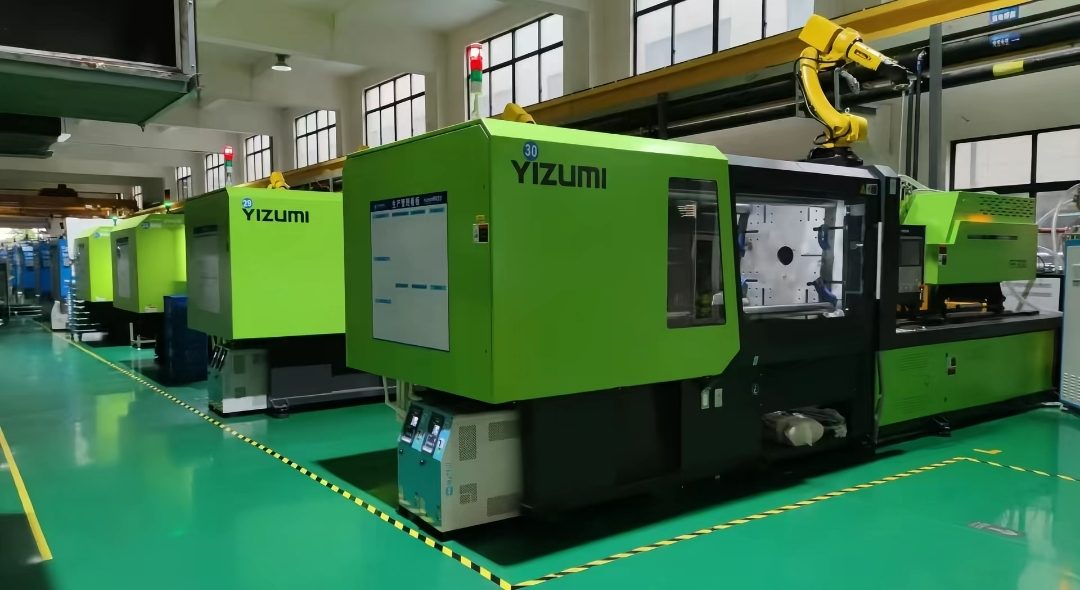
To ensure program accuracy and reliability, it is essential to first review the CAD file meticulously to highlight any complex geometries or tight tolerances. These factors can significantly affect the machining process and require accurate instruction translation. High-fidelity simulation software is then employed to verify the programmed paths. By running a virtual simulation, potential errors such as tool collisions or excessive material removal can be identified and rectified before the actual machining begins, thereby saving both time and resources.
Configuring the CNC machine for precision cutting necessitates careful attention to several settings, including spindle speed, feed rate, and toolpath strategies. These parameters must be precisely aligned with the material properties of the workpiece to achieve desired outcomes. For instance, scenarios involving plastics used in air purifiers often require lower spindle speeds to prevent overheating, which could lead to material deformation or other defects.
Material-specific tooling considerations also play a key role. The choice of cutting tools, from flute design to coating type, must be tailored to the material being machined to ensure an optimal surface finish and extend tool life. For instance, using carbide tools with specific coatings can enhance the cutting performance on plastic mold materials prone to abrasions.
Finally, the role of simulation cannot be overstated. It offers a virtual safety net, allowing machinists to predict issues and adjust programming to mitigate unforeseen problems. This is especially crucial in molding applications where high precision is required, as each flaw potentially compromises the quality of the final product.
By mastering these programming techniques, manufacturers can enhance the accuracy and efficiency of the machining process. It is advisable for buyers to request that suppliers verify program accuracy and ensure that detailed tolerances are maintained throughout the production process. For more insight, Precision Techniques in Custom Injection Molds for Plastic Air Purifier Parts.
3. Executing Machining Operations
Achieving precise cuts and surface finishes in CNC machining is pivotal for the quality and functionality of plastic air purifier parts.
The precision of these operations largely hinges on correctly setting the feeds and speeds for each material being used. For example, harder thermoplastics like polycarbonate require lower speeds to prevent melting or deforming during the cut. Conversely, materials such as ABS can generally be machined at higher speeds without compromising surface integrity, as long as proper cooling and lubrication are employed throughout the process.
Using appropriate feeds and speeds also plays a crucial role in minimizing tool wear and extending tool life. Inadequate settings can lead to rapid tool degradation, resulting in poor surface finishes and increased downtime due to frequent tool changes. To combat this, CNC operators monitor tool conditions constantly and make adjustments based on real-time feedback, which helps in predicting tool replacement for optimal operation efficiency.
Moreover, continuous monitoring during machining is vital to ensure that deviations in dimensions or surface finish do not occur. This monitoring process involves the use of advanced sensors and control systems that provide real-time data feedback to the CNC machine. Adjustments can be made instantly, which reduces the risk of producing off-specification parts, thereby minimizing material waste and reworking costs.
Quality checks during and after machining are integral to maintaining stringent dimensional and surface finish standards. During machining, in-process inspection methods like automated optical inspection can detect defects early. After machining, a thorough examination—including dimensional verification against the design specification—ensures that the components meet all required tolerances and surface quality standards. This rigorous quality control ensures that each mold component adheres to precision standards, supporting a comprehensive quality management system.
By focusing on these key elements, these practices help achieve reliable outcomes in molded plastic air purifier parts.
4. Potential Errors and How to Mitigate Them
Machining errors can significantly impact the performance and durability of mold components, especially in the precision-demanding arena of plastic air purifier parts.
One common error is dimensional inaccuracy, often resulting from improper tool calibration or incorrect feed rates. When a mold does not meet the exact dimensions outlined in customer specifications, it can lead to poor fit and function, affecting the final product’s viability.
Impact of Errors on Product Quality Dimensional inaccuracies can lead to cosmetic defects in the molded parts, such as flashing or sink marks, which compromise both appearance and structural integrity. Such defects typically increase scrap rates and, ultimately, production costs. Moreover, inaccuracies that propagate from poorly made molds can escalate through the production line, amplifying quality concerns that might result in customer dissatisfaction or warranty claims.
Avoiding Dimensional Inaccuracies Preventing errors begins with thorough CNC programming. Ensuring that the CAD/CAM files fully capture the design intent and that the CNC machine setup matches these files is crucial. Regularly calibrating machines and employing advanced simulation software helps identify potential toolpath errors before actual machining begins. Additionally, setting correct feed rates and speeds tailored to the specific material properties used in molding can prevent tool deflection and thermal distortion, which are common culprits of dimensional errors.
Quality Control Measures Regular quality control processes are beneficial to catch defects early. In-process inspections, such as using probing systems to verify critical dimensions at various stages, can flag discrepancies before they snowball into major faults. Buyers should consider asking suppliers about methods like Statistical Process Control (SPC) to analyze and reduce variability, thereby ensuring consistent part quality.
Continuous Process Improvement Endlessly adapting and refining CNC processes is vital to maintaining precision. This includes regular training for operators and keeping machinery up-to-date with the latest technology. Encouraging a culture of continuous feedback from the shop floor can also expose inefficiencies and prompt timely improvements. By fostering a proactive approach, manufacturers can not only mitigate errors but also enhance overall productivity and quality in mold production.
5. Final Inspection of Mold Components
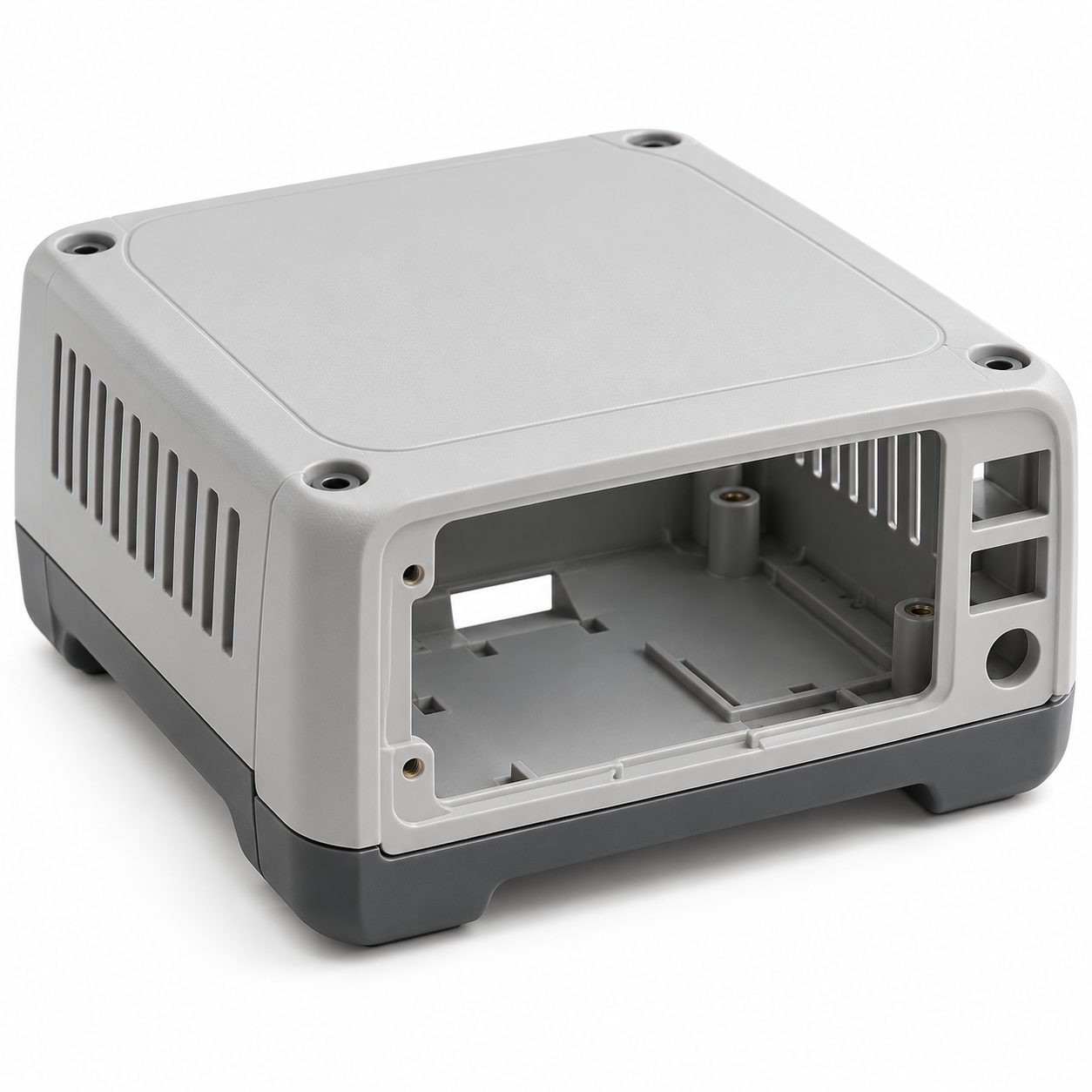
Final inspection is critical to ensure that every component meets the exact specifications set forth in the design.
Each mold component undergoes a dimensional verification process using advanced tools. This process is vital for ensuring that all parts adhere to the specified tolerances, avoiding any potential issues with fit or function.
Evaluating surface quality is essential to ensure it meets aesthetic and functional standards specified in the client’s requirements. It is vital in preventing downstream defects that could affect the performance of the final product.
In-process quality control checkpoints help to catch any potential issues early. During these checkpoints, parts undergo interim inspections, which help identify and rectify defects at earlier stages. This proactive approach aids in reducing waste and handling time, thereby increasing efficiency.
Inspection documentation for traceability supports ongoing quality assurance and provides a path for review in the event of any discrepancies. By maintaining detailed inspection records, manufacturers can ensure consistent quality and provide transparency to their clients.
Key Inspection Parameters and Why They Matter
| Parameter | Typical Value | Why It Matters |
|---|---|---|
| Dimensional Accuracy | per drawing | Ensures fit and function in assembly |
| Surface Roughness | 0.8 μm Ra (typical) | Affect part aesthetics and interface quality |
| Tolerance Level | ±0.05 mm | Critical to ensure component fitting and function |
| Roundness | 0.02 mm | Important for parts requiring precise rotation or fit |
| Material Hardness | per drawing | Impacts wear resistance and longevity |
For a more detailed understanding of these inspection parameters, our guide on Reading a Custom Injection molds for plastic air purifier parts inspection report: the numbers that matter provides extensive insights.
6. Questions to Explore for Your Project
When preparing for a project involving CNC machining, it’s crucial to ask about the CNC machine capabilities relevant to your needs.
Request tolerance data from past projects to evaluate the precision they consistently achieve. Inquire about their inspection practices to ensure quality. Lastly, consider whether CNC machining might offer significant benefits for refining complex geometries and achieving the desired specifications in your designs. By asking these focused questions, you can better align your project needs with supplier capabilities.
Frequently asked questions
Why is CNC machining crucial for injection molds?
CNC machining ensures that mold components are manufactured with high precision. This accuracy is crucial for ensuring that plastic parts fit perfectly and function correctly, reducing the need for post-processing and ensuring consistent quality.
How can CNC machining improve mold durability?
By selecting the right tool material and maintaining precise control over the machining process, CNC machining reduces wear and tear on the mold during production. This extends the life of the mold, which is cost-efficient in high-volume production scenarios.
What are common errors during CNC machining, and how are they addressed?
Common errors include dimensional inaccuracies and surface finish defects, often due to improper programming or tool wear. Addressing these involves careful programming, regular tool maintenance, and continuous monitoring throughout the machining process.
Request a project review
Send the 3D model, 2D drawing, material requirements, annual volume and critical dimensions. The team will identify open technical questions before tooling is quoted.