
“How does Design for Manufacturability (DFM) shape the precision of plastic injection molds for varied applications?” Understanding DFM in the context of plastic injection molds is essential for manufacturers aiming to ensure optimal functionality and cost-effectiveness. DFM analysis helps predict potential manufacturing challenges and identifies areas for improvement in mold design. By considering key factors like material flow, cooling channels, and parting line placement, DFM can help meet both functional and commercial requirements efficiently. Particularly in Dongguan, renowned for its advanced manufacturing capabilities, a robust DFM process is crucial for creating molds that perform consistently across industries, whether for automotive components or electronic housings.
Key takeaways
- Design for Manufacturability (DFM) analysis for plastic injection molds is a strategic process that aims to optimize mold designs for cost efficiency and quality enhancement.
- In Design for Manufacturability (DFM) analysis for injection molds, ensuring optimal material flow is vital to prevent defects like short shots or weld lines.
- Material selection is pivotal in determining the design for manufacturability (DFM) outcomes for plastic injection molds.
- Predicting and mitigating warp and sink issues are significant challenges in the design for manufacturability (DFM) of injection molds.
- An effective Design for Manufacturability (DFM) analysis relies heavily on the quality and completeness of the data provided by the buyer.
What is DFM analysis in the context of plastic injection molds?
Design for Manufacturability (DFM) analysis for plastic injection molds is a strategic process that aims to optimize mold designs for cost efficiency and quality enhancement.
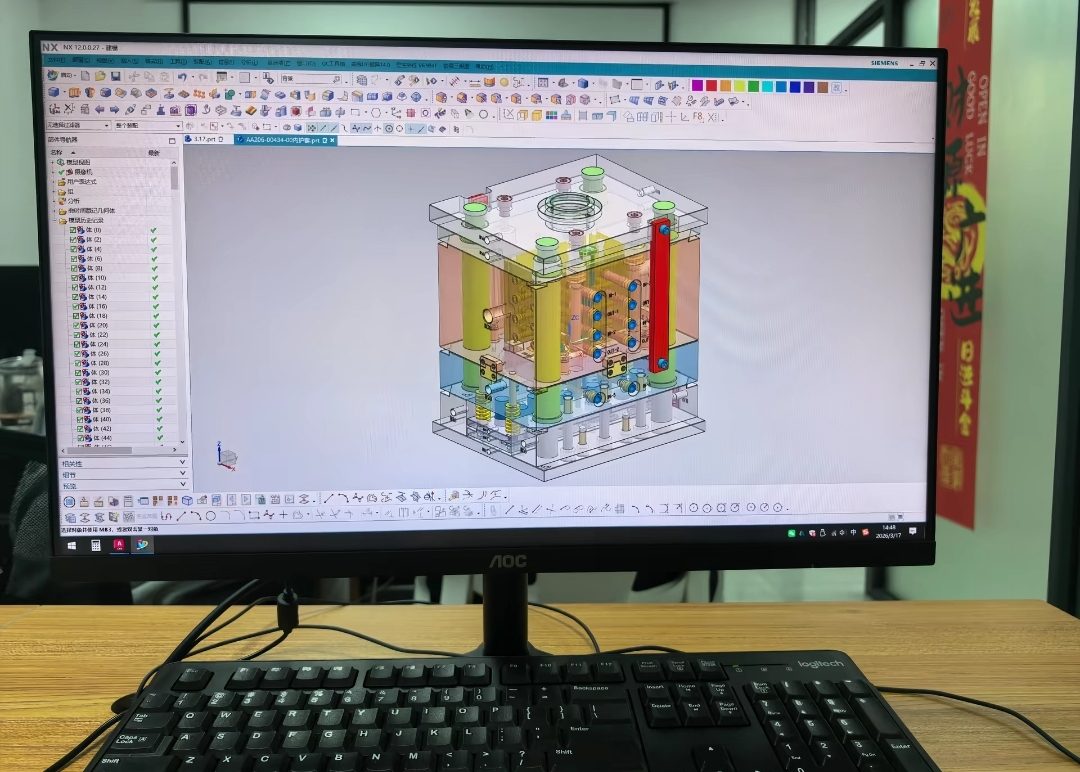
In this context, DFM goes beyond the design phase by integrating CAD and simulation tools to identify and rectify potential design issues before manufacturing begins. This proactive approach helps in uncovering problems that might lead to defects or increased costs if left unaddressed.
The key objectives of DFM analysis in injection mold production are straightforward: reduce costs and improve quality. By simulating the mold design, engineers can foresee challenges related to material flow or cooling, which directly affect production efficiency and part quality. By addressing these potential issues early on, there is a significant reduction in needed rework, leading to shorter development cycles and enhanced product reliability.
Moreover, DFM analysis aims to harmonize the design with the capabilities of available manufacturing technologies. CAD tools allow for detailed modeling that supports exhaustive simulations, offering insights into choices affecting mold durability and manufacturing viability. This integration ensures that the mold design leverages the best of technology to meet both functional and economic goals of the project.
For those keen on further understanding how DFM integrates into the supply chain, YIOT’s guide on Understanding DFM Analysis for Plastic Injection Parts Suppliers in Shenzhen delves deeper into these procedures.
What considerations are critical during DFM for injection molds?
In Design for Manufacturability (DFM) analysis for injection molds, ensuring optimal material flow is vital to prevent defects like short shots or weld lines.
This involves meticulous balancing of wall thickness throughout the part, consistent with the mold cavity design to facilitate smooth flow of molten plastic. Buyers should request simulations to aid in identifying potential flow issues and make necessary adjustments before manufacturing.
Next, cooling channel design is crucial for reducing cycle times and ensuring part quality. Channels should be strategically placed to allow uniform cooling and avoid hotspots that can lead to part deformation. Buyers should ensure that manufacturers optimize the cooling system layout to minimize cycle times and enhance productivity. This design step requires an understanding of thermal dynamics and material-specific cooling rates.
The parting line and mold cavity design also play significant roles. The parting line defines how the mold will split and is critical for aesthetic and structural integrity. Aligning the parting line to reduce flash and aid ejection efficiency is crucial. Meanwhile, mold cavity design impacts the functionality and aesthetics of the final product, often requiring precision to accommodate complex geometries or fine features.
Tooling considerations for durability ensure that the molds can withstand repeated use without significant wear. This involves selecting appropriate tool steels and treating them for hardness and corrosion resistance. Buyers should inquire about the use of wear-resistant coatings to extend mold life and ensure consistent performance over time. These factors collectively contribute to an effective and efficient DFM process, crucial for producing high-quality injection molds.
How do material choices influence DFM outcomes?
Material selection is pivotal in determining the design for manufacturability (DFM) outcomes for plastic injection molds.
The choice of resin affects every aspect, from mold design to its overall durability and cycle times. For instance, resins with higher viscosity require different flow channel designs than resins that flow more easily. This impacts how the mold fills and cools, which in turn affects the part quality and production efficiency.
In Dongguan, commonly used materials include polycarbonate, ABS, and nylon, each bringing specific challenges and advantages. Polycarbonate, for example, has excellent thermal resistance and optical clarity but requires careful consideration of mold temperature control due to its relatively high thermal conductivity. ABS is popular for its good mechanical strength and ease of molding, although its flow characteristics necessitate precise mold cavity designs to avoid issues like weld lines.
Durability is another factor influenced by material selection. Mold components may wear faster when working with abrasive materials. High-performance plastics often lead to increased mold wear, demanding frequent maintenance or more robust mold construction. Understanding these relationships is critical for maximizing the mold’s operational life while minimizing costs.
Here is a summary of how different materials impact mold design:
Material Properties Impacting Mold Design
| Material | Flow Characteristics | Thermal Conductivity (W/m·K) | Durability | Typical Applications |
|---|---|---|---|---|
| Polycarbonate | Moderate flow | ~0.20 – 0.22 | Moderate | Electronic enclosures, lenses |
| ABS | Good flow | ~0.18 – 0.20 | Good | Automotive components, toys |
| Nylon | Low flow due to high viscosity | ~0.23 – 0.25 | Excellent | Mechanical parts, gears |
| HDPE | High flow | ~0.45 – 0.50 | Good | Containers, household goods |
| PETG | Moderate flow | ~0.19 – 0.21 | Good | Medical equipment, packaging |
By considering these material characteristics, manufacturers can optimize mold design and improve efficiency, aligning with customer expectations and production constraints.
What are common challenges in DFM for injection molds?
Predicting and mitigating warp and sink issues are significant challenges in the design for manufacturability (DFM) of injection molds.
Warp can distort the shape of a plastic component, often due to uneven cooling or internal stress, impacting the functionality and aesthetics of the final product. Sink marks, on the other hand, occur when thicker areas of the part cool and shrink more than thinner regions, causing surface depressions. These defects necessitate careful planning of the mold’s cooling channels and thoughtful design choices, particularly in walls and ribs.
Balancing cost versus design complexity is another critical aspect of DFM analysis. A complex design may necessitate additional tooling features and mold components, driving up costs. Designers must weigh the benefits of intricate part designs against increased production expenses, aiming for simplicity where possible without compromising essential functionality.
Common pitfalls in design affecting manufacturability include inadequate draft angles and poor gating design. Insufficient draft angles can complicate part ejection, leading to defects or damaging the mold, while poorly designed gates may affect material flow, leading to incomplete fills or excessive pressure. Properly optimized drafts and strategically placed gates can drastically enhance manufacturability.
Strategies for minimizing rework and iteration often involve early simulations and iterative testing. By utilizing software for mold flow analysis and creating prototype molds, it is possible to identify potential issues early, reducing costly iterations. Bracing the mold design with these insights ensures that manufacturers can proceed with fewer errors down the line, saving time and resources.
What should a buyer provide for a successful DFM analysis?
An effective Design for Manufacturability (DFM) analysis relies heavily on the quality and completeness of the data provided by the buyer.
Ensuring every detail of your design and production requirements is shared helps streamline analysis and improves accuracy in developing custom injection molds.
Detailed CAD Models and Drawings: Providing precise CAD models and detailed drawings is a fundamental step. These should include not just the overall dimensions but also critical features such as parting lines, undercuts, and draft angles. This information allows for an accurate assessment of the design’s feasibility and potential manufacturability issues. A comprehensive drawing captures all aspects needed for mold engineers to envision and eventually produce the mold accurately.
Specifications of Intended Materials: Material choice significantly impacts mold design, so providing the exact specifications of the intended plastic resin is crucial. Details about the resin’s viscosity, shrinkage rates, and temperature tolerance enable the DFM team to evaluate how well your design will perform once the material fills the cavities. Clarifying material specifications ensures that the design accommodates material-specific characteristics early in the process.
Functional and Cosmetic Feature Requirements: Outlining both functional and cosmetic requirements is vital for DFM. For instance, if particular surface textures or aesthetic details are required, these must be described in detail. This helps in determining tooling surface finish requirements and assessing any additional processing steps needed to meet cosmetic standards.
Performance and Lifecycle Expectations: Finally, providing clearly defined performance criteria and lifecycle expectations for the parts plays a significant role in shaping mold design. Understanding the conditions the part will face during its service life can influence mold material selection and durability considerations, ensuring that the mold can repeatedly produce parts meeting all quality and functional specifications.
Why is DFM crucial in the Dongguan manufacturing landscape?
Dongguan’s reputation as a manufacturing powerhouse for plastic injection molds is no accident.
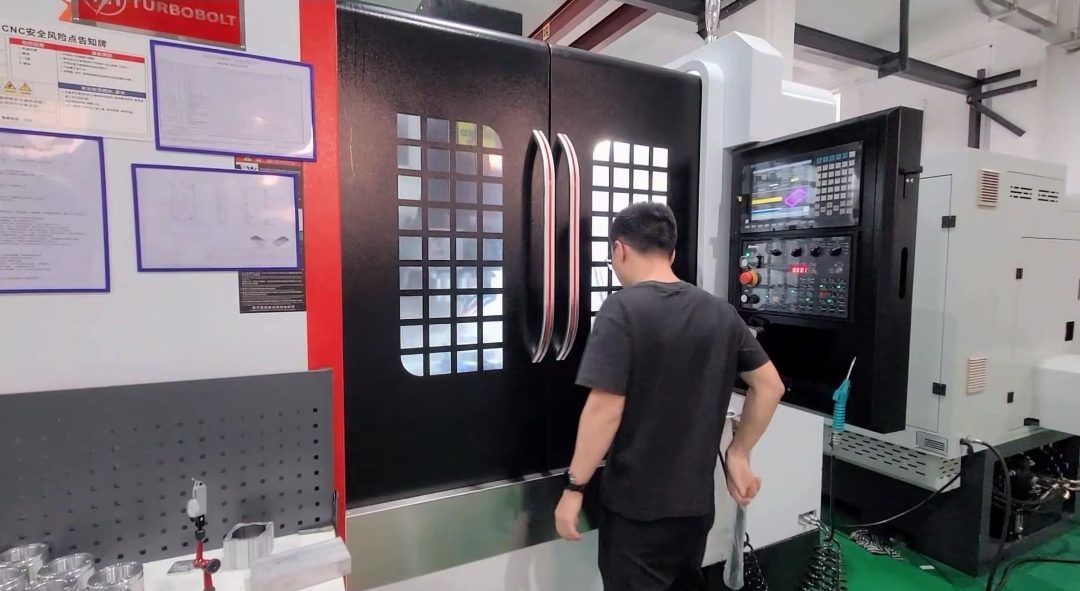
This region stands out due to its deep-rooted manufacturing expertise, which is integral to the effective use of Design for Manufacturability (DFM) principles. DFM is pivotal in Dongguan because it capitalizes on the local talent pool that thoroughly understands both the intricacies of injection mold fabrication and the unique requirements of markets worldwide.
Localized manufacturing expertise in Dongguan means the skills necessary to optimize production processes are readily available. When DFM is applied, issues such as potential defects and inefficiencies in mold design can be identified early, minimizing costly rework. This robust problem-solving ability gives manufacturers a competitive edge, especially when aiming to meet global standards and ensure seamless export procedures.
Moreover, the compatibility with advanced technologies in Dongguan sets the stage for innovation. Facilities here are equipped with state-of-the-art machinery and software that enhance DFM processes. By integrating technologies such as CAD and simulation tools, manufacturers in Dongguan can push the boundaries of what’s possible in mold design, ensuring high precision and efficiency.
Lastly, optimized production through DFM contributes significantly to Dongguan’s competitive advantage in the export market. By reducing production costs and improving mold quality, DFM helps local manufacturers meet the exacting requirements of international clients. This combination of skill, technology, and strategic DFM application is why Dongguan remains a dominant force in the industry.
The next step in ensuring DFM success for your molds
Choosing an experienced manufacturer is crucial in the next step of Design for Manufacturability (DFM) success for your molds.
A seasoned manufacturer not only brings in-depth industry knowledge but also offers insights that can refine your part design. For instance, working with a provider certified to ISO 9001:2015 provides a framework for quality management systems, supporting consistent quality control processes. Choosing a Custom Plastic Injection Mold Manufacturer in China: Key Considerations.
Incorporating continuous optimization through feedback loops is another pivotal component. This iterative process involves collecting real-time data from production runs and using it to make informed adjustments to the mold design. Such feedback can pinpoint issues like uneven cooling or unexpected wear, enabling the manufacturer to tweak the tooling quickly for consistent, high-quality output. Furthermore, integrating simulation tools with production data helps in predicting outcomes and optimizing designs proactively.
Aligning manufacturing practices with the latest industry standards is the final aspect to consider. Manufacturers that adhere to evolving standards are more adept at incorporating cutting-edge technologies. These practices might include the implementation of advanced cooling channels for cycle time reduction or adopting sustainable practices in material usage. Ensuring that your manufacturing partner stays abreast of these developments not only advances the DFM process but also provides a competitive edge in producing reliable molds.
Frequently asked questions
When considering DFM (Design for Manufacturability) for injection molds, it is essential to acknowledge its significance in the manufacturing process. Paying close attention to engineering details such as material flow, cooling channel design, and mold cavity layout can dramatically enhance production efficiency and product quality. Buyers should collaborate closely with manufacturers, providing comprehensive CAD models and specifying desired material and performance characteristics. At Yiot Technology Co., Ltd., adopting a systematic approach to DFM ensures that molds are tailored to meet precise customer requirements, ultimately leading to a smoother production process and superior end results. Choosing the right partner for DFM can be the pivotal next step to success.
Frequently asked questions
What is the role of cooling channels in DFM for molds?
Cooling channels play a vital role in molding, as they influence cycle time and thermal consistency, which impacts production efficiency and part quality. When discussing DFM with a supplier, ensure that cooling channel design is addressed to optimize these aspects.
How does material selection impact mold durability?
Material selection defines the thermal and mechanical stress resistance of a mold. High-performance materials extend mold life and ensure consistent production quality, but they may introduce higher initial costs.
Why is early-stage DFM analysis important?
Conducting DFM analysis in the early stages of a project can be advantageous for identifying potential design flaws and manufacturing inefficiencies. This foresight allows for adjustments before production begins, potentially saving costs and time associated with rework.
How can design complexity affect mold manufacturing?
High design complexity can lead to increased time in tooling and higher manufacturing costs. Simplifying complex features might reduce these factors while maintaining functional standards.
Request a project review
Send the 3D model, 2D drawing, material requirements, annual volume and critical dimensions. The team will identify open technical questions before tooling is quoted.