
Many buyers in Shenzhen and beyond often believe that DFM analysis primarily benefits the production of final plastic parts. However, the true focal point of DFM analysis is the custom injection mold itself. By optimizing the design of the mold, suppliers can aim for efficient production and high-quality final parts. DFM analysis considers aspects such as material flow, mold cooling efficiency, and optimal gate locations, impacting the mold’s effectiveness and longevity. Understanding the details of DFM analysis helps buyers choose suppliers who can deliver molds that meet precision and production efficiency targets.
Key takeaways
- Design for Manufacturability (DFM) analysis is often misunderstood in the plastic injection molding industry, particularly in Shenzhen.
- The belief that Design for Manufacturability (DFM) analysis is solely about optimizing part design is widespread, yet it overlooks the true target: mold design.
- Many buy into the belief that Design for Manufacturability (DFM) analysis guarantees immediate production quality for plastic injection molds.
- Contrary to popular belief, Design for Manufacturability (DFM) analysis is not a one-time task but an ongoing process throughout a mold’s lifecycle.
- When approaching Design for Manufacturability (DFM) for plastic injection molds, verification is key.
Common Misconceptions About DFM Analysis
Design for Manufacturability (DFM) analysis is often misunderstood in the plastic injection molding industry, particularly in Shenzhen.
While many believe that DFM primarily focuses on the characteristics of the final plastic part, its true significance lies in mold design. DFM is an integral process that ensures the feasibility and efficiency of manufacturing the mold itself, not just the end product it produces.
A common misinterpretation is fixating on the quality of the final molded part without considering how DFM influences the mold design that produces it. Buyers often expect DFM to guarantee the final product’s quality, overlooking the pivotal role DFM plays in preemptively addressing potential mold design challenges that could lead to part defects. This belief can lead to inadequate mold investments and missed opportunities to optimize production processes.
DFM is crucial because it aligns the mold design with the expected manufacturing capabilities and limitations. For example, integrating part geometry with mold capabilities helps mitigate costly production errors such as warping or sink marks. Yet, an overemphasis on the end-product might lead sourcing managers to disregard these considerations, hampering their decision-making regarding mold selection.
Furthermore, many buyers associate DFM solely with the characteristics of the finished part, underestimating its role in refining mold designs. This misconception can cause them to prioritize immediate part quality results, neglecting the essential foundation DFM provides in mold strategy. Consequently, this can lead to choosing suppliers who do not fully utilize DFM’s potential, which can be detrimental to achieving consistent part quality at scale.
Correcting these misconceptions is vital for OEMs sourcing molds in Shenzhen. Understanding that DFM focuses on the molds themselves paves the way for more informed decisions regarding mold design, supplier selection, and overall production strategy. By comprehensively evaluating a potential supplier’s DFM capabilities, buyers can ensure that the molds they commission are designed not just for initial success, but for ongoing operational efficiency.
Belief One: DFM Primarily Targets Part Design
The belief that Design for Manufacturability (DFM) analysis is solely about optimizing part design is widespread, yet it overlooks the true target: mold design.
At its core, DFM aims to align the part geometry with the capabilities and constraints of mold production. The process involves assessing the part design and ensuring it is compatible with reliable mold fabrication and subsequent part consistency. Skipping this critical analysis can result in molds that require costly redesigns, ultimately inflating production costs and timelines.
In a well-executed DFM analysis, the part geometry undergoes careful evaluation in tandem with mold capabilities. Considerations include wall thickness, undercuts, and draft angles that directly influence mold performance. A good DFM study ensures these variables are optimized, preventing trapping air or material within the mold, which can lead to defects such as sink marks or voids. Consistency in these areas is crucial for achieving high-yield production runs, and the absence of DFM often surfaces as a bottleneck during operational phases, necessitating reactive redesigns.
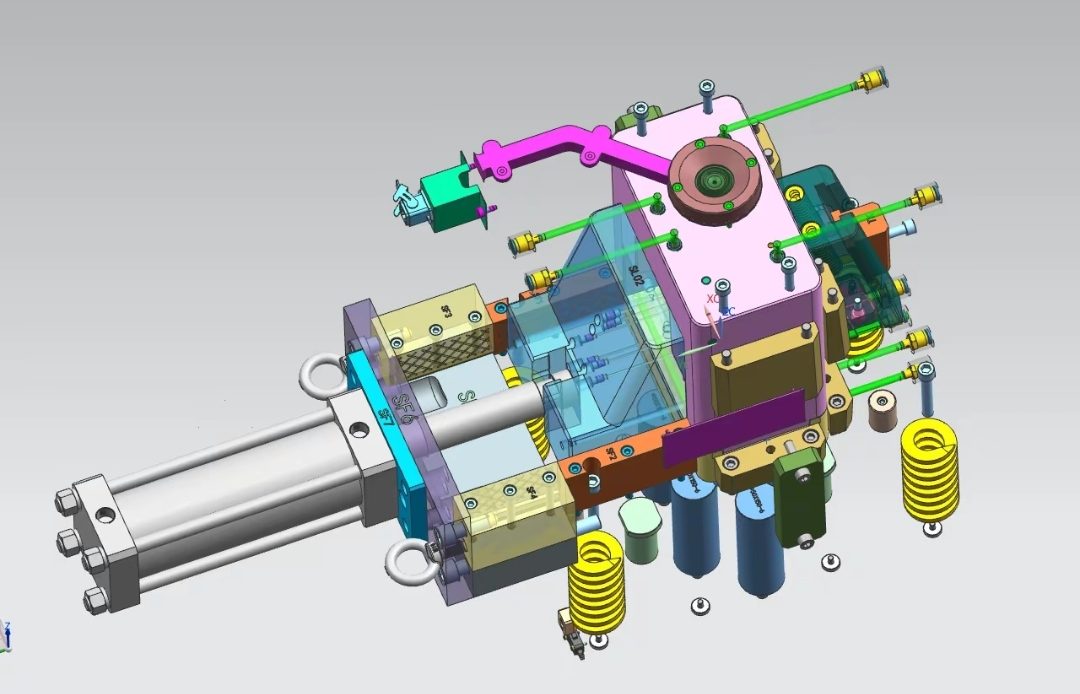
Neglecting DFM for molds can result in a cascade of production issues. Defects may appear during the injection process, necessitating unplanned downtime for troubleshooting. Additionally, molds that do not account for the intricacies of part design might require excessive maintenance, further complicating the production schedule and driving up costs.
Moreover, DFM plays a preventive role; it shields against potential pitfalls that could lead to significant production interruptions. By investing time and resources into thorough DFM analysis, suppliers can circumvent unnecessary redesigns and modifications. This foresight is invaluable, particularly for custom injection molds, where bespoke solutions are paramount.
The absence of a comprehensive DFM approach often leads companies to encounter unforeseen costs and delays. Consequently, reliable DFM analysis is not just a preparatory step—it’s a critical strategic move to safeguard against inefficient mold operations. Understanding this reality shifts the role of DFM from a perceived part-focused task to an integral component ensuring mold excellence and long-term part reliability.
Belief Two: DFM Ensures Instant Production Quality
Many buy into the belief that Design for Manufacturability (DFM) analysis guarantees immediate production quality for plastic injection molds.
However, this oversimplifies the role of DFM, which is not a magic bullet for flawless production. Instead, DFM should be seen as a foundational step that needs alignment with the specific conditions of the production environment to truly drive quality outcomes.
To start, DFM analysis provides insights into potential production challenges, enabling a more informed mold design. Yet, its effectiveness hinges crucially on how well the mold’s design accommodates the realities of the production line it will eventually serve. This means considering the unique dynamics of every production environment—ranging from the specific types of injection molding machines used to the skill levels of operators running them. For instance, a mold optimized through DFM might still encounter issues if deployed in a facility with outdated equipment that cannot maintain consistent temperature controls or if operated by less experienced personnel who cannot identify adjustments needed during the process.
This leads us to the importance of what to look for in a supplier. When selecting a supplier, consider asking about the precision of their equipment and the expertise of their workforce. Injection mold operators must interpret DFM findings accurately and make real-time adjustments to the process when deviations occur. Thus, finding a competent operator is crucial for bridging DFM recommendations and their practical application on the shop floor.
Moreover, DFM analysis thrives on collaboration between the supplier and the buyer. Buyers must communicate their specific production conditions and quality expectations clearly, while suppliers need to incorporate this information into the DFM process. Successful DFM outcomes depend largely on this synergy. For instance, if a buyer can provide detailed insights into their production environment or operational constraints during mold design, the supplier can offer more tailored DFM solutions, thereby maximizing the chances of achieving the desired quality right from the initial runs.
In conclusion, while DFM analysis is an invaluable tool in mold design, it must interact effectively with the production environment, skilled operators, and collaborative communication to realize its full potential in ensuring production quality.
Belief Three: DFM Analysis is a One-Time Task
Contrary to popular belief, Design for Manufacturability (DFM) analysis is not a one-time task but an ongoing process throughout a mold’s lifecycle.
In the context of custom injection molds for plastic parts, continuous DFM reviews are crucial to maintain the efficacy and quality expected in high-demand industries like automotive and electronics. Material changes, for instance, inherently require revisiting DFM criteria. Each material brings its own set of thermal, mechanical, and flow properties which dictate different mold design and process parameters. This makes it essential to update the DFM analysis whenever a material substitution occurs.
Moreover, evolving part requirements often necessitate reconsideration of the mold design. As end-product specifications change—be it for performance improvements, regulatory compliance, or design updates—the mold must adapt accordingly. Without proactive DFM updates, these changes can lead to inadequate mold performance, reduced part quality, and potentially expensive rework or re-tooling.
Continual DFM assessments also act as a preventive measure. In industries where precision is crucial, such as the production of plastic air purifier parts, neglecting regular DFM evaluations could lead to long-term issues. For example, improper mold design may not become evident until defects start manifesting in large production batches. This proactive approach helps in identifying these latent issues early in the production cycle, thereby preventing costly disruptions downstream.
To illustrate, consider an instance where a mold designed for a plastic automotive component initially met all specifications. However, as the material was enhanced to improve the component’s thermal stability, the DFM analysis had to be revisited to accommodate the altered shrinkage rates and cooling times of the new material.
Therefore, maintaining a dynamic DFM practice ensures the mold design remains aligned with both material properties and part requirements, reducing the risk of defects and ensuring consistent quality. This ongoing reevaluation is vital for manufacturers who aim to stay adaptive and responsive to their clients’ evolving needs.
What to Verify Instead of Assuming About DFM
When approaching Design for Manufacturability (DFM) for plastic injection molds, verification is key.
Essential DFM features like wall thickness, draft angles, and venting should be scrutinized to ensure a robust mold design. Notably, wall thickness consistency prevents issues like warpage and sink marks. This verification ensures that the mold can produce parts of consistent quality, underlining the importance of proper DFM analysis.
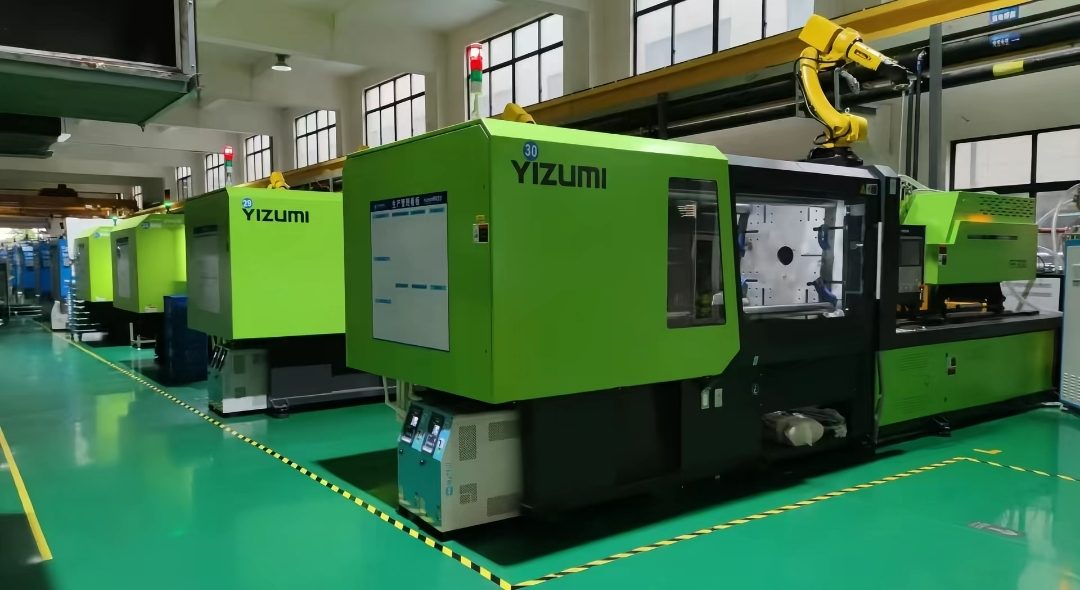
Buyers need to evaluate a supplier’s DFM analysis capability through several methods. One effective approach is reviewing past projects and understanding how the supplier implemented DFM principles. Inspect their ability to analyze part geometry against mold design limitations. This capability determines not only the success of the mold but also the efficiency of the production process.
To confirm DFM relevance, buyers must tailor inquiries to their specific applications. Engage in conversations about whether the supplier understands the unique challenges of your parts. This often involves discussing complexities like undercuts or rib structures. Ensuring that a DFM analysis aligns with specific materials and intended production volumes can save substantial costs down the line.
It’s also crucial to ask the right questions to guarantee comprehensive DFM. Questions like, “How do you account for potential defects in the design?” or “What methods do you use to ensure uniform wall thickness?” can provide insight into the supplier’s expertise. By inquiring about inspection standards, like whether they adhere to ISO 9001:2015, buyers can assess the rigor and reliability of the supplier’s processes.
Comparison of Mold Verification Metrics
| DFM Feature | Verification Method | Impact on Mold | Supplier Expertise Requirement |
|---|---|---|---|
| Wall Thickness | Simulation and Testing | Prevents warping and sink marks | High |
| Draft Angles | CAD Analysis | Ensures easy part ejection | Moderate |
| Venting | Flow Simulation | Aids in complete fill and gassing | High |
| Undercuts | Prototype Testing | Verifies feasible production | High |
| Rib Thickness | Inspection and Cross Section Analysis | Avoids sink marks and improper cooling | Moderate |
By following these steps to thoroughly verify DFM features, buyers can ensure the molds provided will meet their precise needs. This proactive approach not only reduces redesign costs but also enhances production efficiency, affirming the importance of a meticulous DFM process in mold design. For additional insights on supplier evaluation, refer to What to Consider When Choosing a Supplier for Injection Molded Plastic Parts in China.
Why These Findings Matter for Your Mold Choice
Understanding DFM analysis correctly is a cornerstone in selecting the right mold supplier.
When misconceptions are addressed, it steers you toward suppliers that prioritize efficient mold design over just end-product quality. Accurate DFM contributes significantly to mold efficiency and cost reduction, ensuring fewer redesigns and production interruptions. Engage proactively with suppliers about their DFM approach to choose one aligned with your specific production needs.
Frequently asked questions
What is the primary focus of DFM analysis?
DFM analysis primarily focuses on optimizing the design of an injection mold, ensuring it can produce the required parts efficiently and to specifications. It integrates considerations of material flow, cooling efficiency, and other factors affecting mold performance.
Why is DFM considered an ongoing process?
DFM is ongoing because factors like material changes and evolving part requirements can impact mold design. Continuous updates ensure the mold remains efficient and produces high-quality parts throughout its lifecycle.
Request a project review
Send the 3D model, 2D drawing, material requirements, annual volume and critical dimensions. The team will identify open technical questions before tooling is quoted.