“How do I choose the right plastic automotive components injection mold factory in China?” This is a question many sourcing managers ask. In today’s competitive market, selecting the appropriate supplier goes beyond just finding the cheapest option. It involves evaluating capabilities, understanding production lead times, and aligning with quality standards like ISO 9001:2015. Additionally, you must consider the factory’s experience with automotive components and its track record with customization and precision molding. Making an informed choice ensures that your automotive components can be produced to meet both your specifications and industry regulations effectively.
Key takeaways
- When selecting a mold factory in China for automotive components, evaluate the factory’s experience in automotive component mold manufacturing.
- The production capacity of a factory significantly affects lead times for plastic automotive component injection molds.
- Quality assurance in injection mold manufacturing for automotive components is a multifaceted process that demands precision.
- Several factors significantly influence the cost of injection molds for automotive components.
- Identifying a reliable factory for injection molds in the automotive sector hinges on several key factors that set outstanding suppliers apart.
What should I consider when choosing a mold factory in China?
When selecting a mold factory in China for automotive components, evaluate the factory’s experience in automotive component mold manufacturing.
Experience is a proxy for understanding the unique challenges related to automotive parts, like complex geometries and tight tolerances. By choosing a factory with a track record in similar projects, you reduce risks of errors in design and production phases.
Certifications, such as ISO 9001:2015, are critical indicators of a factory’s commitment to quality control standards. This certification ensures that the factory follows stringent quality management systems, reducing the likelihood of defects and ensuring consistent product quality. For automotive components, this consistency is essential to meet stringent safety and performance standards.
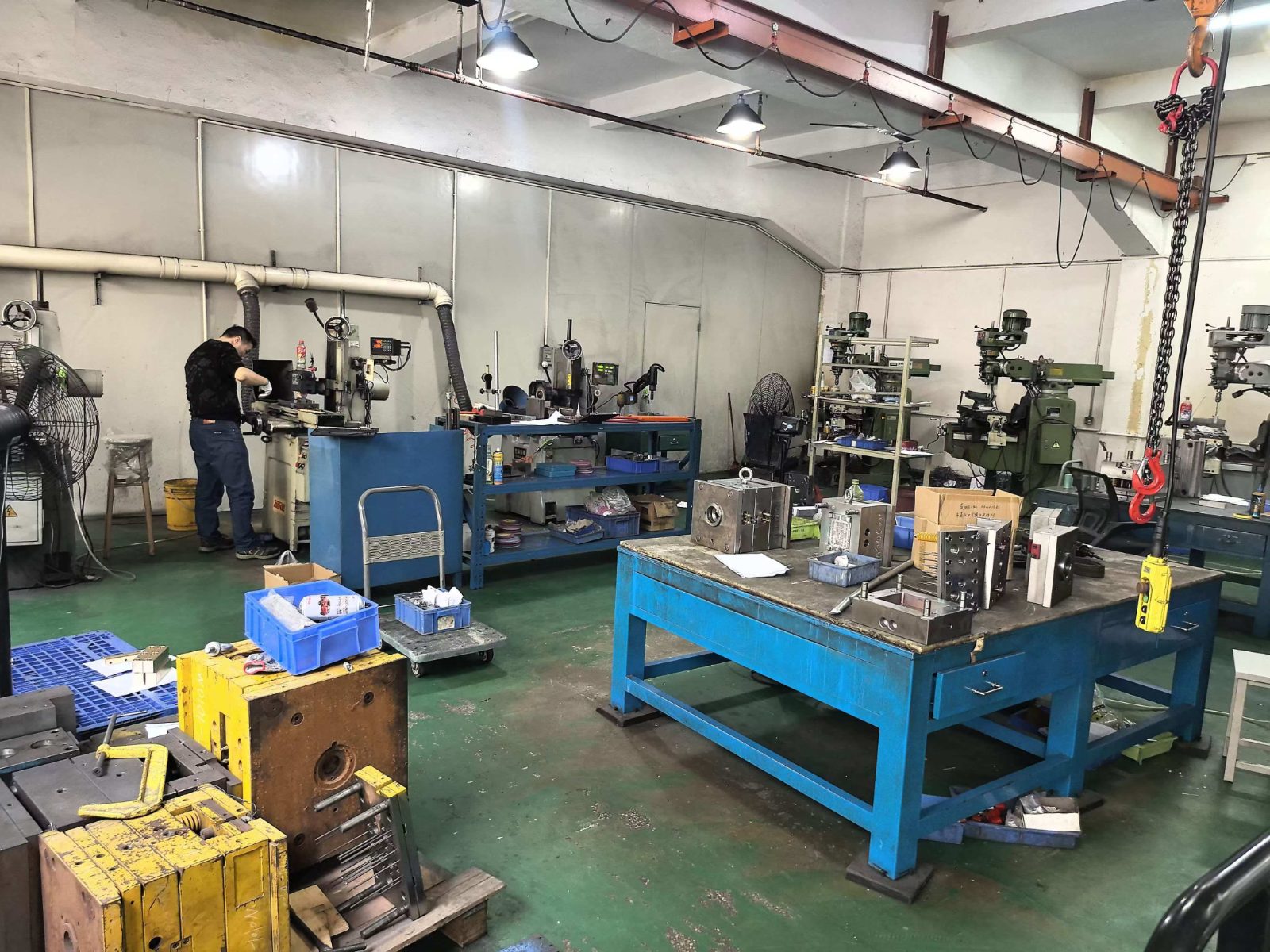
Assessing the factory’s customization and precision molding capabilities is also crucial. Customization needs often depend on the specific design requirements of the automotive components, which include fine details and technical specifications unique to each part. Check if the factory employs advanced CNC machining and EDM technology, as these are essential for achieving high precision in mold making.
Additionally, reviewing the factory’s portfolio of past automotive projects can provide insights into their ability to deliver complex molds. A comprehensive portfolio demonstrates not just experience but also versatility in managing various project scopes. It can provide peace of mind that the factory has handled similar designs and can adapt to new requirements efficiently.
Consider diving deeper into RFQ Checklist for Custom Injection Molds for Plastic Automotive Components to ensure you cover all bases when selecting a factory.
Evaluating these factors will guide you to a reliable partner, capable of delivering not just quality but also adherence to automotive industry standards, ensuring your project is executed smoothly.
How does the factory’s production capacity impact timelines?
The production capacity of a factory significantly affects lead times for plastic automotive component injection molds.
Lead times can fluctuate based on current demand and production load. In general, suppliers often promise a faster turnaround by maximizing their plant operations. Buyers should consider the supplier’s ability to optimize workflow and manage projects on shorter schedules, provided there are no unusual demands or constraints.
Flexible scheduling becomes an essential tool in managing urgent projects. A high-capacity operation often supports multiple shifts, allowing for continuous manufacturing without downtime. This flexibility helps in accommodating rush orders while maintaining commitments to existing projects. For companies dealing with fluctuating market demands, the factory’s ability to quickly adjust its production schedules without sacrificing quality or increasing costs becomes an essential asset.
However, it is crucial for buyers to ensure that their supplier can truly handle high-volume orders without delays. Not all high-capacity operations can maintain consistent delivery times, especially during peak periods. When potential buyers assess a supplier’s plant operations, they should verify if the factory’s multi-shift schedule is consistently efficient. By understanding the factory’s actual capacity and reviewing past performance on large projects, buyers can better gauge potential timelines.
For brands seeking reliable mold production within compressed timelines, reviewing a supplier’s past performance and adjusting expectations accordingly is imperative. Using the high output capabilities of a facility like that of YIOT for Custom Injection molds for plastic automotive components for brands, one can secure a smoother production path by aligning with these operational details. This foresight helps in mitigating risks associated with unexpected delays, optimizing your supply chain effectively.
What are the quality assurance measures to look for?
Quality assurance in injection mold manufacturing for automotive components is a multifaceted process that demands precision.
Inspection procedures must be stringent and methodical. One essential measure is the verification of inspection and testing procedures. These procedures include dimensional inspection of molds and plastic parts, ensuring that they conform precisely to customer drawings and specifications. Such inspections prevent defects and ensure mold reliability.
Precision in mold design is another critical factor. Accurate design minimizes defects during production runs. By incorporating factors such as dimension tolerances and material flow analysis during the design phase, manufacturers can significantly reduce downstream production issues. Advanced software plays a pivotal role here, simulating mold performance under various conditions. These simulations can identify potential weak spots or design flaws before the mold is even created, saving both time and expense.
Material assessment is important in quality assurance. The choice of materials in mold fabrication influences not just the durability of the mold but also its performance. Using certified materials ensures that the mold can withstand the rigorous demands of automotive component production — from high temperatures to repetitive stress over thousands of cycles.
Checklist for Quality Assurance in Mold Manufacturing
| Inspection Procedure | Testing Standards | Defect Rate | Material Certification |
|---|---|---|---|
| Surface Finish Check | ASTM D2564 | ≤1.0% | High-Grade Alloys |
| Tolerance Verification | ASTM D638 | ≤0.3% | Verified Source |
| Flow Analysis Testing | Internal Protocols | ≤0.2% | Supplier Documentation |
Implementing such quality assurance measures elevates the reliability and performance of injection molds, building confidence in their application for automotive components.
What can influence the cost of injection molds?
Several factors significantly influence the cost of injection molds for automotive components.
A major consideration is the type of mold being used—whether it is custom or off-the-shelf. Custom molds are designed specifically for a product, meaning they offer precise fits and accommodate specific features. However, this customization often results in higher costs compared to off-the-shelf molds, which are standardized and may not meet all design requirements without modification. For a more detailed examination of these options, see our guide on When to Choose Custom vs. Off-the-Shelf Plastics Injection Molds for Automotive Components.
The complexity and size of the mold also play critical roles in cost estimation. A mold with intricate designs or multiple moving parts typically requires more engineering time and specialized machinery, driving up both the design and manufacturing costs. Larger molds used for big components like automotive dashboards or interior parts incur additional costs due to more substantial material usage and extended machining times.
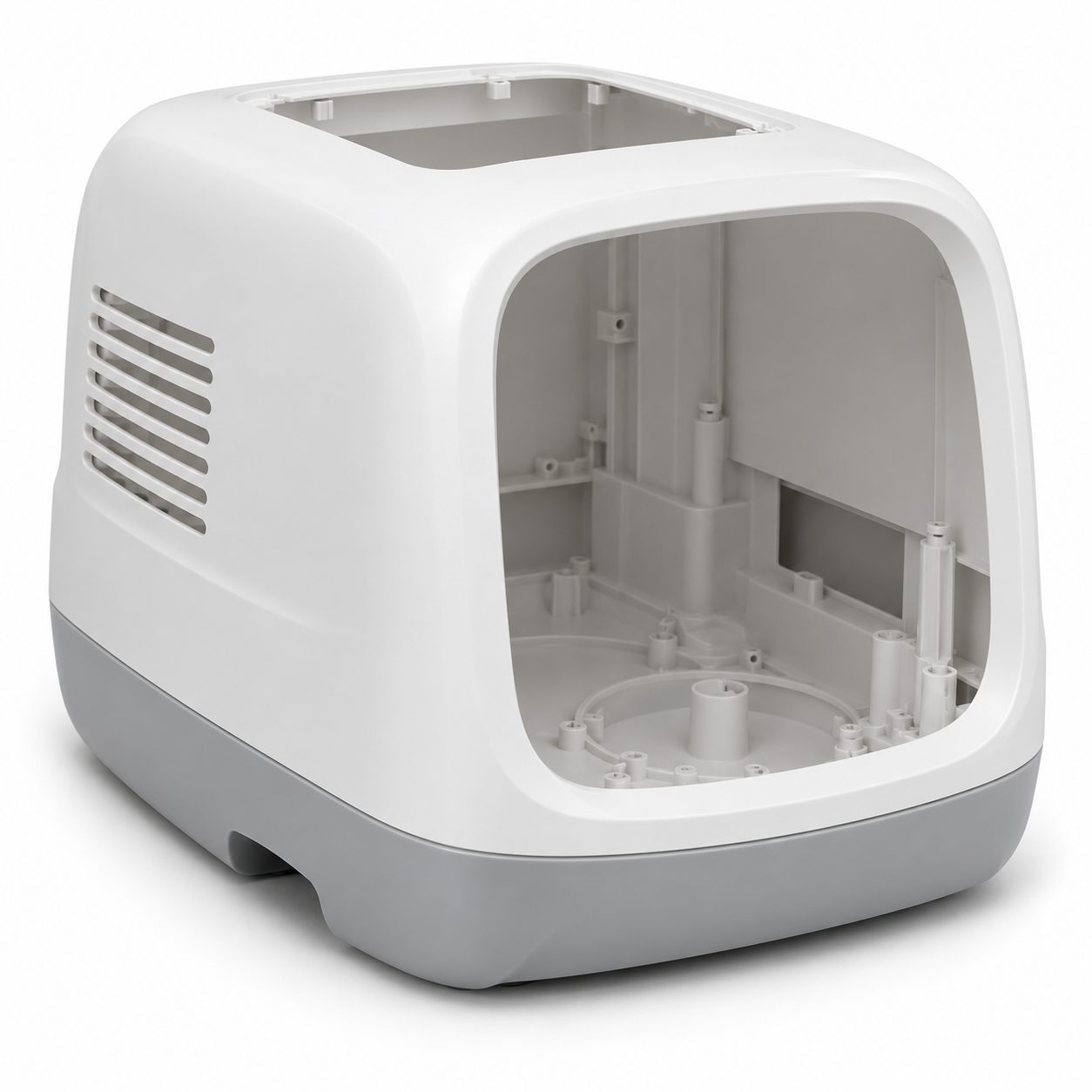
Material selection further influences the mold cost. The choice of metal for the mold itself, such as tool steel or aluminum, impacts the total expense. Tool steel, offering durability and resistance to wear, is preferred for long production runs but is more expensive upfront than aluminum. Conversely, aluminum molds are commonly utilized for prototype applications where cost savings are prioritized over longevity.
Each of these elements—customization, complexity, size, and material choice—must be weighed carefully to optimize mold costs while meeting quality expectations. Understanding these cost drivers allows OEMs and ODMs to make informed decisions when selecting a mold factory, ensuring both efficiency and performance in their automotive component production.
What differentiates a reliable factory from others?
Identifying a reliable factory for injection molds in the automotive sector hinges on several key factors that set outstanding suppliers apart.
The first crucial element is experience and a proven track record within the industry. A factory with years of specialization in producing molds for automotive components demonstrates not only expertise but also a deep understanding of the specific challenges and quality requirements inherent to this sector. For instance, factories like Yiot Technology Co., Ltd. leverage their knowledge in crafting Custom Injection Molds for Plastic Automotive Dashboard Components to meet precise specifications and standards.
Another significant factor is the feedback from past clients or documented case studies. A factory’s history with other automotive clients provides a tangible measure of its capability to meet rigorous standards. Positive testimonials and case studies can illustrate how a factory has previously solved complex design challenges, adhered to deadlines, or maintained quality under pressure.
Equally imperative is the factory’s adherence to international quality and safety standards. Certification to ISO 9001:2015, for example, is a direct indicator of a factory’s dedication to maintaining a structured quality management system. This certification assures buyers that the factory continually optimizes its processes and ensures consistency across production runs.
In-house capabilities for end-to-end mold production further distinguish a reliable factory. From design and prototyping to the actual mold fabrication and quality testing, having all these processes under one roof provides better control over quality and timelines. It minimizes the risk of delays and ensures that every step adheres to the necessary specifications.
Frequently asked questions
What size runs can an injection mold factory handle effectively?
A factory’s efficiency in handling different run sizes largely depends on their equipment setup and production capabilities. When choosing a supplier, inquire about their ability to manage both short and long production runs. Ensure that they have the flexible manufacturing systems and diverse equipment lineup needed to maintain consistency and quality, regardless of order size.
How do I assess the design capabilities of a factory?
Assessing a factory’s design capabilities involves evaluating their DFM (Design for Manufacturability) processes and software proficiency. When selecting a supplier, inquire if they use advanced CAD and simulation tools to optimize material usage and enhance part functionality. Additionally, understanding how a factory collaborates with clients during the design phase can indicate their ability to meet complex engineering requirements.
What role does prototyping play in selecting an injection mold factory?
Prototyping is crucial as it allows for early detection of design flaws and functional issues before full-scale production. Many factories offer prototyping services, using rapid tooling or 3D printing to create preliminary versions of a mold. These prototypes enable clients to make crucial modifications beforehand, reducing costly errors once the mold is finalized.
How can I ensure the factory uses quality materials for mold fabrication?
Verifying material quality requires checking the factory’s sourcing and quality assurance practices. It’s advisable to request detailed documentation on materials used for transparency and assurance.
What are the shipping and export compliance factors to consider?
Shipping logistics and export compliance are integral, especially when dealing with international suppliers. Ensure the factory is adept at handling customs documentation and international shipping protocols. A factory with established logistics expertise will ensure timely delivery and adherence to local and international trade regulations, minimizing risk.
Ensuring a Successful Partnership with Your Chosen Factory
Effective communication and mutual understanding are critical to ensuring a successful partnership with your injection mold factory.
Start by establishing clear project requirements and timelines, using detailed documentation and regular meetings. Next, verify the factory’s responsiveness to feedback and capability to address potential issues efficiently. Lastly, assess their problem-solving skills and flexibility when handling unforeseen challenges — the true measure of a reliable partner isn’t just in avoiding problems, but in effectively resolving them when they occur.
Frequently asked questions
Why is ISO 9001:2015 certification important for mold factories?
ISO 9001:2015 certification ensures that the factory follows internationally recognized quality management system standards. It means that the factory has established a consistent and reliable process for delivering quality products, reducing risks related to defects or delays.
How can a factory’s location affect sourcing decisions?
The location can impact logistical considerations such as shipping times and costs. A factory situated close to major transportation hubs may offer more cost-effective and faster shipping options than factories in more remote areas.
What role does past client feedback play in selecting a factory?
Past client feedback provides insights into the reliability and quality standards of the factory. Reputable factories usually have positive testimonials that highlight their strengths and areas of excellence, helping you make an informed choice.
What is the benefit of choosing a factory with in-house production capabilities?
In-house production capabilities ensure greater control over the entire manufacturing process, leading to improved quality, reduced turnaround times, and flexibility in responding to design changes or challenges that arise during production.
Request a project review
Send the 3D model, 2D drawing, material requirements, annual volume and critical dimensions. The team will identify open technical questions before tooling is quoted.