Selecting a plastic injection mold supplier in Shenzhen hinges on a few key numbers and metrics. Certification, as evidenced by ISO 9001:2015, guarantees quality management practices. Mold tolerances, often specified as per drawing, directly affect the precision of the final product. Lead times, which are typically confirmed against order schedules, determine delivery reliability. Additionally, the supplier’s capacity, frequently around 50,000 units/month, indicates their ability to meet volume demands. Recognizing these numbers is crucial; they not only influence production quality and timelines but also determine a supplier’s reliability. Assessing these metrics, therefore, arms you with the information needed to make a well-rounded decision. When evaluating potential partners, it’s vital to probe these figures deeply and understand how they align with your project needs. Consider these metrics as critical benchmarks to guide your supplier selection process.
Key takeaways
- In the competitive world of plastic injection molding, selecting the right supplier in Shenzhen can significantly impact product quality, cost, and project timelines.
- ISO 9001:2015 certification plays a critical role in ensuring quality management within any manufacturing process, particularly for industries demanding precision like plastic injection molding.
- Tolerances play a critical role in the injection molding process, directly impacting both the assembly of parts and their performance in practical applications.
- Successfully managing lead times is pivotal in plastic injection molding without sacrificing quality.
- When choosing a plastic injection mold supplier in Shenzhen, understanding their production capacity is crucial to ensure that they can meet your volume needs efficiently.
The Key Metrics that Determine Supplier Suitability
In the competitive world of plastic injection molding, selecting the right supplier in Shenzhen can significantly impact product quality, cost, and project timelines.
Several key metrics determine supplier suitability, with ISO 9001:2015 certification being paramount. This certification reassures buyers of a supplier’s commitment to consistent quality management systems, reducing defects and enhancing customer satisfaction. Suppliers with this certification demonstrate a structured approach to maintaining high standards, which is crucial for producing reliable plastic parts consistently.
Tolerances offered by a supplier also play a crucial role. Tolerances define the permissible limits of variation in a physical dimension, directly affecting the precision and reliability of the final product. A supplier that can adhere to tight tolerances ensures that parts fit and function correctly, which is essential for complex assemblies and high-stakes applications such as automotive or medical parts.
Lead time management practices are another significant consideration in Shenzhen’s fast-paced manufacturing environment. A supplier that effectively manages production slots against incoming orders provides a competitive advantage, offering predictability and reliability in scheduling. This capability helps avert costly project delays, particularly when accommodating both standard and expedited order timelines.
The supplier’s production capacity directly influences scalability and the ability to meet high-volume orders. A supplier with a robust capacity can handle large-scale productions without compromising quality, an essential factor for projects with tight timelines or fluctuating demand.
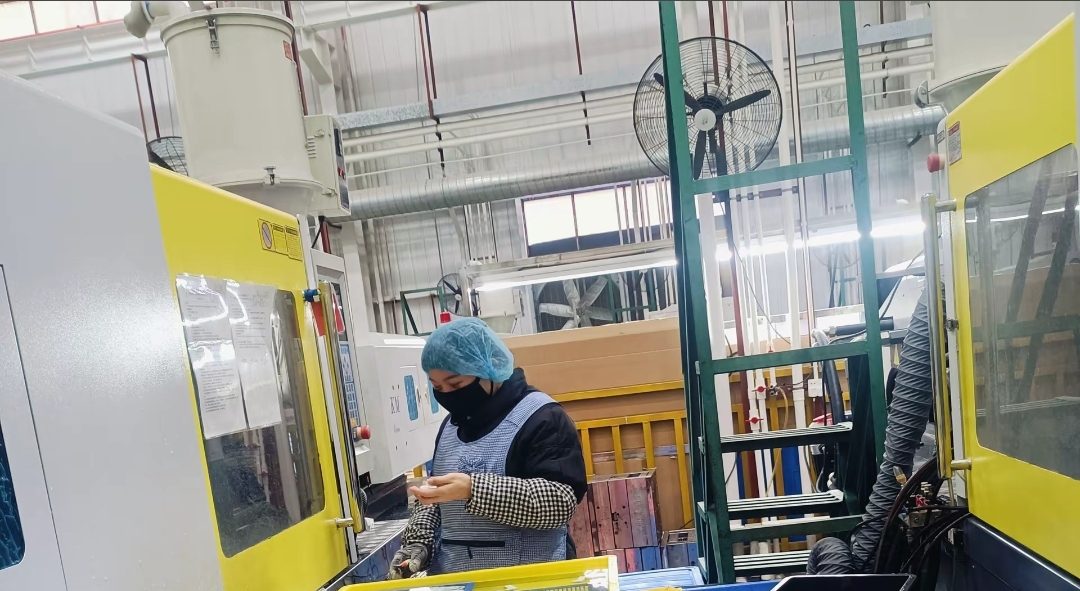
Dependability in communication and technical support rounds out these key metrics. Clear communication channels and robust technical support are vital for troubleshooting, rapid problem resolution, and ensuring that the production process runs smoothly.
Critical Supplier Metrics
| Metric | Typical Value/Standard | Significance |
|---|---|---|
| ISO 9001:2015 Certification | Yes | Ensures consistent quality management standards |
| Tolerances | Per drawing | Affects fit, function, and performance |
| Lead Time Management | Confirmed per order | Impacts project scheduling and predictability |
| Capacity | High volume readiness | Determines ability to scale for large orders |
| Communication & Support | Active channels | Key for troubleshooting and resolving issues |
A thorough evaluation of these metrics will help identify a supplier that aligns well with specific project requirements and expectations.
Understanding ISO 9001:2015 Certification Importance
ISO 9001:2015 certification plays a critical role in ensuring quality management within any manufacturing process, particularly for industries demanding precision like plastic injection molding.
This standard, recognized globally, stipulates requirements for a quality management system (QMS) that ensures products meet both customer and regulatory requirements. For plastic injection mold suppliers, meeting ISO 9001:2015 conditions demonstrates a commitment to maintaining consistent quality, thus reducing production errors. This certification is not merely a bureaucratic checkbox but a genuine mark of quality assurance.
Verification for ISO 9001:2015 entails a rigorous audit process, usually conducted by an external accreditation body. Suppliers must demonstrate adherence to the QMS standards, which include effective documentation practices, streamlined processes, and continuous improvement protocols. Auditors assess whether a supplier has implemented a sustainable system to support quality objectives, bridging intent with tangible outcomes in reducing defects and improving processes.
The impact of ISO 9001:2015 certification significantly reduces production errors in plastic injection molding by ensuring that quality checks and balances are integrated into every aspect of the operation. For example, by implementing feedback loops and continuous adjustments, suppliers can enhance their process efficiencies and align with customer specifications more precisely. Manufacturers adhering to ISO 9001:2015 often report fewer defects, troubleshooting opportunities, and waste, translating directly into cost savings and timely project completion.
Moreover, this certification plays a key role in boosting buyer confidence. Clients embarking on large-scale projects cannot afford risks associated with inconsistent product quality. Knowing their supplier holds an ISO 9001:2015 certification assures buyers of the capability and reliability to deliver on their commitments. Consequently, this can be a deciding factor in supplier selection, as Choosing a Custom Plastic Injection Mold Supplier in China illustrates.
Lastly, the correlation between ISO 9001:2015 certification and consistent quality outputs is direct. This standard compels suppliers to maintain rigorous attention to detail, from initial design to final production. With quality management integrated into everyday operations, certified companies can consistently deliver products that meet or exceed stringent customer requirements. This proactive stance not only aligns with client expectations but enhances the overall reputation of the supplier.
Precision Requirements: The Role of Tolerances
Tolerances play a critical role in the injection molding process, directly impacting both the assembly of parts and their performance in practical applications.
Defined as the permissible deviation from a specified dimension, tolerances ensure that parts fit together precisely as intended. In industries like automotive and electronics, where components must integrate seamlessly, the importance of adhering to strict tolerances cannot be overstated.
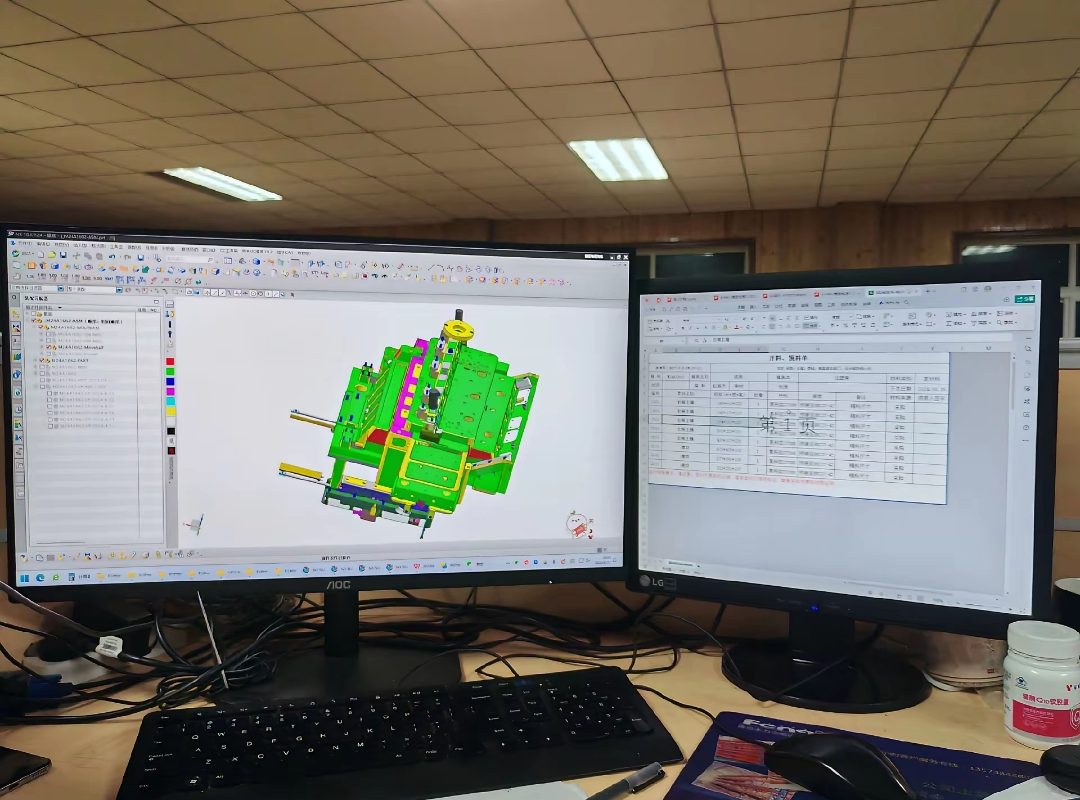
In standard injection molding applications, tolerances can vary significantly depending on the material and complexity of the mold design. Tolerances are typically measured in millimeters, with a common range being ±0.05 mm to ±0.1 mm for general plastics, though more demanding applications may require tighter controls. For instance, when manufacturing custom injection molds for complex geometries or large assemblies, a supplier’s ability to meet stringent tolerance requirements becomes a major consideration.
The effect of tolerances on product performance is multifaceted. Tight tolerances ensure that parts assemble smoothly without interference, reducing wear and ensuring product longevity. Conversely, tolerances that are too loose can result in poor fit, assembly issues, and even operational failure. Variations in tolerances across different mold types — whether single-cavity, multi-cavity, or family molds — can also lead to discrepancies in final product quality. Therefore, a supplier’s proficiency in tolerance management directly correlates with the overall quality and reliability of the output.
When assessing a supplier, prospective buyers should focus on several pivotal questions about tolerances: Can the supplier meet the exacting tolerances required by your specific application? What are the standard tolerances kept for each mold type in their facility? How do they control and monitor tolerances during production? It’s crucial to understand the supplier’s track record in managing tolerances across a range of projects, as this indicates their capability to uphold quality consistently.
Moreover, prospective buyers should seek detailed insights into the supplier’s experience with tolerance-specific issues and their resolution methods. Engaging with them early on, as exemplified in our service for Custom Injection Molds for Plastic Parts Created from Customer Drawings, helps ensure that the supplier can accommodate the precise requirements of your project. By focusing on these critical questions and details, buyers can make more informed decisions when selecting a supplier suited to their project’s distinctive needs.
Managing Lead Times Without Compromising Quality
Successfully managing lead times is pivotal in plastic injection molding without sacrificing quality.
In Shenzhen, confirming production slots against orders is a standard practice among reputable suppliers. Unlike a first-come, first-served scheduling approach, production slots are confirmed once an order is placed. This systematic allocation helps manufacturers plan resources more efficiently. Buyers must engage in transparent discussions with suppliers to secure specific production slots, which ensures that resources are optimally assigned to maintain quality standards.
Production slots significantly influence project scheduling. When a buyer places an order, the lead time—elapsed time between placing the order and delivery of completed molds—factors critically into project timelines. Delayed molds can peril project schedules, causing a cascade of time losses down the product development chain. Thus, understanding where a supplier stands in terms of lead time offerings can be a differentiator.
Lead Time Offerings: Standard vs. Rush
Lead time offerings typically break into standard and rush categories. Standard lead times are quoted when orders are placed with reasonable notice, suiting projects with more flexible timelines. These timelines align with suppliers’ regular production cycles, allowing them to allocate resources efficiently and adhere to stringent quality checks. On the other hand, rush lead time comes into play when buyers have limited timelines. While this speeds up delivery, it can come at an increased cost and potential compromises on quality if not managed correctly. Suppliers experienced in handling rush orders without cutting corners can mitigate these quality risks.
Suppliers employ various strategies to balance time pressures with quality assurance. One such strategy is buffering schedules with excess capacity to accommodate surges in demand or unforeseen delays. By maintaining a flexible schedule, companies can divert resources to pressing production runs without impacting quality. Moreover, integrating robust quality management systems ensures that quality checks coexist with accelerated timelines.
Best practices among Shenzhen suppliers include frequent communication and updates with buyers. Regular updates let buyers know how the schedule is holding up and whether adjustments might be necessary. Furthermore, investing in advanced scheduling software allows suppliers to update production timelines swiftly and allocate resources as needed, minimizing the impact of potential delays.
Ultimately, managing lead times without compromising quality necessitates strategic planning, open communication, and a proactive approach to potential disruptions. Suppliers in Shenzhen that can provide transparency, maintain agility, and employ rigorous quality management processes offer significant advantages to buyers needing precision plastic injection molds.
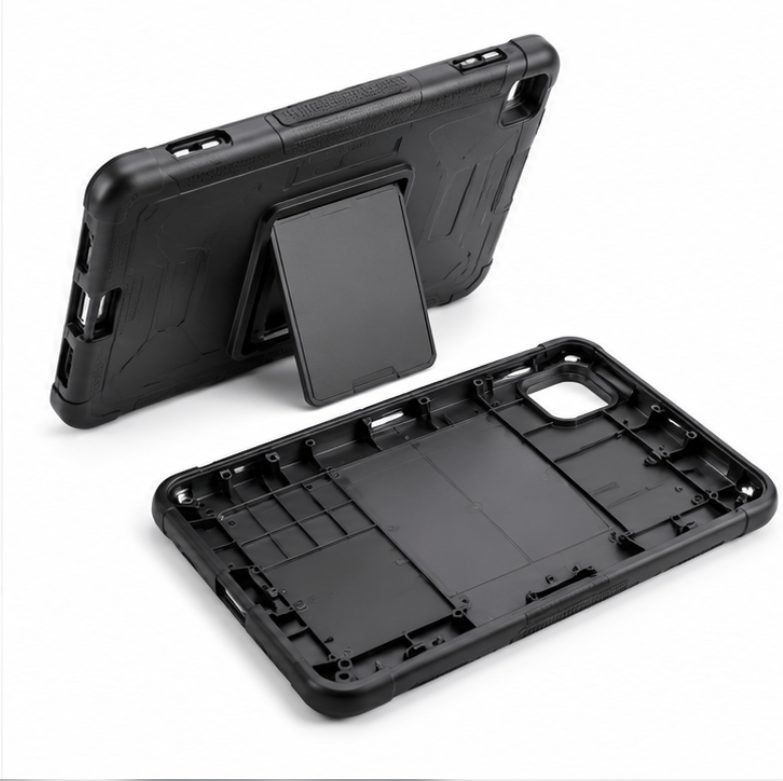
Production Capacity: Meeting Your Volume Needs
When choosing a plastic injection mold supplier in Shenzhen, understanding their production capacity is crucial to ensure that they can meet your volume needs efficiently.
Supplier capacity limits can directly affect your project’s scalability, particularly for large-scale orders. Therefore, recognizing how factors like machinery capabilities and recent developments influence this capacity is key.
Equipment and Machine Capabilities
A supplier’s equipment line-up, including the number and type of injection molding machines, defines their ability to handle large and complex orders. Typically, a well-equipped supplier will run multiple machines ranging from 50 to 1000 tons of clamping force, which determines the maximum size and complexity of parts they can produce. More machines and a range of sizes allow for greater flexibility and shorter lead times by distributing work across various setups, optimizing efficiency.
Upgrades in machinery and new technology implementation often increase production capacity. A supplier investing in modern machines with automated controls and quick mold change capabilities can drastically reduce downtime, thus increasing output. Therefore, it is beneficial to discuss with potential suppliers any recent upgrades or planned investments in their machinery.
Impact of Developments on Capacity
New developments or upgrades in technology can significantly influence a supplier’s capacity. High-grade materials, innovative molding techniques, and enhanced automation systems enable a supplier to increase production rates while maintaining precision and quality. For instance, upgrades in process control technologies can result in better handling of multi-cavity setups, thus maximizing output without sacrificing quality.
Additionally, these technological advancements can provide the ability to run multiple smaller lots simultaneously, thereby catering to a diverse range of customer orders without long interruptions. For buyers, this means a steadier supply and adaptive production scheduling according to demand fluctuations.
Discussing Capacity Upfront
Engaging in discussions about capacity early in the supplier evaluation process can reveal if a supplier is the right fit for your needs. Request specific figures regarding the number of units produced monthly or per batch, and understand how capacity might be affected by current workloads. It’s advisable to ask about their peak capacity periods and how they manage orders during these times.
By querying about their average annual upgrades or machinery overhauls, you can get a sense of whether they keep up with industry standards and technological advancements, hence ensuring continuous and reliable production flows.
Evaluating Supplier Capacity
| Capacity Indicator | Typical Value/Unit | Significance |
|---|---|---|
| Number of Machines | 20-50 units | More machines can split workload, optimize efficiency. |
| Clamping Force | 50-1000 tons | Determines part size and complexity manufacturable. |
| Pct. of Automated Processes | 60-80% | A higher percentage indicates efficiency and reduced errors. |
| Monthly Output | >50,000 parts | Reflects capability to meet high volume demands. |
| Equipment Uptime | >90% | High uptime suggests reliable and consistent supply. |
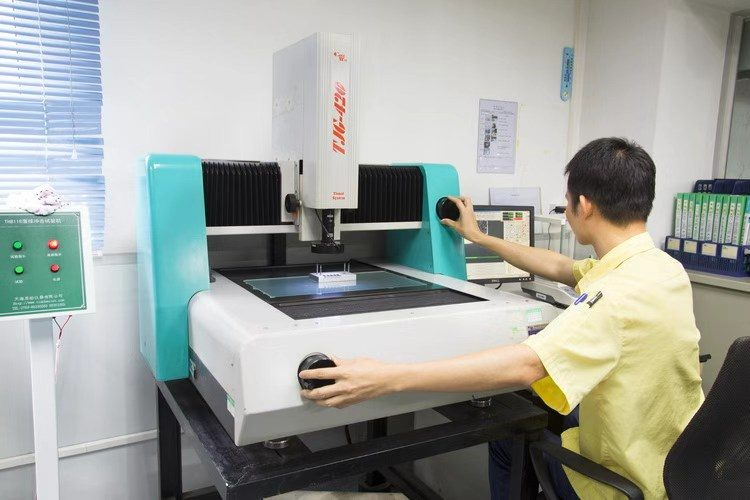
In conclusion, understanding a supplier’s production capacity in detail enables better alignment with your project’s requirements and timelines. It can prevent supply disruptions and ensure continuous product delivery even as order volumes scale.
The Often Overlooked: Technical Support and Communication
Clear communication and robust technical support are indispensable when selecting a plastic injection mold supplier in Shenzhen.
A supplier’s ability to maintain open, clear channels of communication ensures that projects run smoothly and expectations are aligned, reducing the risks of miscommunication that can lead to costly errors. For manufacturers, the effectiveness of these communication channels often dictates the success of product development and production timelines.
The Role of Clear Communication Channels
Establishing open lines of communication is critical in ensuring that project requirements are clearly understood. This involves not just passing information but also ensuring that there is feedback and dialogue. For instance, a supplier that regularly updates clients on project milestones, potential delays, or necessary adjustments showcases transparency and reliability. Conversely, inadequate communication can lead to misunderstandings, where critical specifications may be overlooked, resulting in defects or production delays.
Technical Support Capabilities and Their Importance
Suppliers boasting strong technical support often provide services extending beyond basic mold production. This support can include design consultation, troubleshooting during mold testing, and post-production assistance—all crucial for addressing unforeseen issues promptly. Imagine a scenario where a design flaw is discovered late in the manufacturing process. A supplier with robust technical support can rapidly suggest adjustments, minimizing downtime and resource wastage.
Risks of Poor Communication
When suppliers lack clear communication frameworks, it increases the risk of production errors. Misinterpretations of technical drawings, for example, can lead to discrepancies between the expected and actual products. Additionally, poor communication can obscure the transparency needed to identify production bottlenecks early, often resulting in delayed project timelines and increased costs.
Signs of Reliable Technical Support in Suppliers
Reliable suppliers often demonstrate high responsiveness to queries and concerns, providing not just immediate answers but also in-depth technical insights. This can be observed through their ability to tailor solutions specific to client needs, backed by evidence from previous projects. Effectively, signs of a supplier’s commitment to technical support include their historical project success rates, client testimonials, and a consistent track record of problem-solving.
By focusing on these essential aspects of technical support and communication, manufacturers can significantly mitigate risks and enhance the likelihood of successful project outcomes. When assessing potential suppliers, prioritize those who effectively communicate and provide comprehensive technical support to foster an efficient, productive partnership.
How to Analyze a Supplier’s Data Sheet
Analyzing a supplier’s data sheet can offer insights into their capabilities and reliability.
At its core, a detailed data sheet reflects a supplier’s transparency and the quality of their offerings. Look for comprehensive sections providing depth rather than surface-level information to ensure clear communication and set expectations accurately.
Key Sections to Look at
Supplier data sheets typically include sections on materials, performance data, and quality control methods. A well-prepared data sheet will clearly outline the resin grades used, processing temperatures, and mechanical properties relevant to specific applications. These details are essential for understanding how a supplier aligns with industry standards like ISO 9001:2015.
Data Sheet Critical Review
| Section | Typical Content | Considerations |
|---|---|---|
| Material Specification | Detailed resin grades and additives | Check for compatibility with specific applications |
| Performance Data | Mechanical properties, such as tensile strength | Compare values against industry standards |
| Processing Parameters | Injection molding settings, like temperature and pressure | Verify with the engineering requirements |
| Quality Control | Inspection methods and tolerance specification | Look for alignment with ISO standards |
Evaluating the performance data against industry standards helps assess the robustness of the supplier’s offerings. For example, tensile strength values should align with ASTM D638 specifications, ensuring parts meet the necessary durability requirements.
Understanding Supplier Transparency
A supplier’s data sheet is a reflection of their openness and willingness to share critical information. Superficial data sheets lack specifics, whereas detailed ones show a commitment to precision and accountability. For instance, the inclusion of tolerance levels and inspection techniques indicates thorough quality control processes.
Points to Compare with Industry Standards
Buyers must compare the supplier’s data sheet against recognized standards to ensure compatibility. For instance, if a data sheet lists ASTM D790 for flexural strength, check that the values meet required thresholds for your application. Without such specifics, making informed decisions becomes challenging.
In summary, proper analysis of a supplier’s data sheet is crucial. It enables you to make informed comparisons, ensuring alignment with your project’s technical requirements and industry standards.
Making Your Final Decision: Reviewing Your Project Needs
When making your final decision on a plastic injection mold supplier, start by ensuring their capabilities align with your project requirements.
Stick to key metrics like lead times, scalability, and quality assurance. Verify their claims through certifications and past performance. Engage with them via a trial order to validate their promises and assess ongoing service potential. For long-term partnerships, evaluate how they handle complex projects and emerging needs.
Frequently asked questions
What is the typical lead time for plastic injection molds?
Lead times vary, but they are usually confirmed against order schedules. It’s crucial to discuss these in detail with potential suppliers to align expectations with delivery capabilities.
Why is ISO 9001:2015 certification important?
ISO 9001:2015 ensures a supplier follows standardized quality management processes, reducing errors and increasing reliability. This certification builds buyer confidence in consistent quality outputs.
How do I evaluate a supplier’s capacity?
Evaluate capacity by assessing the supplier’s maximum output, equipment capabilities, and ability to scale. It’s important to match your volume needs with supplier capabilities, especially for large-scale projects.
Request a project review
Send the 3D model, 2D drawing, material requirements, annual volume and critical dimensions. The team will identify open technical questions before tooling is quoted.