
When an OEM approached Yiot Technology Co., Ltd. with a request for high-precision custom injection molds for medical device housings, they faced considerable challenges. The customer had previously encountered inconsistent dimensions and poor surface finishes due to improper mold design and inferior tooling. With potential risks including delayed product launches and compromised regulatory compliance, it was crucial to address these issues. Yiot Technology Co., Ltd., leveraging ISO 9001:2015 standards and advanced CNC machining capabilities, tackled this head-on by analyzing the design and ensuring dimensional accuracy through comprehensive testing. Here, we highlight critical mistakes in precision injection molding and how to avoid them, ultimately ensuring high-quality outcomes for medical device housing projects.
Key takeaways
- The OEM’s requirement was for high-precision custom injection molds designed specifically for medical device housings.
- When dealing with custom injection molds for medical device housings, a variety of high-stakes factors come into play that demand utmost precision.
- Addressing the challenges in precision custom injection molding for plastic medical device housings required a multifaceted approach to ensure quality and compliance with stringent industry standards.
- Achieving dimensional accuracy within tight tolerances was a critical target.
- Diving into the realm of precision injection molding for medical device housings demands more than just expertise in mold-making.
The Initial Situation and Challenges
The OEM’s requirement was for high-precision custom injection molds designed specifically for medical device housings.
Achieving consistent quality in these molds was non-negotiable, owing to the critical nature of the application in medical environments. However, the previous mold designs led to significant complications that compromised quality standards. Frequent inconsistencies in dimensions and surface finishes emerged as a daunting challenge. Components were being produced with unexpected variations that left them unsatisfactory for medical use, necessitating urgent corrective measures.
Initial attempts to manage these issues failed due to several factors, primarily attributed to the design stage. Design flaws became apparent early in the discussions, highlighting weaknesses in the mold construction. These flaws introduced variability that could not be tolerated in precision medical equipment housings, where even minor discrepancies can have substantial downstream effects.
Potential risks entailed not only immediate costs but also broader impacts, such as project delays and compliance failures. Regulatory standards in the medical industry are uncompromising, and any deviation in dimensions or surface quality could lead to non-compliance, further delaying production schedules. Consequently, there was a significant risk of not only delayed time-to-market but also reputational damage, which could undermine trust with healthcare partners and end-users.
The challenges faced underscored the critical importance of addressing key issues at the design stage, where faults could be most effectively rectified. Adequate measures during this phase are essential to preclude errors that propagate through the production process, leading to costly rework and potentially compromising compliance with medical standards.
To mitigate these challenges, a comprehensive re-assessment of design and production processes was imperative. This solution would require meticulous attention to detail and precision engineering to align with the rigorous demands of the medical sector. With the right enhancements and adherence to stringent standards like ISO 9001:2015, the path toward achieving flawless utility and consistent quality outcomes was made clearer.
Understanding What’s At Stake
When dealing with custom injection molds for medical device housings, a variety of high-stakes factors come into play that demand utmost precision.
One significant concern is compliance with stringent regulatory bodies such as the FDA, as non-conformance can lead to dire consequences including hefty fines and product recalls. Meeting regulatory standards requires precise tooling and manufacturing processes to ensure product quality. Inaccuracies not only risk regulatory violations but also jeopardize patient safety—a paramount concern in the medical field.
Moreover, the implications of missing market launch timelines can be financially crippling. Medical device companies often operate within narrow windows for product release where early market entry can mean securing a leading edge against competitors. Delays caused by mold inaccuracies or rework can derail launch plans, leading to lost market opportunities and revenue.
The financial stakes extend further into the realms of reworking and potential production stoppages. Redoing mold configurations leads to increased operational costs, consuming both time and resources that could have been better allocated. When a mold does not meet the required precision, the downstream impact is severe; it necessitates adjustments, which in turn prolong production cycles and inflate costs.
Inconsistent product quality due to imprecision in tooling directly affects customer reputation. End-users depend on medical devices being dependable, consistent, and safe. A single batch of faulty products can not only result in customer dissatisfaction but also harm brand trust and loyalty. Ensuring the precision of injection molds is critical in safeguarding this reputation.
In essence, precise tooling is the linchpin in the manufacture of medical device housings. The intricacies involved—ranging from the compliance with medical standards to the financial impact and customer perception—underscore the critical need for accuracy throughout the molding process. The success of medical devices and the brand behind them heavily relies on the capability to maintain consistent precision in injection mold production.
Steps Taken to Address Challenges
Addressing the challenges in precision custom injection molding for plastic medical device housings required a multifaceted approach to ensure quality and compliance with stringent industry standards.
We began by conducting a thorough design review to pinpoint potential flaws. This early-stage DFM (Design for Manufacturability) analysis was crucial in preempting issues that could arise during the production process. It involved scrutinizing each element of the design to ensure optimal manufacturability, focusing on potential undercuts, draft angles, and wall thickness variations.
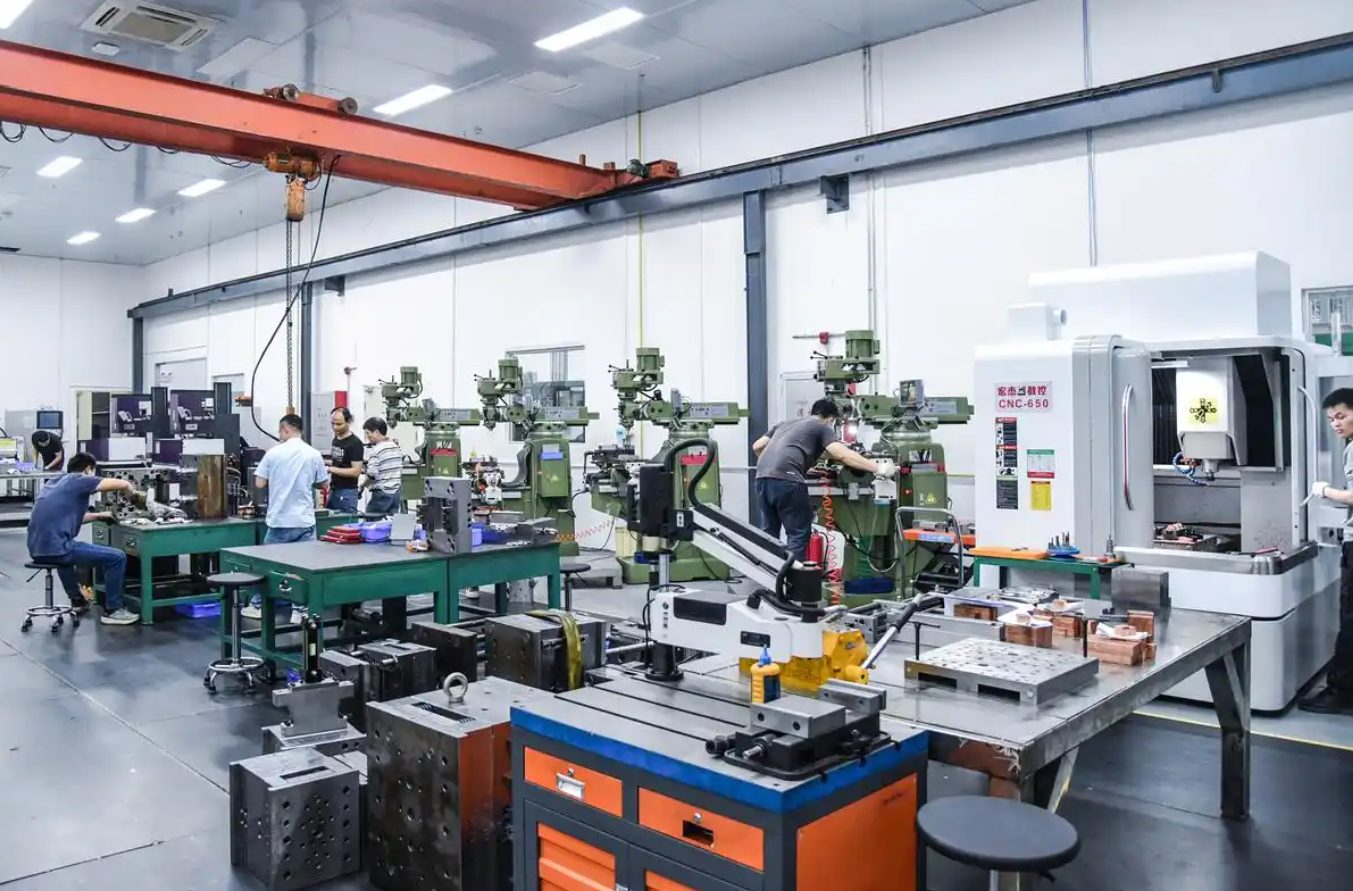
Precision machining played a key role in overcoming the challenges posed by the initial project design failures. We emphasized CNC and EDM machining to achieve the required tight tolerances and intricate shapes. CNC machining provided the precision needed for complex geometries, while EDM was utilized for intricate details and sharp edges that CNC alone might not achieve. This combination ensured that each component met the strict dimensional requirements necessary for medical device standards.
Implementing stringent quality checks at every stage was non-negotiable. To maintain high standards of quality and consistency, we adhered to ISO 9001:2015 — a benchmark for quality management systems. This involved routine inspections, employing statistical process control methods to monitor production, and ensuring immediate corrective actions if any deviations were detected.
Moreover, quality checks were reinforced with the integration of in-line tests, enabling real-time feedback during manufacturing. Any anomalies detected were addressed promptly to avoid batch defects.
Key Steps in Addressing Molding Challenges
| Step | Objective | Process Involved | Outcome |
|---|---|---|---|
| Design Review | Identify potential flaws | DFM analysis | Enhanced manufacturability |
| CNC and EDM Machining | Achieve precise dimensions | CNC, EDM | Precision tolerance and intricate details |
| Quality Checks | Ensure consistent quality | ISO 9001:2015 standards | Consistent high-quality output |
| In-line Testing | Immediate error detection | Real-time inspections | Reduced defect rates |
For further insights into optimizing mold design and overcoming similar challenges, consider exploring our approach to crafting custom injection molds for plastic medical equipment housings. The link provides valuable learnings on maintaining intricacy and reliability in complex medical device components.
Measurable Outcomes and Results
Achieving dimensional accuracy within tight tolerances was a critical target.
By implementing precision tooling and advanced engineering techniques, Yiot Technology Co., Ltd. was able to maintain dimensional accuracies as fine as ±0.01 mm in the production of medical device housings. This precision ensures that each component fits seamlessly with other parts and performs reliably under the exacting conditions typical of medical environments.

An improved surface finish was another significant outcome of the refined processes. Advanced milling techniques and post-molding surface treatments resulted in surface finishes as smooth as 0.8 Ra. This not only enhanced the aesthetic appeal of the plastic housings but also improved their functionality, as smoother surfaces contribute to easier cleaning and sterilization — a crucial factor for medical devices.
Optimizing these processes also had a marked impact on lead times. Through efficient process streamlining and strategic scheduling, YIOT reduced the delivery timelines by approximately 20%. Such time savings are critical for OEMs facing tight production schedules and market introduction deadlines, making a substantial difference in overall project management.
These process improvements yielded increased customer satisfaction, which was evident from the feedback and repeat orders received. The enhanced product quality, marked by consistent dimensional and aesthetic standards, supported long-term relationships with clients who require reliability above all else.
Enhanced compliance with industry standards and regulations is yet another key result, enabling YIOT to meet stringent medical industry standards. Adhering to ISO 9001:2015 certification processes ensured each step of production met high quality management criteria, reducing the risk of regulatory issues and ensuring the safe application of the products produced.
Overall, these measurable results underscore the importance of precision in custom injection molding for the medical sector, offering significant benefits not only in terms of product quality and compliance but also in business operations.
Learning from Success: How to Avoid These Mistakes
Diving into the realm of precision injection molding for medical device housings demands more than just expertise in mold-making.
Learning from past mistakes to refine future outcomes is crucial, especially when precision is non-negotiable. One of the primary strategies for attaining this level of precision is the emphasis on early-stage Design for Manufacturability (DFM) analysis. DFM helps identify potential design and manufacturing challenges before they snowball into significant issues. By analyzing the design for potential manufacturing pitfalls, we enhance efficiency and reduce costly errors down the line.
Regular updates and communication with the mold supplier are paramount. A transparent line of communication ensures that both parties are aligned on expectations and progress. Late-stage changes or misunderstandings often stem from insufficient communication, which can derail timelines and inflate costs. By maintaining a consistent dialogue, manufacturers can relay critical information, such as design changes or material updates, allowing the mold supplier to accommodate and adjust processes accordingly.
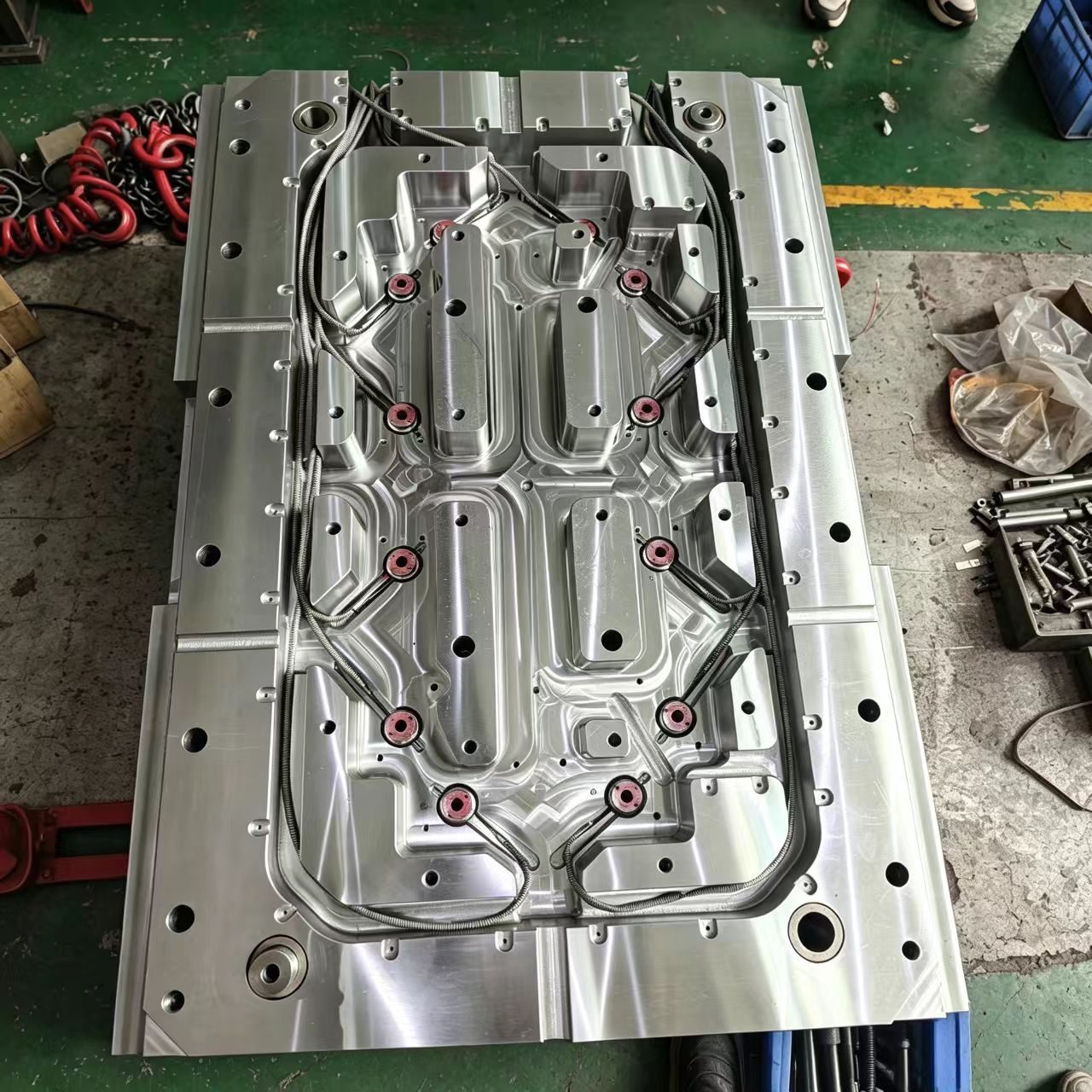
Investing in high-quality tooling and materials cannot be overstressed. High-caliber tools not only ensure superior part quality but also contribute to longer tool life and reduced downtime. Utilizing inferior materials often leads to frequent maintenance and unexpected breakdowns, disrupting the manufacturing schedule. Therefore, sourcing high-grade steel for molds and standardized components aligns with precision objectives, ultimately leading to fewer production hiccups.
Training teams on current technology and standards is another critical aspect. With technological advancements occurring at a brisk pace, staying updated on the latest best practices and compliance standards is non-negotiable. Ensuring that the team is well-versed in current machining techniques, software tools, and industry standards allows for smoother operations and fewer errors in production. Additionally, it safeguards the manufacturing process against compliance setbacks.
Lastly, considering past errors as learning opportunities for process improvement creates a culture of continuous improvement. Each misstep provides insight into potential vulnerabilities within the workflow. By conducting post-project reviews, companies can pinpoint exact areas for improvement, fostering a proactive environment where lessons from past projects bolster future endeavors. This mindset is crucial for maintaining a competitive edge in the precision-driven world of medical device molds.
Considerations for Your Next Project
To ensure a successful outcome in medical device housing projects, start by rigorously evaluating your supplier’s adherence to industry standards and their experience in crafting medical molds.
Design review processes are crucial; they help catch flaws early. Check for ISO 9001:2015 certification and robust quality management systems to safeguard compliance and precision. Clear communication of project goals and expectations with your supplier is key. Finally, anticipate potential risks and establish contingencies to keep timelines intact and avoid unexpected disruptions.
Frequently asked questions
What are the common pitfalls in medical device mold design?
Common pitfalls include neglecting detailed design reviews, ignoring DFM analysis, underestimating the importance of tooling precision, and not planning for regulatory compliance. Avoiding these pitfalls requires attention to detail and robust quality management.
How can I ensure consistent quality in injection-molded devices?
Ensure consistent quality by selecting suppliers with ISO 9001:2015 certification, investing in high-quality materials, focusing on precise machining technologies, and implementing stringent quality checks through each production phase.
Why is ISO 9001:2015 important for mold suppliers?
ISO 9001:2015 is a standard for quality management systems, providing assurance that a supplier follows international best practices. This certification indicates a commitment to consistent quality and continuous improvement, critical in medical device manufacturing.
Request a project review
Send the 3D model, 2D drawing, material requirements, annual volume and critical dimensions. The team will identify open technical questions before tooling is quoted.