
Mold flow analysis is indispensable in custom injection molding as it helps predict how molten plastic will fill the mold cavities. This understanding ensures not just a smoother production process but also higher quality parts with minimal defects. By pinpointing issues like air traps and weld lines before production, both time and materials can be saved. For any company or team working with injection molds, grasping mold flow dynamics is an absolute necessity, streamlining the path to viable, cost-effective designs.
Key takeaways
- Mold flow analysis is a pivotal step in the injection molding process, where software simulates the flow of molten plastic into a mold.
- Data collection. Mold flow analysis starts with a comprehensive dataset encompassing materials data, part geometry, processing parameters, and machine specifics.
- Mold flow analysis can provide actionable insights that may dictate critical design changes in plastic injection molding.
- Understanding mold flow analysis is critical for buyers because it directly influences the success and reliability of their custom injection molding projects.
- Prototype Testing. While mold flow analysis is an essential predictive tool, prototype testing remains crucial for validating simulation results.
The Role of Mold Flow Analysis
Mold flow analysis is a pivotal step in the injection molding process, where software simulates the flow of molten plastic into a mold.
This simulation helps predict the behavior of materials during the molding process, offering insights that can prevent costly production errors. By understanding the flow dynamics, engineers can foresee potential problems such as air traps, weld lines, or residual stresses that might not be apparent until production.
Mold flow analysis employs tools like Autodesk Moldflow or Solidworks Plastics to create a virtual replica of the injection process. These software solutions allow engineers to test different variables such as temperature, pressure, and material viscosity. This forecasting capability enables precise adjustments to mold design even before a single part is produced, thereby reducing trial-and-error in physical prototypes.
Understanding the potential for issues like air traps and weld lines is crucial. Weld lines, where two flow fronts meet, can lead to weak spots in a part. Meanwhile, air traps can cause voids or blemishes, affecting both strength and appearance. Mold flow analysis helps predict these issues, enabling engineers to adjust gate locations or venting strategies to mitigate them.
Material wastage is a common concern in injection molding. By optimizing the material flow and reducing defects, mold flow analysis significantly diminishes scrap rates. Improved flow efficiency not only conserves materials but also shortens cycle times, directly impacting the overall cost-effectiveness of production. By cutting unnecessary iterations, manufacturers can increase their throughput.
Key Benefits of Mold Flow Analysis
| Aspect | Issue Mitigated | Outcome | Importance Level |
|---|---|---|---|
| Temperature Control | Inconsistent Cooling | Uniform part quality | High |
| Pressure Adjustment | Air Traps | Reduced defects | Medium |
| Material Optimization | Excessive Wastage | Decreased material costs | High |
| Cycle Time Optimization | Long Production Time | Increased productivity | High |
| Gate Location Efficiency | Weak Weld Lines | Enhanced structural integrity | High |

The ability to simulate and adjust before production means that significant cost savings can be realized. For those interested in understanding more about optimizing mold designs, Yiot Technology Co., Ltd. recommends exploring our detailed guide on Navigating DFM Analysis for Injection Molds in China.
Focusing on Investigation Details
Data collection. Mold flow analysis starts with a comprehensive dataset encompassing materials data, part geometry, processing parameters, and machine specifics. Material properties like melt temperature, viscosity, and thermal conductivity are crucial for simulating flow behavior accurately. Additionally, information about gate location, runner size, and cooling channel design is vital to fully model the process, allowing for a predictive approach.
Simulation technologies. Advanced software tools such as Autodesk Moldflow, SIMULIA, and Moldex3D are commonly employed in this process. These platforms simulate the injection molding cycle, offering insights into potential issues in the flow path, like short shots or excessive pressure drops. Each tool leverages finite element analysis (FEA) to compute flow behaviors and heat transfer, ensuring simulations mirror real manufacturing conditions closely.
Insights derived. The primary insights from mold flow analysis include identifying potential areas where defects such as air traps, weld lines, or sinks may form. The reports detail pressure requirements, cooling uniformity, and cycle time optimization. Especially, they aid in pinpointing material viscosity changes over the fill phase, which significantly impacts fill uniformity and part quality.
Application to real-world adjustments. The results of mold flow analysis are not purely theoretical; they guide practical adjustments in the mold design and injection process parameters. For example, if simulations indicate a high likelihood of air traps, engineers might modify the gate design or adjust cooling times to enhance flow. Often, these analyses contribute to selecting suitable venting solutions or altering mold geometries to improve part quality and manufacturing efficiency.
By integrating the insights from mold flow analysis, manufacturers can preemptively address issues that keep molding processes running smoothly. Ultimately, this leads to fewer trial-and-error adjustments on the production line and a higher quality product, echoing the importance of thorough investigation in achieving optimal mold performance.
Adjustments Based on Analysis
Mold flow analysis can provide actionable insights that may dictate critical design changes in plastic injection molding. Common adjustments. These often include modifications to gate locations, adjusting wall thicknesses, and optimizing cooling channel designs. Such changes aim to enhance material flow, reduce the likelihood of weld lines, and ensure uniform cooling. The precision of these adjustments, backed by mold flow data, can dramatically improve the overall quality of the molded components.
Correcting for weld lines. Weld lines occur when separate flow fronts of the molten plastic meet and solidify, potentially weakening the structure. A strategic adjustment to address this is to alter the gate location or adjust the flow rate to ensure a smoother melding of the plastic fronts. Relocation of gates to more central positions, where multiple flow paths converge, often alleviates the formation of weld lines, bolstering the strength and aesthetic integrity of the part.
Managing shrinkage. Shrinkage, caused by the cooling and solidification of plastic, is another area corrected through mold flow analysis. It’s crucial to predict and accommodate shrinkage in the design phase to maintain dimensional accuracy. This might involve setting cooling rates that are uniform across the mold to ensure consistent shrinkage patterns. Often, adjustments in mold cavity sizes are implemented so that when shrinkage occurs, final dimensions remain within tolerance.
Balancing vent design and pressure settings. Vents play a critical role in allowing trapped air to escape during the injection process. However, balancing this with pressure settings is essential to prevent defects. Mold flow analysis pinpoints areas where venting is inadequate, allowing engineers to enhance vent design, thereby preventing air traps without compromising injection pressure. An optimal pressure balance ensures that the material fills the mold rapidly and entirely, leading to fewer defects and smoother surface finishes.
Impact on production efficiency. The cumulative impact of these adjustments is significant. Optimal gate placement, effective venting, and precise control of cooling and pressure not only improve the quality of the molded parts but also enhance the mold’s lifespan and cycle times. Faster cycle times result from improved material flow and reduced cooling times, directly translating to increased efficiency and reduced production costs. Mold flow analysis, thus, acts as a strategic lever to refine process controls, contributing significantly to the production of high-quality parts consistently and efficiently.
What Buyers Should Know
Understanding mold flow analysis is critical for buyers because it directly influences the success and reliability of their custom injection molding projects.
The process simulates how molten plastic fills the mold, allowing engineers to anticipate potential defects such as sink marks or air entrapment, and to make necessary adjustments before actual production begins. Buyers should consider incorporating insights from mold flow analysis into their project planning to minimize potential errors and improve product quality.
Questions to Ask Suppliers. When engaging with suppliers, buyers should inquire about the specific mold flow analysis techniques they employ. Ask about the software tools used—common ones include Moldflow or Moldex3D—and request to see sample analysis reports. This transparency ensures that suppliers are equipped with the latest technologies and possess the capability to predict and mitigate issues before production.
Real-world Implications for Time and Cost. Mold flow analysis can significantly affect project timelines and budgets. By catching potential problems early, it reduces the likelihood of expensive post-production fixes and delays. Consider a case study where a manufacturer discovered a potential short shot issue through mold flow simulation. Early detection prevented substantial rework and kept the project within budget. Projects that leverage thorough mold flow analysis typically experience fewer iterations during the troubleshooting phase, thus conserving both time and resources.
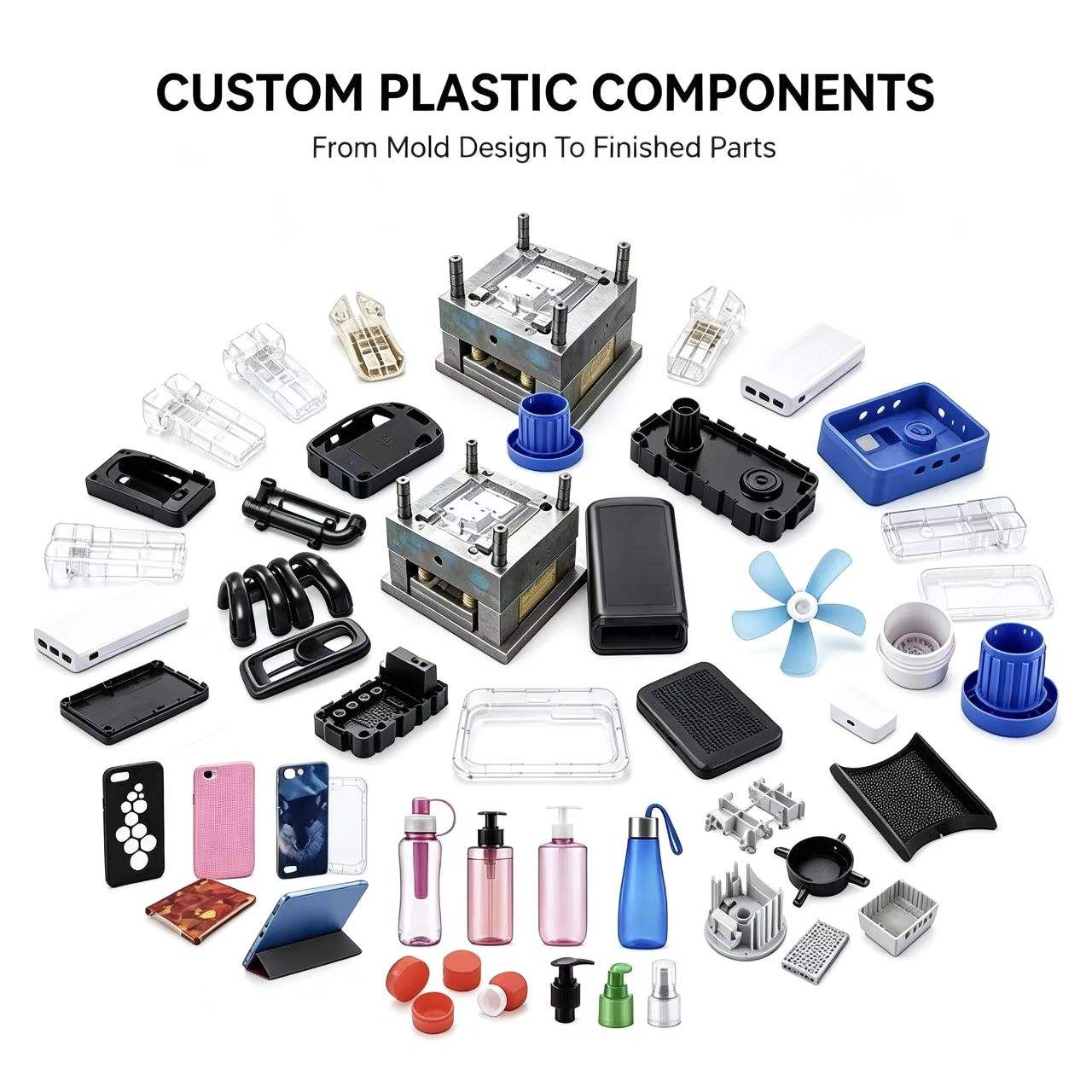
Case Studies of Mold Flow Significance. In one scenario, a manufacturer aimed to produce a complex automotive component with multiple cavity structures. Mold flow analysis identified improper venting and potential weld line problems that, if unresolved, would have jeopardized the part’s performance. Correcting these issues before mold fabrication saved the company logistical headaches and ensured the component met rigorous automotive standards. Buyers should take note that such proactive measures can be pivotal in project success.
For more on how customized mold solutions guide project scopes, see Custom injection molds for plastic parts for procurement teams. Knowing what to expect and what to ask about mold flow analysis can empower procurement teams to make better informed decisions, safeguarding both their budgets and timelines against unforeseen setbacks.
Why It’s Worth Double-Checking Simulation Results
Prototype Testing. While mold flow analysis is an essential predictive tool, prototype testing remains crucial for validating simulation results. Analysis provides a theoretical model, but real-world factors often introduce variables not captured digitally. Prototype testing enables engineers to observe these elements, test fit and function, and ultimately refine their designs before committing to full-scale production. It is advisable for buyers to ensure their suppliers conduct comprehensive test molding to avoid costly mistakes down the line.
Cross-Verification Methods. Practically, cross-verifying mold flow analysis findings involves a series of physical tests and visual inspections alongside the theoretical models. For example, comparing the warpage patterns from simulation with actual trial runs can reveal discrepancies that need addressing. Moreover, by employing computer-aided engineering (CAE) tools like dimensional metrology equipment, teams can measure deviations and assess how to align the digital and physical outcomes effectively.
Spotting Discrepancies. Discrepancies between simulations and production are not uncommon. Often, variations in material viscosity under real conditions differ from those predicted by simulations, leading to flow marks or weld line formation that might not have been anticipated. It’s details like these that prompt the necessity for post-simulation trials. Buyers should request their suppliers to conduct rigorous testing to detect any significant discrepancies early, as seen in industry scenarios where predicted shrinkage differs from actual warpage, necessitating iterative design refinements and troubleshooting.
Continuous Analysis and Feedback. Maintaining continuous analysis beyond the initial design phase is essential for ongoing improvement. Even with a validated prototype, production processes must adapt due to batch variability or incremental design tweaks. For instance, if a material supplier tweaks their resin formulation, it can change flow characteristics, necessitating re-evaluation of the mold design and process parameters. Buyers should ensure their suppliers have established feedback loops at each batch or shipment stage to maintain alignment between the production line and original design intent. This continuous monitoring and feedback ensure products meet spec consistently over time.
Keeping Your Project on Track
Staying on top of your project’s success hinges heavily on the insights gained through mold flow analysis.
Using this tool allows you to make ongoing improvements, as feedback constantly refines the process. Adopt new simulation technologies. As these evolve, they provide more accurate predictions and solutions, aligning with your desired outcomes. To keep your endeavor thriving, consider how often you review these analyses. Investigate how they can specifically enhance areas like efficiency and waste reduction in your project.
Frequently asked questions
What specific issues can mold flow analysis predict?
Mold flow analysis helps predict issues such as air traps, weld lines, and material flow imbalances. By identifying these potential problems, manufacturers can make informed adjustments, leading to enhanced product quality and reduced production time
How do I ensure my supplier uses effective mold flow analysis?
Inquire about the software and technologies your supplier employs for mold flow analysis and ask for examples or case studies of past projects where these analyses significantly improved the outcomes. It’s key to confirm their process matches industry best practices.
Request a project review
Send the 3D model, 2D drawing, material requirements, annual volume and critical dimensions. The team will identify open technical questions before tooling is quoted.