
In the realm of plastic parts manufacturing, maintaining a manufacturing tolerance of typically ±0.005 in (±0.127 mm) is critical. Many facilities in the area exemplify this excellence. The city’s manufacturers are renowned for their meticulous attention to detail—from the machining of components to final assembly. As a result, businesses relying on injection molds from this region benefit from heightened product quality and performance consistency. Mold assembly in Dongguan is not merely about meeting specifications; it’s about harnessing the nuanced interplay between precision engineering and industrial efficiency to deliver superior plastic components every time. Understanding these processes can significantly enhance the efficiency of your production line and the reliability of your product output.
Key takeaways
- In the world of injection mold assembly, understanding key figures is crucial to determining the precision and overall efficiency of the process.
- Machining tolerances significantly dictate the precision of injection molds and are a crucial number in mold assembly.
- Thermal management is crucial to the precision of mold assembly, yet often under-discussed.
- In the realm of precision mold assembly, the supplier’s data sheet serves as a vital document, outlining the capabilities and limitations of their mold-making process.
- Precision machining plays an indispensable role in ensuring high-quality mold assembly through meticulous attention to tolerance compatibility between components.
The Core Numbers That Define Precision
In the world of injection mold assembly, understanding key figures is crucial to determining the precision and overall efficiency of the process.
A standard machining tolerance of typically ±0.005 in (±0.127 mm) sets the baseline. This tight tolerance ensures that components fit together seamlessly, allowing for accurate assembly without causing stress or deformation.
The role of mold shrinkage allowance, another vital factor, cannot be understated. Mold makers must anticipate the typical material contraction—around ±0.002 in per inch (±0.05 mm/mm) — to ensure that every mold meets dimensional requirements once cooled. This requires precise calculations during the design stage to account for anticipated shrinkage, effectively bridging design intentions with actual part dimensions.
Consistency in part-to-part repeatability is crucial for maintaining quality across production runs. A variation of less than ±0.004 in (±0.1 mm) in repeatability ensures that molded parts not only meet specifications but also maintain uniformity, reducing the risk of costly defects in mass production.
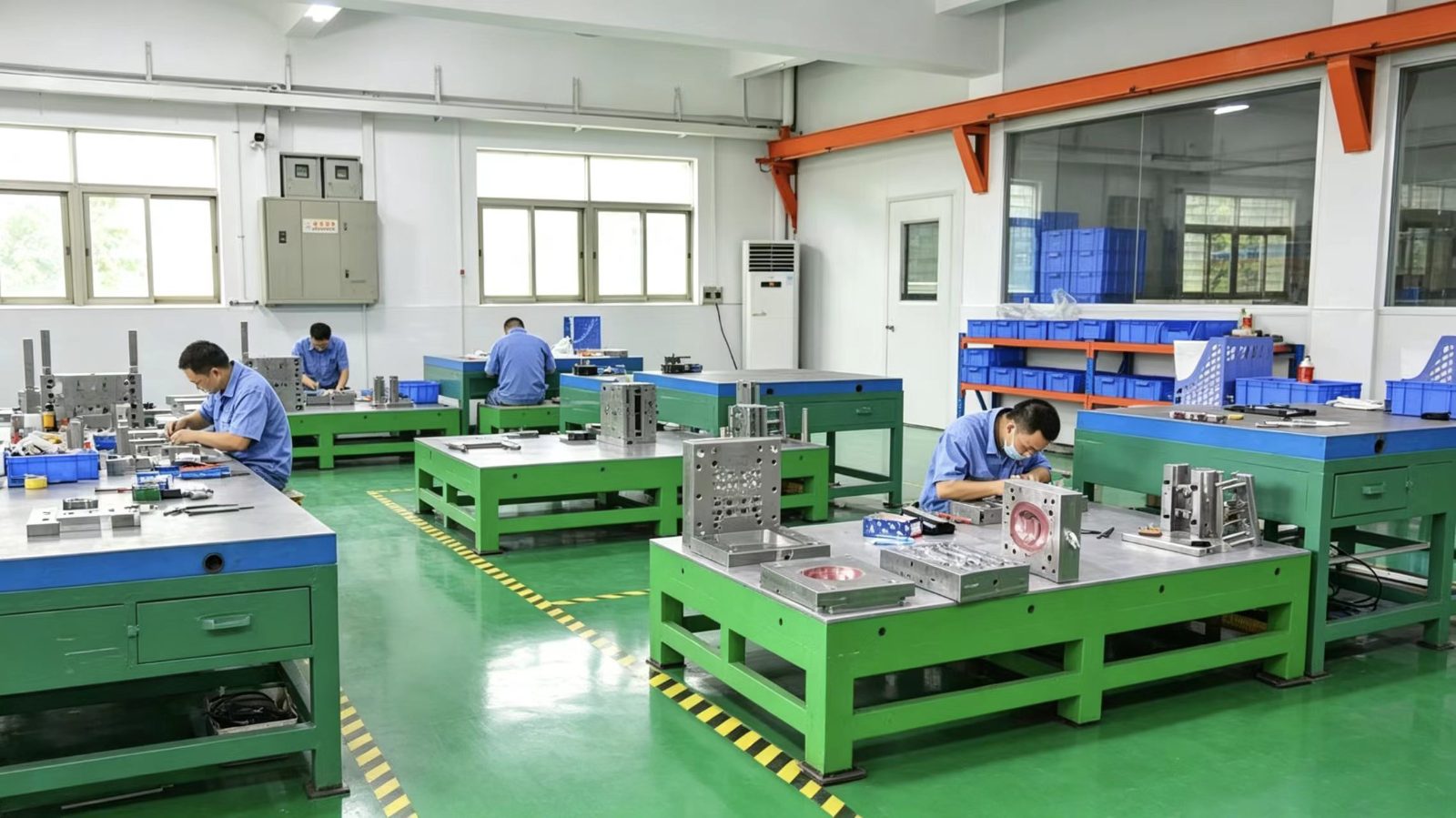
Tolerance stack-up is perhaps the most understated aspect influencing mold performance. Precision machining aims to minimize cumulative tolerance errors across assemblies. When all components work within their specified tolerances, the overall assembly functions more efficiently, enhancing the durability and reliability of the final product.
Key Precision Metrics
| Parameter | Typical Value | Why It Matters |
|---|---|---|
| Machining Tolerance | ±0.005 in (±0.127 mm) | Ensures fit and reduces deformation |
| Shrinkage Allowance | ±0.002 in/in (±0.05 mm/mm) | Anticipates contraction for dimensional accuracy |
| Repeatability | <±0.004 in (±0.1 mm) | Ensures uniformity and quality in parts across batches |
| Tolerance Stack-up | Minimized cumulative error | Enhances assembly durability and reliability |
Precision in injection mold assembly relies on managing these core numbers meticulously—from design through to production—to ensure each part performs as planned.
Breaking Down Each Critical Number
Machining tolerances significantly dictate the precision of injection molds and are a crucial number in mold assembly.
Typically, tolerances for injection mold components like ejector pins and cavity inserts are around ±0.005 inches (±0.127 mm), with tighter specifications for critical features. These tolerances are measured using coordinate measuring machines (CMM) which ensure each dimension is within the specified limits, contributing to consistent assembly and fit.
Shrinkage allowance is another critical number factored into mold design to compensate for the plastic material’s contraction when cooling. For most materials, this allowance ranges from 0.5% to 3.0%, depending on the polymer’s rate of contraction. Design engineers calculate and apply this allowance during the mold design process, ensuring that the final molded part meets the intended specifications.
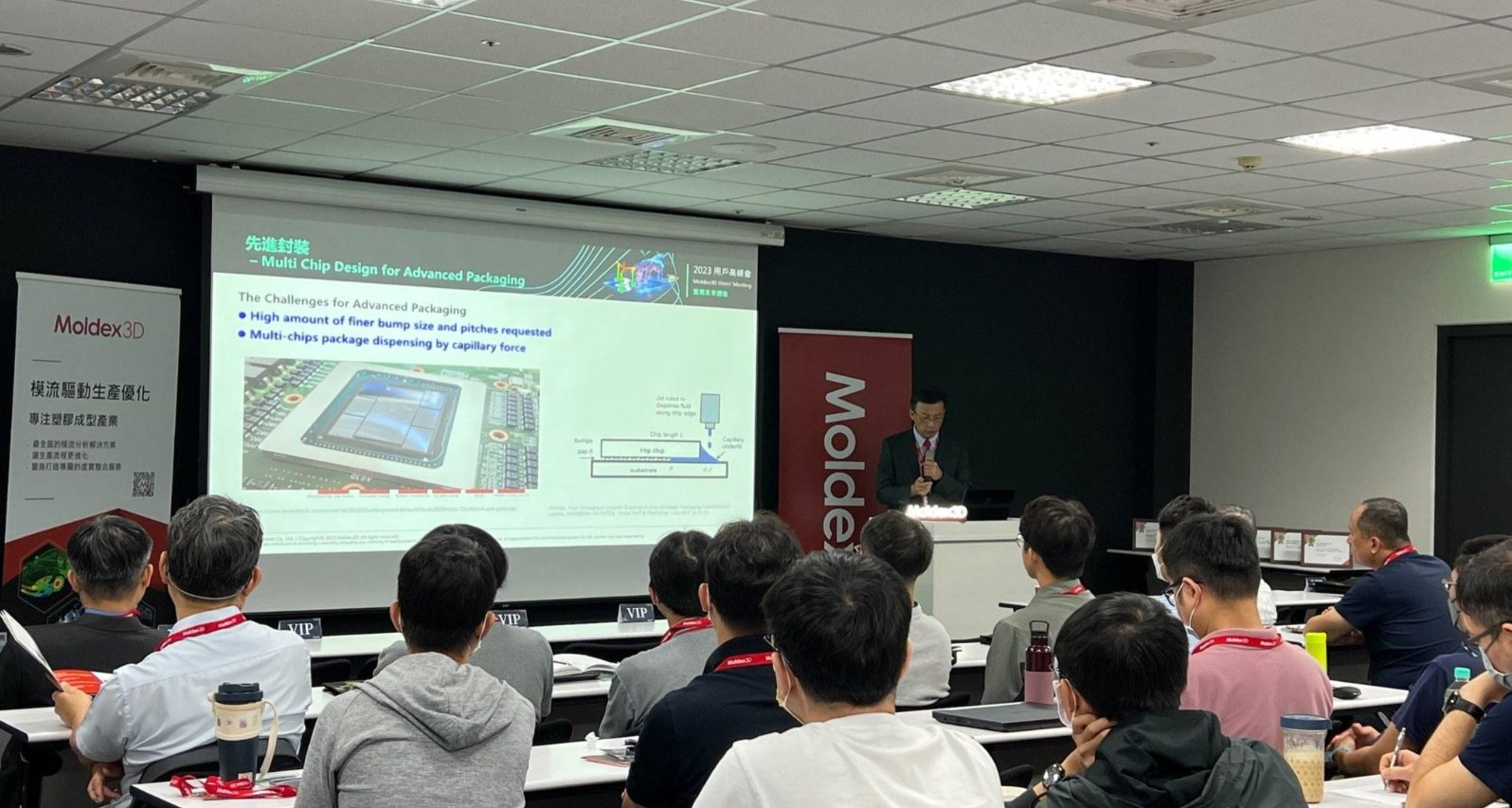
Part-to-part repeatability is a measure of consistency across multiple production cycles. Achieving a repeatability under ±0.004 inches (±0.1 mm) is standard, but it demands precision control of the molding process and stringent maintenance of tooling components. Regular inspection of mold components for wear and re-calibration of machinery are key methods in maintaining high repeatability.
Low tolerance stack-ups are essential for ensuring that assembled parts meet functional requirements. The stack-up refers to the total variation of several components that assemble together, and keeping this to a minimum is crucial. Advanced design software that simulates dimensional variation aids in predicting stack-ups during the design phase. Additionally, employing precision machining techniques minimizes individual component variations, thus reducing the overall tolerance stack-up in assemblies.
Understanding and controlling these critical numbers is vital for achieving precision and efficiency in injection mold assembly. Such scrutiny ensures that molds produce parts consistently meeting their design criteria, reducing waste and manufacturing costs.
The Overlooked Specification: Thermal Management
Thermal management is crucial to the precision of mold assembly, yet often under-discussed.
Optimal thermal regulation ensures molds maintain consistent temperatures, reducing dimensional variances, which is vital for achieving uniform, high-quality plastic parts. Poor thermal control, on the other hand, leads to unwanted discrepancies and defects like warping and sink marks. Mastery of thermal technologies therefore becomes indispensable in precise mold assembly.
Effective thermal management hinges on advanced technologies such as hot runner systems and mold temperature controllers. Hot runner systems, for instance, maintain the polymer’s molten state uniformly throughout the cavity, preventing premature solidification that can cause defects. These systems employ mineral-insulated heaters and thermocouples integrated into the mold design to maintain temperature stability.
Additionally, mold temperature controllers regulate the heat exchange between the oil or water circulating through the mold channels, keeping the temperature within a desired range. This stability is vital as even minor fluctuations, less than ±1°F (±0.5°C), could affect the mold’s performance and end-use part quality significantly.
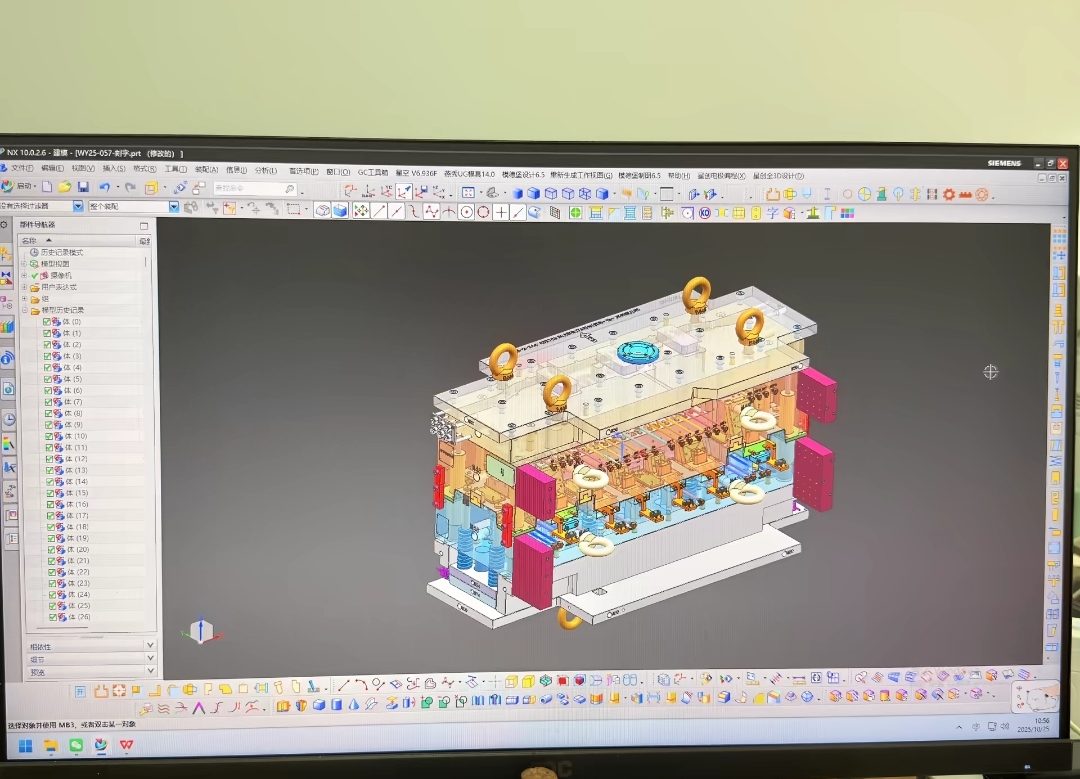
When vetting a supplier’s thermal management capabilities, it’s essential to ask about their experience with specific temperature control technologies and their track record in maintaining thermal consistency. Questions should cover the types of sensors and controllers used, their maintenance protocols, and how they ensure uniform temperature distribution across varying cycle times and production volumes.
Understanding these elements can significantly impact the success of a molding project. More insights are available in a linked article on the principles of hot runner temperature control.
In summary, efficient thermal management is not merely a technical detail but a defining factor for a supplier’s capability to produce defect-free parts consistently. By focusing on thermal regulation, buyers can ensure enhanced mold precision and efficient production processes.
Deciphering Supplier Data Sheets for Mold Specs
In the realm of precision mold assembly, the supplier’s data sheet serves as a vital document, outlining the capabilities and limitations of their mold-making process.
Understanding key specification terminologies is crucial for buyers to ensure accurate project planning and execution. Common terminologies you’ll encounter include mold base size, cavity configuration, and hot runner systems, each critical to defining the mold’s operational scope.
Material and component lists on a data sheet provide insights into the quality of the components used. For instance, a listing for steel might mention grades like P20 or H13, with each having distinct properties related to hardness and thermal conductivity. These elements impact the mold’s durability and efficiency under repeated cycles. Also, take note of component manufacturers; reputable brands often equate to higher quality and longer mold life.
When analyzing supplier-listed tolerances, it’s essential to gauge their adherence to standards such as ISO 1101 for geometrical product specifications. Typical tolerances for molds might hover around ±0.005 in for general features, but critical features may require tighter tolerances, such as ±0.002 in. Watch for how they accommodate shrinkage and repeatability, ensuring the consistency of mold accuracy across thousands of cycles.
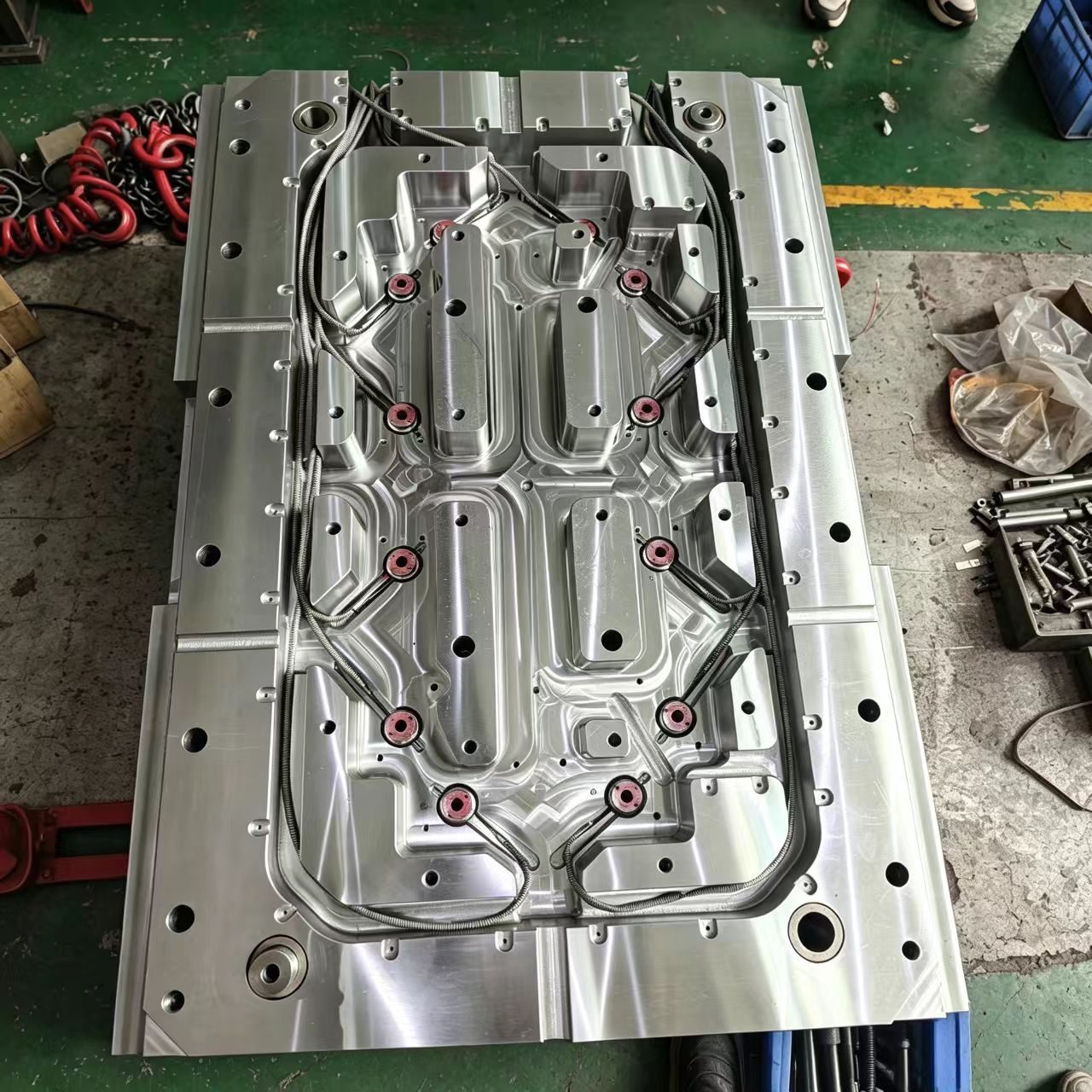
Recognizing red flags and inconsistencies in a data sheet is equally important. Look for discrepancies such as vague language or ambiguous specifications that could mask potential shortcomings. A data sheet that avoids specific tolerances or does not mention the methodology for trials and validation may signal a lack of transparency or technical rigor.
Ultimately, a thorough examination of a supplier’s data sheet is not just about numbers; it’s about verifying whether those numbers are genuinely reflective of the capabilities and precision required for your project. Interpreting these intricacies can mean the difference between a successful partnership and costly setbacks.
The Interface of Machining and Mold Assembly Tolerance
Precision machining plays an indispensable role in ensuring high-quality mold assembly through meticulous attention to tolerance compatibility between components.
In the realm of injection molding, mismatched tolerances can significantly impede performance. Precision in machining is often defined by the alignment of machining tolerances with those required for optimal mold assembly. Typically, machining tolerances of ±0.005 inches (±0.127 mm) are customary, with additional shrinkage allowances considered to accommodate the final form of the molded parts.
Effective mold assembly relies heavily on the compatibility of these machining tolerances across various components. When components are not manufactured to exact tolerances, it can cause misfits during assembly. These misalignments can lead to excessive wear, stress concentrations, and even complete part failure. This is why maintaining a stringent tolerance standard is critical for the functionality of the end product.
One strategy to enhance precision during assembly is to establish a clear communication channel between the machining and assembly teams. This collaboration can address potential discrepancies in tolerance budgets early on. Additionally, incorporating tolerance stack-up analysis during the design phase can predict and mitigate issues before they impact the assembly line.
Implementing precise inspection protocols and utilizing advanced measuring equipment such as coordinate measuring machines (CMMs) can further enhance assembly precision. By ensuring components meet the desired tolerances within the defined specifications, these techniques help achieve consistency and reliability in mold assembly.
Machining vs. Assembly Tolerances
| Aspect | Machining Tolerance | Assembly Implication |
|---|---|---|
| Component Fit | ±0.005 in (±0.127 mm) | Ensures seamless integration without misalignments |
| Surface Finish Precision | 0.1–0.8 Ra | Affects seal integrity and part aesthetics |
| Hole Alignment | ±0.003 in (±0.075 mm) | Critical for maintaining assembly precision |
| Thermal Expansion Allowance | Per drawing | Addresses shifts due to temperature variations |
| Consistency in Batch | ±0.004 in (±0.1 mm) | Crucial for maintaining uniformity across production batches |
Manufacturers focusing on these aspects of machining and mold assembly tolerances often achieve high reliability and minimized defects in their products, ultimately enhancing the efficiency of production processes.
Probing Buyer-Supplier Communication
Effective communication between buyers and suppliers significantly enhances mold assembly precision.
Early-stage collaboration ensures that both parties clearly understand the project’s specific requirements, such as material selection, designated tolerance levels, and intended application. Detailed discussions on these topics help prevent costly redesigns later and shorten the project timeline.
The first pitfall in communication often arises from vague specifications. Terms like “tight tolerance” without exact numbers lead to assumptions that may not align with the buyer’s expectations. Clarity here can only be achieved by stating quantifiable tolerances, material grades, and manufacturing processes. Buyers should prioritize sharing precise 3D CAD models, fully annotated 2D drawings, and all material specifications upfront. This practice minimizes discrepancies during mold development and promotes a smoother assembly phase.
Evaluating a supplier’s transparency and responsiveness is crucial. Reliable suppliers should provide detailed responses to inquiries about material compatibility, lead times, and production capacity. Slow or evasive communication should be considered red flags, potentially indicating deeper issues in order handling or capacity.
Equally important is assessing a supplier’s commitment to transparency during the quotation process. Suppliers should provide a breakdown of costs, outlining each stage of production and any potential additional charges. Critical data such as tolerance bands and potential mold fitting challenges should be communicated early, avoiding unexpected problems during assembly.
Finally, early-stage collaboration is indispensable in drafting project specifications that are mutually understood and agreed upon. This period should involve iterative assessment and validation of mold designs and prototypes. Engaging in frequent consultation sessions allows for real-time adjustments and ensures that final specifications are aligned with project goals.
For more guidance on evaluating supplier precision, see our Key considerations for evaluating precision.
Clear, precise communication sets the stage for successful mold assembly, turning initial concepts into precision-engineered products.
Choosing the Right Partner for Injection Molds
Selecting the right partner for injection mold assembly is crucial for achieving precision and efficiency.
The supplier’s capability to meet intricate specifications while maintaining consistent quality can significantly impact the final product. When evaluating potential suppliers, assess their industry expertise, the range of services offered, and their commitment to quality standards like ISO 9001:2015.
Deep Dive into Supplier Evaluation
A comprehensive evaluation involves examining a supplier’s capabilities and quality assurance processes. It’s important to scrutinize whether they can handle complex mold designs and high-volume production. Confirm that they use advanced technologies like CNC machining and EDM, critical for creating precision mold components. Moreover, their ability to perform dimensional inspections of molds and plastic parts is a key indicator of focus on quality.
Quality Assurance Processes
A supplier’s quality assurance measures are pivotal for ensuring that the molds perform reliably. Suppliers in Dongguan with robust quality management systems are likely to reduce part-to-part variability, enhancing overall product consistency. Verify if they follow documented inspection procedures covering everything from initial design validations to final production checks. The presence of certifications, such as ISO 9001:2015, indicates a commitment to maintaining high standards; however, always confirm these certifications align with your specific industry requirements.
Certifications’ Role in Supplier Selection
Certifications offer assurances but shouldn’t be the sole basis for selection. Instead, view them as part of a broader evaluation spectrum that includes the supplier’s operational track record and their responsiveness to change requests. Engaging with suppliers committed to continuous improvement and possessing relevant industry-specific certifications can provide additional confidence that they understand the demanding nature of your industry.
Supplier Evaluation Criteria
| Criteria | Importance | Points to Check |
|---|---|---|
| Industry Expertise | High | Experience with specific mold types |
| Quality Certifications | High | ISO 9001:2015, verify relevance to your needs |
| Technological Capabilities | Medium | Advanced CNC machining, EDM |
| Quality Assurance | High | Inspection procedures, documentation, repeatability |
| Operational Track Record | Medium | Past project success, client feedback |
Let’s Optimize Your Mold Assembly Requirements
Precise criteria from the onset of a project can profoundly impact the performance and efficiency of mold assembly processes.
By defining exact specifications early, projects benefit from reduced iterations and error margins, ensuring smoother transitions into full-scale production.
Implementing precise criteria begins with scrutinizing the physical requirements of the mold, including design tolerances and dimensional stability. By aligning these with the capabilities of our CNC machining and EDM processes, we maintain a consistent standard that ensures the final components fit seamlessly within their intended environments. This meticulous approach allows us to anticipate potential issues and adjust accordingly, maximizing the mold’s lifespan and effectiveness.
To optimize molds, consider reviewing designs carefully to enhance performance. Identifying overlooked details, such as undercuts or draft angles, and selecting appropriate resins can prevent performance issues.
For optimal mold performance, ongoing support is advisable, refining factors like injection parameters and cooling times. Look for continuous improvement in the mold’s performance to maintain high standards of precision and efficiency.
Leveraging data-driven feedback loops can assist in creating designs that serve as the foundation for efficient, high-quality production, as seen in our custom injection molds for plastic enclosures. This ensures that any adjustments made during early stages of development translate directly to increased reliability and throughput during production.
Ensuring a responsive and adaptable manufacturing process can help keep mold tooling aligned with project timelines.
Frequently asked questions
If you’d like to ensure your injection mold assembly is both precise and efficient, we invite you to share your sample or detailed specifications with us. We offer honest feedback and practical recommendations to refine your approach. We help clients achieve optimal results with practical feedback and recommendations.
Frequently asked questions
What is the typical lead time for custom molds in Dongguan?
The lead time for custom molds in Dongguan typically depends on the complexity of the mold and current production schedules. It’s best to confirm production slots directly with the supplier to get an accurate estimate.
How does thermal management affect injection mold performance?
Thermal management is crucial as it impacts the dimensional accuracy of molded parts. Poor temperature control can lead to warping or non-uniformity, affecting the overall product quality and longevity.
What certifications should a mold assembly supplier have?
Key certifications to look for include ISO 9001:2015 for quality management. Depending on your industry, others like IATF 16949 for automotive or ISO 13485 for medical might be necessary. Verify these with suppliers.
Request a project review
Send the 3D model, 2D drawing, material requirements, annual volume and critical dimensions. The team will identify open technical questions before tooling is quoted.